

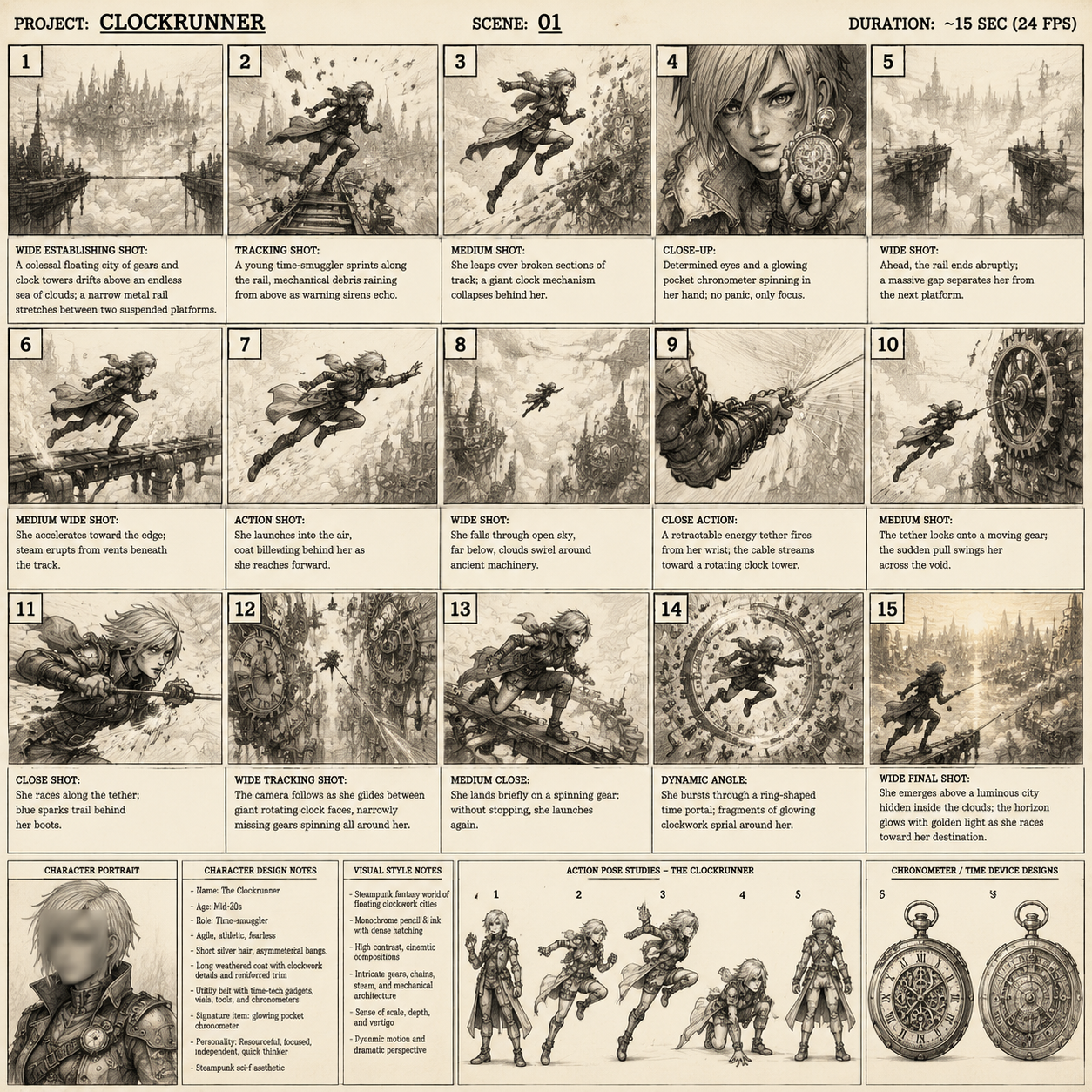

Video editing has reached a genuine fork in the road. On one side sit the flexible, transparent, and cost-effective open-source tools that have powered independent creators for years. On the other sit the newest AI generation systems that can turn a short text prompt into a nearly finished scene in minutes. Neither camp is inherently better. The smartest editors understand what each approach does well, where it breaks down, and how to blend them into a single production pipeline.
This guide is written for editors, filmmakers, and content teams who want a clear-headed way to decide between these options. We will look at the real capabilities of both families, walk through the trade-offs that matter for cost and quality, and end with a practical workflow you can adapt to your own projects.
Why This Decision Is Harder Than It Looks
It is tempting to frame open-source versus AI video tools as a simple battle between free and premium, or between control and convenience. That framing is too clean. Modern editors pull from both worlds every single day, and the line between them keeps moving as open-source projects adopt AI features and commercial platforms open up their models.
The real challenge is fit. A documentary editor cutting hour-long interviews has very different needs from a social media creator who needs ten short clips per week, and both of those differ from an advertising team turning static brand boards into moving footage. What matters is not which camp is supposedly winning, but which combination of tools lets you hit your deadline, your budget, and your quality bar.
Where Open-Source Editing Shines
Open-source tools have a reputation for being harder to learn, and in some cases that reputation is earned. But the strengths underneath that learning curve are considerable and worth being specific about.
True Transparency and Data Ownership
The biggest practical advantages of open source are transparency and control. Because the source code is available, you are never locked into a vendor that can change the pricing, remove a feature you rely on, or close the service at any time. Your project files, your footage, and your finished exports remain yours. For documentary work, client work with confidentiality clauses, or archival projects that need to be re-opened years from now, this matters a great deal.
An open-source editing suite also gives you flexibility around hardware. You can install it on modest machines, run it on Linux workstations that are common in studios, or use it on older laptops without paying a subscription for the privilege. The output files are standard codecs that any other tool can open, so you are never held hostage to a proprietary format.
Community, Plugins, and the Ecosystem
The plugin ecosystem around mature open-source editing tools is surprisingly deep. Color grading LUTs, rendering improvements, audio tools, and even AI-assisted features are available as extensions, many of them free. Because the community is large and vocal, features tend to be well documented, and specialized plugins exist for niche workflows that commercial tools would never bother to support.
The trade-off is that this ecosystem moves at the pace of volunteer effort. Some plugins are outstanding and actively maintained; others are abandoned and break on the next release. Budgeting time for community research and occasional troubleshooting is part of the cost of admission.
What Advanced AI Generation Adds to the Table
The argument for AI-driven video generation rests on two pillars: speed and creative reach. Modern generative models can take a written description and produce footage with coherent characters, consistent environments, and director-level camera motion that would previously have required a full production crew.
Turning Prompts Into Footage
At its most basic level, an AI video generator translates text into moving images. You describe a scene, the lighting, the camera movement, and the mood, and the system returns a clip that approximates your vision. This collapses the time between idea and first visual into minutes. For brainstorming, client previsualization, or fast-turnaround social content, that speed is transformative.
More advanced systems go further. Multi-image fusion lets you feed several reference images so a character or location stays visually consistent across multiple shots. Keyframe control lets you specify the start and end states of a motion and have the model fill in the middle. These features attack the biggest weakness of early AI video: the way characters would change face or clothing between one cut and the next.
Consistency as the Killer Feature
Consistency is where AI generation has made the most dramatic progress. Early adopters quickly discovered that a strong style guide is only half the battle; keeping a protagonist looking like the same person from scene to scene was the real problem. The newest models solve this with explicit reference conditioning. You lock an image of the character, then generate scene after scene around that fixed identity.
The same logic applies to visual style. Once you establish a color palette, lighting model, and art direction, the model can propagate that look across an entire sequence. This is precisely what commercial projects need, and it is why businesses that were once skeptical are now treating AI generation as a serious production tool rather than a novelty.
The Honest Limitations on Both Sides
The mature assessment of this debate requires acknowledging the failures as much as the wins. Neither open-source editing nor AI generation is a silver bullet, and knowing the rough edges will save you from expensive surprises.
Where Open Source Struggles
For all its transparency, open-source editing software has real gaps. Motion graphics and advanced effects often require separate tools or extensive manual work. AI-powered conveniences such as automatic transcription, scene detection, and content-aware cleanup are either missing or bolted on through plugins that are less polished than their commercial counterparts. Collaborative review workflows, which many modern teams rely on, are weaker and require more manual setup.
The other limitation is expertise. Delivering a polished result from an open-source suite demands a higher level of technical knowledge. If your team is not comfortable with workflows and formats, the learning cost will feel steep at first, though it pays off for those who invest in it.
Where AI Generation Is Still Immature
AI generation, meanwhile, is far from turnkey. Long-form coherence is still fragile; even the best models drift when asked to sustain a narrative over many minutes rather than a few shots. Precise, frame-exact control remains difficult. Getting a specific prop in an exact position, or reproducing an exact camera move you can already visualize, can require many attempts and careful prompt tuning.
There is also the matter of unpredictability. Generation is probabilistic, so identical prompts can produce noticeably different results on different runs. This is fine for exploration but frustrating when you need repeatable output. Quality control still requires a human reviewer who knows what to look for. The tools are powerful, but they are not a replacement for judgment, taste, or editorial oversight.
Cost, Pricing, and the Real Economics
When comparing the two paths, pricing models are fundamentally different in shape, and that difference matters for long-term planning.
Open-source tools are typically free to install and use, with costs concentrated in hardware, plugins, and the time your team spends learning and troubleshooting. The predictable, one-time nature of most of these costs is attractive for teams with stable needs. There is no per-minute fee for exporting, no trial to expire, and no surprise invoice at the end of the month.
AI generation platforms, by contrast, usually bill per generation or via tiered subscription plans. Heavy experimentation and multiple revision passes can drive consumption up quickly. The upside is that the marginal cost of a single new clip is low, which changes the economics of iteration: you can afford to generate many options and keep the best, something that is impossible with a physical shoot.
In practice, many teams blend these models. They use open-source editing as the backbone and the archive of truth, then spend on AI generation only for the moments where it genuinely adds value, such as fill footage, concept visualization, or stylized sequences. That hybrid approach means committing your recurring budget only where it pays off.
Building a Hybrid Production Workflow
Rather than choosing one side, the most effective editors assemble a pipeline that leverages both strengths. Here is a practical workflow that keeps the best of each world.
Phase One: Ideas and Previsualization
Start with AI generation for exploration. Write short, specific prompts that describe the scene, mood, and camera. Generate a handful of options and review which ones capture the feel you want. Because this phase is cheap and fast, you can be broad and playful. The goal is not finished footage but a shared visual language between you, your client, or your team.
Phase Two: Locks and References
Once you choose a direction, lock it down. Establish character references with multi-image fusion and set a consistent color and lighting script. Save the reference images and effective prompts so you can regenerate matching content later. Treat these assets like character sheets or production bibles; they are what keep the final video coherent.
Phase Three: The Edit
Bring your generated clips, reference frames, and any live footage into your open-source editor. Here you have the full control you need: fine cuts, transitions, audio sync, timing, and narration all live in an environment you can trust and re-open later. The editor remains the single source of truth for the assembled timeline.
Phase Four: Cleanup and Refinement
Not every generated clip will land. The right approach is to regenerate the weak shots with adjusted prompts rather than trying to fix them in post. Keep a log of what worked, so your next project starts closer to the finish line. Small details like lighting continuity and pacing are easier to fix by regenerating a clip than by wrestling with compositing tools.
When to Lead With Open Source, and When to Lead With AI
As a rough rule of thumb, lead with open source when you value predictability, control, and long-term ownership; lead with AI when speed, iteration, and creative reach dominate your priorities.
Independent films, archives, client work under NDA, and educational content with tight budgets tend to favor the open-source backbone. High-volume social content, advertising concepts, previsualization, and stylized sequences tend to reward the AI-forward approach. Most teams, of course, sit somewhere in the middle, and the best answer changes project by project.
Practical Advice for Making the Transition
If you are moving from an all-open-source setup into AI-assisted editing, start small. Pick one recurring task, such as generating background plates or concept frames, and integrate it into a single project before rewiring your whole pipeline. Measure the time saved, the quality of output, and where you still had to intervene manually.
If you are coming from a purely commercial, AI-first workflow and want to add open-source editing, the first step is simply learning to lean on the editor for assembly and finishing. The feature set is mature, and the confidence that comes from owning your own timeline is real.
Frequently Asked Questions
Is open-source editing software good enough for professional work?
Yes, for the vast majority of professional work. Experienced editors deliver broadcast-quality results from open-source suites every day. The gaps are in convenience features and advanced effects, not in core editing capability.
Which is cheaper over the long run?
Open-source editing is cheaper for predictable, high-volume use because the fixed costs are flat. AI generation is cheaper on a per-clip marginal basis and can be more economical if you need to iterate many options quickly. The answer depends on your usage pattern.
Can I generate footage that matches my own brand style?
Increasingly, yes. Multi-image fusion and reference conditioning let you feed your own images into the model so the output inherits your characters and visual identity rather than a generic look.
Do I still need an editor if I use AI generation?
Absolutely. AI generates raw material; it does not make editorial decisions. Pacing, narrative, audio, and the final assembly still benefit from and usually require a human editor who understands the story.
How do I keep characters looking consistent across many shots?
Use a fixed character reference image and rely on multi-image fusion so every scene is generated in relation to that anchor. Build a small reference library and reuse it across the entire project.
Final Thoughts
The future of video editing is not a winner-takes-all race between open source and AI. It is a rich, layered workflow where each approach handles the jobs it is best at. Open-source tools give you control, ownership, and reliability. AI generation gives you speed, reach, and the ability to bring nearly any idea to a first cut within minutes.
The editors who thrive will be the ones who move fluidly between both worlds, treating them as complementary chapters of a single creative process rather than rival camps. Start with one modest project, build a reference library, and let the tool win on its own merits. The toolkit that serves your story best is the toolkit worth using.
