


Short-form video has become the dominant currency of social media, and for professionals and content creators it is now a core part of the job. Yet there is a big gap between wanting to make good short videos and actually making them at a level that stands out. The good news: a professional-grade workflow no longer requires a studio, an editor, or expensive software. With the right method, anyone can go from an idea to a polished short clip in a single sitting. This guide is a practical, step-by-step tutorial built around one goal: helping professionals produce short-form videos consistently, with clarity, style, and speed.
What actually makes a short-form video work
Before diving into tools and steps, it is worth being clear about what separates a good short video from one that gets scrolled past. The most important factor is the hook. A short video has only a few seconds, sometimes only a moment, to convince a viewer to stay. The strongest hooks open directly with the reason to watch: a surprising claim, a concrete result, a bold question, or a visually striking image. Anything that delays that payoff reduces retention.
The second factor is focus. Great short videos do one thing. They answer a single question, demonstrate a single technique, tell a single micro-story, or deliver a single value. When you try to pack several ideas into one clip, the message dilutes and the viewer loses interest. Discipline about scope is one of the easiest ways to improve your output overnight.
The third factor is clarity of delivery. This includes good spoken pacing, readable captions, clean framing, and a clear audio track. Viewers often watch with sound off, so captions are not optional decoration; they are part of the message. A short video that is technically smooth but unclear will underperform one that is rougher but says something plainly.
Planning a short video: idea to outline in minutes
The most efficient creators plan before they record or generate. A lightweight plan takes only a few minutes and prevents wasted effort later. Start by writing a single sentence that states the core message of the video. If you cannot say it in one sentence, you have not yet figured out what the video is about.
Next, decide the format that fits the message. Common formats for short videos include the tutorial (showing how to do something), the demonstration (showing a result), the listicle (a few quick tips), the reactive or commentary piece, and the storytelling micro-clip. Choosing a format gives you a template to fill in, which speeds up everything that follows.
Finally, sketch three short beats: the opening hook, the body that delivers the value, and the closing call-to-action or takeaway. Even a very short clip benefits from this structure. Writing the beats down, even as brief bullet points, keeps you on track and guarantees the video has a clear arc rather than meandering.
Choosing the right creation path
Depending on your source material, there are three practical paths to a finished short video, and professionals often mix all three.
Path one: shoot from scratch. Record directly with a phone or camera. This works best when you have something to show live, such as a physical product, a screen, a workspace, or yourself talking to camera. The key is lighting and audio: both can be dramatically improved with modest effort and equipment. Natural light near a window and a simple external microphone go a long way.
Path two: generate with AI from text or images. When you do not have live footage, generative tools let you produce visuals from a script or a reference image. This is ideal for explainer-style content, product visualizations, and stylized clips. The craft here lies in writing a clear prompt that specifies the subject, the setting, the lighting, and the motion you want.
Path three: repurpose existing videos. If you already have longer content, such as a podcast, webinar, or demo, cut out the strongest moments and rework them into short clips. This is the fastest path because the hardest creative work is already done; the job is selection and matching to the platform.
Your choice depends on the message, your time budget, and what visuals will serve the idea best. There is no single correct path, and the best professionals rotate among all three depending on the week.
Using AI generation effectively in your workflow
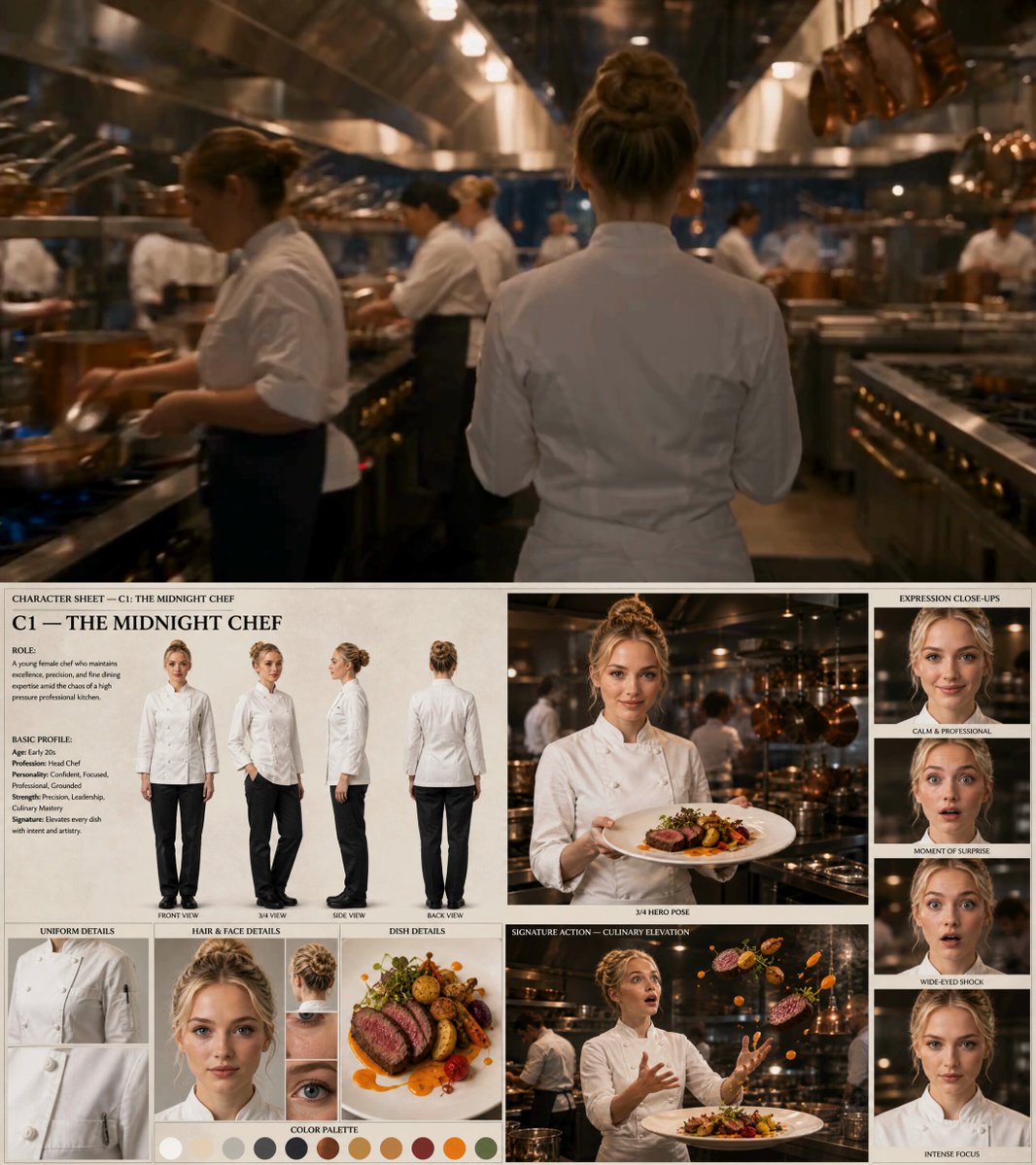
If you choose to generate video with AI, a few practices make the difference between generic output and something usable. First, start with strong reference material. For example, when you want a consistent character, provide a clear reference image and describe the same physical traits every time. Without a reference, the same character can change appearance across shots, which breaks believability.
Second, describe motion and atmosphere in concrete, specific terms. Generic phrases like "nice video" produce weak results. Instead, describe the lighting (golden hour, soft studio light), the camera movement (slow push-in, lateral traveling), and the action (hair blowing in the wind, dust rising). The more of these sensory details you include, the more the model can produce something that looks intentional.
Third, generate variations. Do not stop at the first output. Produce several takes of the important shots, then pick the strongest. This is cheap compared with reshoots and dramatically improves the final quality. Plan enough time to review multiple options during your first few projects.
Shooting basics that raise production quality fast
Even when AI is involved, a good hand for shooting helps. For those recording from scratch, three quick wins pay off disproportionately.
Lighting first. A subject facing a soft light source looks dramatically better than one shot in harsh overhead light or dim surroundings. If you do not have studio lights, position yourself next to a large window during daytime. Front and slightly to the side is a safe, flattering starting point.
Audio second. Viewers forgive average video but punish bad audio. Use a microphone close to the speaker, avoid noisy rooms, and keep consistent volume throughout. For voiceover, record in a small, quiet space and consider a simple sound treatment such as a duvet or soft furnishings to reduce echo.
Framing third. Keep the subject centered or using the rule of thirds, avoid chopping heads, and leave a little headroom. If you record in landscape to later crop, give extra margin around the subject so nothing important is lost when you reformat to vertical or square.
The editing polish that makes shorts feel professional
Editing is where short videos gain their final credibility. You do not need complex software to achieve a clean result; many free and low-cost editors handle everything you need. The priority order of polish is captioning, pacing, and sound.
Add accurate, well-timed captions. These carry the message for the large share of viewers who watch silently. Make them large enough to read on a small screen and highlight key phrases. Next, tighten the pacing. Trim dead air, remove hesitation, and cut to the point. A short video should never feel slow. Finally, ensure the sound is balanced and consider adding a light background music bed beneath a voiceover, keeping it low enough that it never competes with the voice.
Less is more for transitions and effects. A couple of clean cuts or simple wipes beat an overloaded collection of flashy transitions. The goal is a clip that feels smooth and intentional, not one that calls attention to its own editing.
Formatting for different platforms
Short-form content lives on many surfaces, and each has its own expectations for aspect ratio, length, and style. The two dominant shapes are vertical (roughly nine by sixteen) and square. Vertical dominates the most popular short-form feeds and is the default for most mobile viewing, while square works well on desktop feeds and embedded contexts.
Design your edit for the primary platform but keep flexibility for others. If you shoot horizontally, plan crops carefully so the subject stays visible in vertical framing. When you publish the same clip to several platforms, adjust the hook and the captions locally to match each platform's conventions rather than blindly uploading identical files. Metadata matters too: a clear title and well-chosen tags help discovery a great deal, so never skip them.
Building a consistent and repeatable process
Professionals succeed on short-form by treating it as a system, not a series of spontaneous bursts. Define a simple, repeatable process that includes planning, capturing or generating, editing, and publishing, and run each piece through the same stages. Consistency in the process produces consistency in output.
Batch your work where possible. Write scripts for several videos in one session, generate or capture all the footage in another, and edit everything in a single pass. This reduces the friction of starting anew each time and lets you build momentum.
Establish a light brand template: a signature caption style, color treatment, or logo swatch. This gives a recognizable thread across your clips without looking heavy-handed. Consistency across a profile signals professionalism and helps audiences trust and remember you.
Common mistakes to avoid
A few recurring errors sink otherwise good short videos. Watch for them. Starting too slowly is the most common; your best material belongs in the opening seconds, not buried in the middle. Overscoping the message is next: resist the urge to cram in three topics. Skipping captions, poor audio, and shaky or badly cropped footage all read as unprofessional, whatever the idea's quality. And publishing identical clips to every platform with no adaptation leaves value on the table.
Keep a mental or written checklist of these mistakes and run your clip against it before publishing. Catching a weak opening or a missing caption before it goes live is far cheaper than recovering from a shaky piece after the fact. This is the practical habit that separates consistent professionals from occasional hobbyists.
Turning short-form into a sustainable practice
Short-form video is most valuable when it is maintained over time. A single viral clip is nice, but a catalog of solid, useful, on-schedule content builds real authority and reach. The mindset shift is to plan short-form as an ongoing channel, not a one-off task.
Set a realistic cadence you can keep, whether that is two videos a week or ten a month, and protect the time for it. Review analytics to learn which formats, topics, and hooks your audience responds to, and let that feedback shape your next batch. Iterate, measure, and adjust. Over months, this small but steady practice compounds into a substantial library of content that works for you around the clock.
The essential point is that short-form video is no longer a niche specialty; it is a fundamental skill for professionals in almost every field. With a clear process, the right tools, and attention to a few fundamentals, anyone can produce short videos that look and sound professional. Pick one tool, plan one piece, make one video this week, and let the practice build from there.
Developing a signature style and posting cadence
Consistency on short-form is not just about frequency; it is about a recognizable point of view. Audiences follow creators they can predict. When a viewer knows roughly what to expect from your clips in terms of topic, energy, and format, they are far more likely to stop scrolling when your content appears. This predictability is a professional asset, and it is built deliberately rather than left to chance.
Define a light but consistent signature. It can be a characteristic opening line you repeat, a distinct caption treatment, a regular way you frame your demonstrations, or a signature closing sign-off. The goal is not a rigid formula that kills variety, but a thread of identity that makes your work feel like a coherent series. A small, repeated touch is more effective than a heavy-handed brand overlay on every clip.
Posting cadence reinforces this. Irregular bursts followed by silence train audiences to ignore you; a steady rhythm, even if modest, builds reliable expectation. Set a cadence you can genuinely sustain over months, and protect the time for it in your calendar. Regularity, combined with a clear style and honest measurement, is what turns occasional clips into a professional presence with compounding reach.
