
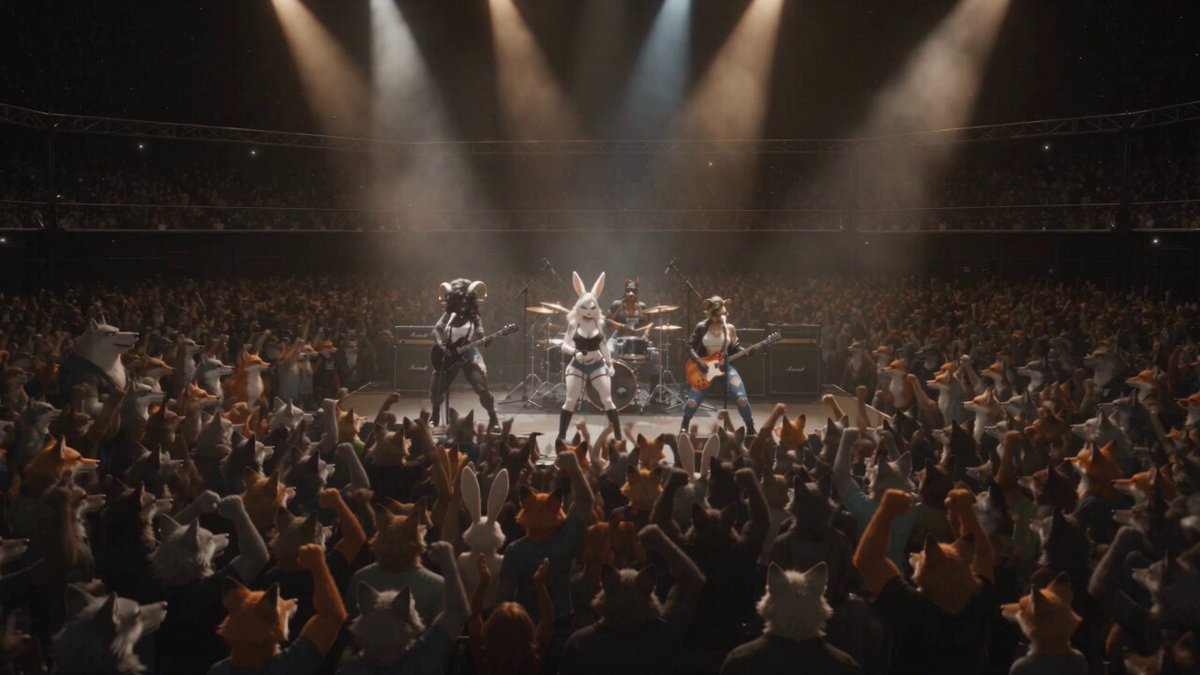
Video production has an audio bottleneck: visuals can be generated in minutes, but voiceovers and music traditionally take days — recording, editing, licensing. AI changes that. In 2025, synthetic voices can carry real emotional nuance, and background scores can be generated on demand with zero licensing headaches. This guide covers the practical secrets: how to get voiceovers that sound professional and music that actually fits your video.
Why audio is the new competitive edge
Audiences forgive imperfect visuals more easily than bad audio. A muddy voiceover or a generic loop makes content feel amateur, no matter how good the footage is. Creators who master AI audio production gain a significant edge: faster turnaround, lower cost, and full ownership of the soundtrack. With AI, you can generate, test, and iterate on audio as fast as you iterate on visuals.
Achieving emotional fidelity in AI voiceovers
Modern text-to-speech has moved far beyond robotic monotone delivery. The best systems understand prosody, accent control, and emotional context. The key is treating the script as a performance spec, not just text to read.
Prompt the performance, not the words
Advanced systems accept emotional tags directly in the script. Instead of writing "he was scared," write the dialogue with a direction like [whispering] or [with urgency]. These cues tell the model how to perform, not just what to say. You can fine-tune a narration without re-recording: adjust pacing, insert pauses, change tone — all by editing text.
Establish a consistent voice profile
If you're building a series or a brand, define a standard voice profile once and reuse it. This ensures every generation maintains the same acoustic fingerprint, regardless of the emotion required. Consistency is what makes a synthetic voice feel like a character rather than a random generator output.
Match the voice to the visual weight
Professional voiceover isn't just about the words — it's about sync. If a scene has a slow push-in with dramatic lighting, the voiceover should slow down and deepen. When the visual cuts fast, the narration should tighten. Think of the voice as part of the edit, not a separate layer.
Generating copyright-free background music
Licensing is the biggest friction point in music production. AI music generation solves it by creating unique compositions on demand. You specify mood, duration, and instrumentation; the system composes something novel that you fully own.
From mood tags to mastered tracks
Describe the vibe precisely: "tense cyberpunk chase" is different from "uplifting corporate success." Add technical specs like duration and instrumentation. The best systems understand musical theory and genre conventions, so they don't just string notes together — they build a musical arc with structure and dynamics.
Dynamic adaptation and invisible loops
Videos rarely stay at a constant pace. They have build-ups, climaxes, and cool-downs. Professional integration means the music reacts to the video: percussion rises during action, instrumentation thins during dialogue. Look for tools that let you mark "hot zones" — moments where the music must peak — and let the engine crescendo exactly there.
Perfect looping matters too. For ambient tracks, the loop point should be musically invisible, so an extended scene doesn't reveal the seam.
Integrating audio into your workflow
The real secret is tight integration between audio and visual tools. Ideally, the audio engine reads timing cues from the video generation process — when the scene changes, the music shifts. This eliminates the need to export to a separate digital audio workstation for basic edits.
A practical workflow:
- Write the script with performance directions built in;
- Generate a voiceover draft and check pacing against the visuals;
- Generate background music from mood tags and duration;
- Mark hot zones where music should peak;
- Sync, preview, iterate.
Tips for fast iteration
- Generate two or three voiceover takes with different emotional directions;
- Test music with different moods against the same footage;
- Keep a library of voice profiles and mood presets for reuse;
- Listen on phone speakers — that's how most of your audience will hear it.
Conclusion
AI audio production removes the bottleneck between visual generation and finished content. Master emotional prompting for voiceovers, use mood-tag-driven music generation for copyright-free scores, and integrate both tightly with your video workflow. Start by building a reusable voice profile and a few mood presets. Pair your audio work with a solid visual pipeline — AI video generation for the footage, AI image generation for thumbnails and references, and high-quality models like GPT Image 2 and Seedance 2.0 when you need extra fidelity. The result: content that sounds as professional as it looks.
