
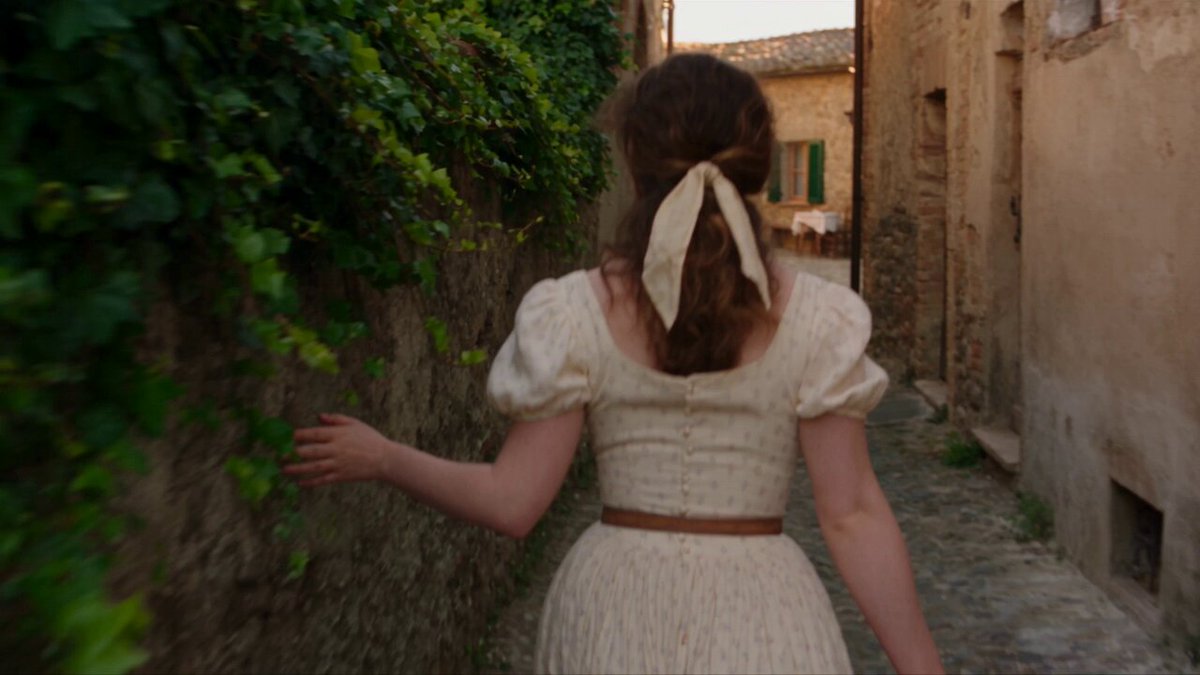

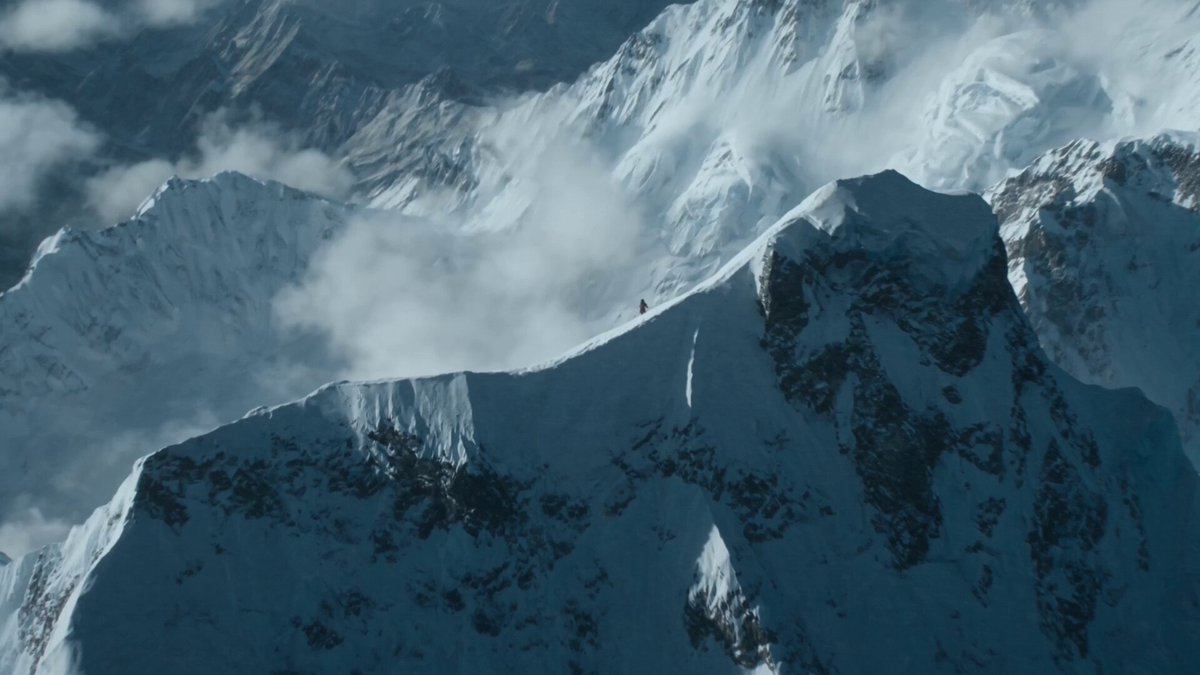
The rise of generative AI has changed how creators approach visual storytelling. Instead of treating image generation and video production as separate tasks, the most efficient teams now build integrated pipelines that move from still frames to motion with minimal friction. This guide explores the ultimate workflow for combining AI image generators with video platforms, covering the architecture, model selection, and practical steps you need to produce professional content faster than ever before.
Why Integration Matters for AI Content Creation
For a long time, creators had to jump between different tools, manually export assets, and fight with inconsistent styles. A single character or scene could look completely different from one shot to the next. Integrating AI image generation directly into a video workflow solves this problem by creating a unified pipeline where high-fidelity still images become the foundation for dynamic video sequences.
The benefits go far beyond convenience. By using an AI image generator to create keyframes, establishing shots, and visual references, you gain precise control over composition, lighting, and character design. Then, when you feed those images into an AI video generator, you guide the motion and camera work instead of relying on text prompts alone. The result is a production process that can reduce timelines dramatically while improving creative consistency.
Core Architecture of a Seamless Visual Pipeline
An integrated workflow requires more than just copying files between applications. It needs a modular backend that can orchestrate model APIs, manage assets, and maintain state across every stage of production. A well-designed pipeline typically includes the following components:
- Input layer: Accepts text prompts, reference images, and video clips from the creator.
- Model orchestration layer: Routes requests to the appropriate generation model based on the task and desired style.
- Asset management system: Tracks every generated image, mask, and video segment, ensuring nothing gets lost or mislabeled.
- Assembly engine: Combines still images and AI-generated motion into a final video sequence.
A clean architecture ensures that each component remains independent. If one model provider changes its API or you want to swap in a newer model, the rest of the pipeline keeps working. This modularity is especially important in a fast-moving space where new image and video models appear constantly.
Choosing the Right Model Mix for Your Workflow
No single model is perfect for every shot. Some generators excel at photorealism, while others produce stylized illustrations or cinematic frames. The key is to select models that complement each other across the pipeline.
For still imagery, you might use a model like GPT Image 2 to generate rich, detailed keyframes. Its ability to interpret complex prompts makes it ideal for creating hero shots and visual anchors. For scenes that need more dramatic motion, pairing those images with a video generation model like Seedance 2.0 can produce fluid camera movements and natural physics.
Using different models for different stages gives you more creative freedom. Start with an image model to lock down the visual style, then use a video model to bring the frame to life. This two-step approach is far more reliable than expecting a single text-to-video model to handle both composition and motion perfectly.
Practical Steps to Build the Workflow
If you are ready to integrate AI image generation and video platforms into a single pipeline, here is a practical framework to follow.
1. Define Your Visual References
Before generating anything, collect reference images or create a style board. This could include mood board photos, screenshots, or images generated in earlier sessions. Consistent references help you explain what you want to the AI model and serve as the source material for later stages.
2. Generate Keyframes and Hero Assets
Use your AI image generator to produce the most important frames in your story. Focus on the shots that establish the setting, introduce the character, or capture the peak emotional moment. These keyframes should be high quality because they will be used to guide the video generation.
3. Convert Still Frames to Motion
Feed your keyframes into a video generation platform. Many modern tools allow you to upload an image and specify the movement, camera path, and duration. This is where the real magic happens: the video model preserves the details from your still image while adding believable motion. You can also use text-to-video for supplementary shots that do not need strict image consistency.
4. Maintain Visual Consistency Across Shots
One of the biggest challenges in AI-generated video is keeping characters and settings consistent. To address this, use the same reference image across all shots. If your video platform supports multi-image input, you can also generate multiple camera angles of the same subject and use them to maintain continuity.
5. Iterate and Refine
Review the generated clips and identify weak spots. You may need to regenerate a keyframe with a different prompt, adjust the motion strength, or use image-to-image editing to fix small details. An integrated workflow makes iteration fast because you can quickly jump back to the image stage without leaving your creative environment.
How This Workflow Changes Production
Integrating AI image generators with video platforms is not just a time-saver. It opens up new possibilities for content that would have been impossible or prohibitively expensive with traditional methods.
For example, a small marketing team can produce a branded video campaign with multiple scenes, custom illustrations, and on-brand styling without hiring a full production crew. A filmmaker can animate storyboard frames to test camera angles before committing to a shoot. An individual creator can build a short film using personal visual references that remain consistent from the first shot to the last.
The same workflow enables hyper-personalized media at scale. By combining a user's preferences with AI-generated imagery, you can create custom video greetings, product demos, or educational content tailored to a specific audience. This level of personalization becomes practical only when image and video generation are part of the same pipeline.
The Future of Integrated AI Creation
Looking ahead, the distinction between AI image generators and video platforms will continue to blur. We are already seeing models that can generate short clips directly from text, and others that extend still images into full scenes. The ultimate workflow will eventually become a single, continuous creation loop where you describe a world, watch it come alive as still images, and then animate it in real time.
Mastering the integration now puts you ahead of that curve. Whether you are creating social media content, cinematic short films, or commercial advertising, the ability to move seamlessly between still and moving images is becoming a core creative skill. Start with a simple pipeline: generate a strong keyframe, bring it to life with a video model, and refine from there. As you become comfortable, expand the workflow to include multiple models, custom style transfers, and more ambitious narratives.
By embracing this integrated approach, you are not just using AI tools. You are building a repeatable system for visual storytelling that can scale with every new advancement in generative technology.
