
Aktualnosci i nowosci Domer AI
Co nowego w Domer AI
Zainspiruj sie najnowszymi trendami kreatywnymi, przelomami w AI i wydarzeniami naszej globalnej spolecznosci.
AI Video Creation Workflow: A Practical Guide to Picking Tools
Build a repeatable AI video workflow: shot planning, model selection, prompt design, continuity, audio, editing, and quality control that scales.
Veo 4.5 vs Microsoft AI Video: Which Platform Fits Your Workflow?
Compare Google's Veo 4.5 and Microsoft's AI video stack across fidelity, control, audio, and cost, then pick the right pipeline for your team.
AI Video Generators vs Short-Form Platforms: Workflow Guide
Compare dedicated AI video generators with short-form hosting platforms, then build a repeatable workflow for scripting, generation, editing, and publishing.
Controllable AI Video Generation: A Practical Workflow Guide
Compare controllable AI video models with broad creative suites, then learn a repeatable workflow for prompts, character consistency, editing, and delivery.
Kling 2.5 vs OpenAI Sora: Choosing Your AI Video Workflow
Compare Kling 2.5 and OpenAI's video models on motion, control, and style, then build a hybrid AI video workflow that fits your production needs.
Cloud AI Video Workflow Guide for Scalable Creative Teams
Learn a practical cloud AI video workflow for planning, generating, reviewing, and scaling creative projects with consistency and control.
AI Video Generation Workflow: Plan Budgets Without Guesswork
A practical guide to planning AI video generation workflows, choosing models, controlling compute costs, and shipping consistent, high-quality video.
AI Video Project Budgeting: A Practical Workflow Guide
Plan AI video projects with a repeatable workflow: shot lists, model tiers, render budgets, post-production choices, and spend tracking that scales.
Veo 4.5 vs Microsoft: Choosing Your AI Video Workflow
Compare Veo 4.5 and Microsoft AI video tools across realism, control, editing, and workflow fit so you can pick the right generator for each project.
Next-Gen AI Video Models vs Today's Tools: A Workflow Guide
Compare next-generation AI video models with today's production tools, and learn a practical workflow for prompts, consistency, audio, and final delivery.
Pixverse vs Luma Dream Machine: Which AI Video Generator Wins
Compare Pixverse and Luma Dream Machine on motion realism, camera control, consistency, and workflow fit so you can pick the right AI video generator.
Pixverse 5.5 vs Runway: How to Choose an AI Video Tool
Compare Pixverse 5.5 and Runway for AI video generation, from prompt control and consistency to editing workflows, pricing models, and team fit.
Luma 2.1 vs Stability AI: Which AI Video Model Fits Your Workflow
Compare Luma 2.1 and Stability AI video models on realism, motion coherence, control, and hosting, then build a workflow that fits your team.
AI Logo Design Platforms: Craft a Brand Identity That Lasts
Compare AI logo design platforms, learn prompt workflows, vector export tips, and brand consistency checks for a memorable visual identity.
Luma 2.1 vs Stability AI: Build a Better AI Video Workflow
Compare Luma 2.1 and Stability AI video models, then build a repeatable AI video workflow with keyframes, motion control, and finishing tips.
Kling AI Video Generation: A Practical Workflow Guide
Learn how Kling AI video generation fits into a real production workflow, from prompt design and shot planning to cost control and quality checks.
AI Video Workflows for Influencer Marketing Management
Learn how to combine AI video generation with influencer marketing management software to plan, produce, review, and scale campaign content efficiently.
AI Video Workflow: A Practical Guide for Modern Creators
Build a repeatable AI video workflow: shot planning, prompt design, character consistency, audio, editing, and tool choices that scale with your projects.
AI Video Workflows for Marketing Teams: A Practical Guide
Learn how to plan, generate, edit, and scale AI-assisted marketing videos with a repeatable workflow, tool criteria, and quality checks.
Choosing an AI Video Workflow: Control-First vs Ecosystem
Compare control-first and ecosystem-first AI video platforms, then follow a practical workflow for keyframes, motion passes, assembly, and QA.
Best AI Writing Tools for Video Scripts: A Practical Guide
Learn how to choose and use AI writing tools for video scripts, from prompt workflows to dialogue polish, scene structure, and final delivery.
PixVerse 6.5 vs Luma: Picking the Right AI Video Tool
Compare PixVerse 6.5 and Luma for text-to-video, image-to-video, motion realism, and shot control, with workflows and a decision framework.
Pixverse 5.5 vs Runway: Which AI Video Platform Wins?
Compare Pixverse 5.5 and Runway across motion quality, control, speed, and workflow fit so you can pick the right AI video platform for your team.
Pixverse vs Runway: Choosing the Right AI Video Tool
Compare Pixverse and Runway for AI video work: prompt control, motion, consistency, editing workflow, cost planning, and tips for picking the right tool.
Hailuo 2.5 vs International AI Video Models: A Workflow Guide
Compare Hailuo 2.5 with international AI video models and learn a repeatable workflow for prompt design, shot planning, continuity, and delivery.
AI Video Abstracts for Research: A Practical Workflow Guide
Learn how to turn papers and reports into clear AI video abstracts with scripts, voiceovers, visuals, and a repeatable review workflow.
AI Music for Video Creators: A Practical Scoring Guide
Learn how to choose and direct AI music tools for video: prompting, mood mapping, licensing checks, editing sync, and fixes for common audio problems.
Open-Source vs Proprietary AI Video Models: A Workflow Guide
Compare open-weight and hosted video models like Wan and Hunyuan, then follow a repeatable workflow for prompting, control layers, continuity, and delivery.
Wan vs. Baidu Video: Choosing an AI Video Engine That Works
Compare Wan and Baidu Video AI generators on prompt control, motion quality, consistency, cost, and workflow fit so you can pick the right engine.
Wan 2.3 vs Chinese AI Video Models: A Practical Comparison
Compare Wan 2.3 with Kling, Hailuo, and Vidu on motion, prompt adherence, and workflow fit, plus practical tips for choosing the right video model.
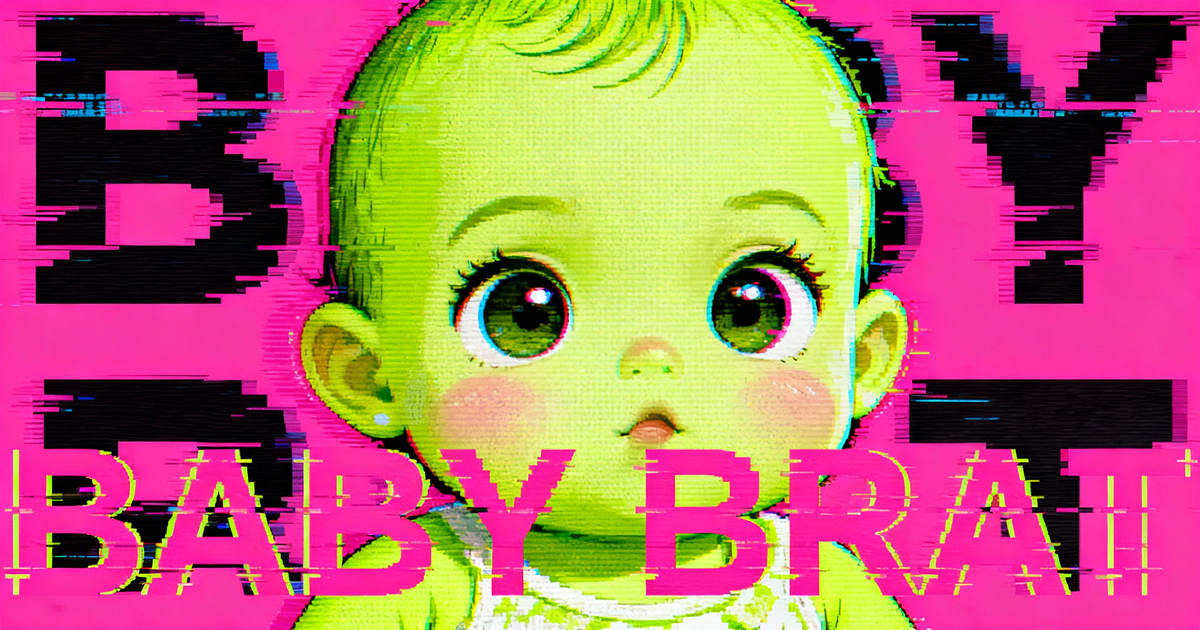
Baby Brat Meme Generator: How to Create Cursed-Cute AI Images
Complete guide to creating Baby Brat memes—the cursed-cute trend combining baby filters with brat aesthetics. Get the best AI prompts, tools, and tips for viral-worthy images.
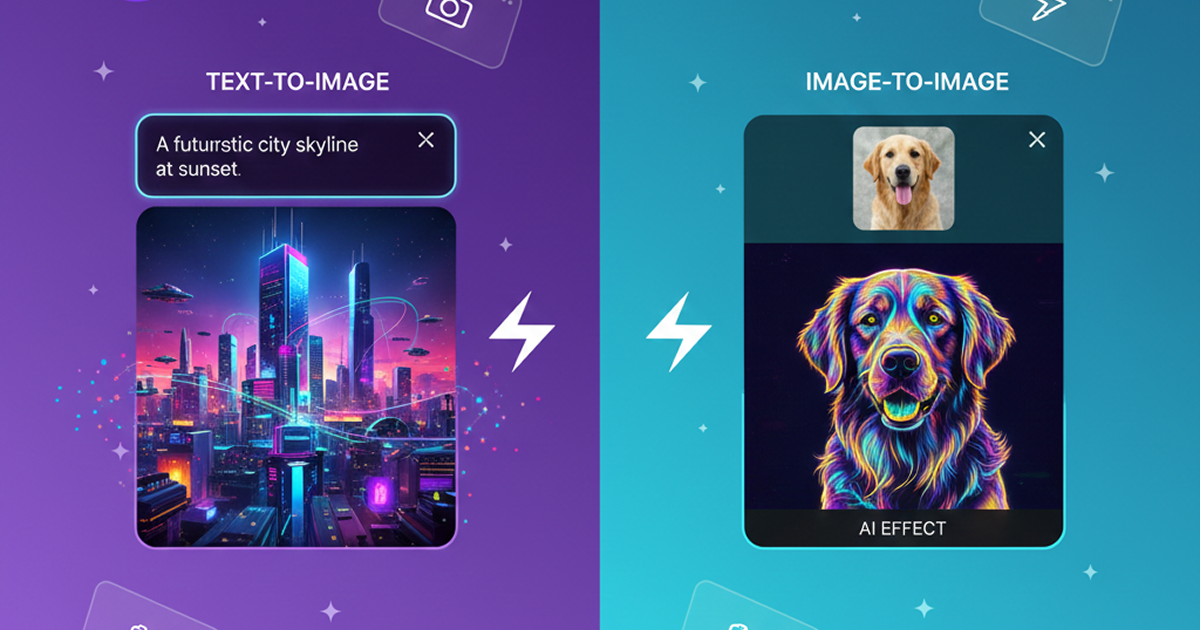
Domer: Free AI Image Generator - Complete Features & Guide
Everything you need to know about Domer AI—a fast, free image generator for creating memes, art, and transformations. Get 10 free credits to start.
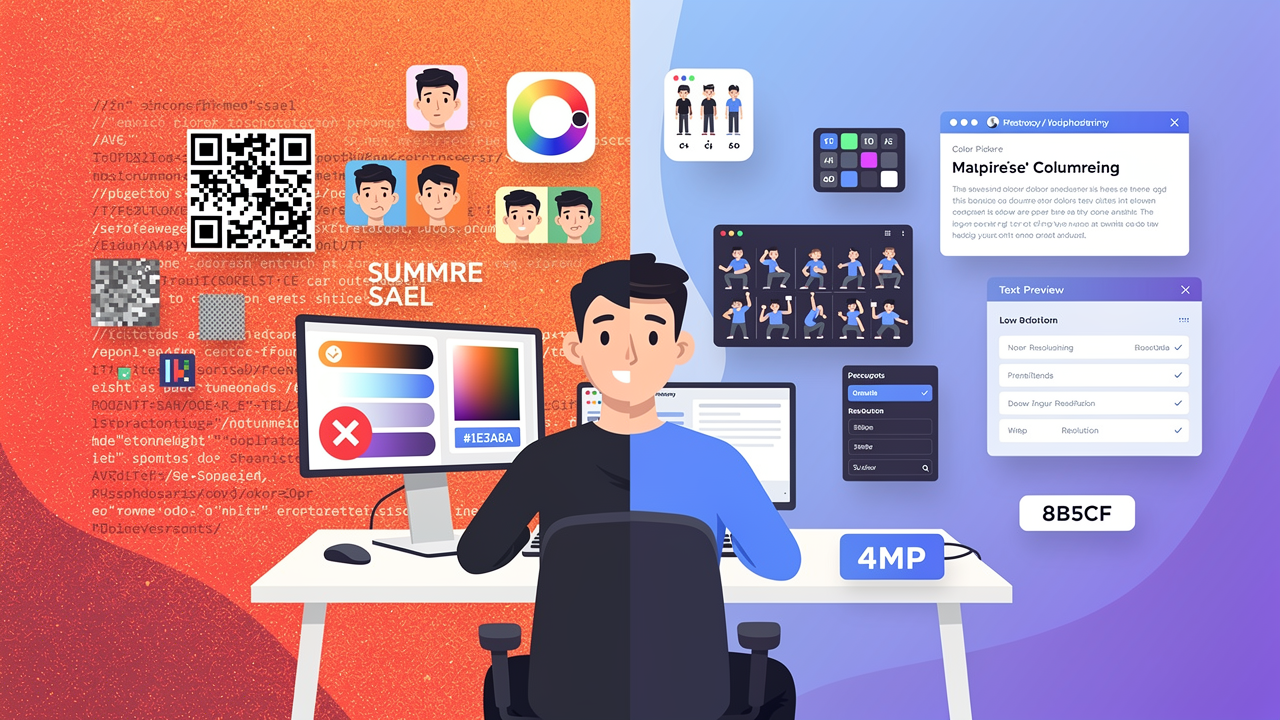
FLUX.2: The End of Five Designer Nightmares
FLUX.2 solves the problems that made AI image tools frustrating—exact colors, consistent characters, readable text, print quality, and efficient workflows. Here's what actually changed.
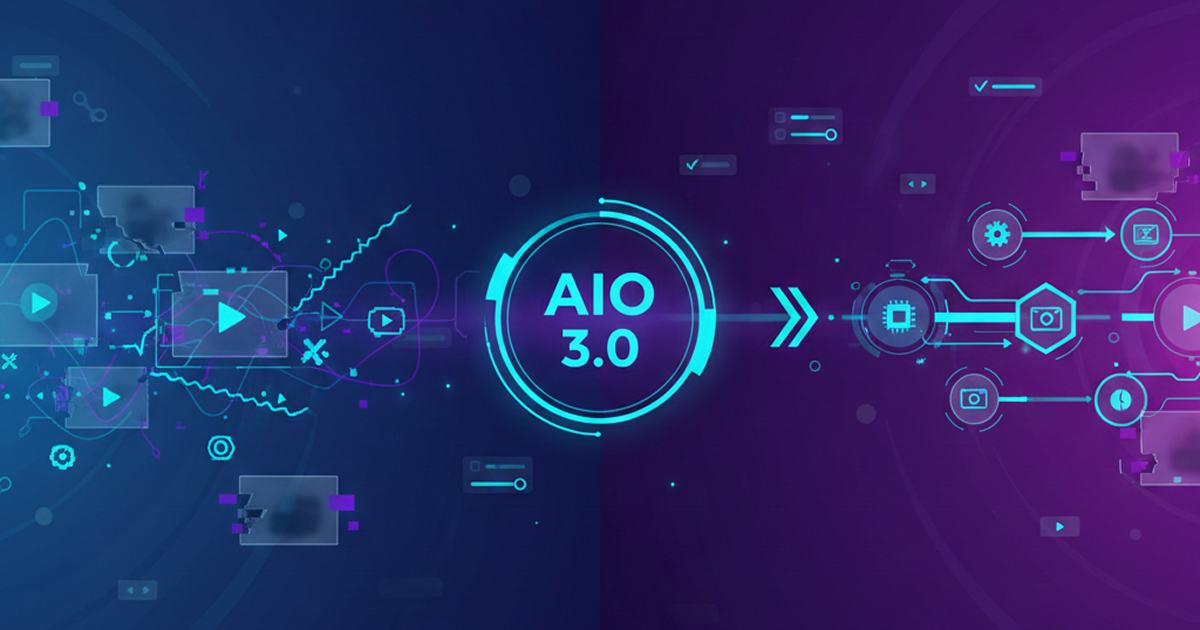
From Kling 2.6 to 3.0: How One AI Video Platform Is Rethinking the Entire Workflow
While competitors race for longer videos and higher resolution, Kling is betting on something different with its AIO model—and it might just work. A deep dive into Kling 3.0's unified approach.

Kling Motion Control: Transfer Motion from Video to Image with AI
Learn how Kling Motion Control works - upload a reference video and static image to create videos with transferred motion. Complete guide with examples and tips.
Orelon — AI Video Generator for Cinematic Video Creation
Create cinematic videos from text or images with Orelon. Compare 23 video models, apply effects, and direct camera motion in one workspace — no installs.
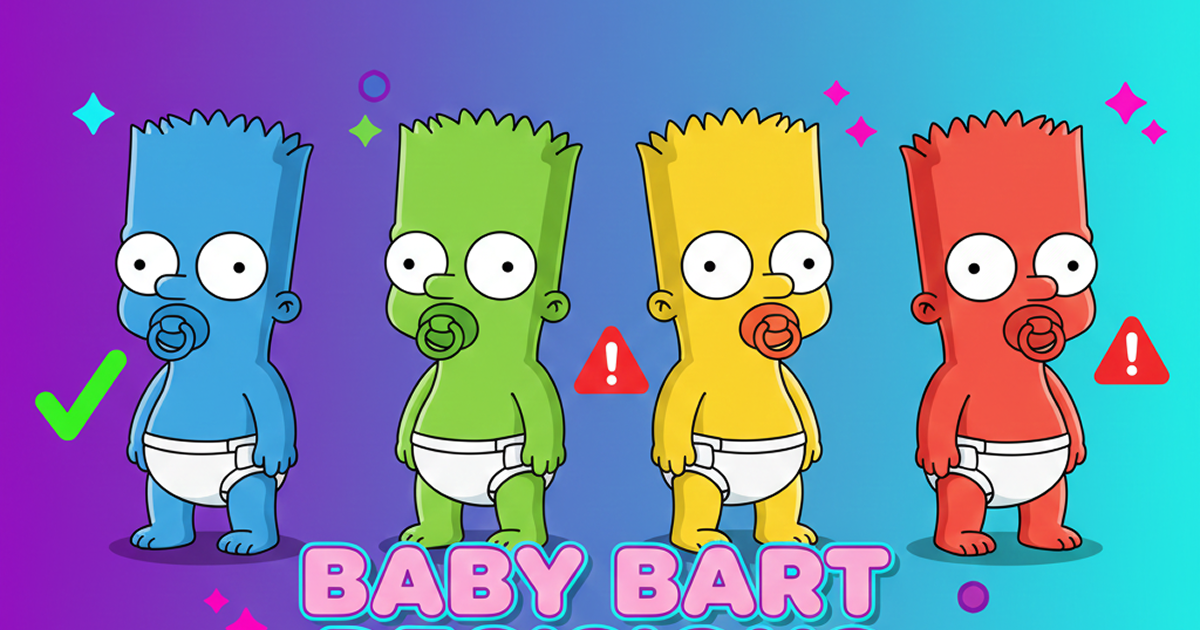
What Is Domer Meme? The Baby Bart Simpson Phenomenon Explained
A deep dive into the Domer meme that took over TikTok in late 2025. Learn what 'Domer' means, why it went viral, and how to create your own Domer-style images with AI.
Czesto zadawane pytania
Wszystko, co musisz wiedziec o blogu i platformie Domer AI.
Zacznij tworzyc z Domer AI juz dzis
Generuj profesjonalne filmy i obrazy w kilka sekund za pomoca AI. Karta kredytowa nie jest wymagana.