
Introduction
The way stories are told on screen has never changed faster than it is changing right now. For decades, a director needed a full crew, expensive cameras, and months of post-production to bring a vision to life. Today, generative AI has collapsed that timeline. But raw generation power alone is not enough. The real breakthrough is the rise of the AI director: an intelligent layer that makes creative decisions about pacing, framing, and consistency while you focus on the story.
In 2025, we are past the point where AI is just a fancy prompt box. The best creative tools now work as collaborators, understanding narrative intent and translating it into visual language. This shift is the core of modern AI video generation: not just creating clips, but directing entire scenes with the logic of a seasoned filmmaker.
The New Creative Partner: From Prompting to Directing
Content creators once spent hours tweaking prompts to get a single usable shot. Now the challenge has moved up a level. We have access to dozens of powerful models, each with unique strengths, but stitching their outputs into a coherent story remains difficult. That is where an AI director comes in.
Think of it like this: a prompt tells the model what to draw; a director tells the model why it matters. The director layer evaluates the emotional arc of your scene, decides which camera movement supports the tension, and ensures that a character looks the same from one shot to the next. It automates the tedious technical decisions so you can spend your energy on the narrative.
This matters because audiences have become sophisticated. They notice when a character's face shifts between cuts or when lighting betrays a scene's mood. Without directorial oversight, even the most photorealistic AI output can feel like a collection of beautiful clips rather than a story.
Why Coherence Is the Real Bottleneck
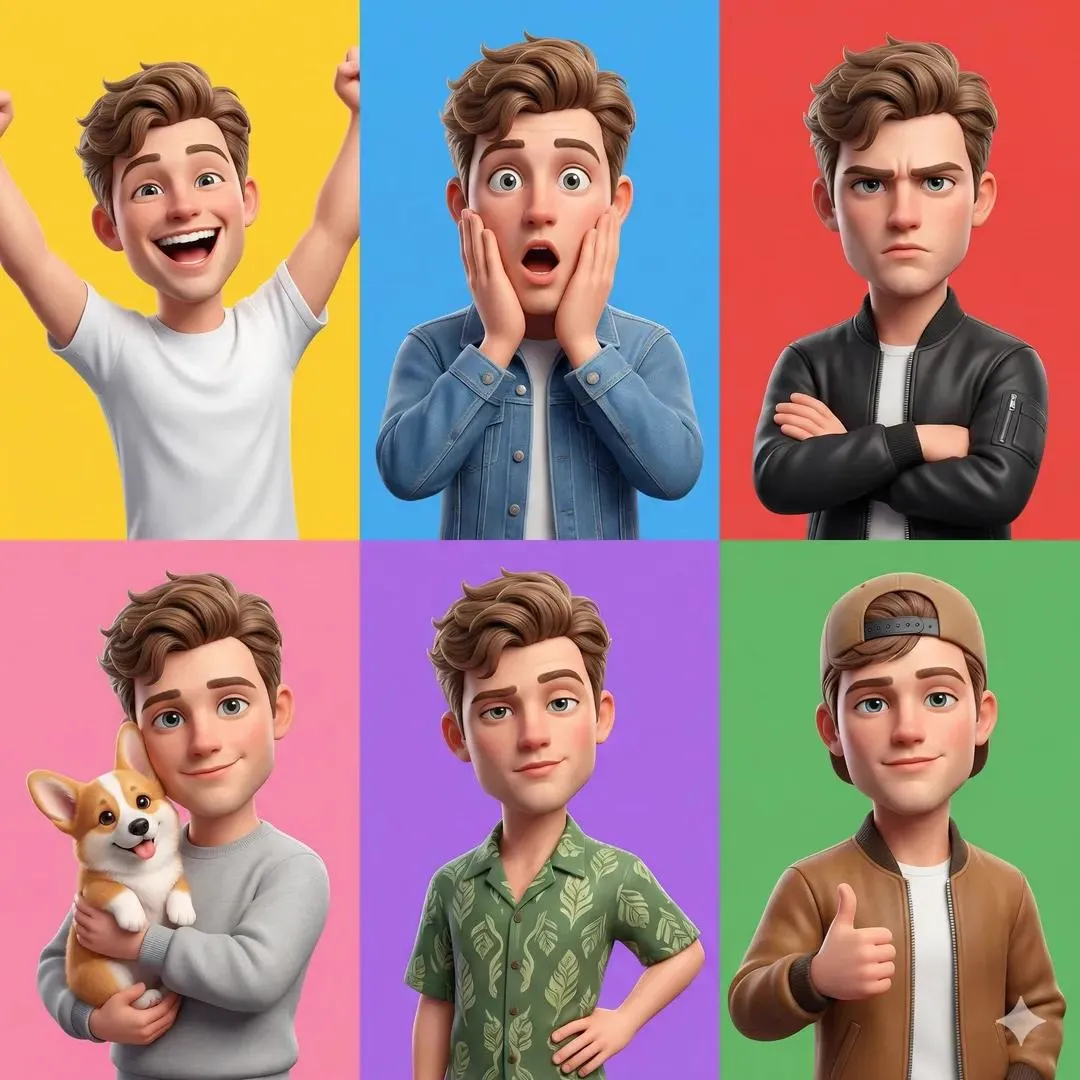
By mid-2025, the market is flooded with models capable of generating stunning images and motion. The bottleneck is no longer resolution or realism—it is consistency. Keeping a protagonist's identity stable across different scenes, locations, and lighting conditions is one of the hardest problems in AI filmmaking.
That is why modern platforms invest heavily in multi-image fusion and reference systems. Instead of relying on a single prompt, the director agent locks keyframes for characters, objects, and settings. When the scene changes from a sunlit street to a dim interior, the AI adjusts lighting and color grading without losing the subject's identity. This is the difference between a demo reel and a feature film.
If you are experimenting with your own visual stories, you can already explore this workflow with tools like the video-to-video generation pipeline, where reference frames anchor the motion and style across transformations.
Inside the Director Architecture
What does an AI director actually do under the hood? It is more than a smart suggestion engine. It is a layer that sits between your creative intent and the generation models, managing complex tasks in real time.
Intelligent Task Orchestration
Video generation is resource-intensive. Different models excel at different jobs: some produce fast drafts, others deliver high-fidelity final renders. The director agent decides which model to use for each micro-segment. A quick establishing shot might go to a lighter model, while a character close-up with nuanced emotion gets routed to a more powerful engine. This orchestration keeps your workflow fast and your budget under control.
Multi-Image Fusion for Character Consistency
Remember the old problem where a character's face changed halfway through a video? The director layer solves it by maintaining a reference pool. When you generate a walking cycle with one model and then want a dialogue close-up with another, the director uses fusion data from the first pass to anchor the second. The result is seamless continuity across model handoffs.
For creators building serialized content, this is invaluable. Episodes, chapters, and scenes can maintain a consistent visual identity without manual masking or tedious regeneration.
Automated Cinematography and Framing
Directing also means choosing how the camera tells the story. AI director agents now offer automated cinematography suggestions: dutch angles for tension, slow dolly shots for intimacy, or shallow depth of field for emotional close-ups. The system learns from your preferences over time, effectively becoming a personalized mentor that understands your visual style.
Choosing the Right Model for Every Moment
No single model is perfect for everything. Some are known for spatial consistency, others for stylized animation, and others for hyper-realistic human motion. A skilled director knows when to switch instruments.
That is why a robust model ecosystem matters. When you work with a platform that gives you access to diverse engines, the AI director can select the best tool for each narrative beat. For example, a sweeping landscape might benefit from a model with strong scene understanding, while a character interaction might need a faster, more controllable engine. The model library on Domer makes it easy to compare and combine these capabilities within a single project.
One particularly exciting option is Seedance 2.0, which offers strong motion coherence and style control. Pairing such specialized models with a directing layer unlocks sequences that would previously require multiple software packages and weeks of manual work.
Directorial Modalities: Working at the Level You Need
Not every creator wants the same degree of AI involvement. Some want full creative control, others just need a spark of inspiration. The best AI directors offer multiple ways to collaborate.
Conceptual Directing
At this level, you describe the emotional arc of the scene. "Start with quiet hope, then shift to sudden dread." The AI translates that into visual parameters: soft lighting gradually hardening, camera movement slowing then accelerating, color temperature cooling. You stay focused on the feeling, and the system handles the technical translation.
Structural Directing
Here, the AI acts like a first assistant director. You provide a rough shot list, and it optimizes the sequence for pacing. Should this dialogue be one long take or several quick cuts? Does the transition need a match cut or a dissolve? The director layer enforces continuity across the edits, aligning with your narrative logic.
Execution Directing
Advanced users can go deeper, manipulating specific parameters exposed by the underlying model. This might include setting exact start and end frames for an action sequence or fine-tuning the blend ratio of reference images. Even at this granular level, the AI acts as a safety net, flagging inconsistencies and preventing costly mistakes before they happen.
Powering a Creator Economy
AI directing is not just about making better videos—it is also about building a sustainable creative practice. When you develop a signature style or workflow, that knowledge becomes an asset. Some platforms now let creators train and publish custom models, earning revenue when others use them. The director layer can even suggest underserved niches where your style could have an audience.
This is a major shift from the old model of selling individual videos. Now, your directorial taste can be embedded into a reusable tool. Other creators benefit from your expertise, and you benefit from their usage. Collaboration and iterative improvement become part of the creative process.
Best Practices for AI-Directed Workflows
If you want to integrate an AI director into your own production pipeline, here are a few strategies that work:
- Start with intent. Before you generate anything, write down the emotional goal of the scene. This gives the AI director a clear target.
- Use references deliberately. Build a small library of keyframes for your main characters and environments. Consistency starts with good source material.
- Mix models strategically. Don't be afraid to use a fast model for drafts and a premium model for the final pass. The director layer can manage the handoff.
- Review with a critical eye. AI suggestions are starting points, not commands. Trust your taste and iterate until the scene feels right.
- Learn from the feedback loop. Many AI directors adapt to your accept and reject patterns. The more you use them, the more aligned their suggestions become with your style.
The Road Ahead
The future of storytelling is not about replacing directors. It is about giving every storyteller the support of a full production team. AI director agents handle the repetitive, technical, and highly analytical parts of filmmaking, freeing humans to do what we do best: feel, imagine, and connect.
As models continue to improve, the gap between blockbuster and indie will keep narrowing. The tools you need are already here. With an intelligent directing layer and a rich ecosystem of models, your next scene can be as bold, coherent, and emotionally resonant as anything from a major studio.
Are you ready to step behind the virtual camera? Start with a simple scene, experiment with the director-assisted workflow, and watch how AI turns your narrative instinct into stunning visuals. The camera is rolling, and the story is yours to direct.
