


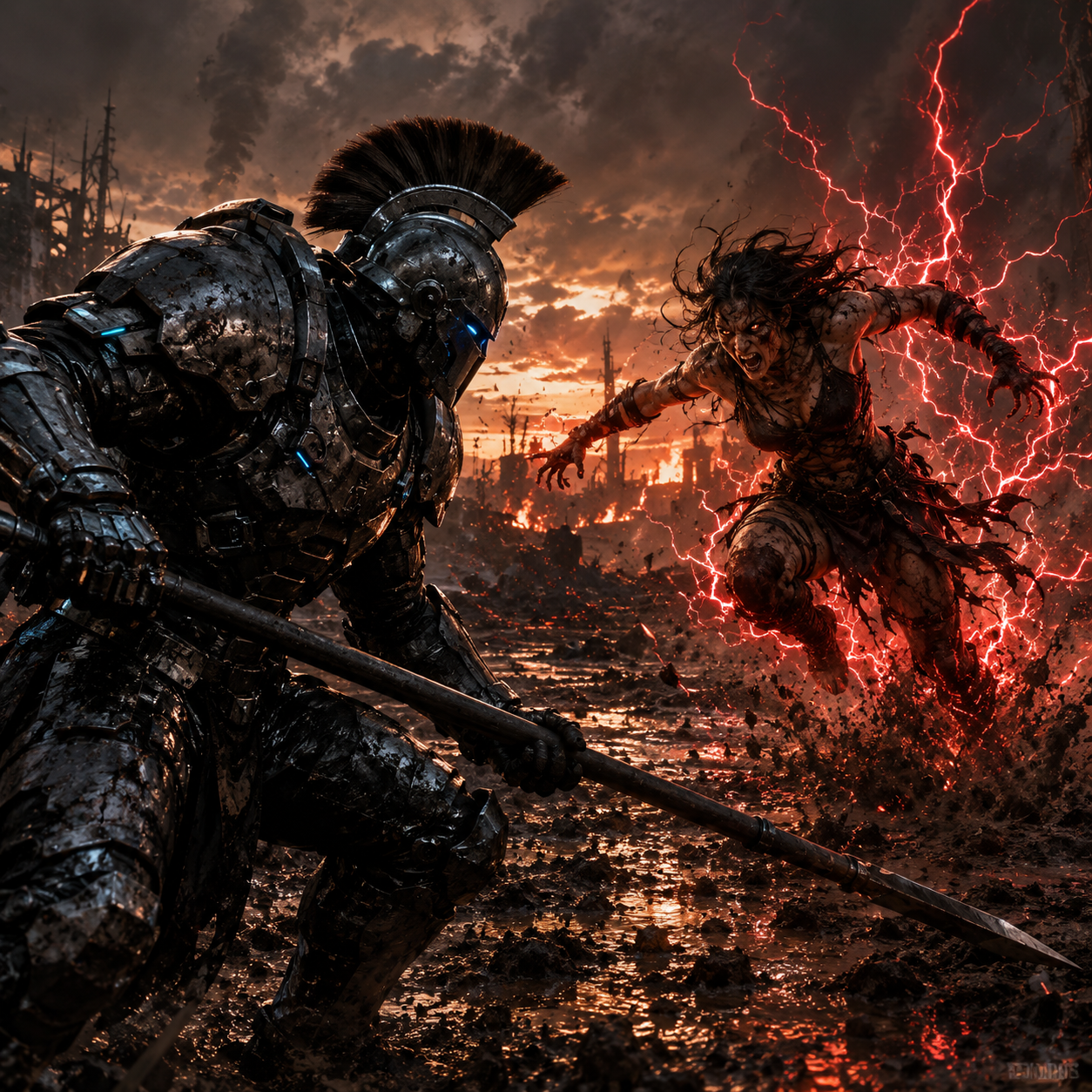
The State of AI Video Synthesis in 2025
AI video synthesis has evolved from a curiosity to a production-ready technology. Understanding the landscape helps you pick the right tool for your workflow.
How AI Video Synthesis Works
Diffusion Models
Most modern systems use diffusion-based architectures. They start with random noise and iteratively refine it into coherent video frames, guided by your text description.
Key Technical Challenges
- Temporal Consistency: frames must flow naturally without flickering
- Object Permanence: objects shouldn't morph or disappear between frames
- Motion Physics: movement should respect gravity, inertia, and real-world dynamics
Comparing Major Approaches
Cloud-Based Generators
Pros: no hardware requirements, always updated. Cons: generation queues, subscription costs. Try AI video generator for instant cloud-based generation.
Specialized Models
Different models excel at different tasks. Seedance 2.0 produces buttery-smooth animations. For photorealistic outputs, specialized photo models work best.
Multi-Modal Pipelines
Combine text-to-video with image-to-video for maximum control. Start with text, refine with reference images.
What to Look For
- Resolution: 1080p minimum, 4K for professional work
- Frame rate: 24-30 fps for natural motion
- Generation speed: under 2 minutes for short clips
- Style control: ability to specify visual aesthetics precisely
The Bottom Line
AI video synthesis is no longer experimental — it's production-ready. The key is matching the tool to your specific use case rather than chasing the "best" overall tool.
Stay updated via the Domer blog.
