
If you've generated more than a few AI videos, you've seen it happen: the character in scene one looks slightly different in scene two, and by scene five they barely resemble themselves. This is character drift, and it's the biggest reason AI short films feel disjointed. The good news is that a few practical techniques can keep your characters consistent, even when you switch models or styles mid-project.
Why characters drift
AI models generate each frame from prompts and random noise. A text description is only a suggestion, so every generation has a chance to reinterpret the character. When you change scenes, lighting, or models, the drift gets worse. The solution is to stop relying on text alone and give the model a visual anchor.
The reference-image method
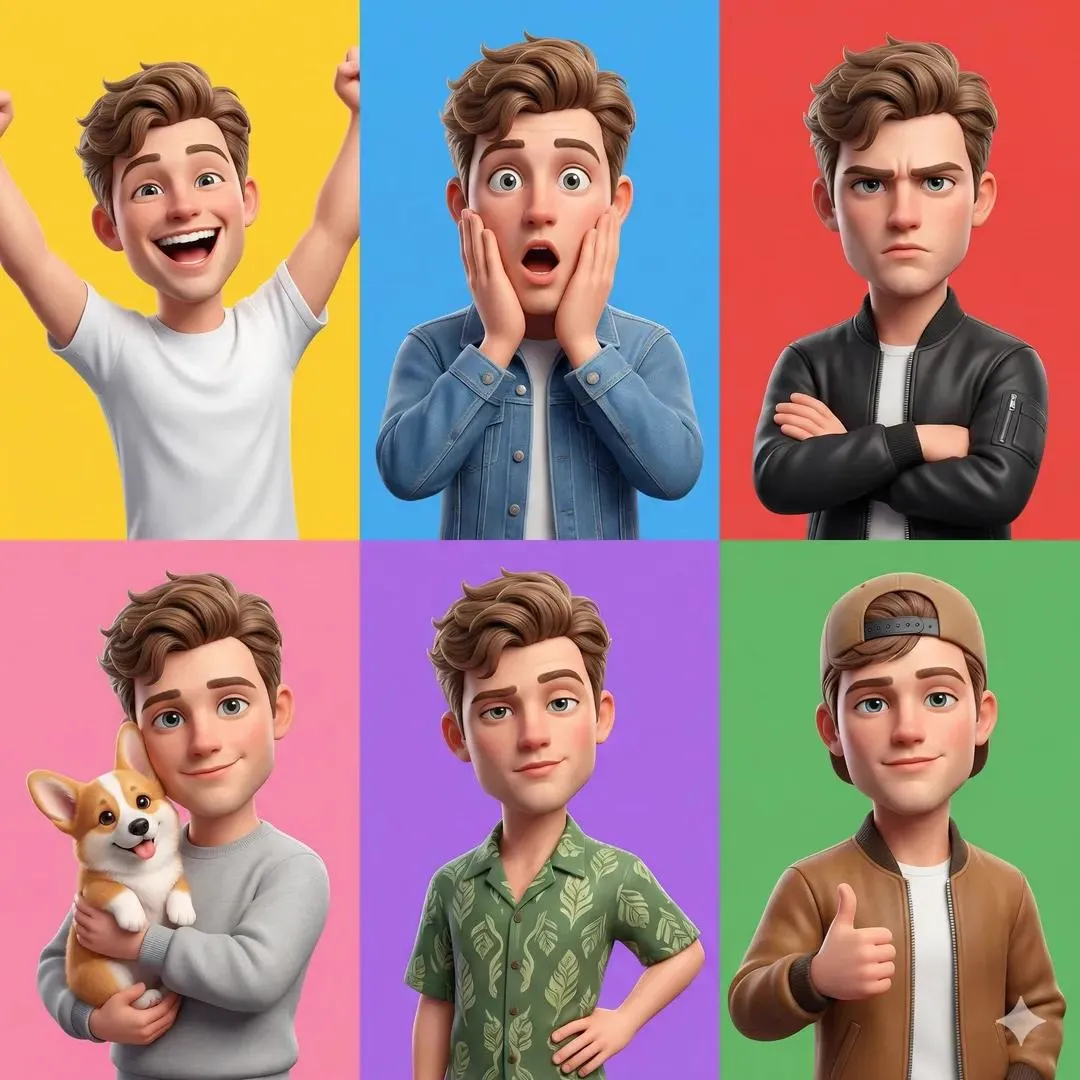
Instead of describing your character every time, build a set of reference images: front view, side view, different expressions, different lighting. Use the same set across every scene. This fixes the character's core identity — face, hair, clothing — and lets the model focus on generating the new action or environment.
You can create these reference images with an AI image generator. Generate several variations, keep the best ones, and use them consistently throughout the project.
From reference to motion
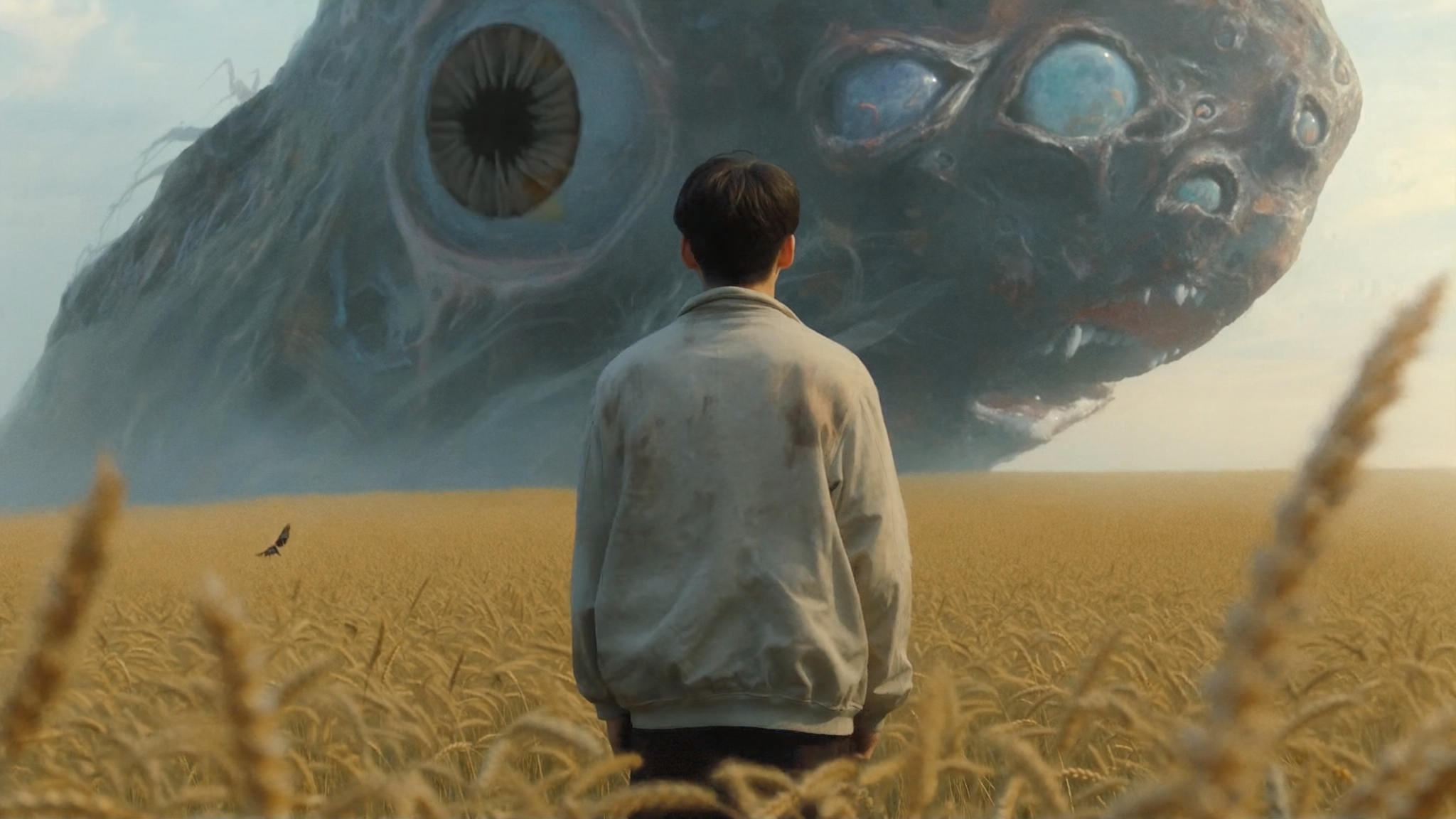
Once your references are locked in, the next step is motion. Take the main reference image and bring it to life with an image-to-video tool. The movement starts from a visual you've already validated, so the result is far more stable than generating from text.
For scenes that begin as scripts, start with a text-to-video generator to rough out the action, then rework the character using your reference set.
Set up a character sheet
Professional illustrators use character sheets; AI filmmakers should too. A good character sheet includes:
- Front, profile, and three-quarter views
- Variations of expression (neutral, happy, intense)
- At least two lighting setups (bright, moody)
- Close-up and full-body versions
Keep this sheet in one folder and use it as the visual source of truth for every scene.
When to regenerate vs. edit
If a scene comes out with a slightly wrong face, don't always start over. Sometimes small edits — adjusting lighting, swapping a detail — are faster than regenerating. Reserve full regenerations for scenes that are fundamentally broken. This saves time and keeps your visual direction stable.
Workflow that works
- Design the character and generate a reference sheet
- Write the scene list with the character sheet beside you
- Generate key scenes from the best reference images
- Review each scene for consistency before moving on
- Correct problem scenes by regenerating with the same references
- Assemble the final cut and add sound
Common mistakes
- Describing the character in text for every scene instead of reusing images
- Changing reference sets mid-project
- Ignoring lighting differences between scenes
- Skipping review and only noticing drift at the final cut
Summary
Consistent characters are what separate a collection of AI clips from an actual short film. Build a strong reference sheet, use it in every scene, and review as you go. The extra minutes spent on references save hours of rework — and make your film feel intentional.
