
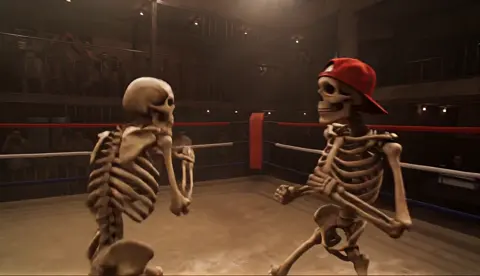
The Definitive Guide to Prompt Engineering for AI Video Generation
Aug 4, 2026
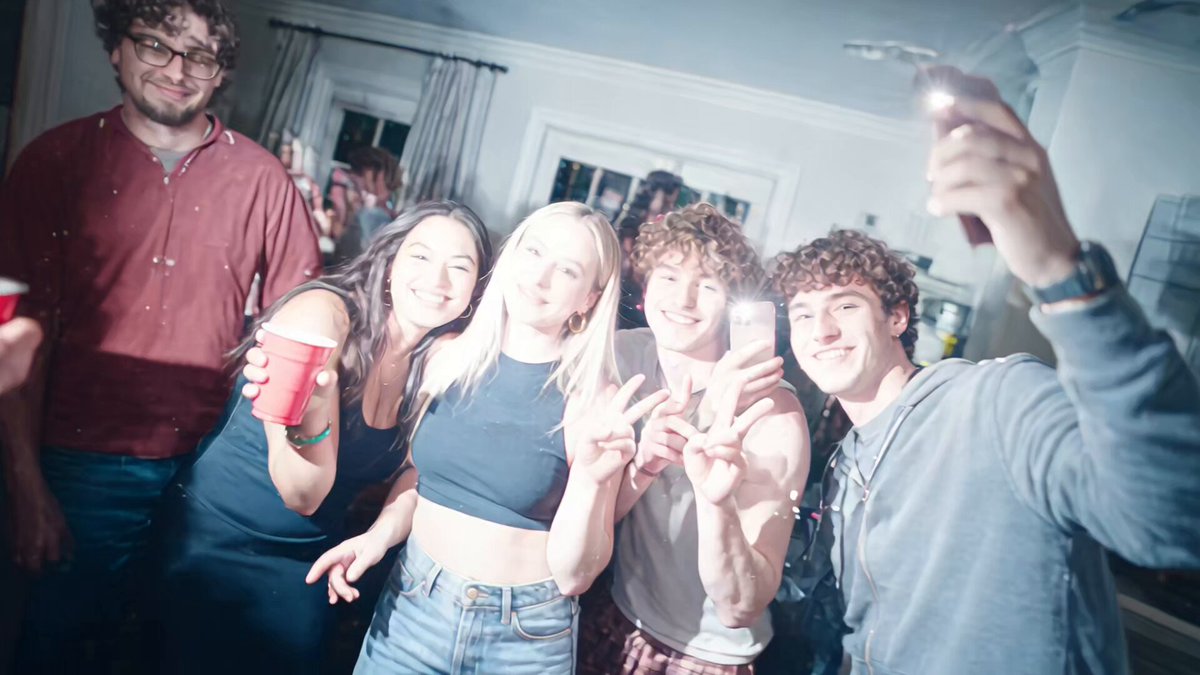
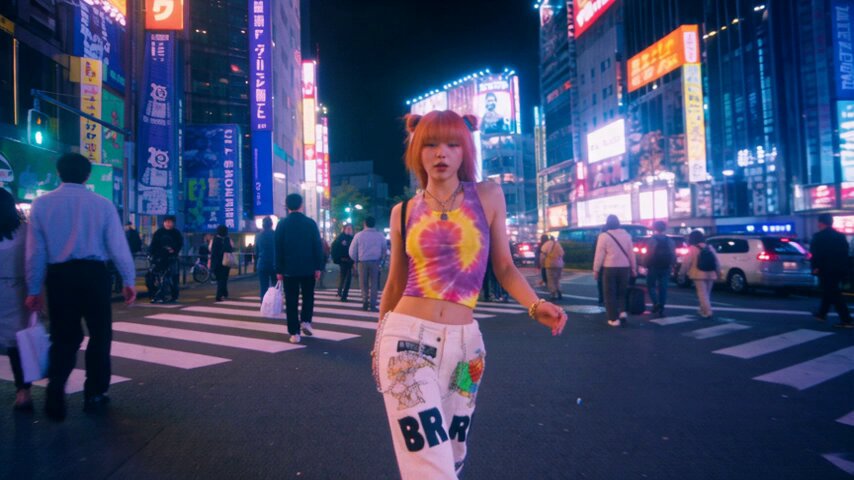
Why Prompt Engineering Defines Your Video Quality
In 2025, the difference between amateur and professional AI-generated video comes down to one skill: prompt engineering. The AI model is your camera — but your prompt is the director's vision, the cinematographer's eye, and the script supervisor's attention to detail rolled into one.
AI video generator tools give you access to cutting-edge generation capabilities. But to unlock their full potential, you need to speak their language.
The Anatomy of a Pro-Level Prompt
A great prompt has four layers:
- Subject & Action: Not "a person walking" but "a middle-aged photojournalist in a worn leather jacket strides across rain-slicked cobblestones at dusk, kicking up spray with each step."
- Cinematic Specifications: Camera terms like "shot on 35mm, f/1.8 aperture, shallow depth of field" aren't decorative — they instruct the model on optical behavior.
- Lighting & Atmosphere: "Rim lighting from a streetlamp, volumetric fog, golden hour warmth." Light makes or breaks photorealism.
- Motion & Pacing: "Slow dolly forward over 4 seconds, subject remains centered." This controls the temporal dimension.
Model-Specific Prompting Strategies
Different models excel at different things. When using text-to-video, front-load your prompt with the most important visual details since these models process prompts sequentially.
For image-to-video, the prompt should describe the desired motion relative to the source image: "Camera orbits slowly around the subject while the fabric of her dress billows gently in wind."
Seedance 2.0 responds particularly well to motion-specific instructions — it handles complex camera moves and natural physics with remarkable fidelity.
Maintaining Character Consistency
The biggest challenge in AI video is identity drift — characters subtly changing appearance between shots. Combat this by:
- Using consistent, detailed character descriptions in every prompt
- Describing the character's current state relative to previous shots: "Same character as before, now with an expression of concern"
- Referencing persistent environmental details: "The chipped blue paint on the wall remains visible"
The Rule of Specificity
Vague prompts produce generic results. Every adjective, every camera direction, every lighting choice nudges the output toward your vision. Invest time in your prompts — it's the highest-ROI activity in AI video creation.
GPT Image 2 is also great for generating reference frames to anchor your video prompts. Use it to establish the visual style before diving into motion generation.

Alexander
More Blogs
Read MoreMontaggio video rapido: transizioni e software per l'AI
Guida pratica al montaggio video rapido con AI: transizioni fluide, software, workflow, coerenza visiva, errori da evitare e FAQ operative.
Building an AI Video Production Workflow From Concept to Cut
A practical guide to planning, generating, editing, and finishing AI-assisted videos with consistent characters, clear shot lists, and reliable review loops.
A Repeatable Post-Production Workflow for Polished AI Video
Build a repeatable AI video post-production pipeline: organize assets, cut story-first, design transitions, refine audio, and review versions calmly.