
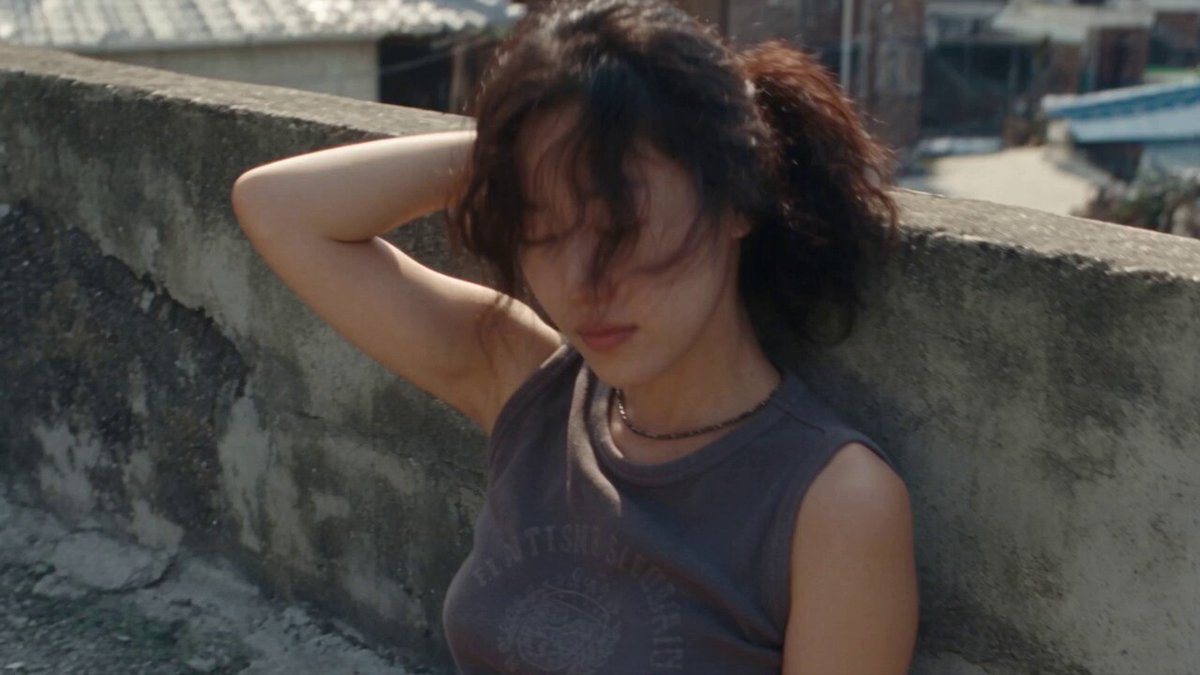
The journey from a simple text prompt to a polished, scroll-stopping video has become the defining creative workflow of 2025. Advanced AI video generation has moved beyond novelty and is now an essential layer in the creator economy, powering everything from meme-driven clips to cinematic brand narratives. The pace of iteration matters more than ever: what used to take a full production team and weeks of editing can now be executed in minutes with the right combination of models and directorial intent.
Market projections suggest the generative AI video sector will surpass $15 billion by the end of the year, driven by demand for high-velocity short-form content. But raw speed alone isn't enough. Viral success increasingly depends on visual coherence, emotional continuity, and the ability to switch aesthetic styles without losing narrative thread. That's where multi-model orchestration and smart prompt-to-picture workflows become critical.
Why the Prompt-to-Picture Workflow Matters in 2025
In previous cycles, a single AI model was expected to handle every task: generating a base image, animating it, adding motion control, and maintaining character identity. But the creative demands of viral content have outpaced that approach. No single architecture is best at everything. Some models excel at photorealism, others at stylized animation, and still others at high-speed iteration or complex spatial reasoning. The winning strategy in 2025 is to combine specialized models into a single pipeline, choosing the best tool for each shot or scene.
This shift is especially important for creators targeting organic reach. Content that leverages multi-model fusion—where continuity is maintained across emotional beats and scene changes—is seeing significantly higher share rates than single-model outputs. The reason is simple: viewers can tell when a video feels cohesive, and they disengage when character faces warp or lighting drifts between cuts.
Platforms that aggregate many generative architectures under one roof make this strategy practical. Instead of juggling multiple subscriptions and API keys, creators can switch between a photorealistic image model and a high-motion video generator in the same workflow. That kind of flexibility is what separates a one-off experiment from a repeatable viral content engine.
Mastering Model Diversity: The Engine of Viral Aesthetics
A common misconception is that a great prompt alone guarantees a great video. In reality, the choice of underlying model dictates the aesthetic ceiling, motion fidelity, and even the emotional tone of the output. A prompt that produces a stunning cinematic wide shot in one model might generate a flat, lifeless frame in another. Understanding model strengths is half the battle.
State-of-the-Art Architectures to Know
Modern generative models are highly specialized. For example, image-first models like the nano banana 2 series are prized for their prompt understanding and consistency, making them ideal for establishing the visual foundation of a video. From there, creators can feed those images into video generators that add motion, camera movement, and temporal coherence.
On the video generation side, models such as the Kling 3.0 and Seedance 2.0 represent the frontier of dynamic scene creation. They handle complex actions, physics, and multi-shot consistency far better than earlier generations. For creators tackling long-form narratives, these models reduce the infamous character drift problem that once made AI storytelling feel disjointed.
Even the image-to-video path now offers granular control. You can start with a photograph, an AI-generated illustration, or a frame from a previous render, then animate it with specific motion parameters. This approach gives creators the ability to maintain visual identity across an entire sequence while still letting each scene feel alive.
The Role of Directorial Intelligence
Having access to many models isn't enough. You also need a decision-making layer that knows which model to call for each moment in the story. This is where directorial intelligence comes in—either through built-in platform logic or through deliberate prompt engineering on the creator's part.
Think of yourself as the director: you're choosing the establishing shot, the close-up, the action beat, and the emotional payoff. Each of those shots may require a different model setting. A high-speed action scene might need a model with strong motion fidelity, while a quiet character moment might benefit from a more painterly image model. The prompt-to-picture workflow becomes a curation process, not just a one-click generation.
Building a Practical Viral Workflow
So what does an effective prompt-to-picture pipeline look like in practice? It starts with a clear narrative goal. Write down the emotional arc of your video, the visual style you want, and the key moments that must land. That script becomes your roadmap for selecting models and crafting prompts.
Step 1: Lock Your Visual Identity
Generate a reference image that captures the look, lighting, and character design for your video. Use a powerful AI image generator to create multiple variations, then pick the one that best represents your vision. This step is critical because it anchors consistency for all subsequent video generation. If your protagonist is a robot with a glowing visor, make sure that visor looks identical in every prompt you write later.
Step 2: Animate with Purpose
Feed that reference image into a video generation tool like the ones available through Domer's AI video generator. Write prompts that specify not just what happens, but how the camera behaves. Use terms like "slow push-in," "handheld tracking shot," or "crane up" to give the generator clear directorial direction. Adding motion keywords and negative prompts to avoid distracting changes will save you from endless regeneration loops.
Step 3: Iterate and Mix
Don't generate a single take and publish it. Viral creators treat AI generation as a collaborative loop. Generate multiple takes, cherry-pick the strongest moments, and blend them. You might use one model for the opening hook, another for the main sequence, and a third for the closing punch. That kind of flexibility is only feasible on a platform that gives you access to a wide range of architectures without forcing you to export and re-import assets constantly.
Consistency Is the Secret Sauce
Character consistency has historically been the biggest barrier to AI-generated storytelling. When a character's face changes between cuts, viewers lose trust in the video, and the content starts to feel like a glitchy tech demo rather than a crafted narrative. Fortunately, recent advances in multi-image fusion and reference-based generation have solved much of this problem.
Models like GPT Image 2 are particularly strong at maintaining identity across prompts, which makes them a great starting point for character-driven content. By generating a consistent character sheet first and then referencing it in your video prompts, you can achieve a level of continuity that was previously impossible with AI. The result is content that feels intentional—and that intentionality is exactly what sparks shares and saves.
The Future Is Multi-Model
As the AI video landscape evolves, we're moving away from the idea of a single omnipotent model. Instead, the future belongs to flexible pipelines that combine the best of image generation, video synthesis, and directorial control. Creators who learn to navigate this ecosystem early will have a massive advantage in producing content that stands out in crowded feeds.
The tools are already here. Whether you're a hobbyist making your first AI video or a brand scaling up social content through a text-to-video workflow, the key is to start thinking like a director rather than simply a prompt writer. Choose your models deliberately, anchor your visuals, and iterate with purpose.
From prompt to picture, the creative ceiling is now defined not by production budget but by imagination. Master the workflow, and you'll be well on your way to creating content that doesn't just look good—it resonates, gets shared, and goes viral.
