
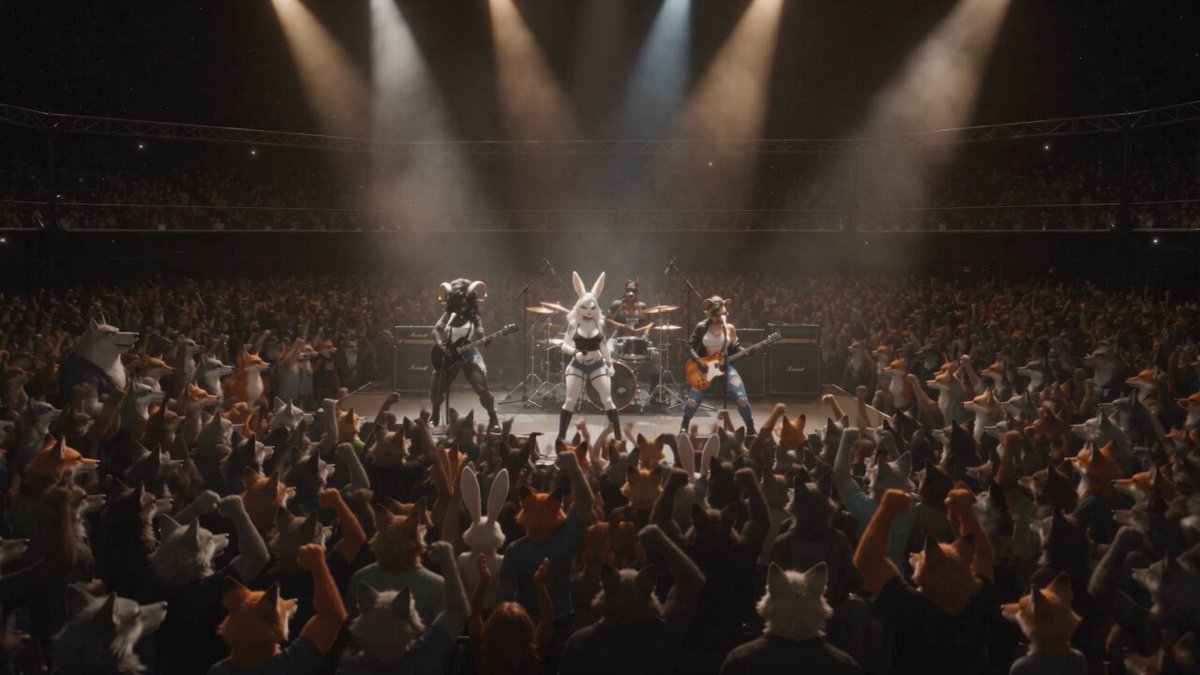
AI Video Benchmarks 2025: How AI Models Compare for Filmmaking
Aug 4, 2026
The Need for Objective AI Video Benchmarks
With dozens of AI video generators claiming to be "the best," filmmakers need objective data to make informed decisions. Marketing claims are one thing — actual performance under real production conditions is another.
This article provides a framework for benchmarking AI video models based on criteria that matter for actual filmmaking.
Benchmark Criteria That Matter
1. Character Consistency (Score: 1-10)
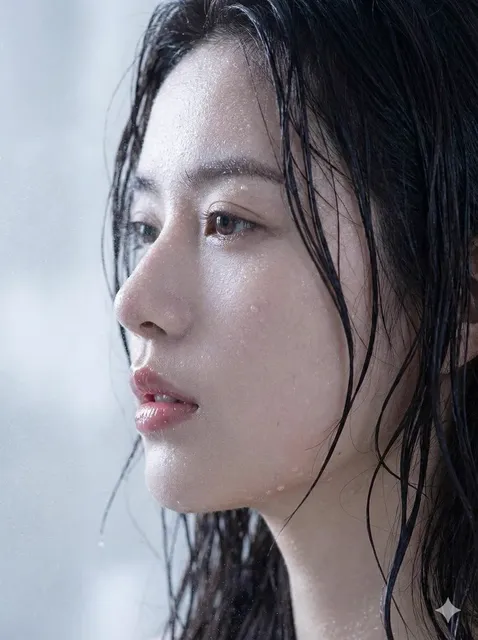
The single most important metric for narrative filmmaking. Does the same character look identical across multiple shots with different prompts? Test: Generate the same character in 5 different scenes and measure visual similarity.
2. Motion Quality (Score: 1-10)
How natural is the movement? No jitter, no morphing artifacts, no physics-defying behavior. Test: Generate a person walking, an object falling, and a camera pan.
3. Prompt Adherence (Score: 1-10)
How accurately does the output match the prompt? If you specify "red dress, golden hour lighting, 50mm lens," does the model deliver all three?
4. Resolution and Detail (Score: 1-10)
Measurable output quality. 1080p minimum for professional work, with 4K becoming the standard.
5. Generation Speed (Seconds per second of video)
Production velocity matters. How long does it take to generate 10 seconds of usable footage?
6. Creative Control (Score: 1-10)
Can you specify camera movements, lighting directions, character expressions, and scene composition?
The Benchmarking Process
Step 1: Define Test Scenarios
Create 3 standardized test prompts:
- Test A: Portrait shot, single character, simple background
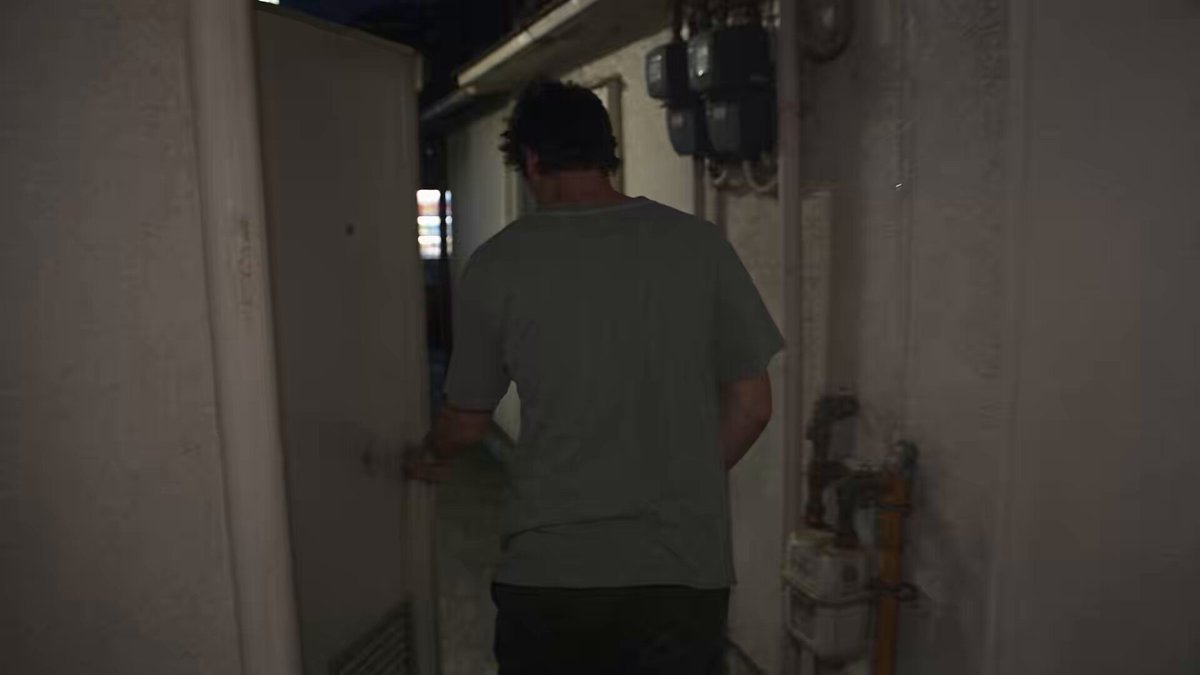
- Test B: Action scene, two characters interacting, complex movement
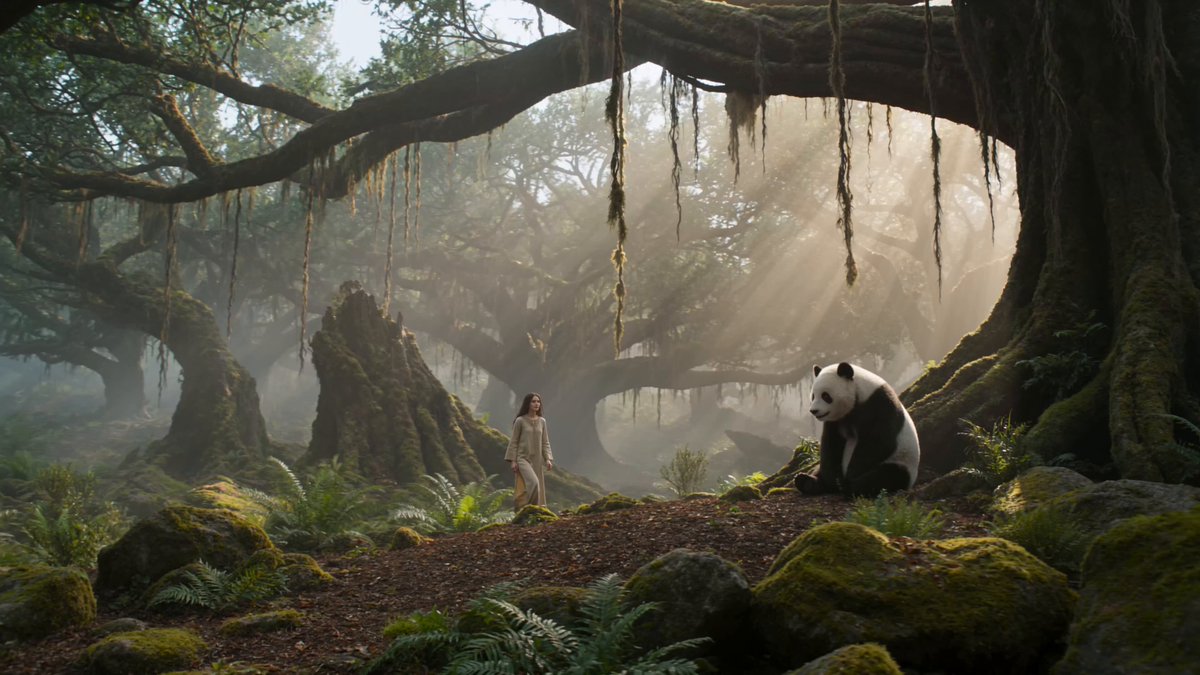
- Test C: Landscape/establishing shot, camera movement
Step 2: Run Each Model
Generate each test 3 times per model. Score objectively — don't cherry-pick the best result.
Step 3: Rate and Compare
Score each criterion 1-10. Average the results. Create a comparison matrix.
Where to Start Testing
Entry-Level Models
Start testing with accessible tools to understand the baseline. Domer's AI Video Generator is an excellent starting point for benchmarking entry-to-mid-tier performance.
Image Quality Testing
Before testing video, test image generation quality with Domer's AI Image Generator. Image quality often predicts video quality.
Premium Tier
For the highest quality benchmarks, test GPT Image 2 and Seedance 2.0.
Interpreting Results
Don't Fixate on a Single Metric
A model might have perfect character consistency but poor motion quality. Your use case determines which tradeoffs are acceptable.
Consider Your Pipeline
- Social media content: Prioritize speed and cost
- Narrative filmmaking: Prioritize consistency and control
- Advertising: Prioritize resolution and detail
- Prototyping: Prioritize speed and prompt adherence
Current State of the Art (2025)
- Resolution: 1080p is table stakes, 4K is becoming common
- Consistency: Improved dramatically — 5-shot character consistency is achievable
- Speed: 10-second clips in under 60 seconds for mid-tier models
- Control: Camera movement specification is becoming standard
Limitations to Watch For
- Long-form coherence (>30 seconds) remains challenging
- Complex physics interactions (water, cloth, hair) still show artifacts
- Lip sync with generated speech is nascent
- Consistent lighting across shots needs attention
Building Your Own Benchmark
- Define your specific use case
- Create a standardized test prompt library
- Test each new model as it launches
- Maintain a spreadsheet of results
- Re-test models quarterly (they improve fast)
The AI video landscape evolves weekly. Your benchmark process should too.

Alexander
More Blogs
Read MoreVidu Q4 Alternatives: 4K AI Video Models Compared (2026)
Vidu Q4 alternatives compared: Kling 4.0, Seedance 2.5, Wan 3.0, and Runway Gen-4 — 4K support, input modes, durations, audio, and what each costs in credits on Domer.
Top 4K AI Image Generators in 2026: 5 Models Compared on Real Costs
The top 4K AI image generators on Domer compared: Flux 3 Klein, Nano Banana 2.1, GPT Image 2.5, GPT Image 2, and Nano Banana Pro — 4K credit costs, reference limits, and speed.
Nano Banana 2.1 vs GPT Image 2.5: Which Image Model Should You Use? (2026)
Nano Banana 2.1 vs GPT Image 2.5 Flare compared: credit costs per resolution, aspect ratios, reference images, text rendering, and which tasks fit each model.