
Introduction
The generative video landscape has matured significantly. The question is no longer "Can AI make video?" but "Can AI make production-ready, brand-compliant video?" In 2026, professionals are moving beyond single-model solutions toward curated model libraries that prioritize controllability and fidelity for specific project needs.
This guide explores how to leverage multiple specialized AI models for professional video production, from maintaining visual continuity to intelligent automation of directorial intent.
Before diving in, explore Domer's video generation tools to see what professional-grade AI video looks like in practice.
The Multi-Model Strategy
Why One Model Isn't Enough
Different projects demand different capabilities:
- Photorealism: Some models excel at lifelike textures and lighting
- Stylized output: Others specialize in artistic or animated aesthetics
- Character consistency: Certain models maintain identity across shots better than others
- Motion control: Advanced models offer precise camera movement and physics simulation
A professional workflow requires access to multiple specialized engines, each deployed for its strengths.
Building Your Model Toolkit
The key is strategic selection:
- Identify your project's primary need (realism, speed, consistency)
- Select the best model for that specific requirement
- Use secondary models for supporting shots or cost optimization
- Integrate everything into a cohesive workflow
Character Consistency: The Professional Standard
The Multi-Image Fusion Approach
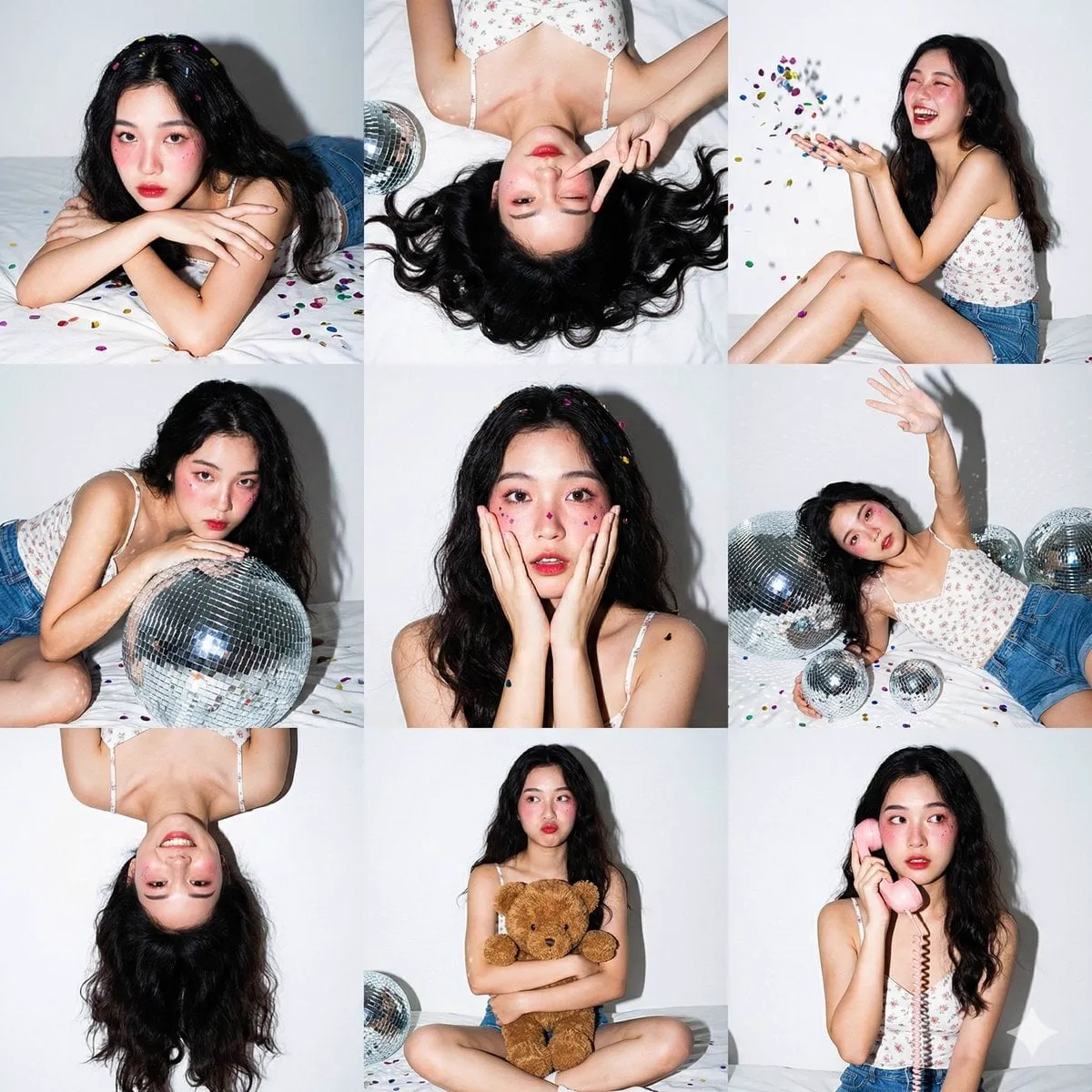
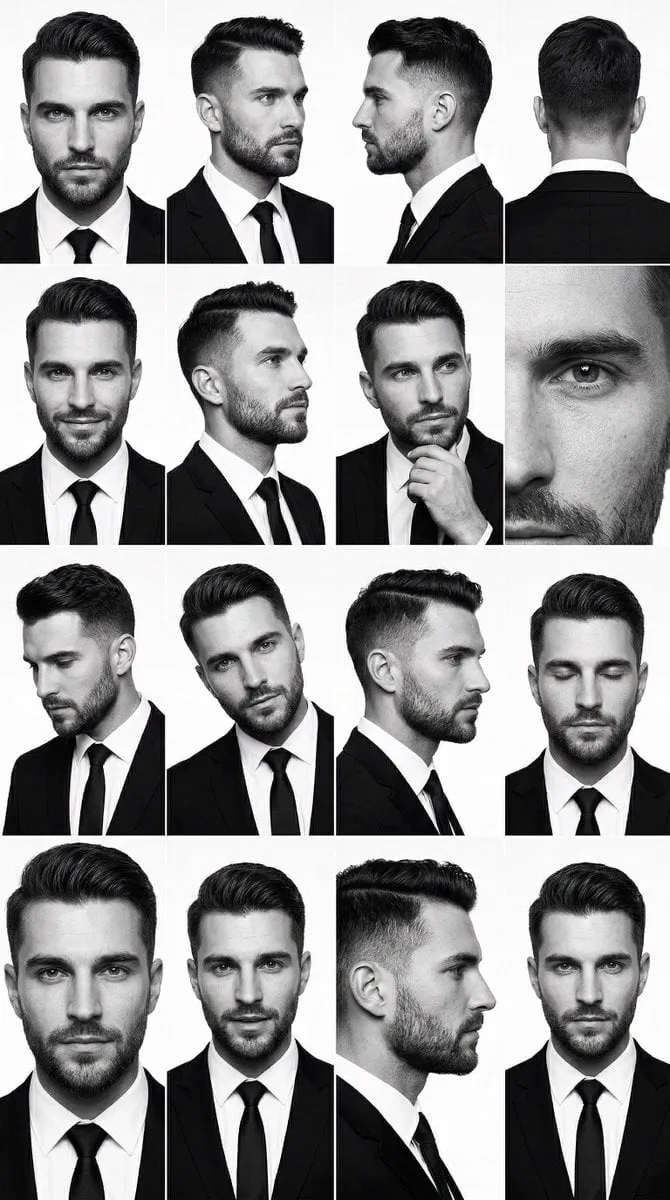
Character drift — where a character's appearance changes between shots — has been the Achilles' heel of AI video. Modern solutions use multi-image reference technology:
- Upload 3-5 keyframe images of your character
- The system anchors visual identity across all generations
- Switch between different AI engines while maintaining the same character
This is what separates amateur experiments from professional productions.
Workflow Integration
Advanced models like Seedance 2.0 offer built-in consistency features that make professional workflows practical:
- Define character profiles once
- Reuse across projects
- Maintain brand identity consistently
Intelligent Direction and Automation
Beyond Manual Prompting
The next frontier is AI-assisted direction. Instead of manually tweaking every parameter, intelligent agents can:
- Analyze your script and suggest optimal camera angles
- Recommend scene compositions based on cinematic principles
- Automate pacing and transitions for maximum impact
Batch Production at Scale
For enterprise needs, batch processing capabilities are essential:
- Generate hundreds of variations simultaneously
- A/B test different creative approaches
- Optimize resource allocation across projects
Domer's image generation platform complements video workflows for thumbnail and promotional material creation.
Practical Implementation
Getting Started
- Start with a small test project to understand model capabilities
- Define clear quality benchmarks for your output
- Build a library of successful prompt templates
- Gradually scale to more complex productions
Common Pitfalls
- Using the most expensive model for every task
- Neglecting to define character blueprints upfront
- Skipping the review and iteration phase
Conclusion
Professional AI video production in 2026 is about strategic multi-model deployment, not chasing the latest single-model demo. The creators who succeed are those who build systematic workflows around consistency, controllability, and cost efficiency.
Start building your toolkit today with Domer's comprehensive AI platform.
