
Create
How to Create Viral Shorts: The Ultimate PC & Mobile Guide 2025
Aug 4, 2026
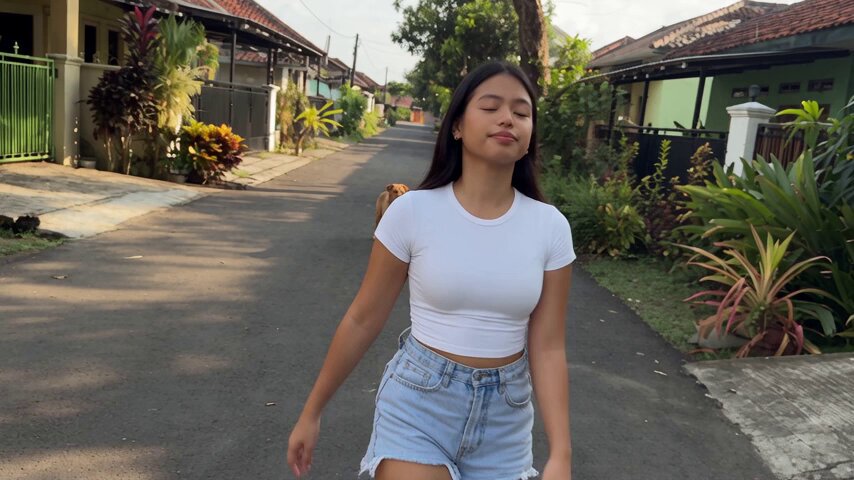
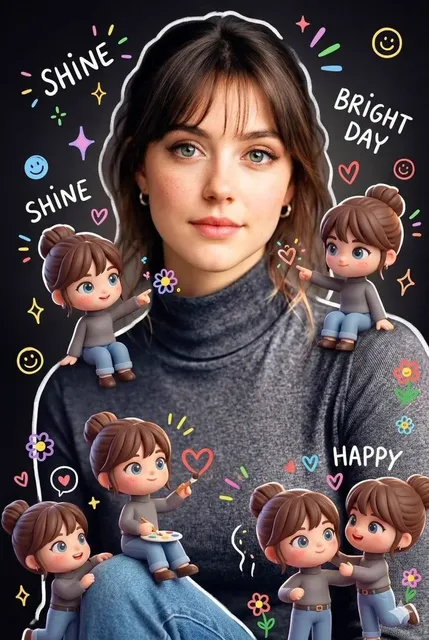

The Short-Form Revolution Has Matured
Short-form video isn't a trend anymore — it's the dominant content format globally. In 2025, TikTok, Instagram Reels, and YouTube Shorts command billions of daily views. The difference between creators who go viral and those who don't? Preparation, precision, and production quality.
This guide covers how to create engaging shorts on both PC and mobile, leveraging AI tools to produce cinematic-quality content at speed.
The First 3 Seconds: Your Only Chance
Viewer attention is won or lost in the opening seconds. Studies show that content achieving viral velocity typically has an initial engagement rate above 15% in the first hour. Here's what works:
- Visual novelty: Something unexpected that makes the viewer pause
- Auditory disruption: A sharp sound transition or trending audio clip
- Text hook: A bold, provocative question that the rest of the short answers
On Domer's AI Video Generator, you can create high-impact opening shots with precise control over movement and composition. The key is eliminating cognitive friction — make the decision to keep watching effortless.
PC vs. Mobile: When to Use What
PC workflows excel for:
- Multi-track editing with precise timing
- Complex AI model orchestration
- High-fidelity rendering and color grading
- Batch content creation
Mobile workflows shine for:
- Real-time trend-jacking
- Quick iterations and testing
- On-the-go content capture
- Platform-native editing features
The winning strategy is hybrid: plan and produce on PC, stay responsive on mobile.
Sound Design: Your Secret Weapon
Viral hooks often rely on audio as the primary attention grabber. A sudden change in sound — a dramatic swell, a trending clip, a sharp transition — timed perfectly with the visual peak can stop a scroll in its tracks.
Don't rely on ambient audio. Use Domer's text-to-video tool to generate visuals that sync precisely with your chosen soundtrack.
Text Overlays That Convert
With 80% of viewers watching without sound initially, on-screen text is essential:
- Bold, readable fonts with high contrast
- Minimal text placement — avoid obscuring visuals
- Timed precisely with the spoken word
- One message per text overlay
The Relatability Factor
In 2025, audiences crave authenticity amplified by production value. The most shareable content mirrors real experiences, frustrations, or moments of joy. Use Domer's AI Image Generator to create authentic-feeling scene setups that resonate emotionally.
Platform-Agnostic Principles
While algorithms shift, the psychology of sharing stays constant:
- Emotional resonance: People share what makes them feel something
- Information density: Pack value into every frame
- Clear payoff: The ending must justify the watch
- Shareability: Would YOU send this to a friend?
Building a Sustainable Viral Pipeline
Going viral once is luck. Going viral consistently is a system. Build a content calendar around 3-5 core content pillars, produce in batches, and use AI to maintain consistency across your visual identity. GPT Image 2 on Domer can help maintain character and style consistency across dozens of shorts.

Alexander
More Blogs
Read MoreVidu Q4 Alternatives: 4K AI Video Models Compared (2026)
Vidu Q4 alternatives compared: Kling 4.0, Seedance 2.5, Wan 3.0, and Runway Gen-4 — 4K support, input modes, durations, audio, and what each costs in credits on Domer.
Top 4K AI Image Generators in 2026: 5 Models Compared on Real Costs
The top 4K AI image generators on Domer compared: Flux 3 Klein, Nano Banana 2.1, GPT Image 2.5, GPT Image 2, and Nano Banana Pro — 4K credit costs, reference limits, and speed.
Nano Banana 2.1 vs GPT Image 2.5: Which Image Model Should You Use? (2026)
Nano Banana 2.1 vs GPT Image 2.5 Flare compared: credit costs per resolution, aspect ratios, reference images, text rendering, and which tasks fit each model.