
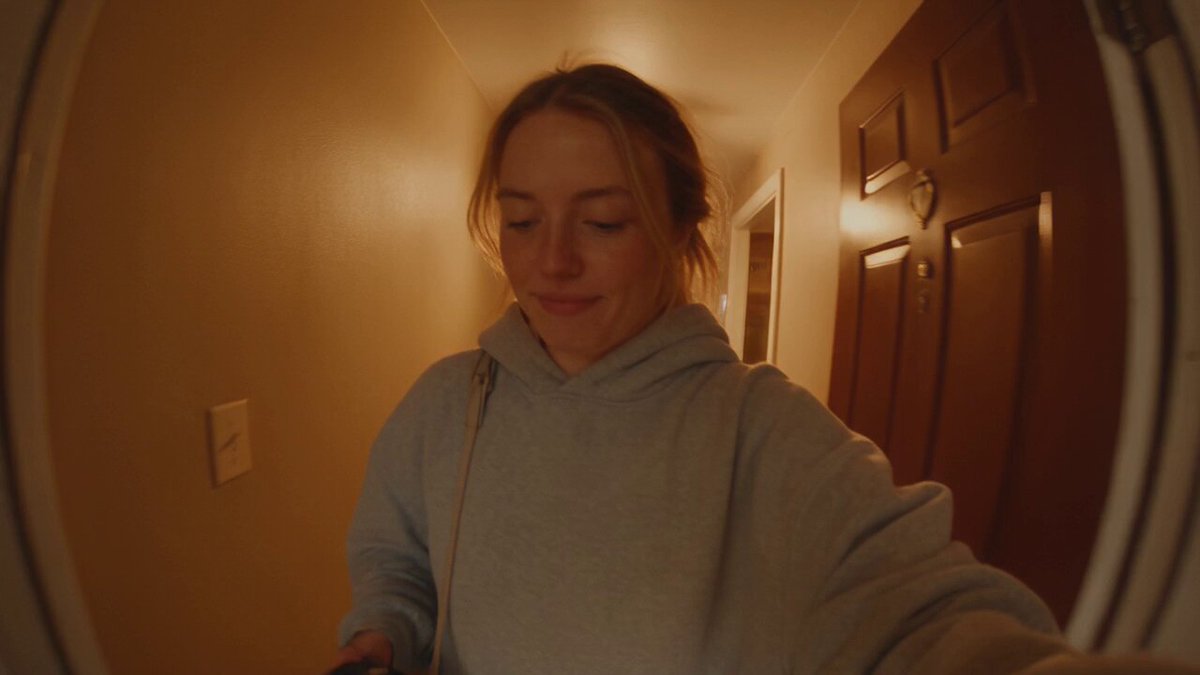
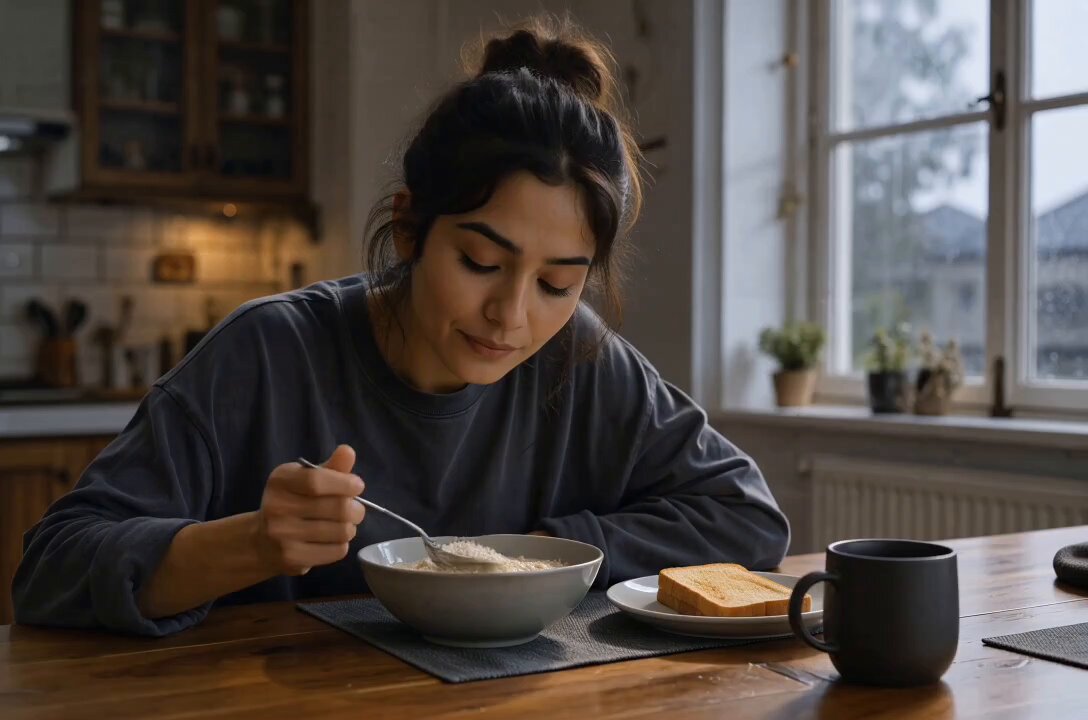

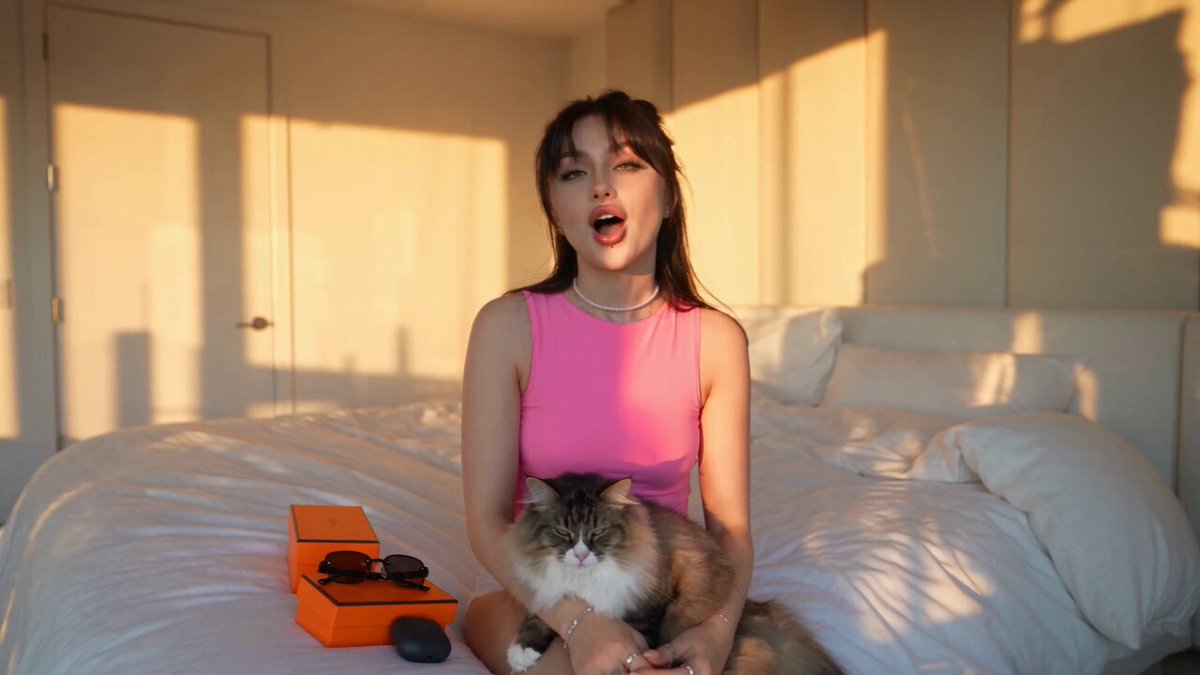
The journey from a written idea to a finished video used to require storyboards, casting, location scouting, lighting setups, and days of editing. Today, the same journey can begin with a single sentence and end with a cinematic clip in minutes. This shift is more than a convenience: it is redefining who gets to call themselves a filmmaker. With advanced AI video generation, the bottleneck is no longer technical execution but creative imagination.
The New Creative Pipeline
Traditional pre-production is built around reducing risk. You plan every shot because every hour on set costs money. Generative AI inverts that logic. The cost of iteration drops so dramatically that you can afford to explore wild variations, failed experiments, and unexpected detours. A prompt like "a neon-lit street after rain, seen through a drone shot" can be rendered, reviewed, and refined before a human crew would have finished unloading equipment.
This is not just faster iteration. It changes the kind of stories that get told. Independent creators can now produce visuals that once required a studio budget. Marketing teams can test multiple brand narratives in a single afternoon. Educators can turn abstract concepts into vivid illustrations. The phrase "from concept to clip" captures this new reality: the distance between an idea and its visual form has collapsed.
Why the Model Library Matters
No single AI model excels at everything. One model might produce stunning photorealism but struggle with fast motion. Another might handle character consistency beautifully but lack cinematic lighting. A third could excel at stylized animation but feel flat for live-action looks. Building a serious video workflow means having access to many models and knowing when to use each one.
Modern platforms treat model diversity as a core architectural feature instead of an afterthought. Instead of forcing every prompt through one algorithm, they let you select specialized engines for different stages of production. For example, an AI image generator can create concept frames and reference images, while a dedicated video model brings those frames to life. This modular approach mirrors traditional film pipelines, where concept artists, cinematographers, and VFX teams each use specialized tools.
Flexible Model Routing
One of the most useful developments in AI video tools is the ability to route tasks to the right model automatically. A fast-moving action sequence benefits from a model trained on high-adherence motion. A quiet dialogue scene might need subtler facial expressions and physics. A dream sequence could call for a more experimental, painterly model. When the platform handles this routing behind the scenes, the creator stays focused on the story.
Newer models like GPT Image 2 push the boundary of what can be generated from a description, producing rich, detail-dense visuals that feel less algorithmic and more art-directed. Similarly, Seedance 2.0 brings impressive temporal coherence to long-form generations, keeping motion smooth and consistent across multiple cuts. These models are not just incremental upgrades; they are expanding the range of what a single prompt can convey.
Solving the Consistency Problem
Early text-to-video tools had a notorious weakness: the same character might change appearance between shots. A protagonist could start with brown hair and suddenly have blonde hair in the next scene. This "consistency drift" made it impossible to tell coherent stories. Filmmakers need the same face, wardrobe, and lighting to carry through an entire sequence.
The current generation of AI video systems addresses this by using multi-pass workflows. A base model generates keyframes, another refines character identity, and a third ensures smooth motion between frames. Some platforms also let you upload reference images to lock in a character or location. This is where a unified pipeline becomes far more powerful than a collection of standalone tools. Instead of exporting, re-importing, and manually matching assets across different apps, you can keep everything in one coherent environment.
Consistency is also about style. If you are creating an animated short with a hand-painted look, you do not want the third scene to suddenly look like a live-action documentary. Model orchestration helps maintain a unified aesthetic by using the same style-reference parameters throughout the generation process. The result is a clip that feels like it came from one director's vision, not a random sampling of internet videos.
A Practical Workflow for Prompt-to-Video
A reliable prompt-to-video workflow starts before you write the prompt. First, define the core idea in a single sentence. What is happening? Who is in the scene? What is the mood? Next, think in shots. Even a short film is a sequence of distinct visual moments. A prompt like "a lone astronaut walking through an abandoned space station, flashlight cutting through dust" gives the model far more to work with than "space station."
Once you have generated a rough clip, iterate. Change the camera angle, the lighting, or the time of day. Use the generated result as a reference for the next variation. This is where the low cost of AI iteration changes everything: you are not gambling on one perfect take; you are exploring a space of possibilities and curating the best results.
For longer narrative projects, generate keyframes first with an AI image generator, then animate them using a text-to-video model. This hybrid approach gives you more control over framing and character appearance. Finally, assemble the clips in an editor, add sound design and music, and let the pacing turn a collection of beautiful shots into a story.
What This Means for Creators and Teams
The most exciting consequence of AI-driven video is the democratization of directorial voice. You no longer need to be a technical expert in camera optics, color grading, or 3D rendering to express a visual idea. If you can describe what you see in your head, you can bring it to life.
For small businesses, this means producing promotional videos that feel custom-made rather than templated. For filmmakers, it means pre-visualizing entire scenes before spending any money on physical production. For educators and journalists, it means illustrating stories with visual metaphors that would have been impossible to capture in reality.
This shift also changes the economics of creativity. The expensive parts of production—equipment, crews, studio time—are replaced by compute and prompt engineering. That allows small teams to compete with much larger organizations. The gatekeeping that once defined the industry is fading, and what matters more than ever is having a clear point of view.
Looking Ahead
We are still in the early chapters of this transformation. The next wave of AI video models will bring even richer physics, deeper emotional performance, and more intuitive control over pacing and composition. As these systems become more integrated and easier to use, the line between "prompting" and "directing" will continue to blur.
The creators who thrive in this new era will be the ones who treat AI as a collaborative partner rather than a magic button. They will build repeatable workflows, develop a strong visual vocabulary, and learn to curate the tens of thousands of possibilities their models offer. The technology is already powerful enough to turn a simple sentence into a movie. The only missing ingredient is your imagination.
