
Introduction
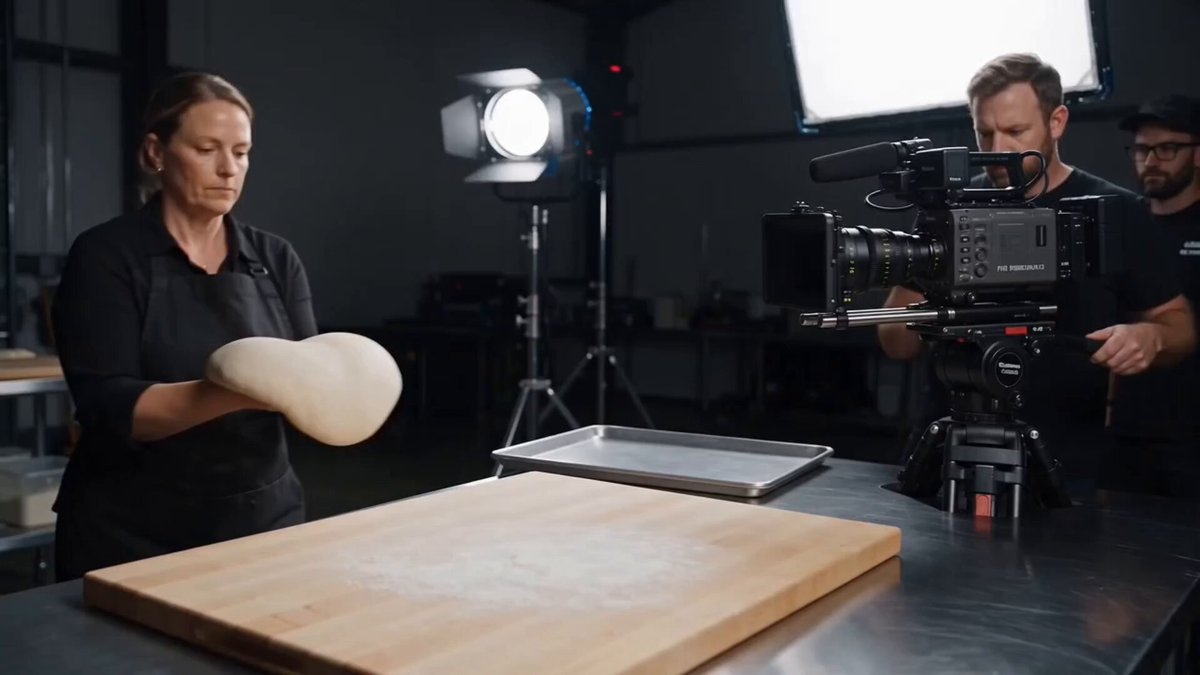
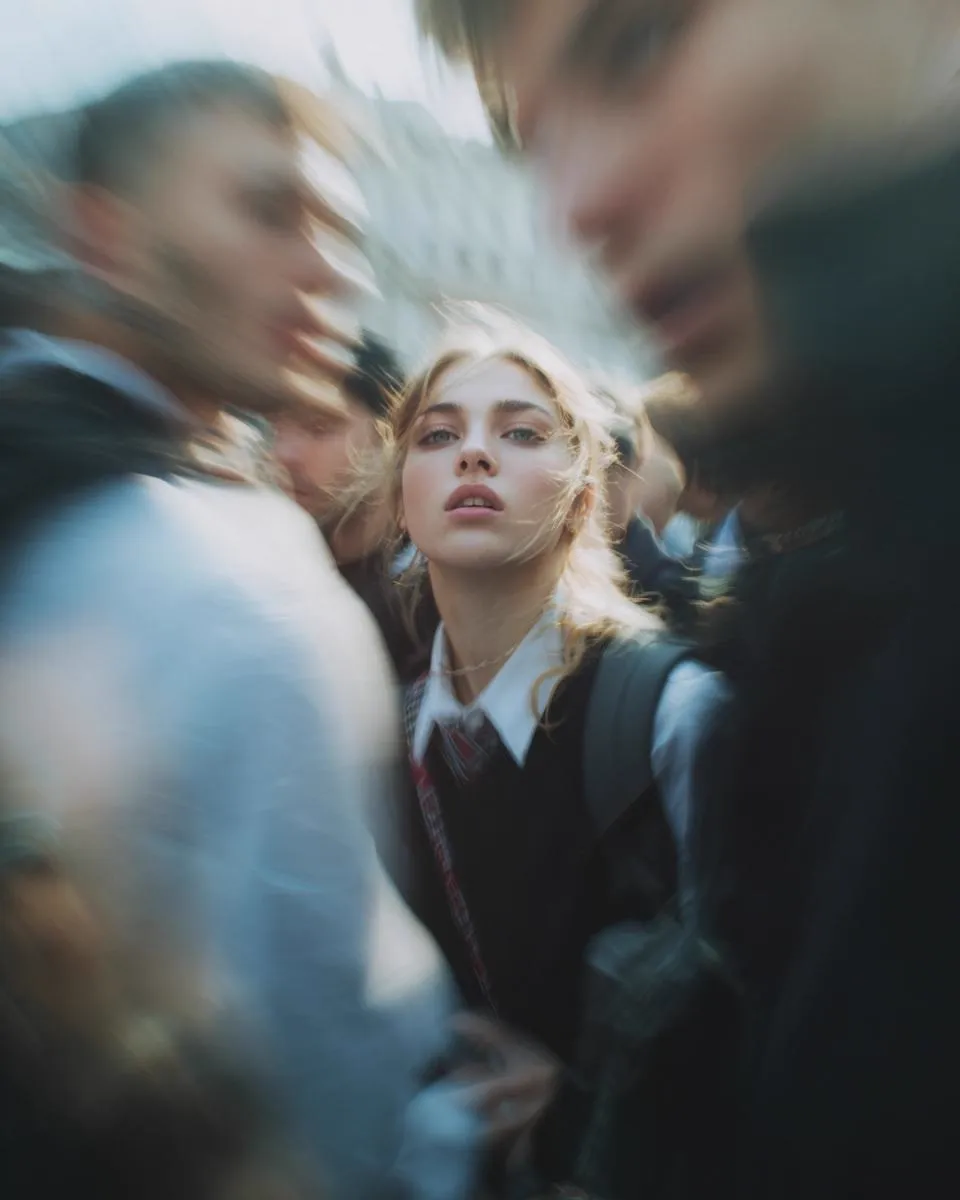
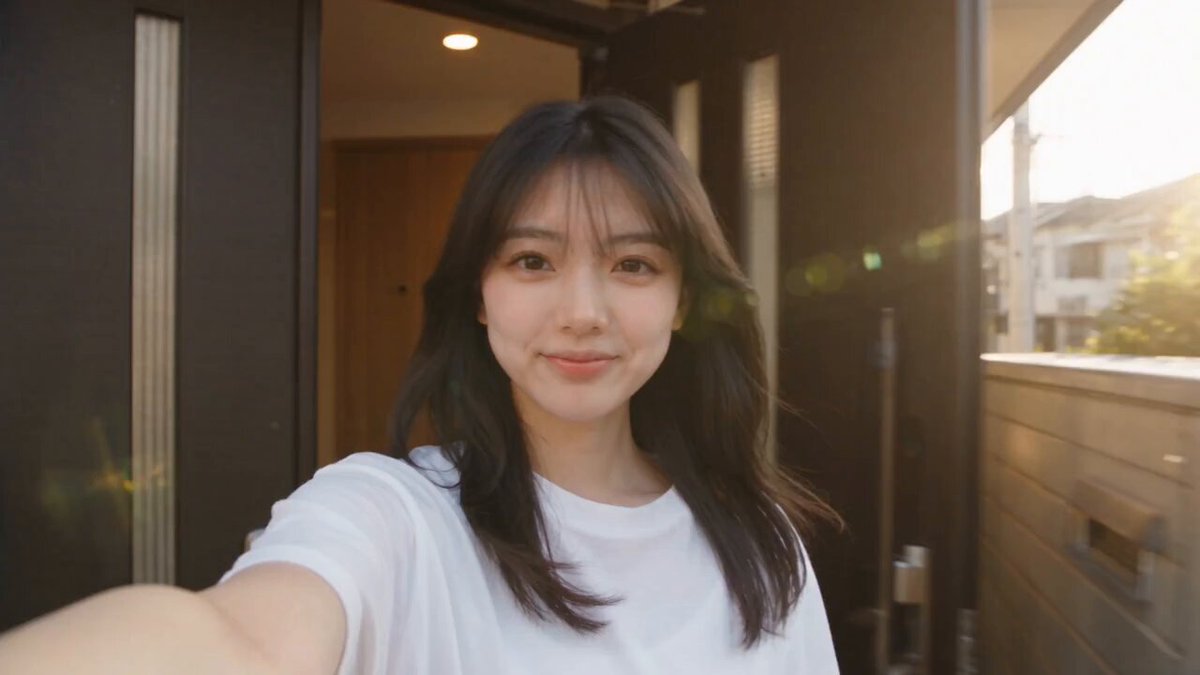
The editing landscape is shifting from manual timeline work to generative choreography. In 2025, image-to-video generation lets creators turn a single still frame into a dynamic sequence with natural motion. Combined with AI style transfer, this opens creative possibilities that were previously reserved for high-budget studios.
Domer's AI Video Generator brings these capabilities into an accessible, integrated platform.
Image-to-Video: How It Works
Modern AI models analyze a reference image and predict motion vectors to generate coherent video frames:
- Motion prediction: AI infers natural movement from the static image
- Depth estimation: Creates 3D parallax effects from 2D sources
- Frame interpolation: Smooths transitions between generated frames
Seedance 2.0 excels at cinematic-quality motion generation from single images.
Style Transfer Effects
Style transfer applies the visual characteristics of one image or video to another:
- Artistic filters: Transform footage into painting, sketch, or pixel art styles
- Mood matching: Adapt color grading and texture to match your creative vision
- Consistent aesthetics: Apply the same style across an entire video series
Practical Workflow
Step 1: Generate Your Base Image
Use Domer's AI Image Generator to create high-quality reference frames.
Step 2: Convert to Video
Feed the image into an image-to-video model with a motion prompt.
Step 3: Apply Style Transfer
Layer on your desired visual style for unique results.
Step 4: Refine
Iterate on prompts until you achieve your vision.
Best Practices
- Start with high-resolution source images for best results
- Be specific in motion prompts ("slow pan right" vs "movement")
- Test multiple style combinations before committing
GPT Image 2 provides excellent source images for this workflow.
Conclusion
Image-to-video generation and style transfer are democratizing advanced visual effects. The barrier to entry has never been lower. Start experimenting today.
