
Create
Building Consistent Worlds with AI: Multi-Image Fusion for Seamless Video Narratives
Aug 3, 2026

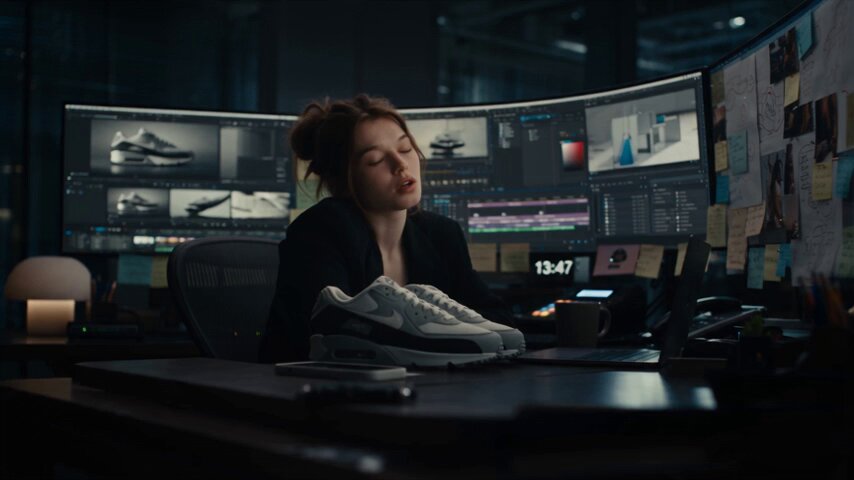
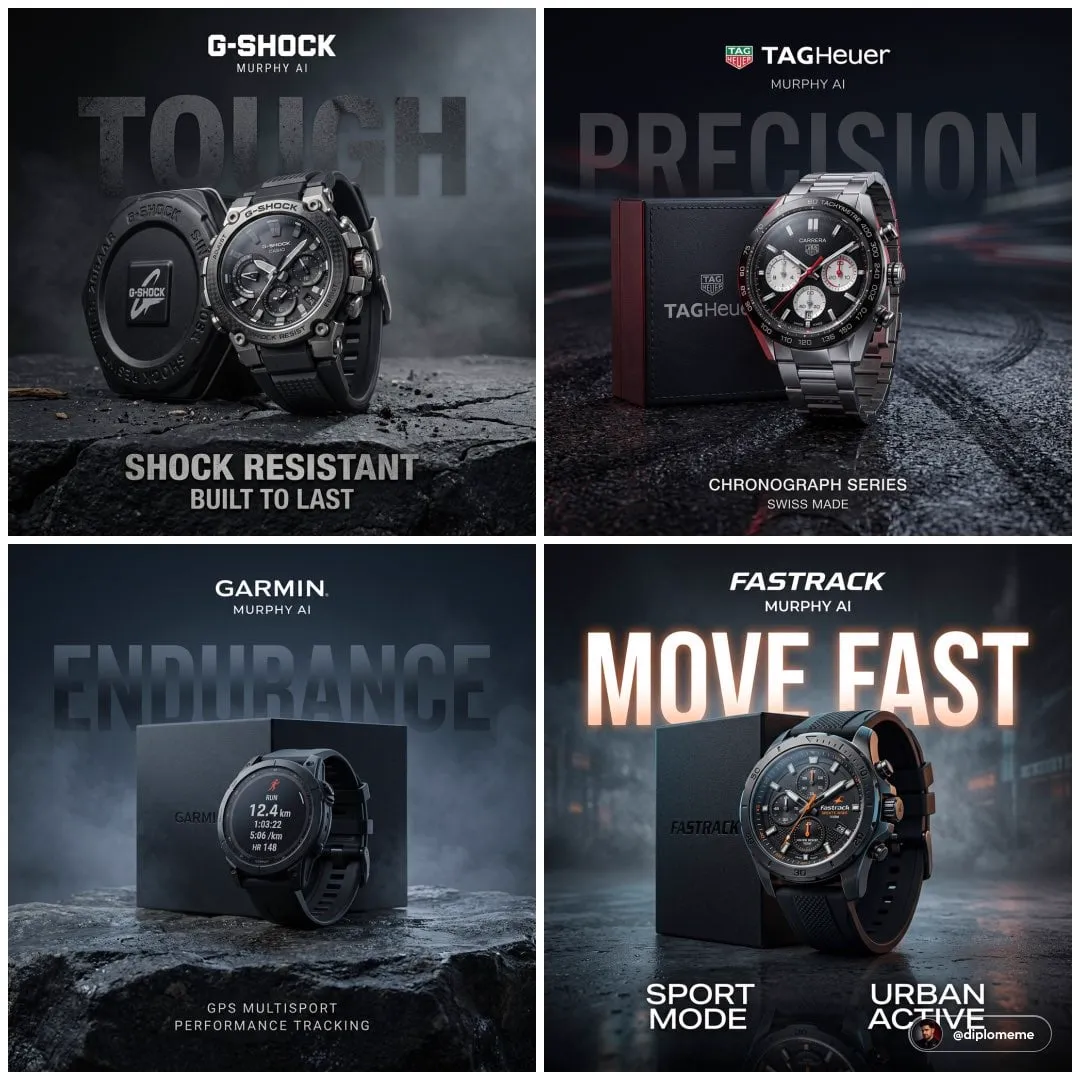
Visual consistency is the holy grail of AI video production. Nothing breaks immersion faster than a character whose face changes between scenes. Multi-image fusion technology solves this problem by mathematically encoding visual identity and applying it across every generated frame.
The consistency problem
Early AI video models treated each scene as an independent creation. Even identical prompts produced different-looking characters because the models lacked a persistent identity representation. This made narrative storytelling nearly impossible.
How multi-image fusion works
Identity vectorization
Instead of relying on text descriptions, the system converts multiple reference images into a multidimensional identity vector. This vector captures not just appearance, but persistent visual patterns: facial proportions, skin texture, characteristic features.
Diffusion-stage injection
During each generation step, the identity vector is injected into the model's control layers. Like a constant reminder, it guides the model toward the correct appearance, penalizing deviations.
Style vs. identity separation
Advanced systems split the vector into essential features (facial structure, proportions) and surface features (lighting, texture). This allows character adaptation across different lighting conditions and art styles while preserving recognizability.
Practical techniques
Build a reference library
Generate keyframe images of each character from multiple angles (front, profile, three-quarter). Use Domer AI Image Generator for initial reference creation. Three to five angles provide enough data for stable identity encoding.
Use the right models
Not all models handle identity preservation equally well. GPT Image 2 excels at high-fidelity reference images. Seedance 2.0 maintains character identity remarkably well across animated sequences.
Control fusion weight
When adapting a character to a new style (e.g., cyberpunk to fantasy), find the right balance. Too much identity fixation suppresses the scene style. Too little causes identity drift.
Transition carefully between engines
Switching between different AI video models requires recalibrating your identity vector. Start each new engine with fresh reference generations on that specific model.
Common mistakes
- Too few references: One image is not enough for realistic characters. Use three to five angles.
- Mixed lighting references: References shot under different lighting confuse the model.
- Over-constraining: If the character cannot "breathe" within the frame, the video looks unnatural.
Building entire worlds
Multi-image fusion scales beyond characters. Apply the same principles to:
- Environments: Maintain consistent architecture and landscapes
- Vehicles and props: Keep product designs identical across scenes
- Brand elements: Lock logos, colors, and visual identity
Domer AI Video Generator supports multi-reference workflows for coherent world-building.
The future of visual consistency
As identity vectors become more sophisticated, we'll see AI-generated feature films with characters you can recognize from the first frame to the last. Start building your reference library today.
FAQ
Q: How many reference images do I need?
Minimum three (front, profile, three-quarter). Optimal is five to seven with different expressions.
Q: Can I use real photos as references?
Yes. Higher quality and more diverse references produce better results.
Q: Does this work for objects, not just characters?
Yes. The vectorization principle is universal — it works for any visual subject.

Alexander
More Blogs
Read MoreVidu Q4 Alternatives: 4K AI Video Models Compared (2026)
Vidu Q4 alternatives compared: Kling 4.0, Seedance 2.5, Wan 3.0, and Runway Gen-4 — 4K support, input modes, durations, audio, and what each costs in credits on Domer.
Top 4K AI Image Generators in 2026: 5 Models Compared on Real Costs
The top 4K AI image generators on Domer compared: Flux 3 Klein, Nano Banana 2.1, GPT Image 2.5, GPT Image 2, and Nano Banana Pro — 4K credit costs, reference limits, and speed.
Nano Banana 2.1 vs GPT Image 2.5: Which Image Model Should You Use? (2026)
Nano Banana 2.1 vs GPT Image 2.5 Flare compared: credit costs per resolution, aspect ratios, reference images, text rendering, and which tasks fit each model.