
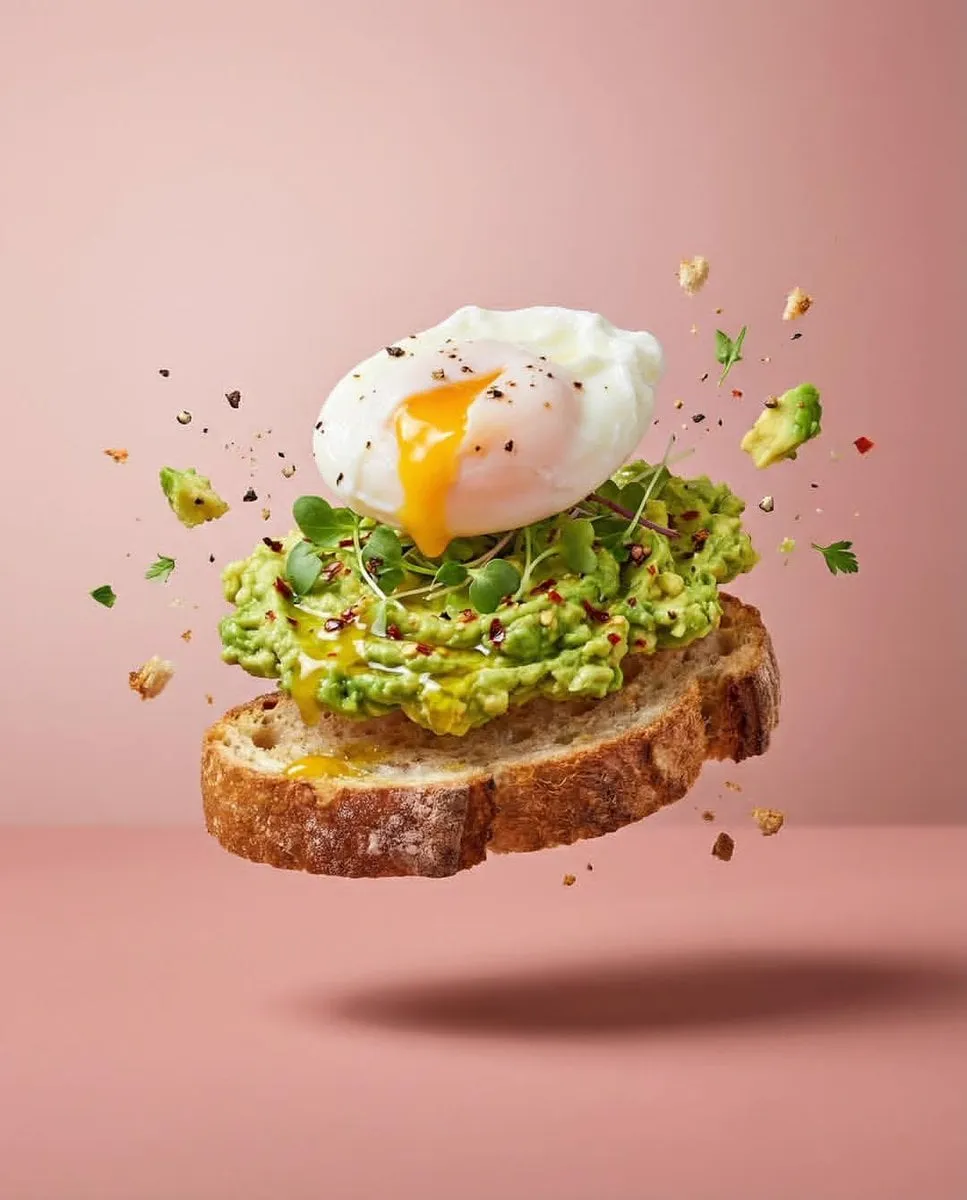
Photorealistic Video Creation: How Multi-Image Fusion Maintains Character Consistency
Aug 3, 2026
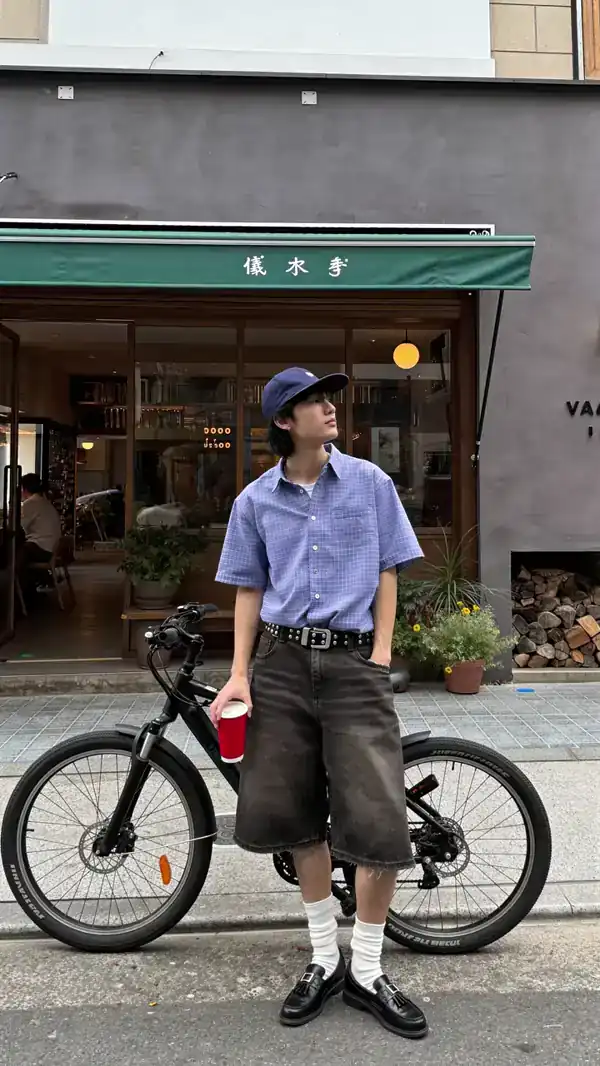

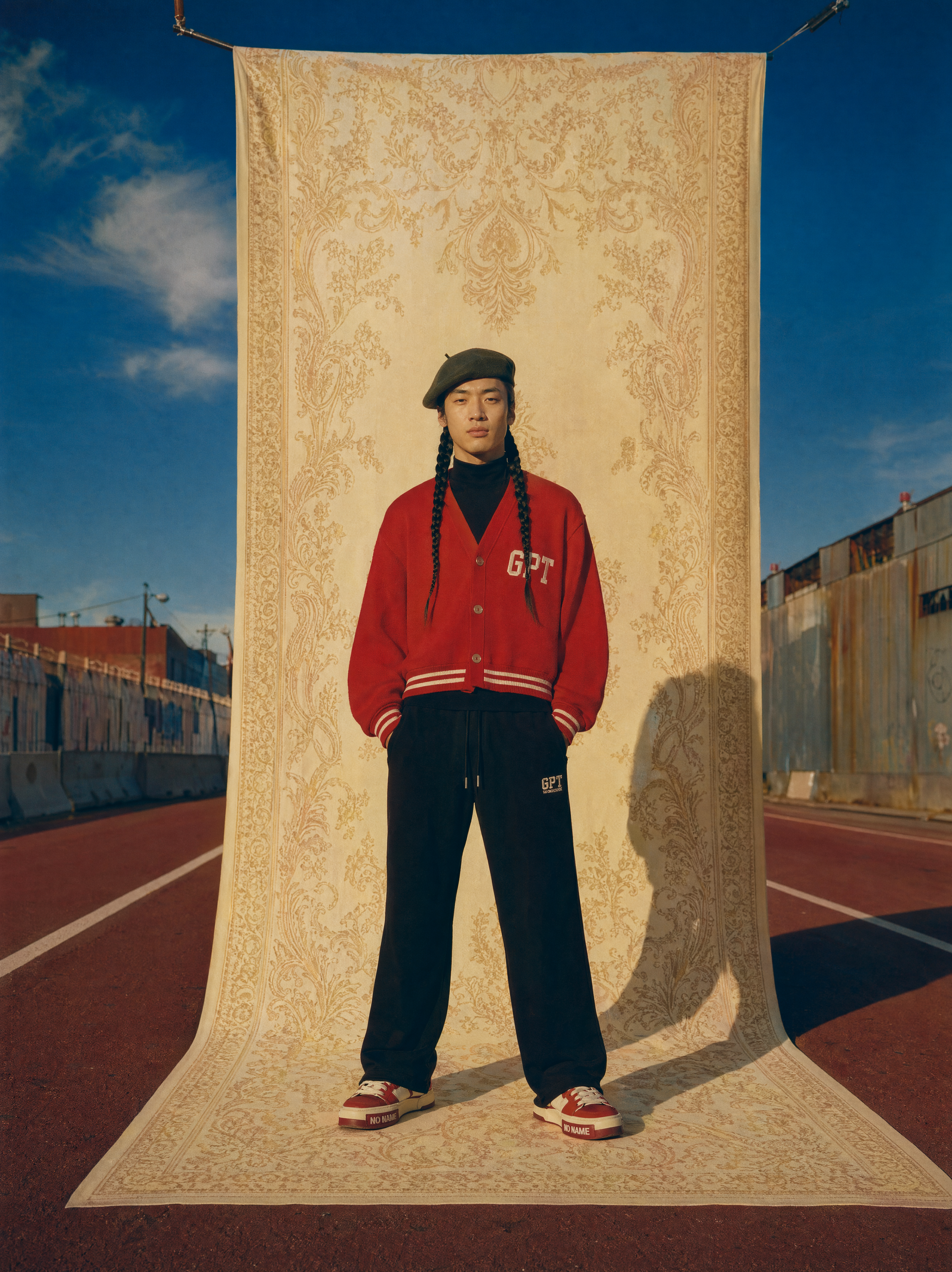
The Character Consistency Challenge
The pursuit of photorealistic video creation has reached a critical milestone in 2025. While generative AI can now produce stunning individual frames, a persistent bottleneck remains: keeping characters visually consistent across different scenes, camera angles, and lighting conditions. This identity drift has been the primary obstacle preventing AI video from crossing into professional filmmaking and high-end advertising.
Industry projections suggest the AI video market will exceed $25 billion by 2027, with character persistence emerging as the key differentiator for enterprise adoption. The technology that solves this problem doesn't just improve visual quality — it fundamentally changes the economics of video production.
How Multi-Image Fusion Works
AI video generator platforms now leverage multi-image fusion to establish what can be called a canonical character representation. Instead of relying on a single reference image, the system analyzes multiple high-quality input images to extract identity traits — facial structure, distinctive features, texture patterns — that remain stable across varying environmental conditions.
These extracted identity signatures act as persistent constraints during video synthesis. Whether the scene shifts from a noir-lit interior to a sun-drenched exterior, or the character moves between a photorealistic shot and a stylized sequence, the core visual identity holds firm. This decoupling of identity from style is the technical breakthrough that makes professional-grade AI video possible.
Cross-Model Consistency
The real power of this approach becomes apparent when working across different AI models. A character defined through multi-image fusion can be rendered using one model for establishing shots and another for close-ups, all while maintaining perfect visual continuity. This model-agnostic character definition represents a significant leap beyond siloed single-model capabilities.
For creators using Domer's AI tools, this means unprecedented creative flexibility — the ability to choose the best model for each specific shot without sacrificing the visual coherence of the entire project.
Temporal Control: First and Last Frame
Professional filmmaking requires control not just over spatial appearance but over temporal evolution. Advanced multi-image fusion integrates first-to-last-frame constraints, defining a character's state at both the start and end of a sequence. This prevents the common AI artifact where a subject subtly morphs between the beginning and end of a generated clip.
Seedance 2.0 exemplifies this level of temporal control, enabling smooth, natural character presence across entire sequences. When combined with intelligent camera movement suggestions, creators can deploy dynamic cinematic choices — rapid pans, dolly zooms, dramatic angles — with confidence that the character's visual integrity will hold through any motion blur or perspective shift.
Practical Applications
For advertising agencies, multi-image fusion means generating hundreds of brand mascot variations across different international settings without losing brand fidelity. For independent filmmakers, it means maintaining a protagonist's appearance through complex multi-scene sequences — previously impossible without extensive manual VFX work.
The technology also dramatically reduces post-production costs. By preventing identity drift at the generation source rather than fixing it in post, creators move from concept to final cut significantly faster. This reliability is what drives adoption among professional studios.
Stylistic Flexibility
The true test of character consistency technology lies in its ability to maintain identity while drastically altering context — moving a character from hyper-realistic to anime-style environments, for example. By isolating the identity signature from the style vector, creators can seamlessly switch aesthetic domains while preserving the character's unique markers.
This adaptability maximizes the utility of a single trained character asset across diverse marketing campaigns, metaverse environments, and content formats. For brands seeking visual agility without losing IP recognition, it's a game-changing capability.
The Creative Director Layer
Intelligent director agents add another dimension to character consistency. These systems translate high-level directorial commands into specific parameter adjustments while cross-referencing every suggested camera or scene change against the established identity signature. If a proposed expression change threatens character recognizability, the system flags the inconsistency before generation proceeds.
This intelligent oversight drastically reduces manual cleanup needs and accelerates the entire production pipeline. More importantly, it democratizes cinematographic expertise — small teams and individual creators can now achieve professional-grade visual continuity that was once the exclusive domain of large studios.
Visit Domer's blog for more insights on AI video production techniques and tools.

Alexander
More Blogs
Read MoreVidu Q4 Alternatives: 4K AI Video Models Compared (2026)
Vidu Q4 alternatives compared: Kling 4.0, Seedance 2.5, Wan 3.0, and Runway Gen-4 — 4K support, input modes, durations, audio, and what each costs in credits on Domer.
Top 4K AI Image Generators in 2026: 5 Models Compared on Real Costs
The top 4K AI image generators on Domer compared: Flux 3 Klein, Nano Banana 2.1, GPT Image 2.5, GPT Image 2, and Nano Banana Pro — 4K credit costs, reference limits, and speed.
Nano Banana 2.1 vs GPT Image 2.5: Which Image Model Should You Use? (2026)
Nano Banana 2.1 vs GPT Image 2.5 Flare compared: credit costs per resolution, aspect ratios, reference images, text rendering, and which tasks fit each model.