
The Race to Ship Short-Form Video
The demand for rapid, high-quality short-form video has never been higher. Creators, marketers, and businesses are all competing for attention spans measured in seconds. In this environment, the ability to edit fast and publish often is not a nice extra; it is a requirement for staying visible at all.
This guide covers the practical ways to accelerate your pipeline without watching quality collapse. The central idea is simple: replace slow, manual steps with deliberate choices and AI-assisted generation wherever it genuinely saves time.
Why speed in video production now matters
Attention is scarce, and publishing frequency is a direct lever on reach. Algorithms and audiences alike reward consistency and volume. The creators who ship more often build momentum more quickly, gather feedback faster, and improve at a pace that slow production cannot match.
Speed also changes what you can attempt. When a single edit takes days, you are too nervous to experiment. When it takes minutes, you can iterate, test hooks, and learn what your audience actually wants.
The biggest lever: generate, don't search
The single most effective way to speed up content creation is the decision of how you obtain your footage. Chasing down stock clips, filming on location, and waiting on renders all consume the hours you need elsewhere. AI generation collapses that timeline.
Generate purposeful b-roll on demand
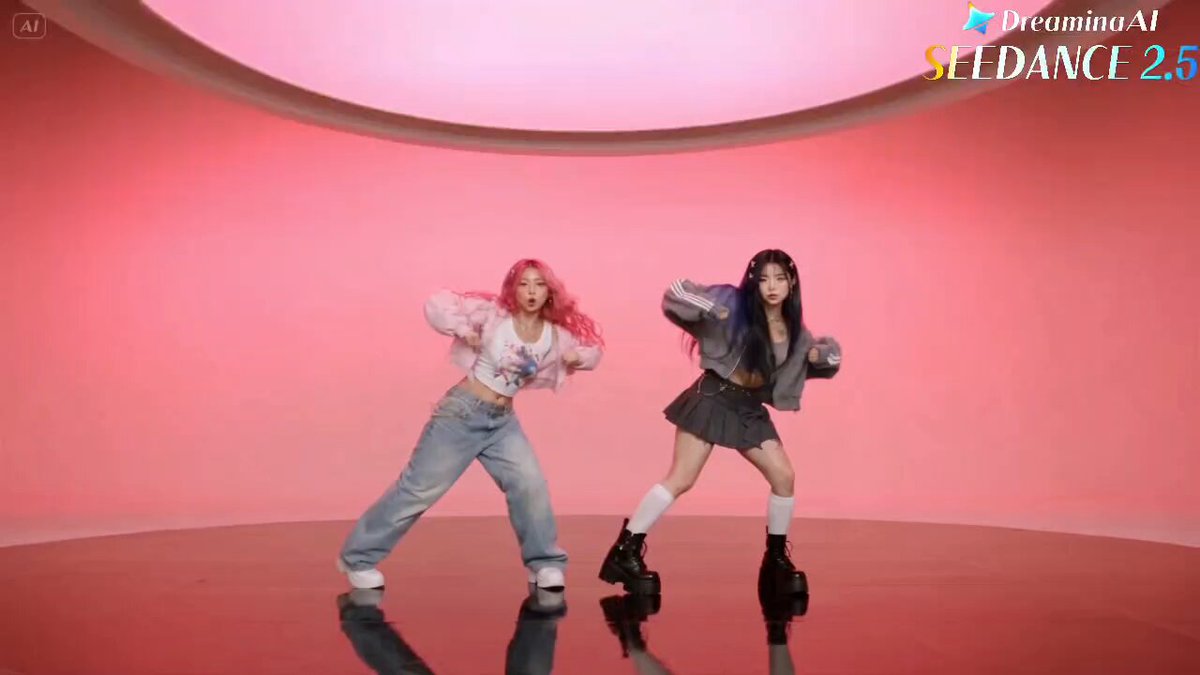
Instead of searching an archive for a visually perfect background or transition, describe what you need and let a generator produce it. For establishing shots, stylized effects, and abstract transitions, generation is frequently faster than any search.
Standardize your generation set
If you generate routinely, keep a small library of models and style tags you reuse. Consistency in generation means less rework and a more unified final feed.
Strategic model selection for speed
Generating fast begins with choosing the right tool for the job. Different models have very different speeds, resolutions, and strengths. Using a heavy cinematic model for a simple background wastes time and money.
Match the model to the scene
Reach for fast, lightweight models for simple shots and reserve higher-fidelity models for the hero moments that demand them. Knowing your toolbox is a speed skill.
Know your defaults
Maintain a short list of go-to settings per model: resolution, steps, aspect ratio. Avoiding per-shot decisions saves a surprising amount of time across many clips.
Mastering the prompt for instant results
A clean prompt is the difference between one generation and ten. Time spent writing a clear prompt is the most efficient time in the entire pipeline.
Describe the essential, not the every detail
State the main subject, the lighting mood, the camera framing, and one style reference. Over-specifying invites errors and wasted runs.
Lock the parts that must not change
For character-rich projects, anchor identity with reference images rather than text so the face does not drift between generations. Consistent identity means fewer retries.
Reuse proven prompt fragments
Save the phrases that reliably produce strong results. Building new prompts from tested pieces is much faster than writing them from zero each time.
Scene consistency and cinematic control
Fast editing falls apart if the material looks disjointed. A few habits keep rapid output cohesive.
Establish a visual grammar
Keep lighting direction, color treatment, and camera style consistent in your prompts across all clips in a project. That consistent language is what makes separate generations feel like part of one video.
Keep your hero consistent
For serialized content or a recurring character, reuse the same reference set for every scene. The face staying identical removes a whole category of rework.
Automating the post-production grind
The generation step is only half the battle. Post-production is where editing budgets routinely blow up.
Apply a saved grade to every clip
Rather than grading each clip from scratch, apply your saved color preset and only adjust the exceptions. Consistent color does most of the visual unify work automatically.
Sync the edit to the music
Place your key cuts on the beats of the soundtrack. This makes the video feel musical and intentional without any extra footage.
Standardize captions and transitions
Keep a library of caption styles and transition effects you reuse. A recognizable signature is also good for your channel’s identity.
A fast, repeatable editing workflow
Put everything together into a loop that you can run on every video.
Step 1 — Write one sentence
Define the single takeaway of the clip. No direction, no video.
Step 2 — Script a three-second hook
Turn that sentence into an opening that makes someone stay. Lead with the payoff, not the setup.
Step 3 — Generate or gather footage
Use AI generation with your tested defaults and reference anchors, or pull from your library.
Step 4 — Cut to the beats
Build the rough cut, then align key moments to the music and add pauses for emphasis.
Step 5 — Grade, caption, export
Apply the saved grade and captions, then export. Ship it today.
Scaling output with smart habits
Once your single-video loop is fast, scale the whole system.
Edit in batches
Produce several clips in one generation and editing session. The setup cost happens once, and each additional clip is nearly free.
Prototype before polishing
Make a rough version first and review the structure before spending time on fine details. Structure problems are cheap to fix early.
Let audience data steer you
Ship often and let the numbers tell you which hooks and formats to repeat. Real feedback beats guessing.
Common speed killers to avoid
Some habits look productive while silently destroying your velocity.
Re-editing without a plan
Editing without a one-sentence takeaway gives you an endless cutting room. Plan first.
Perfecting the wrong frame
Do not polish a clip before you have confirmed the hook and structure work. Polish last.
Manual work that a tool automates
Color, captions, and sync are all automatable. If you are doing them by hand, you are throwing away time.
Conclusion
Speeding up short-form video production is about making deliberate choices: generate instead of search, select models strategically, keep identity anchored with references, and automate post-production. The result is a pipeline that ships more, tests faster, and keeps quality high.
Apply the workflow to your next video. Write the one-sentence takeaway, script a hook, generate with consistent defaults, and cut to the music. Faster and better at the same time is the whole game.
