
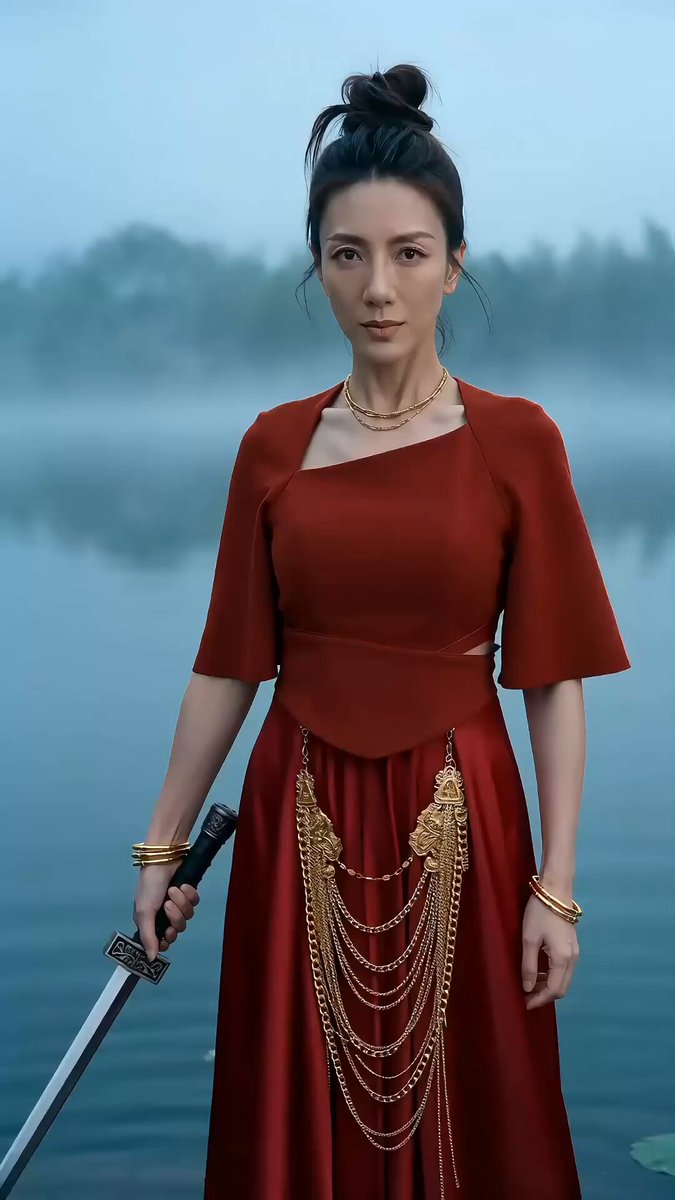
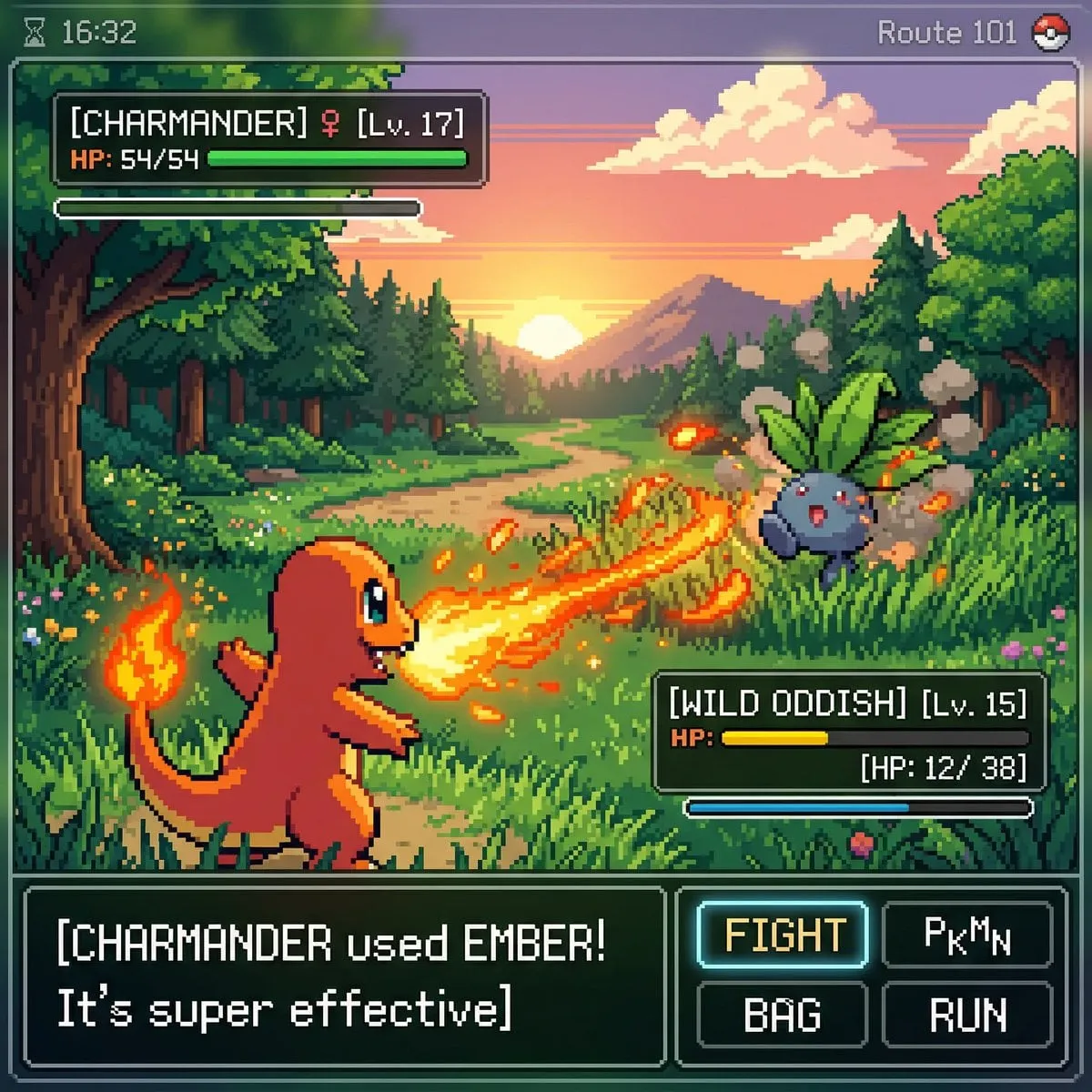

Why Prompt Engineering Matters More Than Ever
AI film and art generation has reached a tipping point. The raw power of models like Sora, Runway Gen-4, and Flux means that the limiting factor is no longer the technology — it's how well you can direct it. Prompt engineering is the craft of communicating your creative vision to an AI system with precision.
Think of it this way: the AI model is your cinematographer, your lighting crew, and your VFX team rolled into one. But it only executes what you ask for. The quality of your prompt determines the quality of your output.
The Anatomy of a Great Prompt
The Four Pillars
Every effective AI image or video prompt should address:
- Subject: What is being depicted? (a person, landscape, object, abstract concept)
- Action/Context: What is happening? (running through rain, floating in space, sitting quietly)
- Style & Aesthetics: How should it look? (cinematic, anime, photorealistic, oil painting)
- Technical Parameters: Resolution, aspect ratio, lighting, camera angle
The Structured Formula
[Subject] + [Action/Scene] + [Style Reference] + [Lighting & Mood] + [Camera] + [Quality Tags]
Example:
"A lone astronaut walking through a lavender field at golden hour, cinematic lighting with lens flare, wide-angle shot, 8K photorealistic, shallow depth of field"
This structured approach works with any AI image generator and produces significantly better results than vague descriptions.
Advanced Techniques
Multi-Reference Prompting
Instead of describing everything in text, combine references:
- Upload an image for composition reference
- Upload another image for style/color palette
- Use text for specific modifications
This is particularly powerful with GPT Image 2, which excels at understanding multi-modal inputs.
Negative Prompting
Tell the AI what NOT to include:
- "no blur, no distorted faces, no text, no watermark"
- "no cartoon style, no low resolution"
- "no extra limbs, no deformed hands"
Negative prompts are especially critical for character generation where anatomical errors are common.
Weighted Keywords
Some prompt systems support emphasis:
(cinematic lighting:1.5)— increases importance by 50%[blurry background:0.5]— reduces importance- This allows fine-tuning without rewriting the entire prompt
Chain-of-Thought Prompting
For complex scenes, break your prompt into a logical sequence:
- Describe the environment
- Position the main subject
- Describe the lighting
- Add atmospheric effects
- Specify camera settings
The AI follows this narrative structure more faithfully than a jumbled description.
Cinematic Prompt Engineering
Camera Language
Speak like a cinematographer:
- Shot types: extreme close-up, medium shot, wide establishing shot, bird's eye view
- Movement: dolly zoom, tracking shot, crane shot, handheld
- Lens: 35mm, 85mm portrait, anamorphic, macro
Lighting Vocabulary
- Natural: golden hour, blue hour, overcast, harsh noon sun
- Artificial: three-point lighting, rim light, practical lights
- Mood: high-key (bright, cheerful), low-key (dark, dramatic), silhouette
Film Stocks and Color Grades
Reference specific looks:
- "Kodak Portra 400 color palette"
- "Wes Anderson symmetrical composition"
- "Blade Runner 2049 teal and orange color grading"
Workflow Optimization
Iterative Refinement
Don't expect perfection on the first try:
- Start with a simple prompt to test composition
- Refine with style and lighting details
- Add negative prompts for known issues
- Iterate 3-5 times before moving on
Building a Prompt Library
Save your best prompts as templates:
- "Cinematic portrait template"
- "Product showcase template"
- "Landscape drone shot template"
This dramatically speeds up your workflow and ensures consistent quality. Use Domer's AI tools to iterate quickly across multiple models.
From Image to Video
Once you have a style locked in with image prompts, extend to video:
- Use the same prompt structure for AI video generation
- Add motion descriptors: "slow pan left", "steady dolly forward"
- Specify frame rate and duration
Common Mistakes and Fixes
- Vague prompts: "Make it look cool" → "Neon-lit cyberpunk alley, rain-slicked pavement, volumetric fog"
- Contradictory directions: "Photorealistic anime style" — pick one aesthetic lane
- Over-specifying: 50 adjectives confuse the model. Be selective.
- Ignoring aspect ratio: Always specify for the intended platform (16:9, 1:1, 9:16)
The Future of Prompt Engineering
The field is evolving rapidly. We're moving toward:
- Natural language video direction ("pan left and zoom in on her face")
- Real-time prompt refinement with visual feedback
- Voice-to-prompt for hands-free creation
But the fundamentals won't change: clarity, specificity, and structured thinking will always produce better results. Master these now, and you'll be ahead of the curve.
Start practicing with Domer and build your prompt engineering skills today.
