
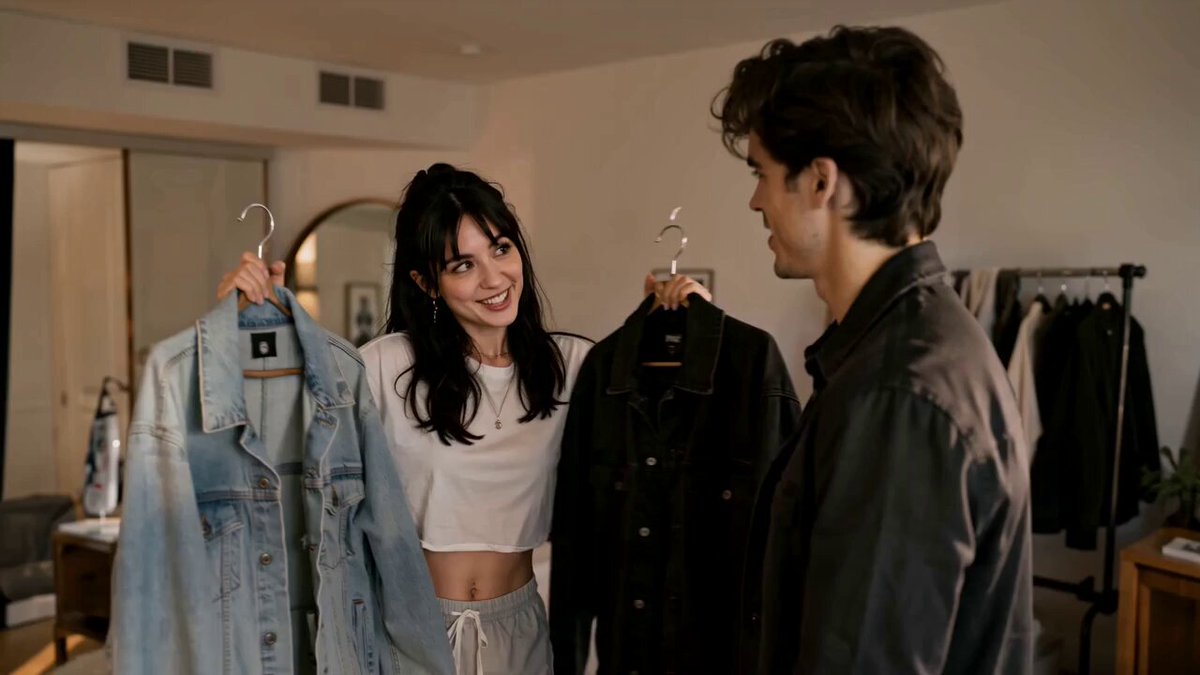
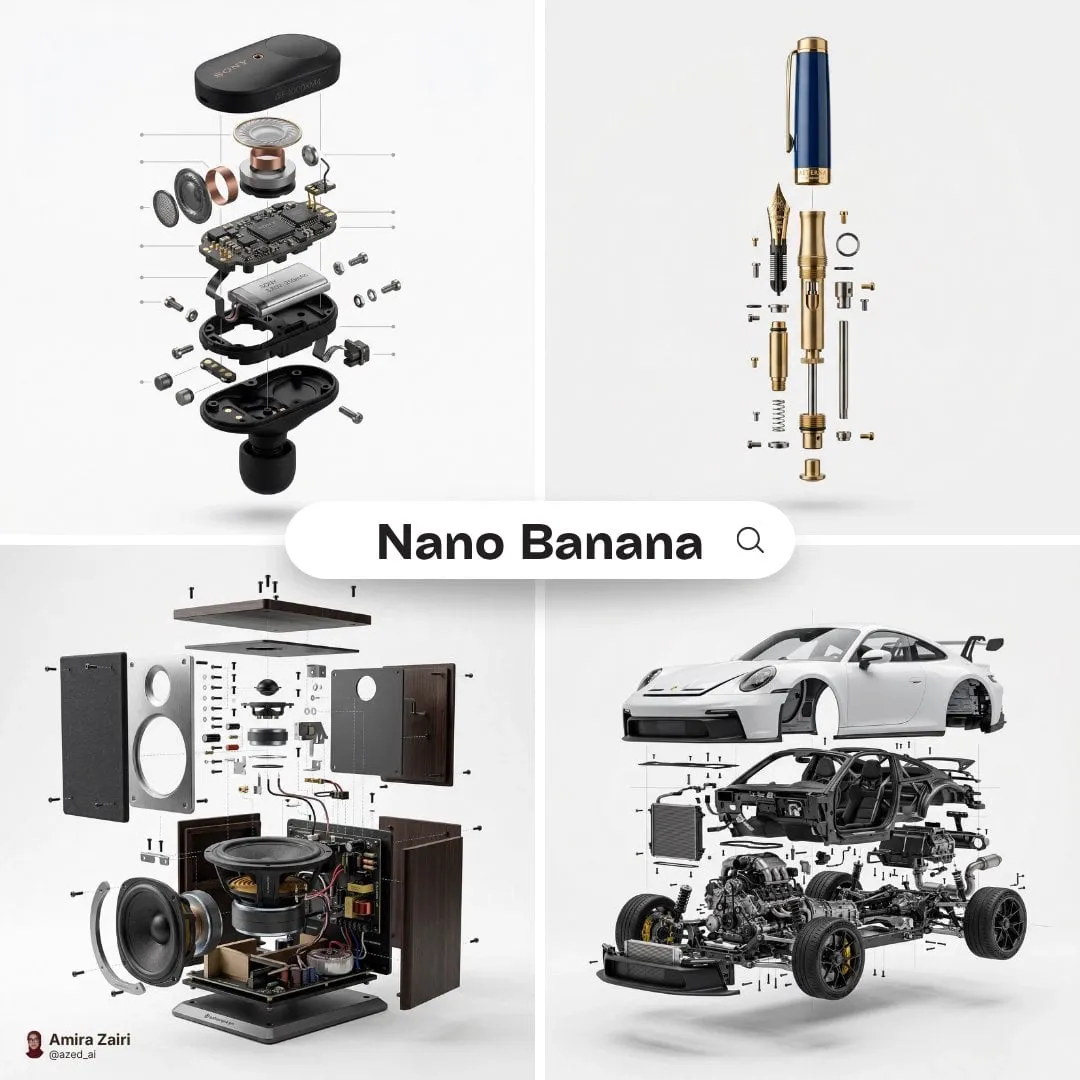
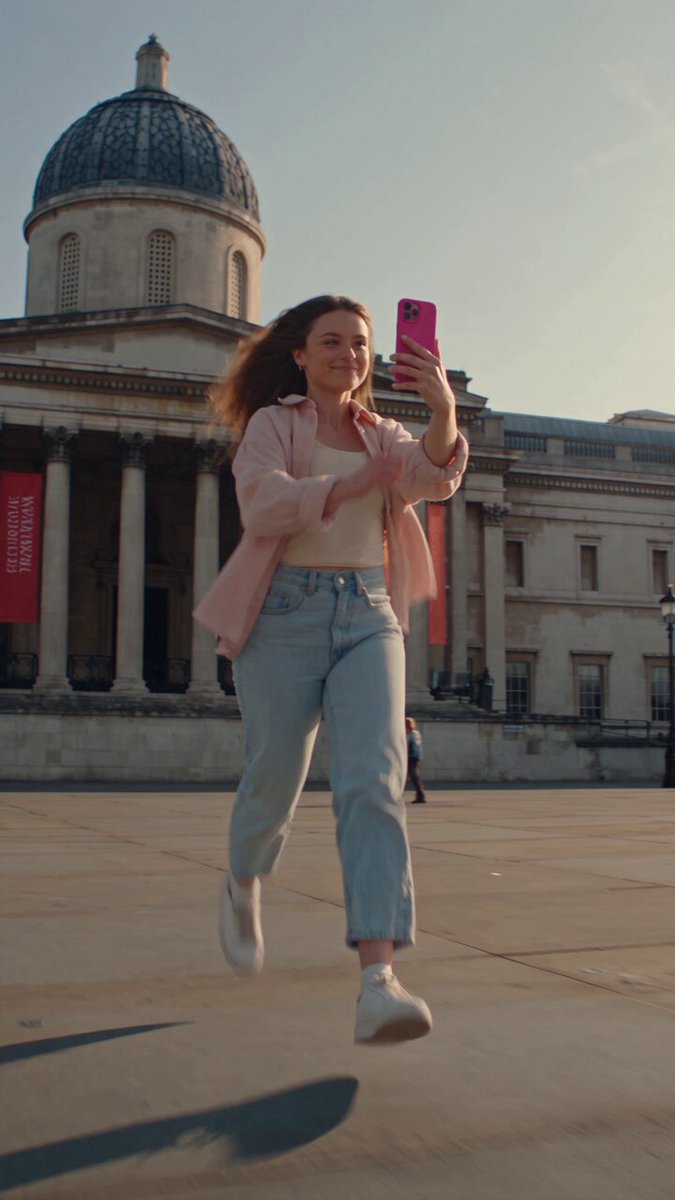
A single, well-aimed prompt has always been the difference between a generic AI clip and a scene that feels directed. But as video models have grown more capable, the prompts that used to be enough no longer are. Raw descriptions still produce images, yet they rarely produce a film moment. Real control comes from writing prompts the way a director talks to a cinematographer, in the shared language of lenses, coverage, framing, and emotional intent. This guide lays out advanced prompt-writing techniques you can apply the moment you open an AI film tool.
How Filmmaking Vocabulary Changes Your Prompts
The leap from amateur to confident prompting often arrives with vocabulary. When you describe a scene as "moody" or "epic," the model guesses what that means. When you describe the shot as "a slow 50mm push-in from a low angle in cold, desaturated light," you give it concrete choices about framing, movement, and look. Film grammar is effectively a compression scheme: a few precise words carry an enormous amount of directable intent.
You do not need a film degree to benefit. Learning a handful of concepts, close-up versus wide, over-the-shoulder, rack focus, low versus high angle, dolly versus handheld, gives you instant control you did not have before. The model has seen these terms in its training and maps them to visual conventions. Use them, and your output stops being a vague illustration and starts being a shot.
Start With the Emotional Goal, Not Just the Action
Beginners write prompts packed with objects and actions but leave out why the scene matters. The emotion is the thing the audience actually feels, and it is your most powerful unstated instruction. Before you type anything, decide what the viewer should feel at the end of the clip: unease, wonder, quiet melancholy, triumph. Then choose shot and pacing to serve that emotion.
Let the feeling shape everything downstream. A scene about discovery wants an opening that conceals and a dolly that gradually reveals. A scene about threat wants close framing and a shake or push that tightens the space. When your prompt leads with intent and supports it with technique, the model has a north star, and the result is far more likely to land as a mood rather than just a moving picture.
Weighing the Elements That Matter Most
Most advanced video prompts have a weighting mechanism, often using a multiplier to tell the model which part of the sentence pulls harder. This is your precision tool. If the character is non-negotiable but the background is flexible, weight the character description. If you care more about the overall color grade than a specific prop, weight the palette instead.
Use weighting deliberately rather than reflexively. Over-weighting everything is the same as weighting nothing, and balancing down the elements that genuinely matter less is often more effective than pumping up the hero elements. The art is deciding the order of importance and letting the model spend its attention accordingly. In a one-shot clip you may only need one or two weighted terms; more than that and the prompt starts to fight itself.
Directing Camera Position and Movement
Camera prompts carry most of the cinematic punch. Begin by choosing the position relative to the subject and then the movement. A low angle makes a subject feel powerful or looming; a high angle makes them feel small or observed. A straight-on eyeline is intimate and confrontational. From there, add motion: a slow push-in raises tension, a lateral truck reveals context, and handheld adds ragged documentary energy.
Resist the urge to stack too many camera directions at once. A dolly that also cranes, racks focus, and orbits is a recipe for a muddled result. Pick one dominant camera idea per clip and execute it cleanly. If you need a bigger move, break the scene into two clips. The clarity of a single, committed camera decision is worth more than a prompt that tries to do everything.
Composing Frames Like a Storyboard
Before you write the prompt for a clip, write the frame. Ask yourself what the audience should see in the opening, the middle, and the closing of the shot. A scene can open on the character's hands, reveal the face, and finish wide as they step through a doorway. Describing that arc gives the model a sequence to follow inside one clip, turning a single generation into three beats.
Work from a rough storyboard for anything longer than one clip. List your shots in order, note the camera and subject in each, and keep the emotional arc in the margins. This does not need polish, a list of six lines is enough, but it is what lets you direct a multi-shot scene deliberately instead of stitching together whatever each prompt happened to produce.
Holding Tone and Texture With Consistent Details
Cinematic results also depend on tone words that anchor the look, terms like "grainy film stock," "soft practical lighting," "shallow depth of field," or "warm tungsten." Keep these consistent across a sequence so the clips feel like one film rather than a mashup. Decide your look vocabulary once, then reuse the exact same phrasing in every clip of the project.
Do the same for texture and mood. If you want a noir feel, keep feeding the same palette and lighting language. If you want a clean studio look, repeat the same clean descriptors. Consistency compounds, and the viewer feels it even when they cannot name it. Two clips that share a look vocabulary read as one production; two that drift read as two unrelated videos.
Running Multi-Step Narratives That Stay On Rails
The most demanding task is a multi-step narrative, where several clips must hold together as one story. The technique is to set the constraints once and repeat them. Fix the character description, the look vocabulary, the lighting direction, and the aspect ratio in every clip, then vary only the action and camera per beat. Everything you refuse to vary becomes the glue that holds the sequence together.
Give each clip a single job in the narrative. Clip one introduces the world, clip two introduces the stakes, clip three turns, clip four pays off. If every clip tries to do everything, the sequence wanders. If each clip does one thing clearly while the shared constraints stay constant, the sequence feels authored. Keep a master prompt template and slot in each beat's specifics.
Iterating on a Prompt Instead of Starting Over
When a clip is nearly right but not quite, resist the urge to rewrite the whole prompt. The fastest path is to change one thing at a time and keep everything else identical. Adjust the camera, re-run, compare, then adjust the mood, re-run, compare. Keeping a small change log helps you see what actually moved the result and what made no difference.
Change the highest-leverage variable first, usually camera or mood. If the framing is off, fix framing before you touch color. If the character reads wrong, fix the character before the lighting. Small, deliberate, single-variable iterations converge far faster than wholesale rewrites, and they teach you which terms in your own prompt actually matter.
Avoiding the Common Prompt Anti-Patterns
A few habits consistently produce weak results. The first is the kitchen-sink prompt, describing five subjects and three moods at once, which forces the model to compromise. The second is abstract-only language, words like "beautiful" or "interesting" that carry no directable instruction. The third is contradicting the camera direction mid-prompt. The fourth is ignoring negative direction, when you should state what to avoid, such as "no text, no watermark, no second face." The fifth is treating every clip as independent instead of holding shared constraints across a sequence.
Fix these by committing to one clear focus per clip, replacing abstract words with concrete film terms, keeping your camera instructions consistent, using explicit avoidances, and reusing a shared constraint template across any multi-shot project.
Using Negative Direction to Protect the Shot
Positive direction tells the model what you want; negative direction tells it what to avoid, and the two together give you real control. Common avoidances in a film prompt are unexpected second faces, warped hands, extra fingers, text and watermarks, unwanted props, or a background that swallows the subject. Done well, a short list of avoidances stops the model from improvising its way out of your frame.
Set avoidances at the level where they help rather than overwhelm. Too many negatives can clamp the result into something stiff, so keep them to the few things that genuinely ruin a shot for you. And match the negative to the risk: if identity drift is the danger, steer the prompt away from changing the face; if the camera is the danger, steer it away from unexpected movement. Negative direction is not a substitute for a clear positive description, it is the second half of it, and learning to use both is what turns a decent shot into a reliable one.
A Walked Example: Directing One Tense Scene From Words
It helps to see the technique in action. Imagine you want a short, tense scene of two people meeting at a diner. Instead of writing "a tense diner meeting," you break it into an emotional goal and a shot list. The audience should feel the wariness before the first word is spoken. With that intent set, each clip gets a single job and a shared look vocabulary of "cold fluorescent light, shallow depth of field, subtle handheld energy, desaturated teal-and-gray grade."
Shot one leads with location: a slow, steady lateral truck past rain-streaked windows to establish the space, the cold light doing the mood work. Shot two introduces the first character, a medium close-up at eye level, no movement, the stillness reading as guarded. Shot three frames the second character over the other's shoulder, an insert that raises the tension of who is watching whom. Shot four cuts to a close-up of a cup of coffee trembling slightly, a detail that says what no one says out loud. Shot five returns to the first character, a slow push-in on their face as they finally speak, leaking the relief under the wariness.
For each of these you run the same master constraint block, the shared grade and handheld language, and change only the shot content and camera. You review the five clips together, tighten the framing on any that wander, and lock it. The sequence reads as one directed scene because every clip shares the emotional goal and the look, even though each frame got a single, different job. This one-scene pattern is the smallest unit of real directing, and it scales up to any multi-scene sequence you can plan.
Frequently Asked Questions About Cinematic Prompting
Do I have to know film terms to make good clips? Not to start, but they are the fastest shortcut to control. A handful of camera and framing terms will improve your results noticeably within a few attempts.
How long should a cinematic prompt be? Long enough to fix the subject, the camera, and the mood, and no longer. One crisp paragraph usually beats a dense list. Every extra clause is a chance for the model to wander.
Why does my character change between clips? Because nothing held the identity constant. Reuse the same character description, reference, and style tokens in every clip, and the identity will stabilize across the sequence.
Should I always weight the character? Only when character identity is the priority. If the mood or the background matters more, weight that instead. Weight the thing most likely to go wrong or cause the most damage if it does.
Is iterating really faster than rewriting? Yes, when you change one variable at a time. Rewriting resets the context; small, tracked edits isolate what works and what does not.
Final Thoughts on Directing With Words
The shift from writing image prompts to directing video is a shift from describing to deciding. A director's prompt names the emotion, fixes the frame, commands the camera, and holds the look steady, and the model turns those words into motion. Master the small grammar of lenses, angles, and weighting, run clear multi-step narratives with shared constraints, and iterate one variable at a time, and you will stop hoping for good clips and start expecting them. Directing with prompts is a real skill, and like most real skills, it rewards the patient.
