
Introduction: The Character Problem in AI Video
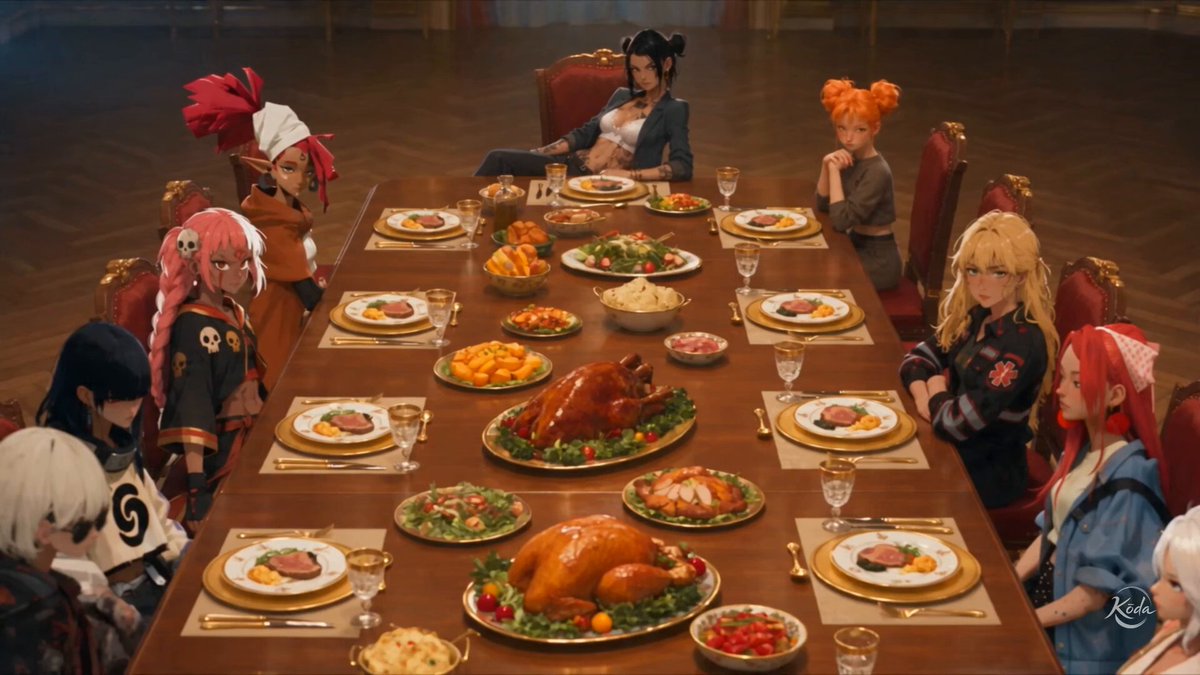
Every creator who works with AI video eventually meets the same frustration. You generate a beautiful shot of your protagonist. You generate another shot of the same protagonist in a new scene. And the person in the second shot is not quite the same person. The face is similar, but the eyes are different, the hair has changed, the wardrobe drifted, and the emotional expression does not match. Your story collapses, because the audience cannot follow a character who changes identity every few seconds.
This problem, known as character consistency or identity drift, is the single biggest obstacle between AI video and professional narrative content. It affects short-form creators, indie filmmakers, brand campaigns, and educational series alike. The good news is that the problem has a practical solution, and it has matured into a set of techniques that any creator can learn. The most powerful of these techniques is multi-image fusion: using many reference images of a character to build a stable visual identity that survives across scenes, models, and lighting conditions.
This guide explains how character consistency works in AI video, why single references fail, how multi-image fusion solves the problem, and how to combine it with frame control, asset management, and intelligent direction to produce stories where the protagonist stays recognizably the same person from the first frame to the last.
Why Visual Consistency Is the Backbone of Storytelling
Visual consistency is not a technical nicety. It is the backbone of any successful narrative, traditional or generative. When a character looks the same across scenes, the audience can invest in their journey. When the character flickers and changes, the audience loses trust in the entire story, even if every individual shot is beautiful.
The same logic applies to settings, props, and style. A film that changes its color grading every scene feels incoherent. A product video where the packaging changes between shots feels unreliable. Consistency is how viewers know they are watching one story and not a random sequence of pretty pictures.
In traditional filmmaking, consistency is achieved through deliberate production design: the same costume, the same makeup, the same lighting plan, the same actor. In AI video, there is no physical actor and no costume department. Consistency must be encoded in the references and prompts you give the model. That is the core skill this guide teaches.
What Makes a Character the Same Character
Before you can keep a character consistent, you need to know what defines that character. This goes beyond physical appearance. A character has a visual signature: the precise hairstyle, the distinctive eye shape, the fixed expression markers, the characteristic wardrobe, the way they move, the objects they carry.
When you define a character for AI generation, list these traits explicitly. The more specific you are, the more stable the result. "A young woman with curly dark hair" is a start, but "a young woman with shoulder-length curly dark hair, hazel eyes, a small scar above her left eyebrow, wearing a denim jacket and a silver necklace" gives the model a real identity to hold onto.
The visual signature is what the reference images must capture. A good reference set shows the character from multiple angles, in different lighting, and with different expressions, but always within the boundaries of the character's identity. The signature stays constant; the situation varies.
Why a Single Reference Image Is Not Enough
Many creators start by uploading one reference image of their character, and they are disappointed by the results. The reason is simple. A single image is an example, not an identity. It shows the character in one pose, one lighting condition, one expression. The model can copy the surface appearance, but it has no deep understanding of the character's stable traits.
When the model needs to place that character in a new scene with different lighting, a different angle, or a different emotion, it has to extrapolate from a single data point. Extrapolation is exactly where drift happens. The character's face subtly shifts because the model is guessing, and each new scene produces a new guess.
Multi-image fusion solves this by changing the quality of the reference. When you provide ten images of the character from different angles and expressions, the system builds a richer internal representation, a more complete mental model of who the character is. Every scene draws from that fuller representation, so the guesses become much more consistent. The character is no longer defined by one example but by a stable identity.
Building a Strong Reference Set
The quality of your reference set determines the quality of your consistency. Here is how to build one that works.
First, cover the angles. Include front, side, three-quarter, and back views. The model needs to know what the character looks like from every direction, because your scenes will show them from every direction.
Second, cover the lighting. Include images in bright light, soft light, warm light, cool light, and shadow. If your story moves from a sunny street to a candlelit room, the reference set must show the character surviving both conditions.
Third, cover the expressions. Include neutral, happy, serious, surprised, and sad. The face is the most scrutinized part of any character, and expression coverage prevents the model from freezing the character into one mood.
Fourth, keep the wardrobe consistent unless the story changes it deliberately. If the character wears a jacket in scene one, the reference images should mostly show that jacket. Changing the wardrobe across references invites the model to mix and match.
Finally, keep the set organized. Name the files clearly, store them in one folder per character, and reuse the same set across the entire project. Consistency in your process produces consistency in your output.
Multi-Image Fusion in Practice
Multi-image fusion is not just about uploading several images. It is about how the system uses them. The technique works best when the reference set is combined with clear instructions about what must stay constant.
A practical prompt structure looks like this: "Using the attached reference images, generate a scene where [character name] is [action] in [location], keeping the face, hairstyle, wardrobe, and visual style identical to the references. [Camera and lighting instructions.]"
Notice what the prompt does. It names the character, names the action, names the location, and explicitly lists what must stay constant. The explicit list matters, because it tells the model which traits are protected and which can vary. If you want the lighting to change but the face to stay the same, say exactly that.
Fusion also helps when your project uses multiple models. Different models have different aesthetic tendencies, and a character generated by two different engines can drift even with good prompts. The fused reference set gives both engines the same identity to work from, which dramatically reduces cross-model drift.
Frame Control: Anchoring the Beginning and the End
Multi-image fusion handles the character's identity. Frame control handles the character's position in a specific shot. The two techniques work together.
First-to-last frame control lets you define the starting frame, the ending frame, or both, of a generated clip. If you want the character to walk from a doorway to a window, generate or select the frame at the doorway and the frame at the window, then let the model animate the path between them. The character stays consistent because the endpoints are fixed.
This technique is especially valuable for transitions and for complex scenes. A dissolve, a camera move, or a time change can all be anchored with endpoint frames. The model no longer has to invent the destination; it only has to move from the anchor you provided to the anchor you provided, which is a much more constrained and reliable task.
Use frame control with the reference set together. The reference set defines the character's identity; the endpoint frames define the character's position and mood in each specific scene. Neither is a substitute for the other.
Managing Assets for Long Projects
Long projects, like series and films, need asset management. The reference sets, the endpoint frames, the style guides, and the prompt templates all need to live somewhere organized, or the project will drift as it grows.
Create a character folder for every major character, containing the reference set, the visual signature description, and the approved frames. Create a style guide for the project, containing the color palette, the lighting direction, the camera vocabulary, and the general mood. Write prompt templates that embed the visual signature and the style guide, so every scene prompt starts from the same foundation.
The discipline pays off in two ways. First, it prevents drift: every scene is generated from the same anchors. Second, it makes iteration faster: when a scene fails, you know exactly which anchor to adjust instead of rewriting the whole prompt from scratch.
Using an Intelligent Director for Scene Design
Character consistency becomes much easier when you have help planning the scenes. The newest generation of AI platforms includes agent directors: systems that take your story description and propose a complete plan, including shot lists, camera moves, transitions, and consistency anchors.
The agent director is not a replacement for your creative judgment. It is a planning tool that applies cinematic grammar to your story. You describe the narrative and the characters; the agent proposes how to shoot each scene and how to keep the characters consistent through the sequence. You review the plan, adjust the parts that do not match your vision, and approve the rest.
For consistency work, the agent is especially useful because it can enforce the rules you define. If you tell it that the protagonist always wears a denim jacket and the lighting is always warm, it will carry those rules into every scene it plans. The result is a production plan where consistency is designed in from the start, instead of being patched in after the drift appears.
Lighting, Environment, and Camera
Consistency is not only about the character. The character exists in a world, and the world must stay coherent too. Lighting is the most visible factor. A scene that suddenly shifts from golden daylight to harsh neon reads as a mistake unless the story explains it. When you define your scenes, specify the lighting consistently, and use reference images to show the model how your character looks under the project's standard light.
Environment consistency matters similarly. If your story takes place in a specific room, the room should look like the same room in every scene. Collect reference images of the environment, and include them in prompts that take place there.
Camera work is the final piece. A consistent camera language, close-ups for intimacy, wide shots for context, low angles for power, gives the whole project a unified feel. The combination of consistent character, consistent world, and consistent camera is what makes a sequence of AI-generated shots feel like a film rather than a collection of clips.
Open-Source Models and Consistency
Not everyone works with commercial platforms. Open-source models offer flexibility, privacy, and control, and they can absolutely produce consistent characters with the right workflow. The techniques are the same: build a strong reference set, use frame control, define the visual signature, and test your settings before starting the full project.
The difference with open-source models is that you have more control over the technical settings, which means more responsibility. Take the time to test how your chosen model responds to reference images, and calibrate the prompts accordingly. The effort is worth it, because the consistency skills you build transfer across every tool, commercial or open.
FAQ
Why does my character's face change between scenes even with a reference image?
A single reference image is often not enough. The model extrapolates from one example and guesses differently in each scene. Build a multi-image reference set covering angles, lighting, and expressions.
How many reference images do I need?
Ten well-chosen images are a good starting point. More helps, but the variety of angles, lighting, and expressions matters more than the raw count.
Can multi-image fusion work across different AI models?
Yes. A strong reference set gives different models the same identity to work from, which reduces cross-model drift. It is especially useful when you mix engines in one project.
What is the difference between a reference image and a keyframe?
A reference image defines the character's identity across the project. A keyframe defines a specific moment in a specific shot, like the starting or ending frame of a clip. You need both.
How do I keep consistency in a long series?
Build asset folders per character, write a project style guide, use prompt templates with the visual signature embedded, and review the whole sequence regularly. Consistency is a system, not a one-time fix.
Conclusion
Character consistency is the difference between AI video that feels like a tool demo and AI video that feels like a story. The techniques are now practical and accessible: define the visual signature, build a multi-image reference set, combine it with frame control, manage your assets, and let an intelligent director plan the sequence with your rules in mind. None of this requires a film crew or a post-production department. It requires treating the character as an identity to be protected rather than a prompt to be repeated. Do that, and your protagonist will survive every scene change, every lighting shift, and every model swap, holding the story together from the first frame to the last.
