

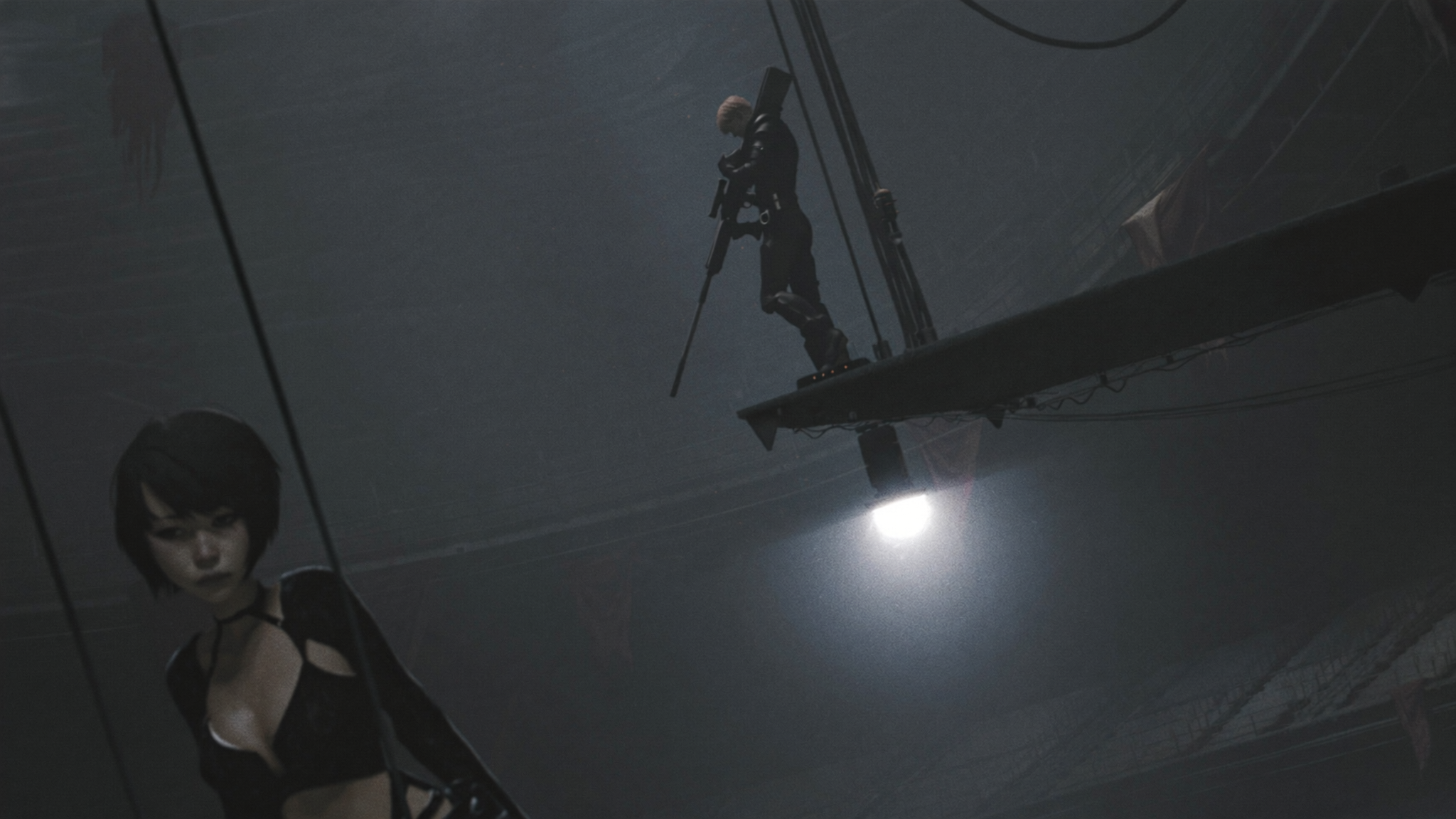
Designing a memorable character used to be a slow, expensive craft. You needed technical drawing skill, a strong sense of anatomy and color, and dozens of revision cycles before a hero, villain, or sidekick felt right. Generative AI has changed that equation dramatically. What once took a concept artist days can now take an afternoon, which means small studios, indie developers, and hobbyists can design original characters quickly enough to keep pace with their imagination.
This guide is a practical walkthrough of building your own anime and game characters with AI. You will learn how to write prompts that actually produce consistent characters, how to keep a character looking like the same person across poses and scenes, and how to automate the fiddly parts like color palettes and lighting. Whether you want a fierce anime protagonist or a chunky game mascot, the workflow here will get you there.
Why AI Character Creation Is Now a Staple of the Pipeline
It is tempting to think of AI character design as a gimmick, but it has become a genuine pillar of digital content creation. The creative process has been democratized to an unprecedented degree. Someone with no drawing background can now iterate through dozens of visual directions in a couple of hours, which changes how teams brainstorm and how quickly ideas move into production.
Two things transformed the field. The first is quality. Modern image models produce detail and texture that rivals professional concept art, especially for stylized genres like anime where the aesthetic is well represented in training data. The second is control. Early tools gave you a random image and hoped for the best; today's tools let you steer composition, reference specific facial features, and request variations that stay on brief.
The market reflects this momentum. Digital assets generated with AI, spanning gaming and animation, represent a fast-growing segment of the creative economy. For a solo creator, that means you are no longer competing to buy talent you cannot afford. You are competing to write better briefs and orchestrate the tools intelligently, and those are learnable skills.
Start with a Brief, Not a Prompt
The single most common mistake beginners make is typing a vague sentence into a generator and hoping the output solves itself. It will not. The character you get out is only as sharp as the brief you put in. So before you touch any tool, write down who this character is.
Answer these questions first. What personality and role do they have, hero, mentor, comic relief? What genre and visual language fits, anime, pixel art, semi-realistic? What are their defining features, hair, build, markings, scars, unique accessories? What is their wardrobe identity, and how does it reflect the role? What is the central color story that should tie all their assets together?
A good brief is a paragraph or two, not a novel. Its job is to give every generation a stable target so that a face drawn from the front, a full body pose, and a close-up of the eyes all feel like the same being. If your brief is fuzzy, your character will be fuzzy, and fuzzy characters are instantly forgettable.
That brief also becomes your reusable asset. Keep it in a file next to the images. When you need to produce the next pose or a new expression, you feed the core brief in again rather than rewriting your character from memory each time. This is how consistency stops being luck.
Writing Prompts That Produce Consistent Characters
Prompting for a consistent character is different from prompting for a single nice image. You need to lock identity features hard and allow flexibility everywhere else. The trick is to repeat the exact same descriptive phrases across every generation, because that repetition is what the model anchors on.
Structure your prompt with a clear order: the character's core identity first, then the pose or action, then the scene, then the style and render quality. For example, instead of "a girl with blue hair," write the identity block as "a teenage anime protagonist with messy indigo hair, silver-gray eyes, a single black earring, and a red-and-black hooded jacket." Reuse that exact block verbatim in every generation of this character.
Keep the identity block constant and change only the variable parts between generations. That variable part is where pose, action, framing, and lighting live. If you find the character drifting in features between runs, remove conflicting adjectives from the variable part and make the identity block stronger and more specific. Consistency is a direct product of how well you protect that single reusable block.
Some tools also support reference imagery. If you already have a face you love from an earlier generation, feed it back as a reference so the model re-synthesizes the same gestures in a new composition. That two-stage approach, generate once, then use that result as the anchor for everything else, is the most reliable way to build a character sheet.
From Single Image to a Full Character Sheet
A proper character is not one drawing; it is a reference set. A character sheet usually includes several views, front, side, three-quarter, and a couple of dramatic poses, plus close-ups of key details like the face and hands. Producing this used to be several days of work; with a solid brief and a reusable prompt block, you can assemble it in an afternoon.
Generate the front-facing hero shot first, because it defines the canon look, and review it honestly. Is the costume readable? Are the colors balanced? Does the silhouette stand out even at a thumbnail size? Fix that shot until it is right, because every other angle will inherit from it.
Work your way around the angles one at a time, keeping the identity block intact and changing only the viewpoint. As you finish each angle, cross-check it against the front shot for drift, and regenerate any that wander off. Then capture detail close-ups: eyes, hands, the weapon or accessory, a belt buckle. These close-ups are what make a character feel lived-in and are disproportionately useful in animation and game texturing.
When your picture set looks cohesive, build the mood and action beats. A character who only stands neutrally is half a character. Generate a fighting stance, a casual pose, an emotional expression, and a small set of outfit variants. Each one reinforces the character as someone with range, which is exactly what directors and game designers need to imagine them in motion.
Anime Style: Channeling the Aesthetic with Precision
If your goal is an anime character, lean into the conventions that define the style, but resist copying a specific existing character. Style accuracy comes from controlling line work, color blocking, shading approach, and the eye treatment, which is the strongest signifier of anime identity.
Large expressive anime eyes carry a lot of the personality; define their shape, sparkle, and iris color in the identity block. Keep the palette bold and largely flat with deliberate highlights, rather than the heavy, muddy shading of realism. Hair is a major feature in anime, so give it a distinctive silhouette that reads from far away, and don't be afraid of impossible colors if they fit the character.
Line weight matters too. Crisp, uniform outlines read as clean cel anime; softer, variable lines push toward a more painterly look. Put your desired line treatment in the style portion of the prompt so every variation shares it. Consistency across a whole character is the difference between a convincing anime OC and a pile of random pretty pictures.
Be careful with copyrighted lookalikes. It is fine to aim for a genre aesthetic, but cloning a specific existing anime character invites legal trouble and makes your work derivative rather than original. Aim for "feels like classic shonen" not "this specific famous girl."
Game Assets: Making Characters Practical, Not Just Pretty
Game character design has different constraints than a decorative illustration. A game asset must read clearly at small sizes, animate cleanly, and sit well in varied scenes and lighting. AI helps you reach a great concept quickly, but you still need to think like a game artist.
Design for a strong silhouette first. A character is identifiable by its outline alone before any color is added, and this matters enormously at the tiny sizes of battle sprites or in busy scenes. Bold hair shapes, distinct capes, or unusual proportions give you that recognizability for free.
Keep the palette limited and readable. Too many competing colors look muddy in-engine and confuse the eye. Choose a primary, a secondary, and an accent, and respect them across poses. That restraint is also what makes it cheap for animators and modelers to work with.
Think in modular terms. A costume split into separable pieces, a helmet, a chest piece, gauntlets, is far easier to swap for alternate equipment than a single painted-through outfit. Generate variants that show the same core design with gear changes. Finally, keep pose references neutral enough to re-rig, and always consider how the design behaves on a transparent or alpha background for spinning thumbnails and iconography.
Automating Color Palettes and Lighting
Two of the most tedious parts of character design, color palettes and lighting, are exactly where AI shines as a labor-saving assistant. Instead of hand-selecting every swatch, you can extract a palette from a generated hero image and then enforce it consistently.
Many pipelines let you pull the dominant tones out of your favorite render and apply them as the palette for subsequent generations, which guarantees that every outfit and prop matches the hero. When you design a variant, reuse that same swatch list so the new look harmonizes rather than clashes with the budget.
Lighting is where characters often go from flat to cinematic. Control the light in the variable part of your prompt: three-point lighting for a clean studio look, dramatic rim light for a moody hero, warm candlelight for a tavern scene, cool moonlight for a fantasy forest. The same character under different light reads as the same person in different worlds, which is exactly what a visual director wants. For games, also generate a neutral, even-light pass that isolates the design from any environment so texture works can judge it clearly.
Mastering palette and light control means you stop fighting the tool and start directing it. It is the difference between "the AI made something" and "I made this character, and the AI helped."
A Repeatable Production Workflow
Here is a clean, reusable sequence you can run for every new character.
One: write the bio brief, and define role, genre, features, wardrobe, and palette in a short paragraph. Two: draft the identity prompt block and generate a front-facing hero render in your chosen style. Three: refine that hero shot through iterations until it is canon. Four: build the sheet by generating front, side, three-quarter, and back angles with the identity block locked and only the pose changed. Five: produce detail close-ups for face, costume, and signature props. Six: add expression and action beats, plus a couple of outfit variants. Seven: extract the palette and generate light-controlled passes. Eight: save the brief, the canonical images, and the prompt block together so the character can be reproduced and extended any time.
The value of this workflow is durability. When you need that character again next month, you are not reverse-engineering old generations; you are reopening a saved project. Consistent reuse is what turns a one-off experiment into a genuine cast of characters you can keep building on.
Frequently Asked Questions
Can I design a character with no drawing skill? Yes. The brief, the prompt craft, and the review discipline matter far more than drawing ability. The tool draws; you direct.
How do I stop the character's face from changing between poses? Protect the identity block by reusing the identical descriptive phrases every time, keep a reference image if your tool supports it, and regenerate stray results until they match the hero shot.
Is it okay to base a character on a famous anime hero? Avoid cloning a specific existing character. Steer toward the genre style and your own unique features; that keeps the work original and legally safe.
Which software should I use? Work with whatever accessible image model you already have or can try free. The workflow transfers because consistency is about brief and prompt discipline, not a specific brand.
How much revision is normal? Plenty, and that is the point. Treat disappointing generations as candidate inputs to refine, roll, and improve, not as failures. The polishing loop is where the real design happens.
