
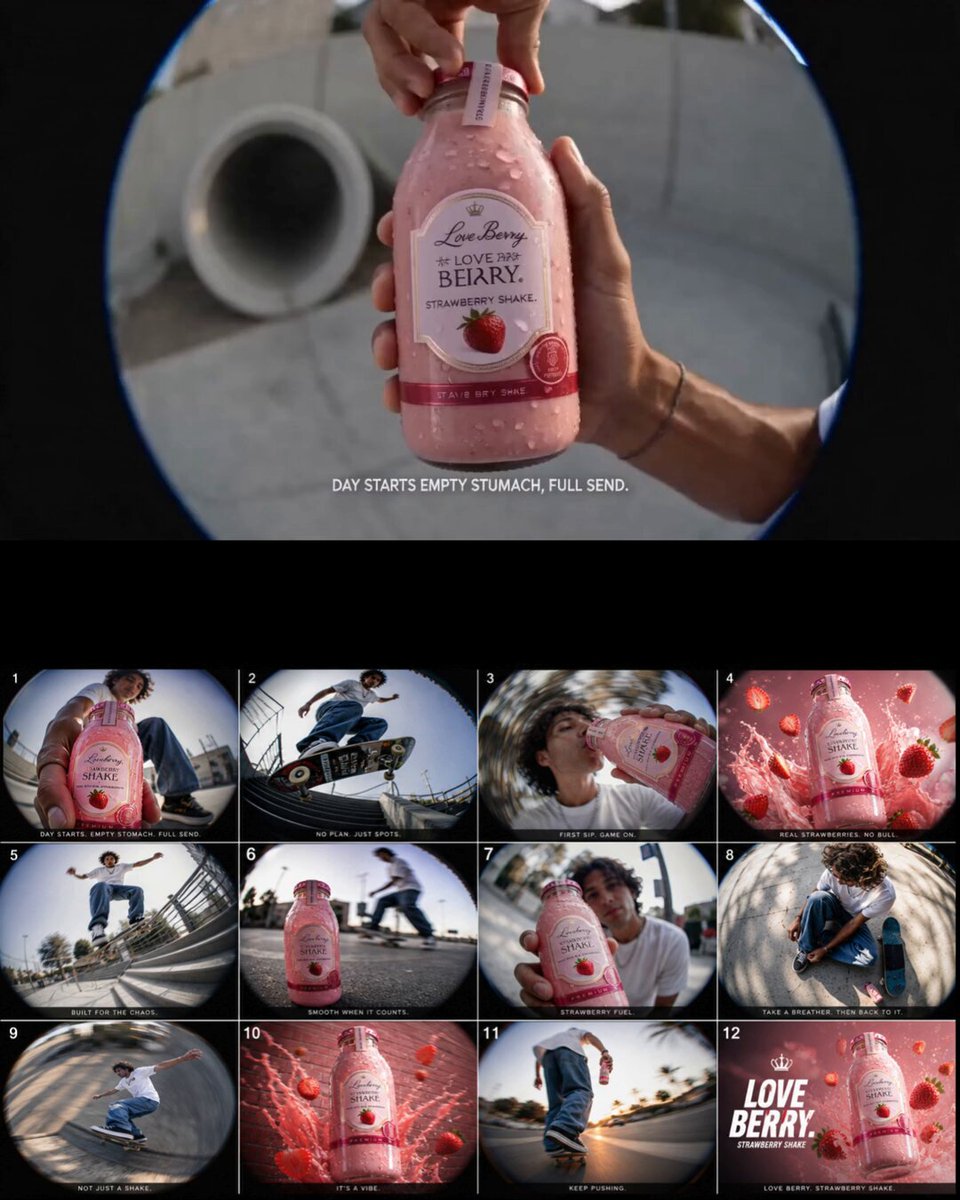
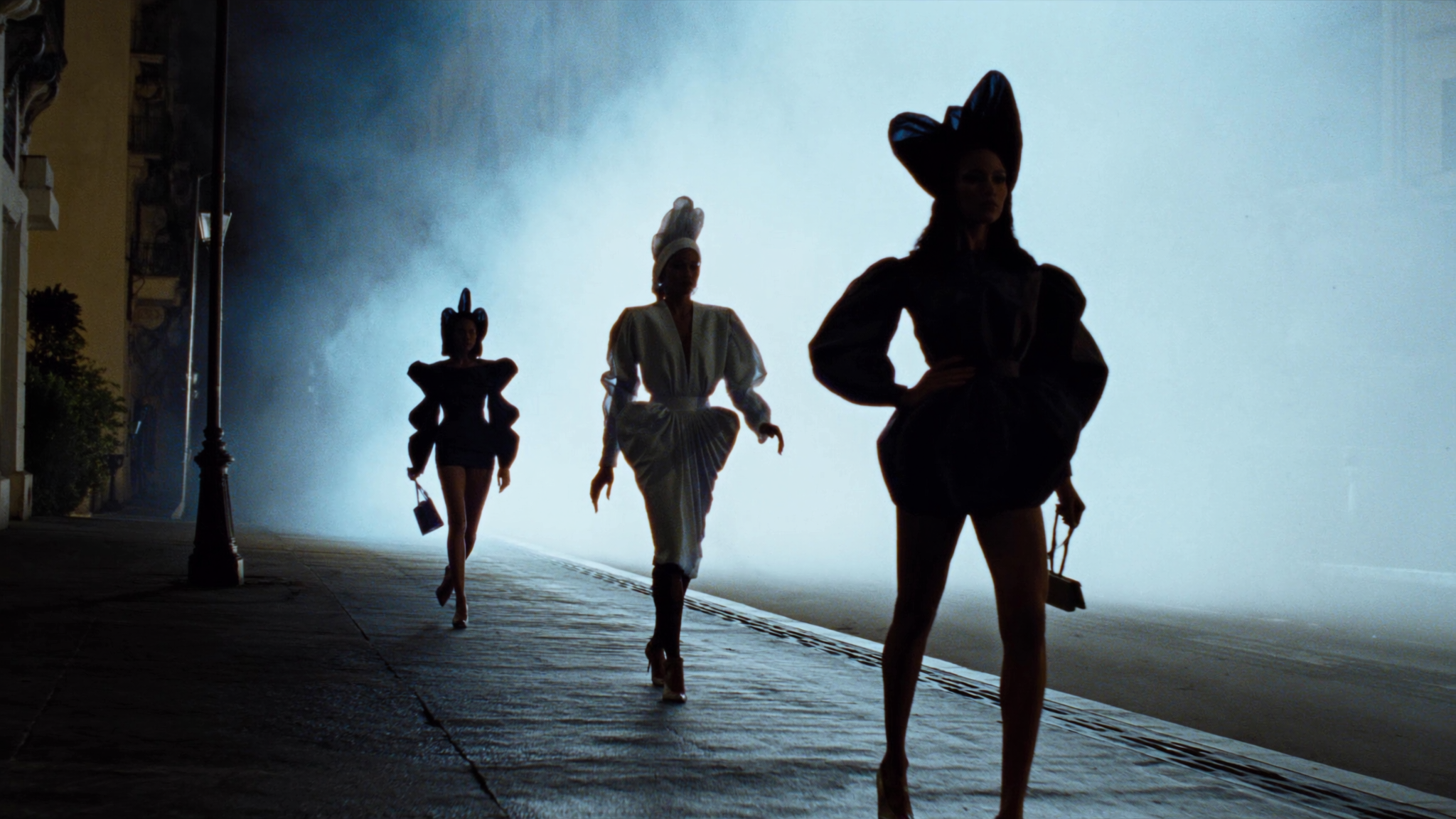

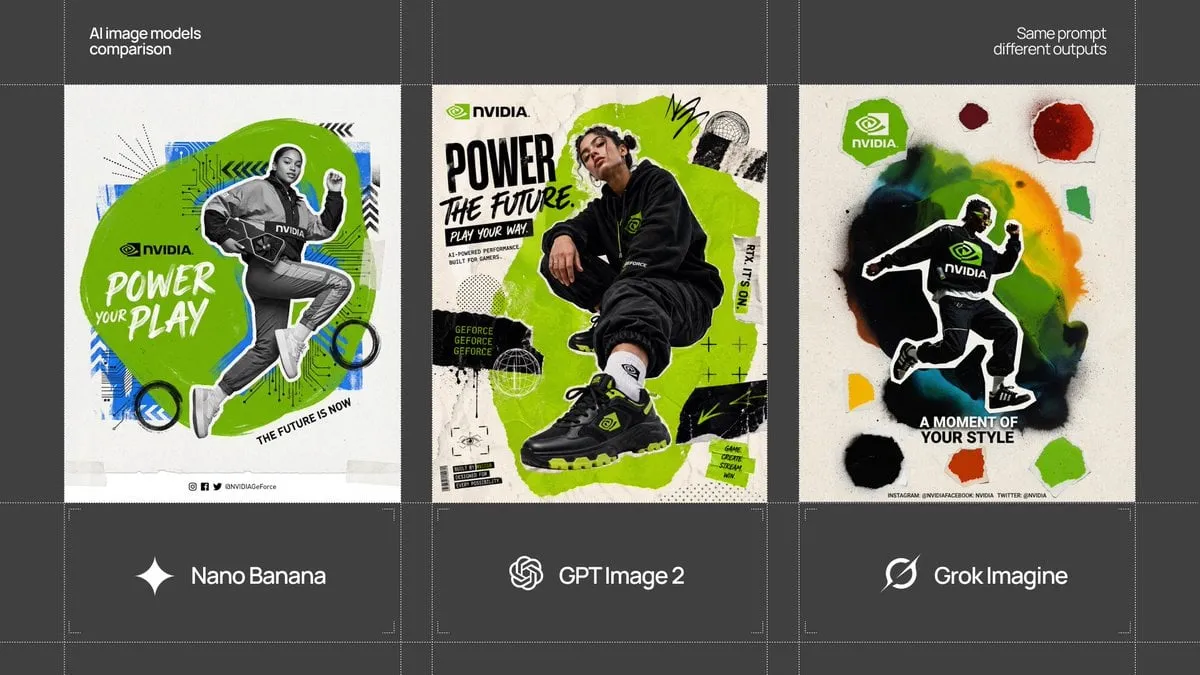
Generative video has stopped being a novelty layer bolted onto traditional production. For a growing number of directors, editors, and solo creators, it is now a genuine pre-visualization tool and, increasingly, a capture substitute for shots that would otherwise be impossible, expensive, or simply not worth a crew day. The interesting question is no longer whether AI can produce a moving image, but how you fold it into a coherent cinematographic process without losing the story.
This guide lays out a practical workflow: how to move from script to shot plan, how to design scenes that hold together across many generations, how to choose a model for a given shot, how to prompt with real camera language, and how to repair continuity when the output drifts. It is written for people who care about frames, not just prompts.
What Changes When AI Enters the Cinematography Workflow
Traditional cinematography is a discipline of constraints. You scout a location, choose a lens, light the room, block the actors, and capture the take. Generative video inverts that order. You begin with intent, describe the frame, and the model proposes an image that may or may not match what you saw in your head. Craft moves partly upstream, into specification and reference gathering, and partly downstream, into selection, repair, and assembly.
Three practical consequences follow from that inversion.
The bottleneck shifts from capture to description. A crew can shoot six setups in a day; a solo creator can generate sixty variations in an afternoon. What limits output is no longer access to a camera but the ability to state precisely what the shot is supposed to be. Vague intent produces beautiful noise.
Iteration becomes cheap but not free. Each generation costs time, compute, and attention. The real budget is not rendering cost but review fatigue. After the twentieth variation of the same alley, most people stop judging objectively and start accepting whatever looks least wrong. Smart teams cap variations per shot and move on.
Continuity becomes the hard problem. A single impressive shot is easy. Ten shots that read as one scene is hard, because the model has no memory of the previous frame unless you rebuild that memory in every prompt, reference image, or edit.
Directing intent versus prompt engineering
Prompt engineering is a useful skill, but it is not directing. Directing is deciding what the audience should feel in a given moment and choosing the visual means to produce that feeling. In AI video, the translation layer between those two things is the prompt, and the quality of the translation depends on how well you can decompose a feeling into concrete visual facts: subject, action, framing, lens, light source, palette, texture, motion.
A director who says "make it sad" gets a generic sad frame. A director who says "a woman alone at a formica diner counter at 5 a.m., wide shot, cold overhead fluorescents, one warm practical behind her, rain on the window softening the streetlights" gets something usable. The second version is not more technical for its own sake; it is a specific emotional proposition rendered in visual terms.
What still belongs to humans
Everything that requires judgment across time: which beats matter, where the cut goes, what the audience knows and when, whether a shot earns its length. Models are excellent at producing a plausible frame and poor at deciding whether that frame belongs in the sequence. Keep editorial authority firmly human, and treat generation as a supplier of raw material.
A Three-Layer Model for an AI Video Pipeline
The most common failure in AI video work is treating every task as one task. Split the pipeline into three layers, and each layer becomes easier to reason about.
Layer 1: Story and beat structure
This layer is text. Outline the sequence as beats: a character wants something, something blocks them, something changes. Write one sentence per beat. For a two-minute piece, eight to fifteen beats is usually right. Nothing visual happens here, and that is the point. If the beats do not work in plain language, no amount of cinematic polish will save them.
Layer 2: Visual language and look
Here you define the rules of the world: palette, contrast, lens character, film grain, aspect ratio, camera height conventions, how light behaves, how the environment reacts to movement. Write this as a short style brief you can paste into prompts and share with collaborators. A style brief of five to eight lines prevents the drift that otherwise appears by shot six.
Layer 3: Shot execution and continuity
This is where individual frames are generated, reviewed, and repaired. Treat it as manufacturing: each shot has an input (prompt, references, constraints), a specification (duration, motion, framing), and an acceptance criterion. Without acceptance criteria, review becomes taste-driven and endless.
Pre-Production: Turning a Script into a Shot Plan
AI video rewards pre-production more than live action does, because the model cannot improvise in your favor. It can only follow the specification it was given.
Beat sheets and scene cards
Convert each beat into a scene card with four fields: purpose, location, characters present, and emotional temperature. Purpose is the field people skip and the one that matters most. If a shot's purpose is "establish that the city is indifferent to her," you now have a criterion for judging every variation.
Shot lists, coverage, and lens logic
Write a shot list even for a one-minute piece. Include shot size, angle, movement, and approximate duration. Then impose lens logic: decide which focal lengths belong to which emotional register. A common convention is wide lenses for isolation and context, longer lenses for intimacy and compression. In generative video, "lens" is expressed as a descriptive cue rather than a physical object, but the visual effect is the same, and consistency of that cue is what makes a sequence feel shot by one camera department.
Reference boards and look books
Collect stills, paintings, photographs, and earlier generations that match the target. Group them by function: lighting references, palette references, composition references, texture references. When you later need to fix a shot, you will reach for these boards, and having them organized by function saves hours.
A rule about scope
Start with the two hardest shots in the piece. If those cannot be made to work acceptably, the concept needs adjusting before you have invested in thirty easy shots.
Scene Design and Environmental Continuity
Scene design in AI video is mostly about what the model will and will not remember. It will not remember your set. You have to describe it the same way twice, and then a third time.
Blocking, depth, and layered composition
Ask for layers: foreground element, subject, midground activity, background depth. A frame described as "street with a car" looks flat. A frame described as "foreground: wet bicycle rack in soft focus; subject: woman in a red coat crossing mid-frame; background: bus shelter and receding traffic, shallow depth of field" reads as a real place. Layering also gives you room to cut within the scene without the audience noticing the environment has subtly changed.
Keeping environments stable across shots
Three tactics work reliably. First, lock a vocabulary: use identical nouns and adjectives for the same set in every prompt, and never paraphrase. Second, anchor with a canonical reference image generated once, then reuse it as an input for every subsequent shot in that location. Third, choose camera positions that reveal less: a tighter frame hides inconsistencies that a wide establishing shot exposes. Save the full establishing wide for the moment you can afford to make it perfect.
Lighting as narrative signal
Light is the fastest way to communicate tone and the easiest thing to keep consistent, because you control it in language. Decide a key light direction for the scene and keep it. If the scene turns, turn the light with it: warmer practicals as a character relaxes, harsher top light as pressure builds. Because you are specifying light rather than rigging it, changes cost nothing — use that freedom deliberately instead of randomly.
Choosing the Right Video Model for Each Shot
Different shots have different requirements. Matching the tool to the shot is more valuable than loyalty to any single platform.
Photoreal versus stylized
Photoreal work demands accurate skin, fabric, and reflections, and punishes any softness in the prompt. Stylized work — animation, painterly, graphic — tolerates ambiguity and often looks better with shorter prompts. If your piece mixes registers, decide early which register carries the emotional weight, and use the other sparingly as punctuation.
Motion-heavy versus near-static shots
Complex motion (crowds, water, fabric in wind, camera moves through space) is where most models still struggle. If a shot is motion-heavy, expect more variations before acceptance, and consider reducing ambition: a locked-off frame with subtle subject motion often reads as more cinematic than a swooping move that warps halfway through.
Iteration budget and render time
Before generating, decide how many attempts a shot deserves. A rough heuristic: three attempts for workhorse shots, eight for hero shots, and a hard stop at ten before you change the approach rather than the wording. If ten variations fail, the problem is usually conceptual — the shot is under-specified, too complex, or simply not the right shot for the sequence.
Speed versus fidelity
Faster draft modes are for composition testing; slower high-fidelity modes are for the shots you will actually cut. Generate the whole sequence in draft first. Watching a rough cut of twelve ugly shots teaches you more about pacing than a perfect render of one.
Prompting for Cinematic Results
Prompts work best when they read like a shot description from a call sheet, not like a wish.
The anatomy of a shot prompt
A reliable structure has six parts, in this order:
- Shot size and angle (wide establishing, medium close-up, low angle)
- Subject and wardrobe (specific, physical, consistent)
- Action in the present tense (she turns, he sets down the glass)
- Environment with layering (foreground, midground, background)
- Lighting and time (overcast dawn, single warm practical, hard noon sun)
- Look and texture (lens character, grain, contrast, palette)
Keep it under about ninety words. Beyond that, later clauses tend to override earlier ones and the frame becomes muddy.
Camera vocabulary that reliably works
Terms like slow dolly in, handheld tracking, static tripod, shallow depth of field, wide-angle distortion, telephoto compression, and slight camera shake are broadly understood. Terms borrowed from specific equipment rarely translate usefully. Describe the visual result rather than the hardware.
Negative direction and known failure modes
Most tools accept an exclusion list. Build one per project and reuse it: no text overlays, no extra fingers, no warped faces, no logos, no sudden lighting shifts, no lens flares unless requested, no crowd morphing. Additive fixes to a bad generation rarely work; prevention in the negative list usually does.
Test the prompt at low resolution first
Generate a small version to check composition and intent, then commit to the full render. This single habit saves more time than any other optimization.
Continuity, Repair, and Post-Production
Character and wardrobe consistency
Lock identifiers and reuse them verbatim: age, hair, clothing colors, distinguishing features, and body type. When a tool supports reference images, use a clean, well-lit still of the character and attach it to every shot. Wardrobe changes should be planned as story beats, not discovered in the render.
Re-roll, repair, or reshoot?
Use a decision ladder. If composition is right and a small area is wrong, repair locally. If composition is wrong but the concept works, re-roll with adjusted framing language. If the concept keeps failing after ten attempts, redesign the shot — usually by reducing what it must accomplish in one frame. Splitting an overloaded shot into two simple shots fixes more problems than any prompt trick.
Edit rhythm, sound, and grade
AI-generated clips rarely arrive with usable audio, and they arrive with inconsistent color. Build the edit first, with temp music or a scratch track, then grade the whole sequence in one pass so the palette unifies. Sound design is where AI sequences most often feel fake: real ambience, room tone, and small foley details do more for believability than another render pass.
Watch for the uncanny drift
Review the sequence at playback speed, not frame by frame. Problems that are invisible in stills become obvious in motion: micro-jitter, breathing backgrounds, faces that shift between shots. Fixing those is a higher priority than polishing detail.
Worked Example: A Three-Shot Sequence
Take a simple premise: a courier waits in a rain-soaked alley for a handoff that never comes.
Beat: she arrives early, waits, realizes she has been stood up.
Style brief: night, rain, sodium streetlights, teal shadows, 2.39:1, shallow depth of field, subtle grain, locked-off or slow-motion camera only.
Shot 1 — establishing (wide, slow push in). Foreground: dripping fire escape in soft focus. Midground: courier in a dark jacket under an awning, small in frame. Background: wet alley receding to a lit street, distant traffic. Purpose: isolation and scale.
Shot 2 — medium close-up, static. Her face half-lit by a phone screen, rain audible, breath visible. Purpose: the waiting begins to cost something.
Shot 3 — tight insert, handheld. Her hand opens a folded note; rain darkens the paper. Purpose: the reveal that the plan has failed.
Each shot reuses the same four nouns: awning, fire escape, wet asphalt, sodium light. The character description is pasted unchanged. The negative list excludes umbrellas, crowds, and visible signage. Shot 1 gets more attempts than shots 2 and 3 combined, because wides expose inconsistency and close-ups hide it. After the edit, one grade pass unifies the three, and rain ambience plus a distant car door covers the transitions.
That is a complete scene, roughly twelve seconds, built from a paragraph of intent.
Common Mistakes in AI Cinematography
Writing prompts like wishes. Emotional adjectives without physical specifics produce generic images. Convert every feeling into something visible.
Generating shots in random order. Build the hardest, most continuity-sensitive shots first. Later shots can then reference a real, approved frame instead of an imagined one.
Changing the vocabulary mid-sequence. Rewording the description of the same location is the single most common cause of visible discontinuity.
Overloading a single shot. If a frame must establish place, introduce a character, and deliver a plot point, split it.
Skipping sound. Silent AI footage reads as a demo. Sound design is what makes it read as cinema.
Judging stills instead of motion. Always review at speed, in context, with the neighboring shots visible.
Endless re-rolling. Set attempt limits in advance and treat reaching the limit as a signal to change the concept, not the adjectives.
FAQ
How many shots should I plan for a one-minute piece?
Eight to fifteen is a comfortable range for narrative work. Fewer than six usually feels static; more than twenty in a minute feels like a montage rather than a scene.
Do I need a script if I am generating shots directly?
You need beats, not necessarily formatted script pages. A one-line purpose per shot is the minimum viable version of a script, and it prevents the most expensive mistake: beautifully rendered shots with no reason to exist.
How do I keep a character consistent across many shots?
Freeze a written description and never paraphrase it, attach a clean reference still where the tool supports it, favor consistent lighting conditions, and avoid extreme angle changes that alter facial geometry dramatically.
What is the best way to handle complex action?
Break it into simple components: a shot of the action beginning, a reaction shot, an insert of the consequence. Complex continuous action is the weakest area of current tools; editorial fragmentation is the strongest workaround.
Should I generate at the highest quality from the start?
No. Draft everything at low resolution, assemble a rough cut, and only then spend high-fidelity renders on shots that survive the edit. Many shots you thought were essential will not make the cut.
When is AI video the wrong tool?
When the value is in performance, unbroken physical action, or documentary authenticity. If a viewer must believe a real person said those words in that room, a camera remains the better instrument. Use generation where it expands what is possible, not where it merely replaces what already works.
How do I keep a consistent look across a whole project?
Write a short style brief and treat it as a contract: palette, contrast, lens character, grain, aspect ratio, and camera-height conventions. Paste it into every prompt, grade everything in one pass, and resist the temptation to make any single shot a special case.
