

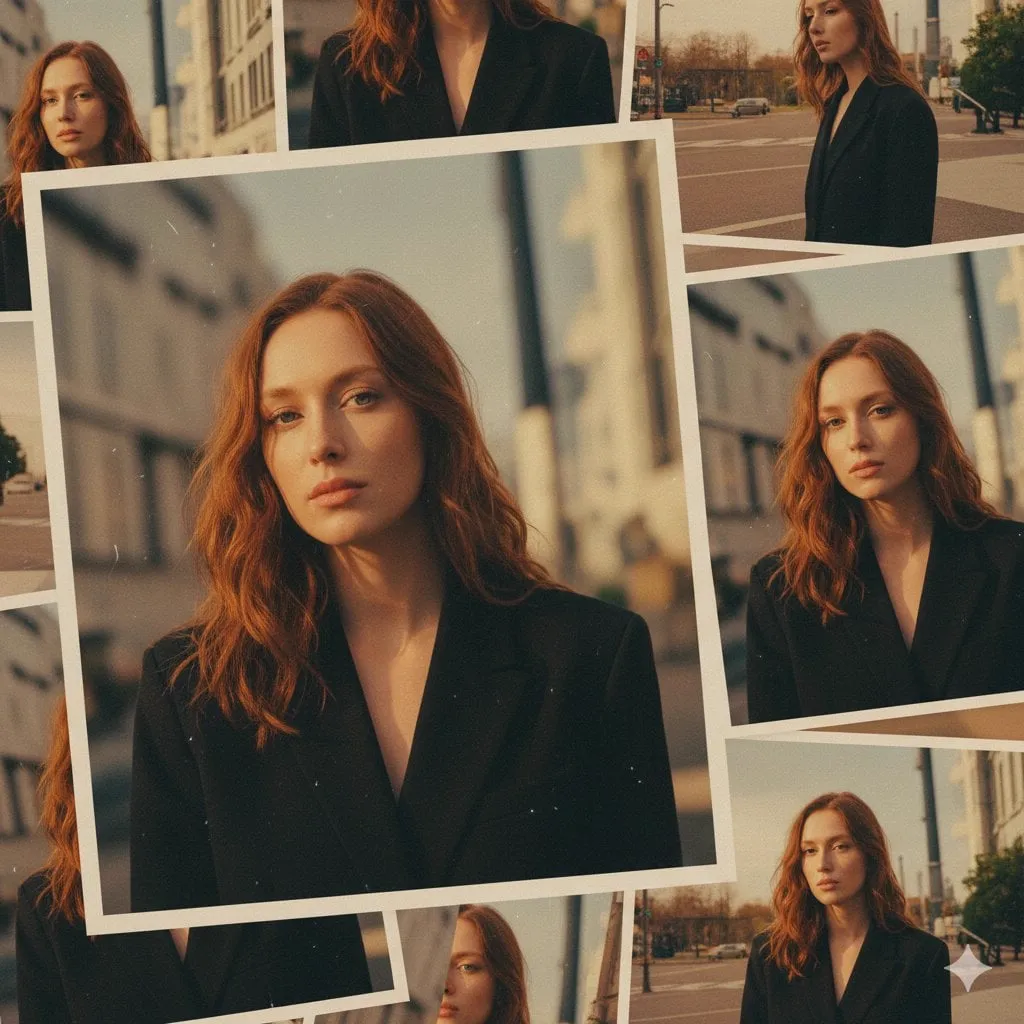
Storytelling has always been the key to successful video. The tools change, but the truth does not: an audience remembers a story, not a sequence of pretty shots. In 2025, artificial intelligence is pushing this craft to a new level, and the most interesting development is the AI director agent — a system that helps creators translate their creative vision into finished video with Hollywood-style cinematic quality. This guide explains how AI director agents work, how to use them across the production process, and how they improve storytelling without replacing the creator's judgment.
Why storytelling is the new battleground
The short-form video boom is not slowing down, but audiences have moved past simple content. They want deeper, more coherent narratives — stories with a beginning, a middle, and an end, told with intention. Meanwhile, the market for AI-generated video has grown past $15 billion and is projected to double by 2027. The supply of video is exploding, but the demand for stories that actually hold attention is growing faster.
In this environment, storytelling is no longer a luxury; it is a competitive advantage. The technical capability to generate video is increasingly accessible. What separates successful creators is the ability to direct: to decide what the audience should feel, what they should see, and when. AI director agents exist to close the gap between that creative direction and the mechanical work of turning it into a shot list, camera moves, and model parameters.
1. How an AI director agent fits into your workflow
An AI director agent sits between your creative intent and the generation engine. It is not a replacement for a human director; it is a force multiplier for one.
1.1 Turning creative directions into executable shots
The primary job of an AI director agent is translation. When you say "a slow-moving shot through a mysterious alley," the agent converts that high-level direction into technically executable parameters: camera movement, lens behavior, lighting cues, pacing, and the right model for the job. It uses natural language understanding to grasp narrative intent, then produces a shot plan the generation system can follow.
This matters because the skill of prompt engineering and the skill of storytelling are different. A great storyteller may not know how to express "tension" as a camera parameter. The agent handles that translation, letting the creator work in the language of stories rather than the language of parameters.
1.2 Working with a library of models
No single model is best for everything. Some excel at photorealistic close-ups, others at stylized landscapes, others at fast motion. An AI director agent knows the strengths of the models available in its platform and routes each shot to the most appropriate engine. The same story can therefore combine the best of several worlds: natural physics from one model, detailed close-ups from another, consistent style from a third.
1.3 Keyframes and story continuity
Longer narratives fail when consistency breaks. An AI director agent manages keyframes and continuity: it keeps track of characters, locations, and style constraints across the whole project, and re-applies them for every shot. This is what makes a ten-scene story possible instead of ten disconnected clips.
2. Using the agent across production phases
2.1 Concept and planning
The first phase is where the agent adds the most value. Give it your concept — a paragraph, a logline, a rough script — and it produces a scene breakdown: what each scene shows, how the camera moves, how the tone shifts, and which shots are needed. You review the plan, adjust the beats, and only then move to generation. Planning this way catches structural problems before any pixels are wasted.
2.2 Production and real-time direction
During production, the agent executes the plan. It generates shots, applies the continuity constraints, and flags shots that may break consistency. You review each result and direct changes: "tighter framing," "slower reveal," "more dramatic lighting." The agent converts your notes into revised parameters and regenerates. This loop — direct, review, revise — is fast enough that a single session can iterate a scene many times.
2.3 Post-production and refinement
After the shots exist, the agent helps with assembly: ordering scenes, suggesting transitions, timing narration, and aligning the audio with the visuals. It can also draw on community feedback — comments, engagement data, and shared prompts — to refine the approach for the next project. Storytelling becomes a learning loop rather than a one-shot gamble.
3. Advanced storytelling techniques
3.1 Multi-image fusion and character consistency
The most reliable way to keep a character recognizable across a story is reference-based generation. Multi-image fusion takes several reference images — a character sheet, a location, a style frame — and applies them as constraints to every shot. The protagonist in scene one is the same person in scene ten. For stories that depend on a single strong character, this is the difference between a film and a montage.
3.2 Automating cinematic language
Cinematic language — shot size, angle, movement, lighting — is a vocabulary. Wide shots establish, close-ups intensify, low angles empower, handheld shots add urgency. AI director agents can apply this vocabulary automatically, choosing appropriate camera language for each beat of the script. You do not need to name every technique; you describe the feeling, and the agent selects the visual grammar.
3.3 Regional styles and model selection
Different regions and genres have developed distinct visual styles. An agent that understands model strengths can select engines suited to the aesthetic you want: the clean, stylized look popular in one market; the gritty realism favored in another. Combined with style references, this lets you produce content that feels native to its intended audience.
4. Under the hood: why the architecture matters
An AI director agent is only as good as the system around it. Production-grade platforms are built on modular architectures with dependency injection, which means models can be added, updated, and replaced without breaking the whole system. This matters to creators because it means the agent can always route to the newest and best model, and it means the platform can scale from a solo creator to a team without redesigning the workflow. You do not need to understand the internals, but you benefit from their stability.
5. Practical tips and workflows
Here is a repeatable process for using an AI director agent well.
- Write a tight brief. One paragraph: who is the story about, what do they want, what changes by the end.
- Let the agent propose a scene breakdown. Review it as a director, not a technician.
- Lock your references. Character sheets and style frames before the first generation.
- Generate scene by scene. Review each scene, give specific notes, regenerate.
- Assemble and refine. Check pacing, transitions, and narration across the full sequence.
- Learn from the data. Use engagement feedback to sharpen the next brief.
The most important habit is specificity in direction. "Make it more dramatic" is weak; "start the scene on a slow close-up of the character's hands, then reveal the setting" is direction. The agent amplifies clear intent; it cannot invent intent that was never stated.
Common mistakes and how to avoid them
AI director agents amplify whatever direction they receive, including weak direction. The most common failures come from the human side of the workflow.
- Vague briefs. "Make a video about coffee" produces generic output. "A barista opens a small shop in a rainy city and discovers that slowing down is the secret to making great coffee" gives the agent something to direct.
- No references. Characters and worlds drift without anchors. Lock character sheets and style frames before generation.
- Accepting the first pass. The first draft is a proof of concept, not the film. Direct, revise, and regenerate — that loop is the work.
- Micromanaging every parameter. Trust the agent for technical execution and spend your attention on story, tone, and pacing.
- Ignoring feedback data. Engagement metrics and comments tell you what the audience actually responded to. Use them in the next brief.
Measuring storytelling success
Storytelling is craft, but it is also measurable. These signals separate a story that lands from one that does not:
- Completion rate. How many viewers reach the end? A story that loses people at the same moment every time has a structural problem worth fixing.
- Re-watch behavior. People who rewatch are emotionally invested; that is the strongest signal of a memorable story.
- Comments beyond praise. Questions, disagreements, and theories mean the story made people think. Praise is nice; engagement is evidence.
- Recall. In a week, can someone describe your story in one sentence? If not, the narrative was forgettable, regardless of the visuals.
Track these across projects and you will notice patterns: certain openings hold attention better, certain pacing works for your audience, certain emotional beats generate discussion. Feed those patterns back into the brief, and the next story starts stronger.
A worked example: from logline to film
To show how the pieces fit, here is a complete mini-case. The brief is one sentence: "A night-shift baker in a small town finds an old letter that changes how she sees her routine."
- The agent proposes a scene breakdown: an establishing shot of the town at night, a close-up of the baker's hands working dough, a discovery beat as she opens the letter, a slow dolly-out as she reads, and a final shot of the bakery window with her reflection smiling.
- You direct the beats: make the discovery beat slower, add a pause before she opens the letter, soften the light in the final shot.
- References are locked: one photo of the baker's face, one style frame for the warm night palette, one photo of the bakery interior.
- The agent generates each scene, applies the continuity constraints, and flags shots where the light drifts from the style frame.
- You review, adjust, regenerate the flagged shots.
- Assembly: the agent orders the scenes, times the narration to the beats, and suggests a transition from the dough close-up to the letter.
- You export, review the full sequence, and note what to improve in the next brief.
Nothing in this example required advanced technical knowledge. It required a clear story, specific direction, and the discipline to review each beat. That is the whole craft.
Frequently asked questions
Q: Does an AI director agent replace human creativity?
A: No. It automates translation and execution, but the story, the taste, and the decisions remain yours. The best results come from a clear human vision plus a capable agent.
Q: Do I need to be a filmmaker to use one?
A: No. The agent handles the technical vocabulary. A basic sense of pacing and emotion is enough to start; the agent teaches you the craft as you direct.
Q: Which model should the agent use for my project?
A: Let the agent decide based on the shot type, but override it when you have a specific aesthetic in mind. Knowing a few model personalities helps you direct more precisely.
Q: Can I use this for client work?
A: Yes. The planning phase is particularly valuable for clients: they can review a scene breakdown before any expensive generation happens.
Q: What is the minimum setup to start?
A: A clear brief, a platform with an AI director agent, and references for your characters and style. Everything else can be added as projects grow.
Q: How do I handle client approvals?
A: Get approval at three checkpoints: the brief, the scene breakdown, and the drafts. Approving direction early prevents expensive rework later, and it makes the client part of the creative process.
Q: How is this different from just using a video model directly?
A: A raw model generates clips; an agent directs a story. The agent handles shot planning, model routing, continuity, and assembly — the layers between a story idea and a finished sequence.
Conclusion
The best video storytelling in 2025 combines human vision with machine execution. AI director agents translate creative direction into shots, keep characters and style consistent, and apply cinematic language automatically — but the story remains yours. Start with a clear brief, direct the agent scene by scene, and use feedback to sharpen the next project. That is how individual creators now produce work that once required a full production team.
