
Why AI Changes the Short Documentary Pipeline
Short documentaries sit on a contradiction. They need the texture of the real world, but they are usually produced by two or three people working against a deadline that never moves. A ten-minute film about a river restoration crew, a family bakery, or a night-shift paramedic can demand dozens of locations, seasonal coverage, and interview setups that a small team cannot realistically capture alone.
Generative video tools changed that arithmetic. The useful question is no longer "can we afford to shoot this?" but "which shots must be real, and which can be synthesized with enough fidelity to carry the story?"
That reframing is the whole game. AI video is not a replacement for documentary craft. It is a second unit that never sleeps, never needs permits, and can produce a slow push across a foggy estuary at sunrise on a schedule of your choosing. Used well, it fills the connective tissue between your real footage and your narration. Used badly, it produces a slideshow of uncanny faces that destroys trust in the first ninety seconds.
This guide walks through the entire pipeline: writing a script that a generative system can actually execute, locking visual consistency across dozens of shots, choosing the right model per shot type, directing virtual camera movement, stitching everything into a coherent cut, designing sound, and avoiding the mistakes that sink most AI-assisted documentaries.
Writing a Script Your AI Pipeline Can Execute
Most AI video projects fail at the script stage, long before a single frame is generated. Filmmakers write a beautiful narrative script filled with abstract emotional language, feed it into a text-to-video tool, and receive something generic. The problem is not the model. The problem is that the script was written for humans, not for a system that needs concrete visual instructions.
From Logline to Shot List
Start by writing the film you want in normal prose. Then translate it into a numbered shot list where every line describes a single camera setup. A documentary about a coastal fishing town might move from an opening aerial to a close-up of rope, then to a medium shot of a boat at dock.
Each shot gets four pieces of information:
- Subject: who or what occupies the frame, described as a physical entity
- Action: the single motion that defines the shot
- Environment: location, weather, time of day, and background activity
- Camera: framing, lens feel, movement, and duration
A weak instruction reads: "Show the sadness of the town losing its fleet." A strong instruction reads: "Medium-wide shot of an empty wooden dock at low tide, morning haze, a single coiled rope in the foreground, slow drift left, six seconds." The second version gives the generator something to render and gives your editor something to cut.
The Grammar of Scene Descriptions
Generative systems respond well to a consistent descriptive order. Pick one and use it in every prompt. A reliable pattern is: subject, wardrobe or texture detail, action, environment, light quality, camera move, duration, and negative constraints.
Negative constraints deserve more attention than they usually get. If your film cannot show modern cars in a period sequence, say so explicitly. If you need faces to remain partially obscured for privacy reasons, state that. Documentaries often carry ethical obligations that fictional work does not, and prompts are part of that contract.
Narration, Interviews, and the Hybrid Structure
AI generation handles b-roll and transitional imagery far better than it handles human testimony. Build your structure around that reality:
- Record real interviews first, even if only as scratch audio
- Mark every place where narration or a voice-over bridges two ideas
- Assign generated footage to the bridges and to any environment that no longer exists
- Reserve real footage for faces, hands, and anything that must be verifiably true
This hybrid approach keeps the film grounded. Audiences forgive a synthesized harbor at dusk. They do not forgive a synthesized interviewee presented as a real person.
Locking Consistency Before You Generate a Frame
Consistency is where AI documentaries are won or lost. A viewer can tolerate a slightly artificial texture. They cannot tolerate a protagonist whose jacket changes color between shots, or a street that rearranges itself every time the camera returns.
Build a Visual Bible
Before generating, assemble a reference document that includes:
- Character reference images from multiple angles, ideally five or more
- Location reference images at different times of day
- A color palette with three to five dominant tones
- Lens and film stock references that define the overall texture
- A list of recurring objects that carry narrative meaning
The visual bible is not decoration. It is the input that keeps a project from drifting. When a shot looks wrong, you compare it against the bible rather than against your memory of the last render.
Multi-Image Fusion and Character Locking
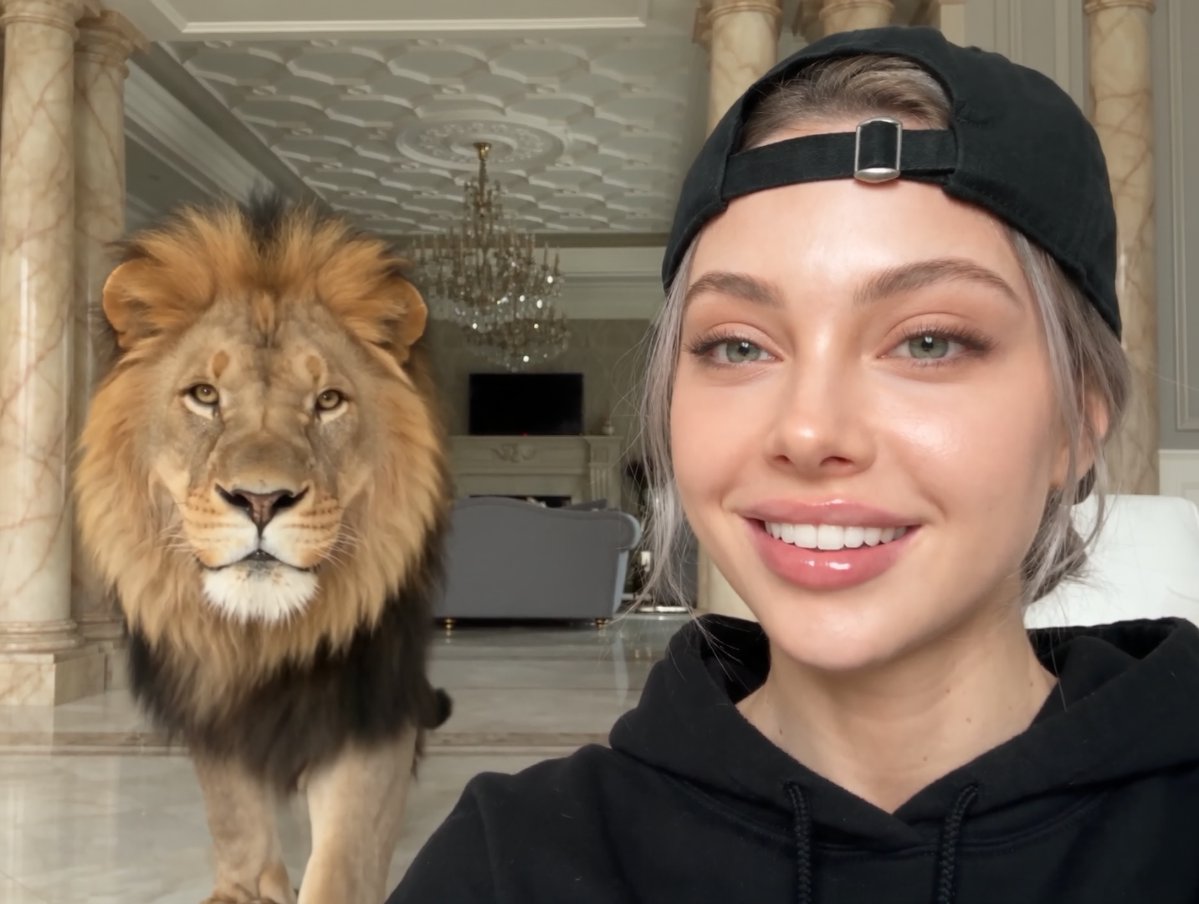
Modern tools let you supply several reference images and instruct the system to blend identity from all of them. For a documentary featuring recurring subjects, this is essential. Upload three to five images of the same person, then describe the new scene while instructing the system to preserve facial structure, hair, and wardrobe.
Test the lock early. Generate ten short clips of the same character in ten different environments. If the face holds, proceed. If it drifts by clip four, refine your references before you build a library of unusable material.
Location Continuity
Locations drift more subtly than people. A room's window placement, wall color, or furniture arrangement can shift without triggering obvious alarm, yet the audience feels the inconsistency as disorientation.
Solve this with a master plate. Generate one wide shot of each location that you are happy with, then use it as a reference for every subsequent angle. Treat it the way a real production treats a continuity photograph taken at the end of each setup.
Choosing the Right Model for Each Shot Type
There is no single best generator. There are models that excel at photoreal environments, models tuned for stylized motion, and models designed for archival texture simulation. A documentary pipeline should route each shot to the tool best suited for it.
Matching Tools to Shot Categories
| Shot category | Characteristics to prioritize | Typical duration |
|---|---|---|
| Establishing environment | Photoreal depth, atmospheric light | 5-8 seconds |
| Human close-up | Facial stability, skin texture | 3-5 seconds |
| Archival simulation | Grain, gate weave, low saturation | 2-4 seconds |
| Diagram or abstract | Clean motion graphics, legible type | 4-6 seconds |
| Transitional texture | Motion blur, natural noise | 1-3 seconds |
Keep a working list of which generator you used for which category, along with the exact prompt and reference images. In a forty-shot film, you will need to regenerate something, and reconstructing the settings from memory is close to impossible.
When to Fine-Tune
Fine-tuning a custom model makes sense when a project has a distinctive visual identity that repeats across many shots: a specific film stock, a recurring illustrated sequence, or an archival look tied to a particular era. Training takes effort, so reserve it for projects with twenty or more shots sharing that look.
For one-off sequences, reference images and careful prompting usually get you close enough. Spend your time on the shots that repeat.
Decision Criteria at a Glance
Ask four questions before choosing a tool for a shot:
- Does this shot need recognizable human identity? If yes, prioritize face stability over everything else.
- Does it need to match an existing shot? If yes, start from a reference image.
- Does it carry factual weight? If yes, consider shooting it practically or using archival material instead.
- Does it need to be longer than six seconds? If yes, plan to generate it in segments and blend them.
Directing Virtual Camera Work and Pacing
A documentary's emotional rhythm comes largely from camera behavior and cut length. AI generation gives you unusual control here, because every movement is specified rather than performed.
Movement Serves Meaning
Slow, steady movement reads as observational and patient. That suits reflective narration. Handheld-style drift reads as immediate and slightly unsettled, which suits conflict or urgency. Locked-off static shots read as formal and deliberate, useful for interviews and archival interludes.
Choose one dominant mode per sequence. If your opening uses slow dollies and your second act uses aggressive handheld, the transition should be motivated by a change in the story, not by variety for its own sake.
Shot Length Strategy
Documentary editing often uses longer takes than narrative film, because observation is part of the form. But generated footage has limits: faces and fine details degrade over time. A practical rule is to generate five to eight seconds per shot and cut at two to four seconds, saving the full length for shots that hold up.
This gives you trim room in the timeline and reduces the chance that a subtle artifact becomes visible during an unhurried moment.
Prompting Movement Precisely
Vague movement instructions produce vague results. Compare:
- Weak: "Camera moves slowly"
- Strong: "Camera drifts left at walking pace, keeping the doorway centered, no vertical movement"
Include what should stay fixed. Anchoring the frame to an object tells the system what to preserve, which noticeably reduces warping.
Editing, Stitching, and Temporal Coherence
The edit is where generated clips become a film. It is also where continuity problems become obvious, because two shots that looked fine in isolation may clash when placed side by side.
The Assembly Pass
Build a rough assembly using placeholder audio before generating everything. Narration timing defines how long each shot must be, and generating footage before you know the timing wastes enormous effort.
Once the voice track is locked:
- Place the best available clip for every shot, even if imperfect
- Mark shots that need regeneration in a dedicated bin
- Watch the assembly end to end without pausing
- Note only the three to five moments that genuinely break the film
That last step matters. Directors often generate a list of thirty problems and fix none of them well. Fix the structural issues first.
Matching Color and Texture Across Sources
Generated clips from different tools rarely match out of the box. Bring every clip into a single color pipeline and apply a unifying grade. A subtle film grain overlay across the entire film does more for coherence than perfect per-shot matching.
If some footage is real and some is generated, push the grade toward the generated material. Intercutting tends to hide artificial texture better than it hides mismatched contrast.
Blending Generated Segments
For shots longer than the reliable generation window, generate overlapping segments and blend them in the edit. Two approaches work well:
- Cut on motion: place the transition where the camera or subject is moving fastest
- Dissolve with matched framing: overlap the last half-second of segment A with the first half-second of segment B
Motion-based cuts are almost always invisible when the framing matches. Dissolves draw attention to themselves unless the whole film uses them stylistically.
Sound Design, Narration, and Music
Documentary audio does more work than most first-time directors expect. Generated footage is often thin on ambient sound, and silence exposes artificial motion.
Three Layers of Ambience
Build every scene with at least three audio layers:
- Base ambience: room tone, wind, distant traffic, water
- Mid detail: specific sounds tied to visible action, like footsteps or machinery
- Foreground accents: moments that sync with cuts or narration beats
Even a fabricated ambience bed transforms a generated clip. A harbor shot with gulls, rope creak, and distant engines reads as footage. The same shot in silence reads as a render.
Narration Recording and Treatment
Record narration in a treated space with a consistent microphone distance. If you record chapters on different days, note your gain settings and microphone placement so the tone stays consistent.
Light processing helps: a gentle high-pass filter, consistent compression, and slight room reverb matched to the visual environment. A voice recorded in a small booth over an outdoor scene feels separated from the image unless you add a touch of space.
Music Placement
Use music to mark structure, not to fill every second. Common documentary practice is to bring music in at the start of a chapter, let it recede under narration, and resolve it at the chapter's end. Silence between cues becomes a tool rather than a gap.
Mistakes That Sink AI Documentaries
Most failures are predictable. Here are the ones that appear again and again, along with the fix.
Mistake 1: Generating Before the Script Is Locked
Generating footage for a script that later changes shape wastes the majority of your work. Lock narration timing first. The script is the budget, the schedule, and the shot list in one document.
Mistake 2: Chasing Photorealism Everywhere
Not every shot should look like it was captured on a cinema camera. Archival sequences, maps, and abstract interludes benefit from visible stylization, and stylized shots are far more stable to generate. Use realism where realism carries meaning.
Mistake 3: Ignoring Face Limits
Long close-ups of generated faces are the fastest way to break audience trust. Keep generated faces in medium or wide shots, or in brief glimpses. If a person must carry a scene, shoot them.
Mistake 4: No Consistency System
Improvised prompting produces a different film every time. Build reference sets, store prompts, and use the same descriptive order for every shot in a sequence.
Mistake 5: Over-Generating
Generating sixty variations of every shot feels productive and is not. Set a limit of three to five attempts per shot. If none work, the prompt or the concept needs revision, not more attempts.
Mistake 6: Treating Sound as Post-Production Afterthought
Audio decisions shape how long shots need to be, which means they belong in the planning stage. Storyboard with sound in mind.
Mistake 7: Skipping the Ethics Conversation
If generated footage could be mistaken for documentary evidence of real events, label it on screen. This is not a legal formality; it is the foundation of the trust your film depends on.
A Realistic Workflow Schedule and Decision Framework
A ten-minute short documentary built with heavy AI assistance typically breaks down into four phases. Adjust proportions to your skill with the tools.
Phase Breakdown
Phase one: research and script. Collect interviews, source material, and archival references. Write the narration and the shot list. This phase determines everything downstream and should not be rushed.
Phase two: visual development. Build the visual bible, test character locks, and generate one hero shot per location. Stop here if the look is not convincing. It will not improve with volume.
Phase three: production. Generate shots in sequence order rather than category order, so continuity problems surface early. Regenerate as you go rather than saving all fixes for the end.
Phase four: post. Assemble, color, sound design, mix, and export. Reserve at least a quarter of your total time here, since audio work is consistently underestimated.
Decision Criteria for Outsourcing
Consider hiring a specialist when a task is both high-stakes and unfamiliar. Sound mixing, color grading, and motion graphics for data sequences are common candidates. Keep generation and editing in-house if you want tight control over tone.
When to Shoot Practically
Generate less when any of the following is true:
- The subject is a real person whose testimony matters
- The location is accessible within a day's travel
- The shot carries evidentiary weight
- The sequence requires sustained performance
A documentary's authority comes from the moments the audience believes. Protect those moments with a camera.
Frequently Asked Questions
How many shots does a ten-minute AI-assisted documentary need?
Roughly 80 to 140 shots, depending on pacing. Observational films lean toward longer takes and fewer shots; fast-paced explanatory films use more. Plan for a shot ratio of about three to one, meaning you generate three times the material you will cut.
Can AI generate interview footage?
It can, and you should generally not present it as real testimony. Generated speakers work for reconstructed scenes, dramatized interludes, or clearly labeled illustrative sequences. An interview presented as authentic when it is not destroys the film's integrity the moment it is discovered.
How do I keep a character consistent across many shots?
Use five or more reference images from different angles, keep wardrobe descriptions identical word for word, and generate in sequence order. Test the lock with ten clips in ten environments before committing to a large batch.
What is the realistic generation window per clip?
Most tools produce usable motion in the three-to-eight second range. Beyond that, faces and fine details degrade. Generate overlapping segments and blend them if a shot needs to run longer.
Should I use one tool or several?
Several. Different generators handle environments, faces, and stylized archival looks differently. Keep a routing table so you know which tool produced which shot and with what settings.
How much of the film can be AI-generated before audiences notice?
Audiences rarely notice generated environments when the sound design and grade are consistent. They notice generated faces, generated hands, and generated text. Keep those elements limited or shoot them practically.
Do I need to disclose AI-generated footage?
For documentary work, yes, at least in the closing titles, and on screen when a generated shot could be mistaken for a record of real events. Disclosure protects the audience and the filmmaker equally.
What is the fastest way to improve output quality?
Improve your reference images and your sound design. Better references fix consistency, and better ambience fixes the perception of artificiality. Prompt wording refinements come third.
Can I generate a full film without any real footage?
Yes, for essay-style or experimental documentaries where the visual language is openly stylized. For anything claiming journalistic grounding, real footage anchors the film and should not be replaced.
Final Cut Checklist
Before you export, run through this list once with fresh eyes:
- Narration timing is locked and matches the picture
- Every recurring character and location passes a consistency check
- No generated face holds a close-up longer than a few seconds
- Ambience runs continuously under every scene
- Color grade is unified across generated and real footage
- Any generated shot that could be mistaken for real evidence is labeled
- Opening ninety seconds establish tone, subject, and stakes
- The final thirty seconds resolve the argument rather than trailing off
- Titles, subtitles, and captions are legible on a phone screen
- Export settings match your distribution platform's requirements
The tools will keep improving, and the specifics of which generator handles which shot will shift within months. The pipeline itself, script to shot list to visual bible to assembly to sound, stays stable. Learn the workflow and the tool changes become routine instead of disruptive. That is the real advantage of treating AI as a production department rather than a magic button.
