
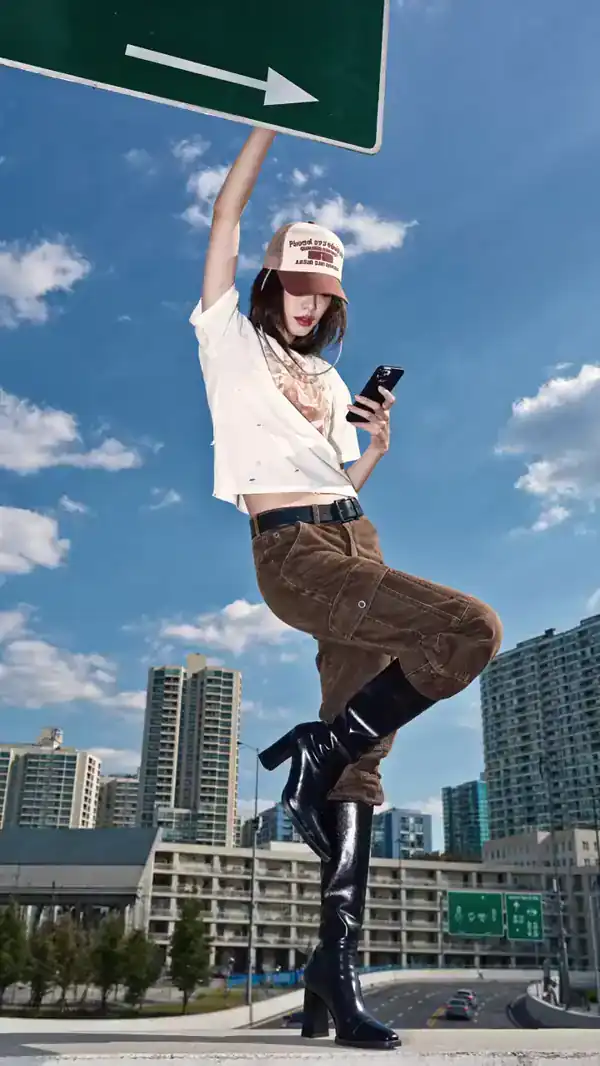
Fashion has always been an industry of iterations: sketch, sample, fit, revise, repeat. The bottleneck was never the idea itself — it was the physical cost of testing it. Generative tools have quietly removed most of that cost. Image models can render a garment on a body before a single meter of fabric is cut, and video models can turn those renders into moving campaign footage without booking a studio, a photographer, or a runway location.
This guide is a practical walkthrough of how design and content teams actually work with these tools: what to prototype digitally, how to keep garments consistent across dozens of shots, where video generation genuinely earns its place, and which mistakes burn the most time. It is written for fashion designers, art directors, stylists, and content producers who want a repeatable workflow rather than a one-off demo.
Why Fashion Teams Are Rebuilding Their Pipeline Around AI
Three pressures are converging at once. First, sampling cycles are still slow and expensive: a single collection can consume months of physical prototyping before a buyer sees anything. Second, e-commerce content volume keeps climbing — every SKU now needs imagery in multiple colorways, on multiple body types, in multiple settings. Third, launch calendars have compressed, so the gap between "design approved" and "campaign live" is measured in days.
Generative models attack all three. The marginal cost of a variation drops to nearly zero, which changes the economics of experimentation. A designer who once had to choose between two colorways can now explore twelve, discard nine, and still be faster than the old process. A content team that once scheduled a single shoot week can generate an entire lookbook draft before the samples ship.
The catch is that none of this happens automatically. Models are confident, not accurate. They will happily invent a seam that does not exist, misspell a logo, or drift a garment's color between shots. The teams getting good results treat AI as a fast, cheap, slightly unreliable assistant — one that needs tight briefs, locked style references, and a human pass before anything reaches a customer.
Digital Prototyping: From Sketch to Virtual Sample
The most useful place to start is the earliest, cheapest stage: turning a flat sketch or a rough idea into something that looks like a wearable garment on a body. This is where image generation shines, because it is fast enough to sit inside a conversation. A designer can describe a silhouette, generate four interpretations in under a minute, and react to them while the idea is still fluid.
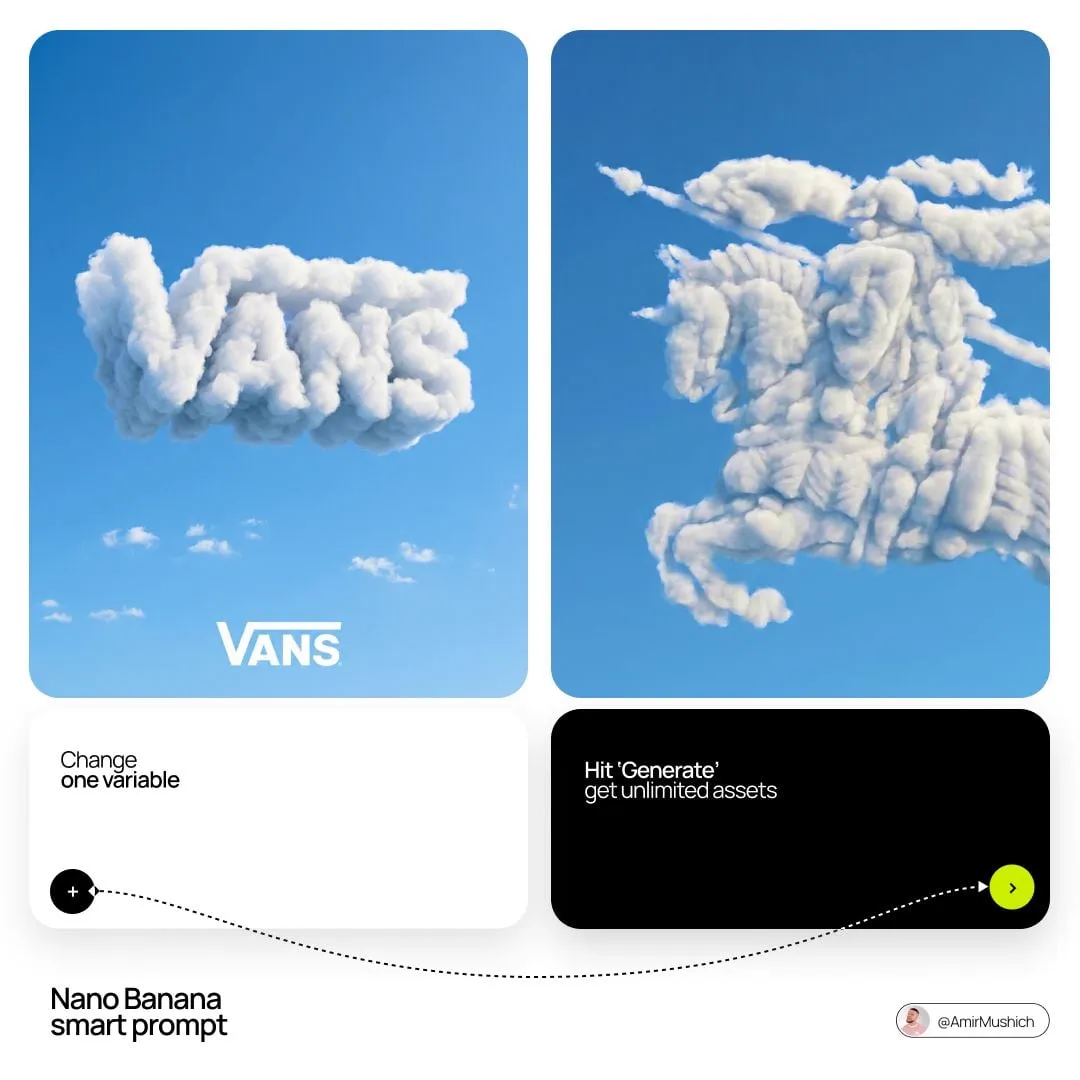
A reliable prototyping loop looks like this: start from a clean flat sketch or a mood image, feed it as a reference rather than relying on text alone, and generate the garment on a neutral model with plain studio lighting. Then change one variable at a time — length, sleeve shape, fabric finish — so you can actually see what your decision did.
Modeling Fabric and Material Behavior
Image models are excellent at suggesting material character. They understand the visual language of sheen, nap, translucency, and weave because they have seen millions of photographs. Prompting with specific, physical vocabulary works far better than vague adjectives. Compare "nice fabric" with "brushed wool with visible surface nap, matte finish, soft directional shadow" — the second gives the model something to render.
Useful material phrases to keep in a prompt library:
- Liquid satin with sharp specular highlights along the fold ridges
- Open-weave linen, slightly creased, visible thread texture
- Bonded neoprene with a clean sealed edge and matte surface
- Sheer organza layered over opaque lining, soft diffusion
- Heavy ribbed knit with structured shoulders and weight in the hem
What image models cannot do reliably is physics. Drape under gravity, tension across a shoulder, the way a bias-cut skirt moves when walking — those belong to cloth simulation tools such as CLO, Browzwear, or a dedicated garment simulator. The productive setup is hybrid: use generative renders for ideation and material studies, then move the approved direction into a simulation environment for fit and behavior validation.
Shortening the Idea-to-3D Loop
Approved renders make excellent inputs for 3D work. Instead of modeling a trim from scratch, a 3D artist can use a render as a texture and detail reference, then rebuild the geometry cleanly. Keep an internal library of approved material renders organized by season, fiber, and finish — it becomes the fastest way to brief both humans and models on what "our navy wool" actually means.
Version discipline matters here. Number every render, store the prompt beside it, and note which reference image was used. Design teams that skip this step end up with three hundred unnamed files and no idea which one the creative director approved.
Replacing the Studio Shoot for Catalogs and Lookbooks
Once a garment reads correctly on a body, the next question is whether you can generate catalog-grade imagery instead of photographing it. For many categories, the answer is yes — with caveats.
The workflow that holds up: define a studio recipe once, then reuse it. That recipe is a locked block of prompt text describing camera, lens feel, light direction, background, and color treatment. Every garment render inherits it. The result is a consistent set where the only variable is the product, which is exactly what a lookbook needs.
Typical outputs you can generate quickly:
- On-model full-length and three-quarter views
- Detail crops of cuffs, collars, closures, and stitching
- Grouped looks for editorial spreads
- Colorway variants that do not require re-shooting
- Ghost or flat-lay style imagery for marketplace listings
Where physical photography still wins: garments with complex construction that must be shown accurately, products making tactile or performance claims, and anything with legal labeling requirements. A generated image is a rendering, not a record of a real object. Presenting it as an unedited product photo is both risky and dishonest — marketplaces and regulators increasingly care about that distinction.
The practical compromise most teams land on is a hybrid catalog: AI for breadth and speed, physical capture for hero products and any item where the customer's purchase decision rests on fine detail.
Generating Fashion Film: Camera, Motion, and Mood
Video is where the workflow gets genuinely exciting — and where discipline matters most. A still image forgives small inconsistencies. A moving shot exposes them immediately, because the eye tracks fabric, faces, and light across frames.
Prompting for Garment Consistency
Treat the garment description as an immutable block. Write it once, in precise physical terms, and paste it identically into every shot prompt. Then describe only what changes: camera, action, environment, light.
A few habits that reduce drift:
- Avoid broad emotive color words like "vibrant" or "colorful"; they invite the model to reinterpret the palette
- Anchor the shot with a reference image or first frame rather than text alone
- Describe the garment's construction, not just its vibe: neckline, sleeve, hem, material weight
- Keep the model's silhouette and hair description locked, or the face will shift between shots
Directing Camera Movement
Video models respond well to conventional film vocabulary. Dolly in, slow push, orbit left, handheld drift, crane up, rack focus, whip pan — these phrases map onto real motion patterns and produce predictable results. Keep individual shots short, typically three to six seconds. A fashion film is assembled in the edit, not generated in one pass.
The most convincing footage usually comes from restrained motion: a slow walk, fabric swaying, a turn of the head, a hand adjusting a cuff. Ask for a full runway walk with multiple garment changes and you will get artifacts. Ask for a three-second push-in on a moving hem and you will get something usable.
Slow motion is a useful cheat. It masks motion inconsistencies and gives footage an editorial, expensive feel that suits luxury positioning.
Keeping Models, Garments, and Identity Consistent
Consistency is the single hardest problem in AI fashion content. Solve it two ways: technically and procedurally.
Technically, use character reference features, fixed seeds, and style training where available. Build a casting sheet — a set of locked reference images for each recurring model or muse — and reuse it across every shoot brief. Document the wardrobe for each look alongside it, so the garment description and the character description travel together.
Procedurally, plan shots in clusters. Generate all shots of Look A before touching Look B. Generate all angles in one lighting setup before changing setups. Batching like this keeps the model's latent state as stable as possible and dramatically reduces cleanup in post.
There is also an ethical layer here. Do not generate a recognizable real person's likeness without written consent. Do not clone a designer's signature look and present it as your own. And be transparent: several markets now require disclosure when consumers are shown synthetic models in advertising. Disclosure does not hurt the work — it protects the brand.
A One-Week Workflow for a Mini Collection
Here is a realistic schedule for a small capsule of six to eight looks with a lean team.
| Day | Focus | Output |
|---|---|---|
| 1 | Mood, silhouettes, material studies | 40+ exploratory renders, 3 directions shortlisted |
| 2 | Lock the studio recipe and casting sheet | Consistent base renders for all looks |
| 3 | Colorways and detail crops | Full visual range for each garment |
| 4 | Video shot list and first-frame generation | 30–40 keyframes ready for motion |
| 5 | Motion generation in short clips | 20–30 clips for editorial selects |
| 6 | Edit, retouch, color grade | Cutdowns for social, hero film for web |
| 7 | Review, approvals, disclosure checks | Approved asset pack |
Two rules keep this schedule honest. First, generate more than you need on days one and four — selection is faster than iteration. Second, schedule the review on the calendar before you start. AI compresses production time; it does not compress decision time, and approvals are where projects actually stall.
Choosing Your Tools: Decision Criteria
Tool choice matters less than workflow, but a few capabilities genuinely change what is possible. Score candidates against these:
- Reference conditioning strength: can you feed an image and keep the garment faithful across shots?
- Character consistency: are there features for locking a face or model across a campaign?
- Motion realism: how well does it handle fabric, hair, and skin under movement?
- Shot length: how many seconds can you generate before artifacts appear?
- Resolution and upscaling: does output survive a full-bleed web hero or a large print?
- Batch and API access: can you generate hundreds of variants programmatically?
- Commercial licensing: are outputs cleared for paid campaigns?
- Collaboration: can a team share prompts, references, and approved outputs?
A useful heuristic: pick one primary image model, one primary video model, and one cloth simulation tool. Master that stack before adding a fourth. Teams that chase every new release ship nothing.
Mistakes That Kill AI Fashion Projects
Most failures repeat the same five or six patterns.
- Overloading a single prompt with garment, model, environment, action, and mood. Split the brief into a locked block and a variable block.
- No style anchor. Without a preserved lighting and camera recipe, every image looks like it came from a different campaign.
- Ignoring small anatomy details. Hands, buttons, zippers, and logos are where generation breaks down most visibly. Crop, fix, regenerate, or reshoot.
- Skipping the retouch pass. Every commercial asset should pass through a human editor, if only for crop, color, and cleanup.
- No version control. If you cannot find the prompt behind an approved image, you cannot reproduce it.
- Presenting renders as photography. It damages trust and increasingly violates platform and advertising rules.
The pattern behind all of them is the same: treating generation as a finished product rather than a step in a pipeline.
Rights, Approvals, and Brand Safety
Before anything goes live, run a short checklist. Confirm that no real person's likeness appears without consent. Confirm no third-party trademarks or logos slipped into a render. Confirm the garment shown matches what is actually being sold — color accuracy, trim, proportions. Confirm disclosure requirements in every market where the campaign runs.
Internally, treat AI assets like any other creative: named approver, documented source files, and a clear record of what was generated versus photographed. That record protects you in a dispute and makes it trivial to regenerate an asset when a garment changes two weeks before launch.
FAQ
Can AI replace a fashion photographer entirely?
For high-volume, simple catalog looks, it increasingly can. For hero campaigns, editorial work, and garments where construction detail drives the purchase, physical photography still produces more reliable and more legally defensible output. Most teams run both.
How do I stop a garment from changing color between shots?
Lock the material description in a fixed prompt block, use a reference image as the anchor, remove vague color adjectives, and generate all shots for a look in one batch under the same lighting recipe.
Do I still need 3D cloth simulation if I have video models?
Yes, if fit and drape accuracy matter. Video models approximate how fabric looks in motion; simulators calculate how it behaves. Use generative tools for creative exploration and simulation for technical validation.
Is AI-generated fashion content allowed in advertising?
In most markets yes, with conditions. Disclosure rules for synthetic models and prohibitions on deceptive product representation vary by region, so check local requirements before launch.
What is the fastest way to learn this workflow?
Pick one garment, one model, one lighting setup, and generate fifty variations. Constraint teaches more in a week than broad experimentation does in a month.
How many people does a lean AI fashion content team need?
Three roles cover most projects: a creative lead who writes briefs and approves direction, a prompt and generation operator, and an editor or retoucher who finishes assets. On small capsules, one skilled generalist can carry all three.
The real shift is not that machines can draw clothes. It is that the cost of a bad idea has collapsed. Fashion teams that internalize that — generating widely, filtering hard, and finishing with human craft — are shipping more, faster, and with better decisions behind every look that reaches the customer.
