
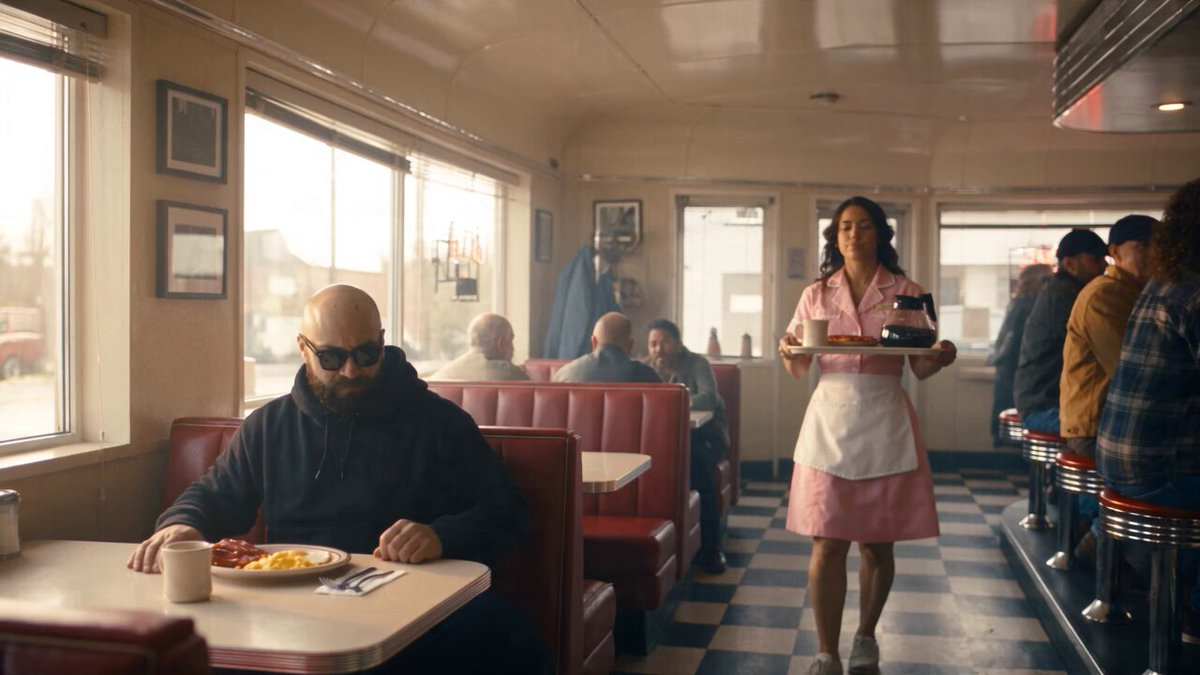
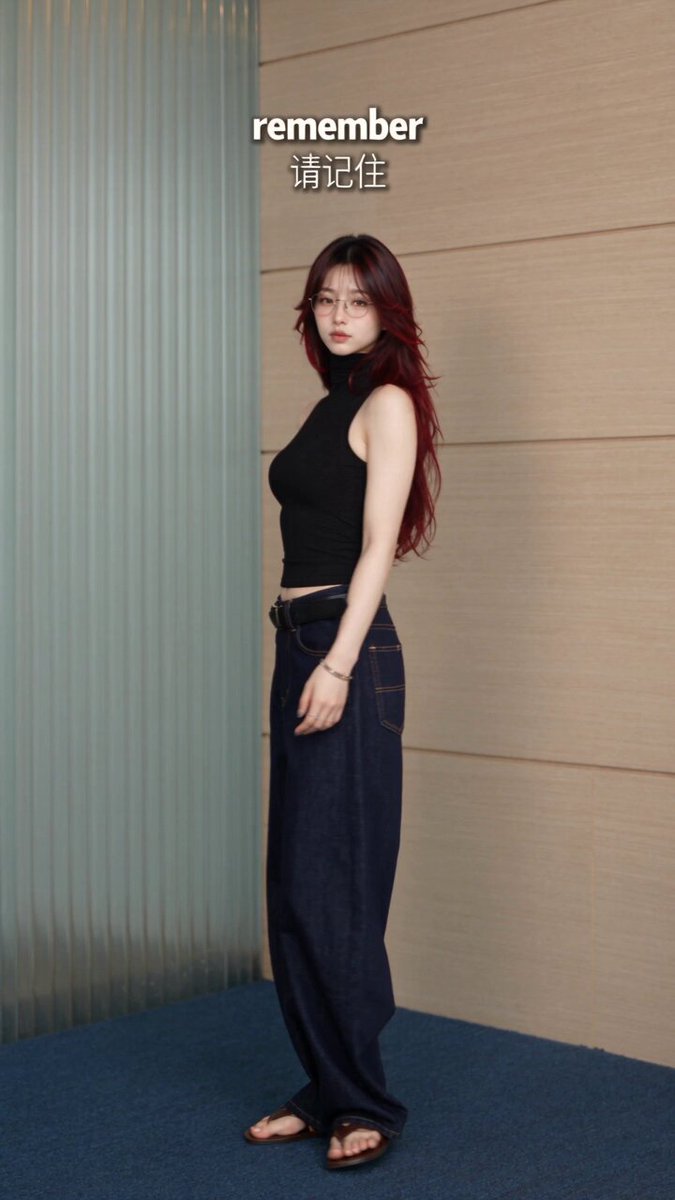
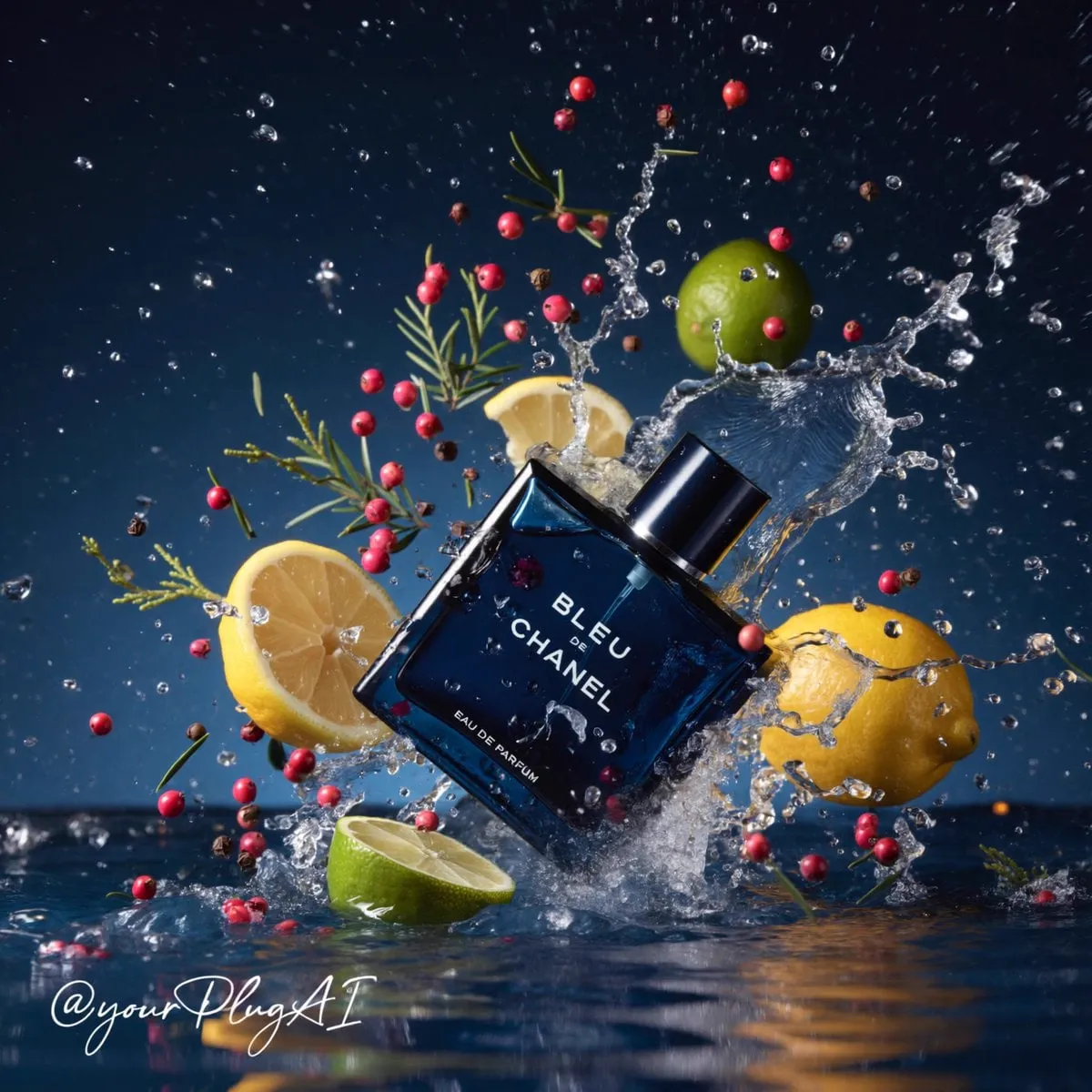
The ability to generate a single striking image is no longer the hard part of AI creation. Anyone can type a prompt and get something interesting. The real challenge, and the real opportunity, is controlling what an image generator produces well enough to reuse the same look again and again. That is what image fusion is about: combining multiple references and techniques so results stay coherent across a series of shots.
This guide explains AI image fusion from the ground up. You will learn how the prompt-to-image pipeline works, why fusing multiple images matters for keeping a character consistent, how to use control mechanisms for precise results, and how to set up a practical workflow that carries your chosen style from one scene to the next. It is written for creators who are past the "type and hope" stage and ready to take real control.
From Prompt to Picture: How the Pipeline Works
Behind every AI image is a process that turns text into a high-dimensional visual representation and then into pixels. Understanding it at a practical level helps you write prompts that behave predictably.
When you type a description, the model reads it as a set of visual concepts. It maps those concepts to its internal understanding of the world and composes the image accordingly. Your job as a prompt writer is to give the model a clear, specific target so that its world-knowledge does the work you intend rather than improvising in a direction you did not ask for.
Why Single-Shot Generation Is Not Enough
A lone prompt generates a lone image, and every image is a fresh roll of the dice. Even with an excellent prompt, details like a character's exact face, a brand's precise colors, or a recurring environment can shift between generations. For anything that needs to repeat, single-shot prompting becomes a liability.
Fusion solves this by anchoring the generation to references. Instead of describing a character from scratch every time, you give the model a stable base to preserve and let the prompt supply the variation.
Why Multi-Image Fusion Exists
The single most frustrating problem in generative art is identity drift: the same character or style subtly changing every time you generate it. Multi-image fusion directly attacks this problem.
Solving Identity Drift
When a character appears across a shot list, the audience will notice if the face, costume, or proportions change between frames. Multi-image fusion lets you pin down the identity by referencing one or more consistent images, so the model has a steady anchor while you vary the scene, pose, and lighting.
The practical benefit is huge. Storyboarders, comic artists, advertisers, and video creators can now plan scenes as a series with continuity, rather than generating unrelated images and hoping they match. Fusion turns AI from a single-image toy into a tool for sequential storytelling.
Combining Strengths of Different References
Fusion is not only about keeping one thing constant. It can merge the strengths of multiple sources: the realistic lighting from one reference, the composition from another, and the color mood from a third. This lets you build a hybrid look that no single source provides, giving you artistic control instead of being limited to whatever one generation produces.
Control Mechanisms That Make Fusion Precise
Blending images blindly is not fusion; it is a gamble. The tools that make fusion reliable are the control mechanisms that tell the model exactly what to preserve and what to change.
Using References Deliberately
The most accessible control is the image reference. You supply one or more images and instruct the model to preserve them while adapting to your prompt. The clearer your instruction, the stronger the model's commitment to the reference. Vague phrasing gives the model room to wander.
If a reference has a flaw, fix it before fusing rather than hoping the model does. A clean reference gives clean results. Cropping, adjusting exposure, and removing distractions upstream saves many failed generations downstream.
Steering Style and Structure
Beyond simple references, more advanced controls can separate what is preserved from how the final image is composed. Some tools let you keep the structure of one image while restyling it, or keep a style while changing the subject entirely. Learning which of these levers a given tool exposes lets you decide whether you want the look changed, the layout changed, or both.
Master each control in isolation first. Understanding what "preserve structure" does versus "preserve style" is the difference between intentional fusion and accidental results.
Blending Multiple References Strategically
Once you are comfortable with a single reference, combine several. The key is knowing what each reference is for and labeling it clearly in your instruction.
Assigning a Role to Each Reference
Think of references as inputs with distinct jobs. One might define the character, another the environment, another the lighting. Describing each role keeps the model from treating all references as equally important, which tends to produce a muddy compromise.
Prioritize the reference that matters most. Your clearest visual identity should be described as the primary anchor, while secondary references provide supporting context. This hierarchy prevents the strongest asset from being diluted by weaker ones.
A Practical Example
Suppose you want a character from a portrait reference standing in a cafe from an environment reference, lit by warm evening light from a third image. You would write a prompt that names the character clearly, describes the cafe, mentions the warm light, and explicitly says which reference maps to which element. The result inherits the face, the location, and the mood together, instead of blending them into an incoherent mix.
The Role of Specialized Models in Fusion
Different models have different strengths, and choosing the right one for a fusion task matters as much as the technique.
Matching the Model to the Job
Some models excel at keeping an identity stable; others are better at environment detail or stylized looks. For character-heavy fusion, choose a model known for consistent people. For world-building, favor a model with strong environmental fidelity. Testing the same fusion prompt across a couple of models quickly reveals which one respects your references.
When to Switch Models
Do not become loyal to a single tool. If a scene requires photorealistic handling and your default model drifts, try an alternative that is stronger at realism. Matching the model to the asset is a routine decision, not a commitment. Keep a shortlist and rotate based on the task.
Building a Fused Keyframe Pipeline
The most powerful real-world use of fusion is building a pipeline: a consistent visual foundation used across many shots. This is how short films, series, and campaign visuals stay in one coherent style.
Establishing the Anchor
Start by fixing your anchor: the canonical image that defines the character or the look. Invest time here. A strong anchor, high quality and well-crafted, makes every downstream generation easier and better. Polish it before you build on it.
Setting Up Keyframes
Keyframes are the important frames that define the action, and they become reference points for the rest of the sequence. Generate a keyframe for each major beat of your story using the anchor as the base. Check that identity and style hold before adding further variation.
A small number of strong keyframes beats a large number of weak ones. Each new scene should be derivable from an existing keyframe, preserving continuity while allowing the prompt to introduce new motion or detail.
Automating Consistency
Document your process once so you can repeat it. Record the anchor, the style notes, and the exact prompt language that reliably preserves identity. This becomes a personal template that turns a one-off success into a repeatable method for every project.
Practical Workflow in Seven Steps
Apply this sequence for any multi-scene fusion project:
- Define the anchor image for your character or style.
- Polish the anchor until it is exactly what you want.
- Write a reusable style description that preserves the look.
- Generate a keyframe for each major story beat.
- Verify identity and style across keyframes before proceeding.
- Vary each keyframe with new prompts while keeping references fixed.
- Assemble the sequence and refine only inconsistent frames.
Working in this order keeps the hardest inconsistencies from spreading through the whole project.
Common Pitfalls and Fixes
Watch for these frequent problems:
- Relying on a weak anchor and expecting the pipeline to compensate; fix the anchor first
- Giving references equal weight with no stated role, producing muddy blends
- Changing the style description between shots, breaking continuity
- Overloading a single generation with too many references and conflicting instructions
- Skipping the keyframe check and discovering drift only after producing many frames
Each fix is simple once recognized: strengthen the anchor, assign roles, or standardize the style text.
Frequently Asked Questions
What exactly is image fusion?
It is the combination of multiple image references and control techniques so a generator preserves or blends them deliberately, enabling repeatable, consistent results rather than unrelated generations.
Why does my character keep changing between images?
Because each generation treats the character as a fresh idea. Fusion anchors the identity to a consistent reference so it stays stable across scenes.
How many references should I use?
Use as few as achieve the goal. Start with one strong anchor. Add a second only when you need its quality, like a specific environment or light, and give each reference a clear role.
Can fusion work for video as well as images?
Yes. The same anchor and keyframe logic applies to video, where preserving a character and environment across frames is even more important.
Do I need a powerful computer to do this?
Processing happens mostly on the provider's side for cloud tools, so the workflow is accessible on a normal machine. You mostly need a clean set of references and a reliable internet connection.
Key Takeaways
- Fusion turns single-shot generation into repeatable, sequential creation
- Identity drift is solved by anchoring the generation to stable references
- Control mechanisms let you decide what to preserve and what to vary
- Assign each reference a clear role and prioritize the primary anchor
- Keyframes built from one strong anchor keep a whole project consistent
- A documented, repeatable process is what turns technique into reliability
Image fusion is the difference between producing images and producing a visual work. When you stop relying on luck and start anchoring your style to stable references, you gain the control needed to build characters, scenes, and stories that hold together. Master the anchor, respect the references, and your series of images will finally look like they belong to one world.
Troubleshooting Fusion Results
Even with a strong anchor, a fusion can go wrong. A short troubleshooting habit saves far more time than guessing. When a result disappoints, work through these checks in order:
- Is the anchor weak or noisy? Re-craft or clean the reference before touching the prompt.
- Is the anchor fighting the prompt? If the reference and the text describe conflicting things, one must lose. Simplify the prompt to align with the anchor.
- Are too many references active? Each extra reference adds a constraint. Remove the least essential one and see if clarity returns.
- Is the result muddy? That usually means no reference had a clear role. Assign each a distinct job and restate the priority of the main anchor.
- Is only one frame off? Check whether that specific generation reloaded different style text. Standardizing the shared style sentence fixes it.
Work one check at a time and regenerate between changes. This mirrors the discipline of good creative iteration everywhere: change the smallest thing that plausibly explains the problem, then look again.
Curating a Reference Library
Over time you will accumulate images that fuse well. Keep them organized: anchors for characters, anchors for environments, lighting references, and style references. A small, well-curated library beats a messy archive. When you need a consistent look for a new project, you reach for proven anchors instead of rebuilding from scratch. Good curation pays off every single time you start something new.
