
Abstract
The evolution of AI image-to-video technology has reached a tipping point. In 2025, transforming a single still image into a dynamic, cinematic clip is no longer science fiction — it's a daily workflow for creators, marketers, and filmmakers. This guide covers everything you need to know.
The State of Image-to-Video AI
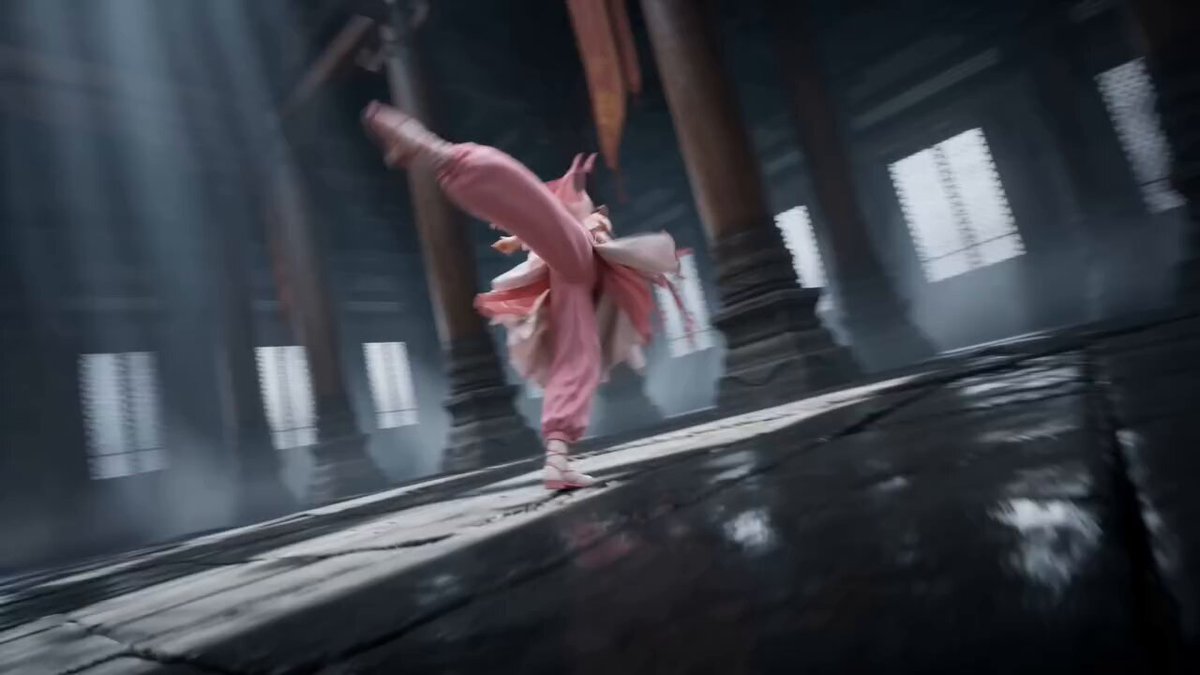
What was once a janky, morphing mess is now producing results indistinguishable from professionally shot footage. The key breakthroughs:
- Physics-aware motion: AI now understands how objects should move — water flows, fabric drapes, hair sways
- Depth perception: Automatic parallax effects create genuine 3D depth from 2D images
- Lighting consistency: Shadows and highlights remain coherent through motion
How to Transform Stills into Cinematic Clips
Step 1: Start with a Strong Image
The golden rule: garbage in, garbage out. Your source image should be:
- High resolution (at least 1920x1080)
- Well-composed with clear subject separation
- Properly exposed with no blown highlights
Use Domer AI Image Generator to create perfect source images from scratch.
Step 2: Define Your Motion
Different types of motion create different emotional effects:
| Motion Type | Best For | Prompt Example |
|---|---|---|
| Slow zoom | Drama, reveals | "Slow dolly zoom into subject's eyes" |
| Pan | Landscapes | "Gentle horizontal pan across the scene" |
| Parallax | Depth showcase | "Camera orbits around subject, background shifts" |
| Kinetic | Action, energy | "Dynamic whip pan, particles flying" |
Step 3: Choose Your Model
Different AI models excel at different styles. Domer gives you access to multiple state-of-the-art models so you can pick the best one for each scene.
Step 4: Add Post-Processing
- Color grade for cinematic look
- Add film grain for texture
- Apply subtle vignette for focus
Pro Techniques
The Ken Burns Effect, Reimagined
The classic documentary technique gets an AI upgrade. Instead of simple zoom, AI generates true 3D parallax — objects at different depths move at different speeds.
Motion Loops
For social media, create perfect loops where the end frame seamlessly connects to the start. This dramatically boosts replay rates and algorithmic favor.
Multi-Image Sequences
Feed the AI 3-5 sequential images and it will interpolate smooth motion between them — ideal for product rotations or character turnarounds.
Common Pitfalls and Solutions
| Problem | Cause | Solution |
|---|---|---|
| Warping faces | Too much motion | Reduce motion amplitude |
| Flickering | Model instability | Switch to more stable model |
| Static backgrounds | No depth info | Use depth-aware mode |
| Unnatural physics | Wrong model choice | Match model to scene type |
Use Cases
- E-commerce: Product showcases with 360° movement
- Real estate: Virtual walkthroughs from still photos
- Social media: Eye-catching content that stops the scroll
- Film pre-vis: Quick concept visualization before shooting
The Future of Image-to-Video
We're approaching real-time generation. Soon, you'll be able to upload an image and get cinematic motion back before your coffee gets cold. The tools are here — Domer AI Video Generator is leading the way.
Conclusion
Static images are the past. Dynamic clips are the present. Master image-to-video AI, and you'll never look at a photograph the same way again.
