
Why Prompt Quality Still Decides Output Quality
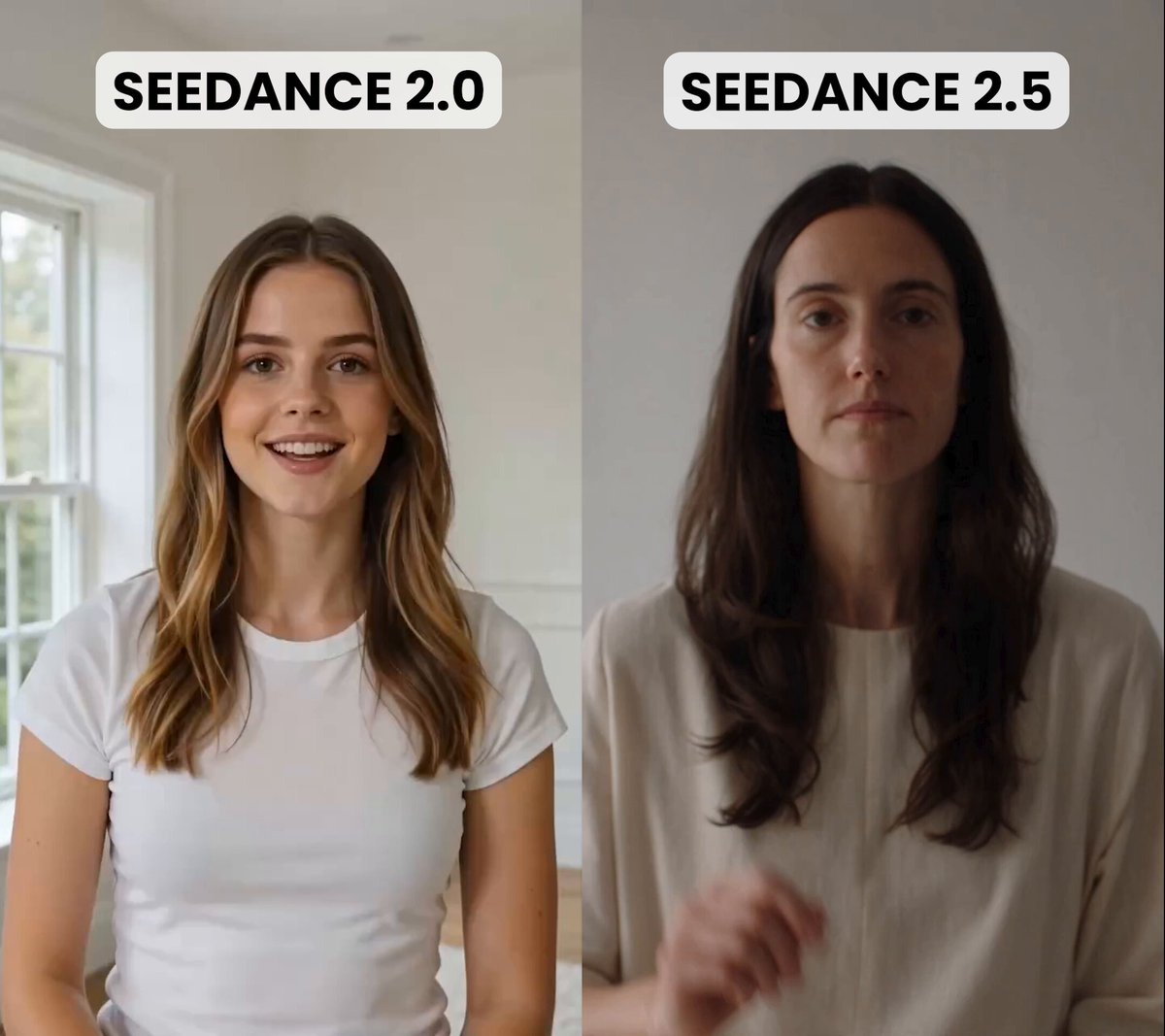
Generative models are now good enough that almost anyone can produce a technically clean image on the first try. The problem is that most first tries look generic. They carry the flat, over-smoothed quality of a stock photo that was never actually taken, and viewers sense it immediately. The difference between that result and a frame that feels intentional almost always comes down to the instruction, not the model.
A prompt is not a wish. It is a specification. When you write a spec for a contractor, you do not say make it nice — you describe dimensions, materials, and finish. Prompting works the same way. The model does not know what you meant; it only knows what you wrote, plus everything it absorbed from training data. Vague inputs force the model to average across millions of possibilities, and averages look boring by definition.
The practical consequence is that prompting rewards specificity in a few dimensions and silence in the rest. If you specify everything, you get clutter and contradictions. If you specify nothing, you get the statistical mean. Strong prompts describe the four or five things that actually define the shot and let the model handle the rest.
The Anatomy of a Strong Prompt
Prompts work best when they read like a shot description from a director rather than a tag cloud. You can build one from a handful of slots, and once you internalize those slots, writing becomes fast and repeatable.
Subject and action
Always start with who or what, and what they are doing. Subject plus verb beats subject alone. A woman in a red coat is a subject. A woman in a red coat turning to look over her shoulder is a moment. Moments give the model something to render instead of something to arrange.
Include identifying detail only where it matters. Age range, clothing material, posture, and expression carry more weight than a full biography. If a person matters to the story, describe their face plainly. If they do not, keep them generic so the model does not invent distracting specificity.
Environment and time of day
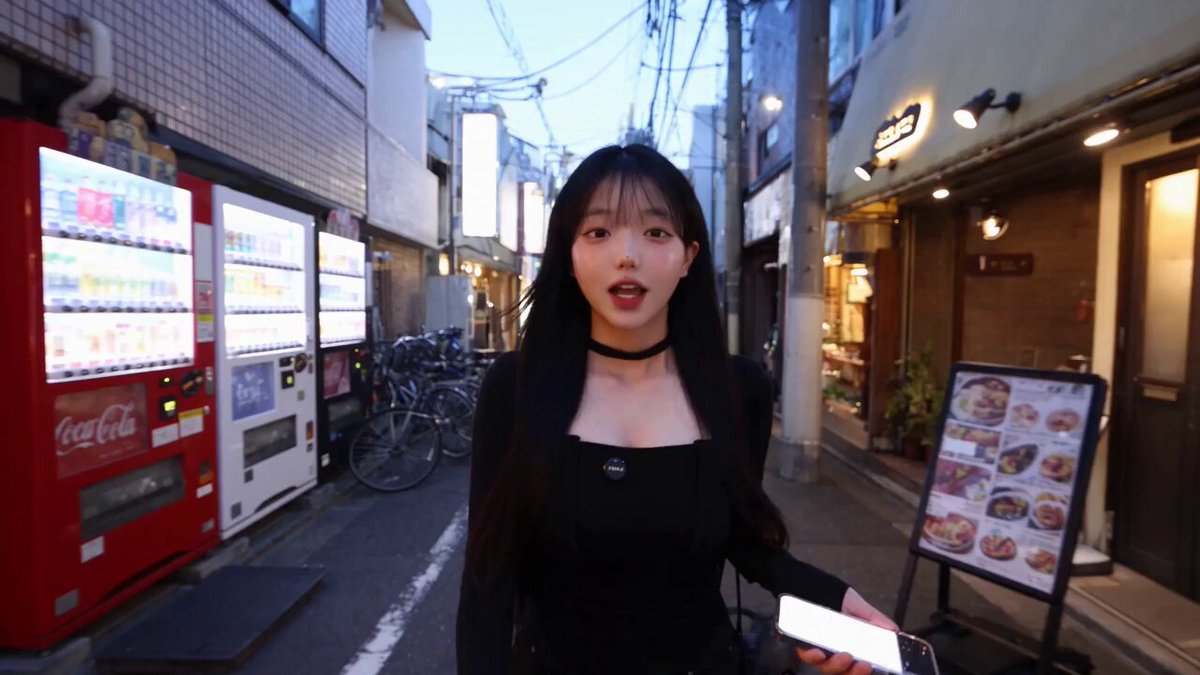
Place the subject somewhere with texture. A cafe is vague; a narrow cafe with condensation on the window and chairs stacked against the wall is a location. Time of day does more work than almost any other single token because it implies color temperature, contrast, and mood all at once. Blue hour, harsh noon, late golden light, and overcast morning produce completely different images from the same subject.
Style, medium, and lens
Decide what kind of image this is before you describe it. Documentary photograph, 35mm film still, editorial fashion shoot, watercolor illustration, and 3D render are not interchangeable, and mixing them confuses the output. Naming a lens or focal length is one of the fastest ways to make generated images feel photographic: a wide 24mm field tells a different story than an 85mm portrait, and most models respect that difference.
Light and color
Lighting language is the highest-leverage vocabulary in prompting. Soft window light, hard flash, practical neon, rim light, bounce from a white wall — each produces a look you can recognize. Pair lighting with a simple color intention, such as muted earth tones or cool teal shadows, and the image will feel graded rather than accidental. Avoid stacking five lighting terms; two compatible ones usually beat five competing ones.
Technical and output parameters
Aspect ratio, resolution, motion intensity, and duration belong either in the prompt or in the surrounding settings. A vertical crop changes framing decisions, and a wide crop changes how much environment the model fills. Deciding the format up front prevents you from recomposing after you have already tuned your wording.
Writing Prompts for Still Images vs Video
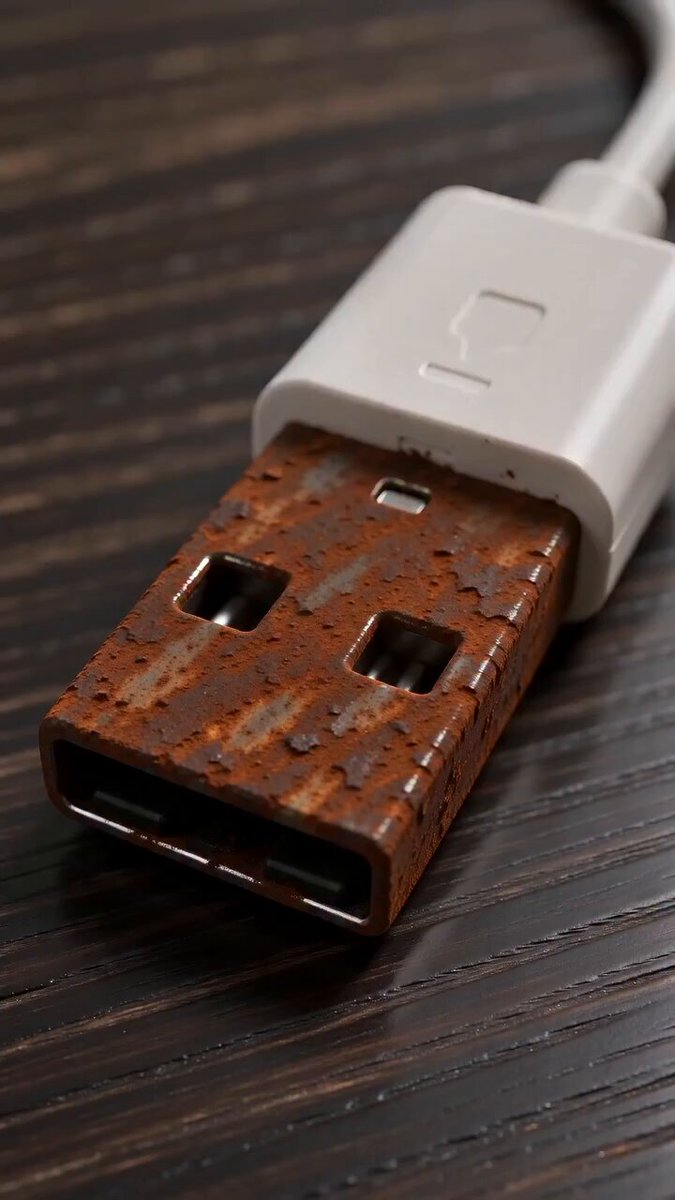
Images and video share most of their vocabulary but not their priorities. For stills, detail density is your friend. You can describe texture, fabric weave, skin, weather, and background objects, and the model will place all of it in a single frozen frame.
For video, you are describing change over time. Detail density competes with motion clarity, and the model has to keep the scene coherent across many frames. That means fewer nouns and more verbs. Instead of listing every object in a room, describe the one action and the one camera behavior that define the shot.
A useful rule: for stills, ask what is in the frame. For video, ask what happens in the frame. Prompts that try to answer both questions in the same breath tend to produce mushy results because the model cannot tell which one to prioritize.
Storyboards help here. Write each shot as a single sentence with a subject, an action, and a camera instruction, then expand only the shots that carry emotional weight.
Camera Motion: The Vocabulary That Changes Everything
Camera language is where AI video stops looking like a slideshow. Most models respond to a predictable set of motion phrases, and using the right one is often worth more than ten style adjectives.
Static or locked-off means no movement at all. It is underrated, especially for dialogue and product shots, because it forces the subject to carry the scene. Slow push in moves the camera toward the subject and builds tension. Pull back reveals context and works well as an ending beat. Pan left or right sweeps horizontally and suits landscapes and wide interiors. Tilt moves vertically and is useful for revealing height. Tracking or dolly shots follow a moving subject and read as cinematic. Orbit or arc circles the subject and flatters products and portraits. Handheld adds subtle instability and makes a scene feel immediate. Drone or aerial establishes scale.
Two cautions. First, name one primary motion per shot. Stacking movements makes the model average them into a slow, meaningless drift. Second, describe speed. Slow is very different from fast, and unlabeled motion often defaults to something in between that suits neither.
Keeping Characters and Products Consistent Across Shots
Consistency is the hardest problem in AI video, and it is mostly solved through discipline rather than tricks.
Write a character sheet and reuse it verbatim. Every prompt for that character should repeat the same wording for face shape, hair, clothing, and build. Paraphrasing — even synonym swapping — tends to drift the result. Copy and paste is a legitimate technique, not laziness.
Use reference images when the model supports them. A single well-lit reference is usually enough to lock identity, and it saves enormous prompt real estate for describing action and camera instead.
Keep wardrobe simple and distinctive. Plain garments are hard to keep consistent because the model has no anchor; a specific collar shape, a scarf, or a recognizable color block gives it something to hold onto.
Change one variable per iteration. If you adjust lighting and pose and framing at once, you will not know which change caused the drift. This slows you down on the first shot and speeds you up enormously for the rest of the project.
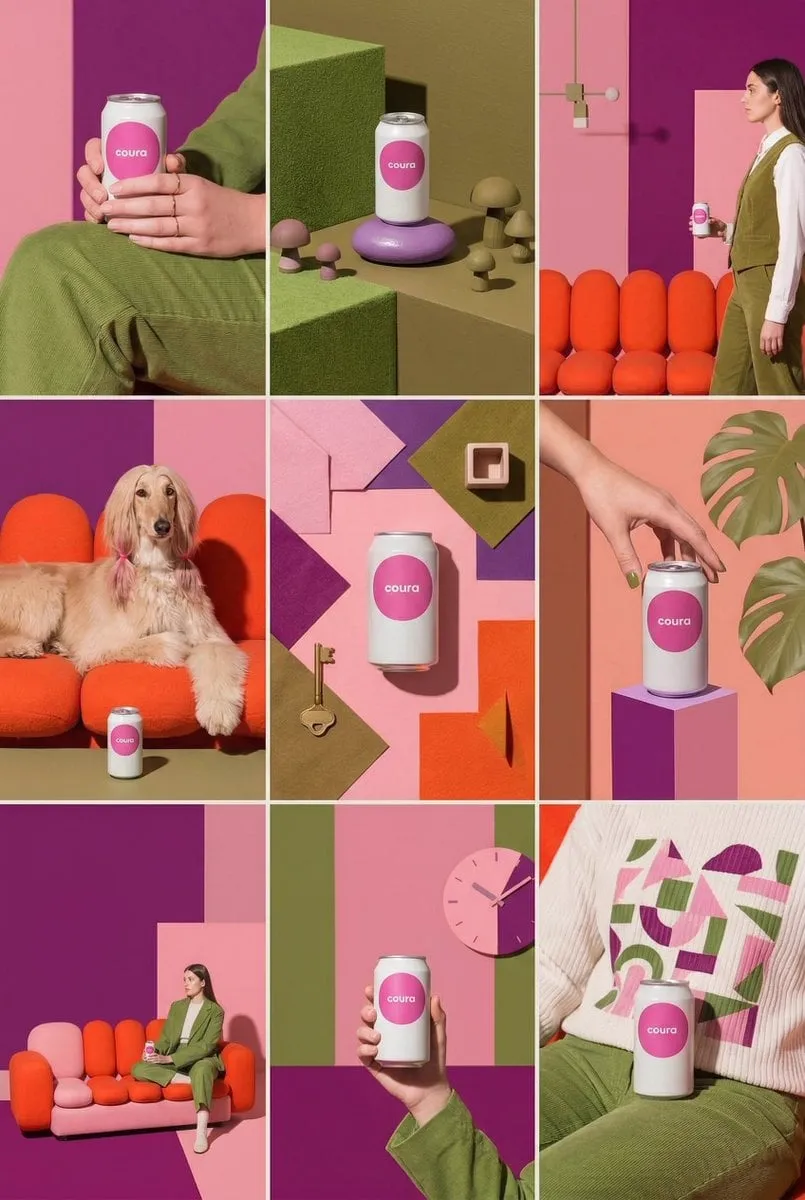
Products need the same treatment. Photograph the object once in neutral light, use it as a reference, and keep the descriptive sentence identical across every shot. For packaging, state exact text in the prompt and check every render, because models still garble small typography.
A Repeatable Workflow: From Idea to Finished Clip
Prompting becomes manageable when it is part of a pipeline rather than a series of one-off experiments.
Step 1 — Write the shot list in plain language
Before touching any model, describe the sequence in ordinary sentences. Three to eight shots is a comfortable scope for a short piece. Each line should contain one action and one camera idea. Resist the urge to write prompts yet; you are still deciding what the piece is.
Step 2 — Build a reusable template
Turn your slots into a fill-in-the-blank sentence: subject and action, environment and time, lighting, style and lens, camera motion, format. Templates prevent you from forgetting a slot under time pressure and make A/B testing meaningful because the only thing changing is the element you are testing.
Step 3 — Generate a batch and log everything
Run four to eight variations per shot and keep the prompts next to the outputs in a simple document or naming convention. The value is not the winning image; it is the record of which words moved the result.
Step 4 — Refine one variable at a time
Pick the closest result and change exactly one element. Swap the lighting term. Add a lens. Change slow push in to static. Iterating this way produces a small set of dependable phrases you can reuse for years.
Step 5 — Assemble outside the generator
Very few good AI videos are finished inside the generation tool. Cut the clips together, add sound design, adjust pacing, and color match in an editor. Sound in particular does enormous work: a clean ambience bed and one well-placed effect make generated footage feel considerably more professional than the raw render.
Weighting, Negative Prompts, and Model-Specific Syntax
Different tools expose different control surfaces, and knowing what yours offers prevents wasted effort.
Weighting lets you emphasize or de-emphasize parts of a prompt. In some interfaces you write it inline; in others the order of words does the same job because earlier tokens carry more influence. As a rule, put the most important element first and do not rely on weighting to fix a prompt that is already fighting itself.
Negative prompts list what you do not want. They are most useful for persistent artifacts such as extra fingers, warped text, watermark-like overlays, harsh oversharpening, or unwanted camera shake. Keep negative lists short and targeted; long generic lists can suppress qualities you actually wanted.
Model-specific behavior matters too. Some models favor natural language sentences, others parse comma-separated descriptors more reliably. Some handle long prompts gracefully; others degrade past a certain length. Learn one model deeply before spreading across five, and keep a personal cheat sheet of phrases that worked.
Common Mistakes and How to Fix Them
Contradictory instructions are the most frequent failure. Asking for a soft, dreamy close-up shot with a handheld action camera fights itself. Fix: choose one intention per shot.
Over-stuffed style lists come next. Five art movements in one prompt produce mud. Fix: one medium, one mood, one lighting term.
Ignoring aspect ratio ruins compositions. A shot designed for horizontal framing will crop badly into vertical. Fix: decide the format before writing.
Vague motion produces drift. Fix: name one camera move and its speed.
Skipping reference images wastes time on identity. Fix: use references whenever the model allows.
Never reviewing output at full size is a quiet killer. Fix: check frames at 100 percent for hands, eyes, text, and edges before committing to a shot.
Tools and Where Each Fits
Text-to-image models such as Midjourney, Stable Diffusion variants, and Flux-style systems are strongest for concepting and stills. They reward dense descriptive prompts and are forgiving to iterate on.
Text-to-video models such as Runway, Kling, Luma, and Pika favor shorter prompts with explicit motion language and hold up better with reference images for characters. They are less tolerant of contradictions than image models, so clean up your prompt before you feed it in.
Editors and finishing tools — DaVinci Resolve, Premiere Pro, CapCut, and similar — are where pacing, sound, and grading turn clips into a piece. Prompting skill cannot compensate for a mediocre edit.
For teams, a shared prompt library with example outputs is the single highest-return investment. It converts individual experimentation into institutional knowledge, and it makes onboarding new creators a matter of reading a document instead of rediscovering every lesson.
FAQ
How long should an AI video prompt be? Usually one to three sentences. Long enough to cover subject, action, lighting, and camera; short enough that the model is not juggling competing ideas.
Why do my characters look different in every shot? Almost always because the descriptive wording changed between prompts, or no reference image was used. Copy the character description exactly and add a reference.
Do negative prompts actually help? Yes, for specific recurring artifacts. They are much less useful as blanket lists, which can flatten the image and remove qualities you wanted.
Should I write prompts in English? Many models perform best in English because training data skews that way. If your native language is different, plan in your own language and translate the final prompt.
How many generations should I expect per usable shot? For stills, one in four is a reasonable early target. For video, expect more, especially with complex motion or multiple characters in frame.
Can I reuse one prompt template across models? Structure yes, wording no. Keep the slots and rewrite the phrasing to match each model's preferences.
Key Takeaways
Specificity beats length. Describe the few things that define the shot and stay silent elsewhere. Decide format and intention before writing. Use one camera motion per video shot. Lock characters and products with verbatim descriptions and reference images. Iterate one variable at a time and log what worked. Finish in an editor, where sound and pacing do more for perceived quality than any single prompt tweak.
