
Most disappointing AI images and clips are not caused by weak models. They are caused by prompts that describe a mood instead of a scene. When you type something like cinematic moody portrait, high quality, masterpiece, you hand the model a pile of adjectives with no subject geometry, no light direction, and no framing decision. The model fills the gaps with averages, and averages look generic.
The gap between a usable result and a throwaway result is mostly a writing problem, and it is solvable with a repeatable structure. This guide walks through that structure: the pillars of a strong prompt, how negative prompts actually work, how to direct camera and space, how to adapt the same idea across different model families, and how to build continuity when a single frame is not enough.
Start With the Frame, Not the Sentence
Before you write a single word of prompt, describe the final frame to yourself in plain speech. If you cannot say it out loud in one sentence, the model cannot render it in one pass. A useful test is what a cinematographer would call the shot list question: what is in frame, where is it, what is it doing, how is it lit, and through what lens are we watching it.
Consider a request like make a cool cyberpunk image. That prompt contains no decision the model can honor. Now compare it with: a street vendor in a rain-soaked alley, sodium vapor lamps overhead, steam rising from a noodle cart, medium shot from chest height, shallow depth of field, background signage blurred into bokeh. Both prompts are short. Only one of them gives the model a geometry to build.
A practical habit is to keep two documents open while you work. The first is a plain-language shot description written for a human collaborator. The second is the prompt itself, which is a compressed translation of that description. When output drifts, you debug the plain-language version first, not the prompt. Nine times out of ten the problem is a decision you never made, not a word the model ignored.
The Four Pillars of a Prompt That Lands
Almost every prompt that produces consistent results contains four kinds of information. They do not need to appear in a fixed order, but all four should be present. When results feel random, audit which pillar is missing.
Pillar one: subject
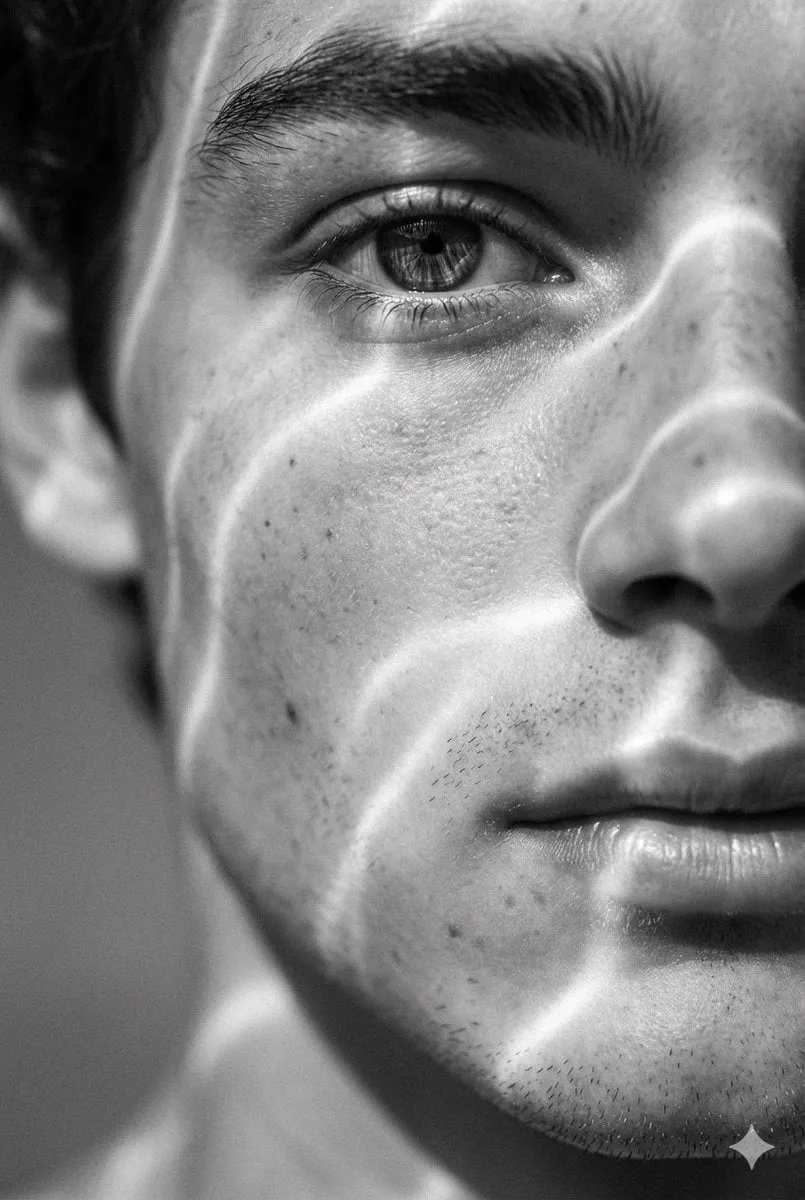
The subject is who or what occupies the frame, described with enough specificity to be visualized. Specificity here means physical attributes the camera could capture: approximate age range, build, clothing material and color, hair texture, posture, and expression. Vague emotional labels such as confident or mysterious are weak substitutes for observable detail. A subject described as relaxed shoulders, chin lifted slightly, hands in jacket pockets, gaze off camera to the left is something a renderer can resolve.
Pillar two: action and context
What is happening, and where. Action anchors the subject in time and makes a still image feel like a moment rather than a pose. Context covers environment, weather, time of day, and the objects that surround the subject. A subject in a corridor is not the same as a subject in a corridor with flickering fluorescent tubes, an overturned chair, and a single open door at the far end. The second version tells a story with no extra adjectives.
Pillar three: style and medium
Style tells the model which visual language to speak: photography, oil painting, three-dimensional render, ink illustration, vintage print, documentary still. Medium matters more than most people expect, because it silently sets expectations for detail density, color behavior, and edge treatment. A prompt asking for both photorealistic skin texture and a graphic novel look sends contradictory instructions, and the model will average them into something muddy.
Pillar four: technical and output constraints
This pillar covers aspect ratio, resolution intent, depth of field, motion blur, and overall tonal range. For video, it also includes frame rate feel, camera movement, and clip duration intent. Technical constraints are the least glamorous part of a prompt and the most reliable way to make output look intentional rather than accidental.
Negative Prompts: The Underused Half of Control
Telling a model what you do not want is nearly as powerful as telling it what you want. Negative prompts act as filters. They do not add detail, they remove failure modes, and that is exactly why they are useful: most bad generations are not missing something, they contain something extra.
The common categories worth building into a reusable negative list include anatomical errors such as extra fingers or duplicated limbs, rendering artifacts such as visible seams, watermarks, or text overlays, compositional problems such as a cropped head or a subject pressed against the frame edge, and stylistic drift such as oversaturated colors or a plastic skin sheen.
Two mistakes show up constantly. The first is negation in the main prompt. Writing no shadows or without a hat inside a positive prompt often produces exactly the thing you tried to exclude, because the token itself is what the model latches onto. Put exclusions in the negative field where the interface provides one. The second mistake is a negative list so long it conflicts with the positive prompt. If you exclude soft lighting while asking for a soft, romantic mood, you have created an argument, and the model will resolve it unpredictably.
Keep a base negative set of about eight to twelve terms that never change, then add three to five situational terms per project. Prune anything that has not caused a visible problem in your last twenty generations.
Camera, Lens, and Spatial Directives
Spatial language is the fastest way to move output from flat to cinematic, because it tells the model where the camera is and therefore how to arrange everything else.
Shot size and angle
Shot size describes how much of the subject fills the frame: extreme close-up, close-up, medium, medium wide, wide, and establishing. Angle describes the camera position relative to the subject: eye level, low angle, high angle, over-the-shoulder, or top down. Combining the two produces remarkably predictable results. A low-angle medium shot of a standing figure reads as authority. A high-angle wide shot of the same figure reads as vulnerability. Same subject, same lighting, opposite meaning.
Depth, blocking, and composition
Blocking is where subjects and key objects sit relative to each other: foreground, midground, background. Depth cues such as a foreground railing, a midground subject, and a blurred background window give the renderer layers to work with. Composition instructions such as rule of thirds, centered symmetry, or negative space on the right are also honored more often than people assume, provided they do not contradict the subject description.
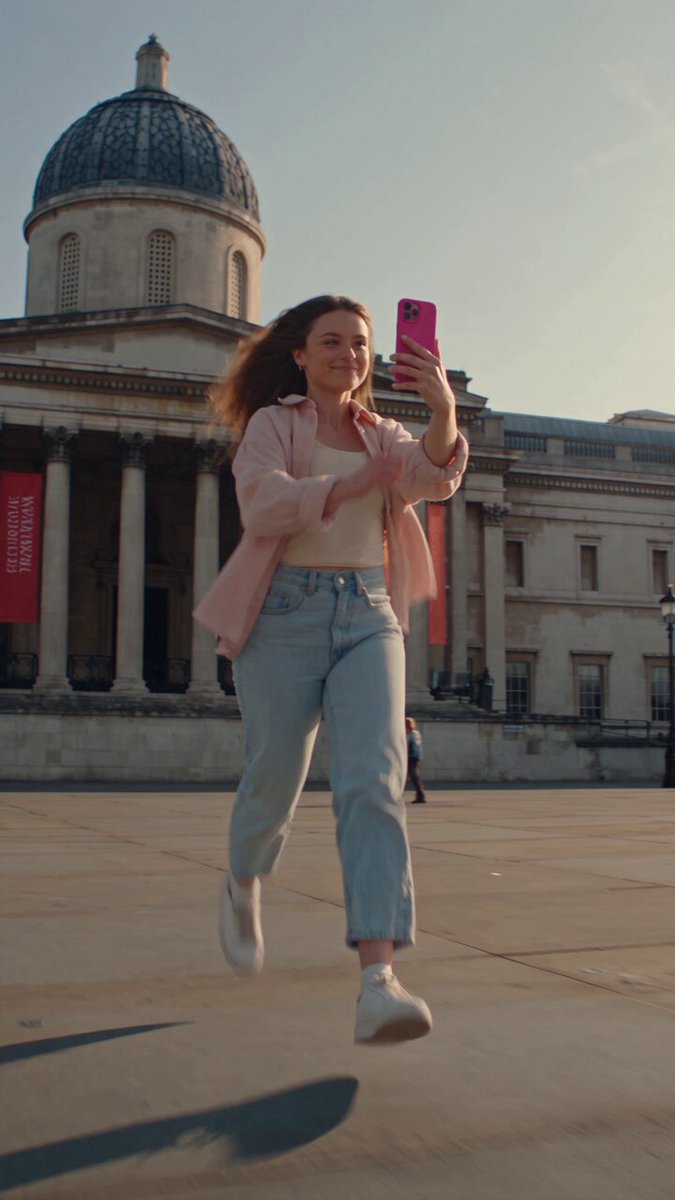
For video, camera directives extend into movement. A slow push in, a lateral tracking shot, a handheld follow, or a static locked-off frame each imply different pacing. Pair the movement with a subject action, or the movement becomes noise: a slow push in while a character leans toward a window reads as tension, while the same push in on a still subject reads as a technical demonstration.
Tuning Prompts to Different Models
Models do not share a vocabulary. A phrase that produces a crisp result in one system can produce mush in another. Treat each model as a collaborator with habits, strengths, and blind spots, and keep a short notes file per model.
Reading a model's tendencies
Some systems are strong at photorealistic humans and weak at dense text or complex architecture. Others excel at stylized motion and struggle with subtle facial performance. Diffusion-based image systems tend to reward dense descriptive detail, while many video systems reward clarity and brevity because they must also resolve temporal consistency. Before you blame your prompt, generate the same idea with a deliberately short prompt and a deliberately long prompt. The better result tells you which direction to move.
Using reference images
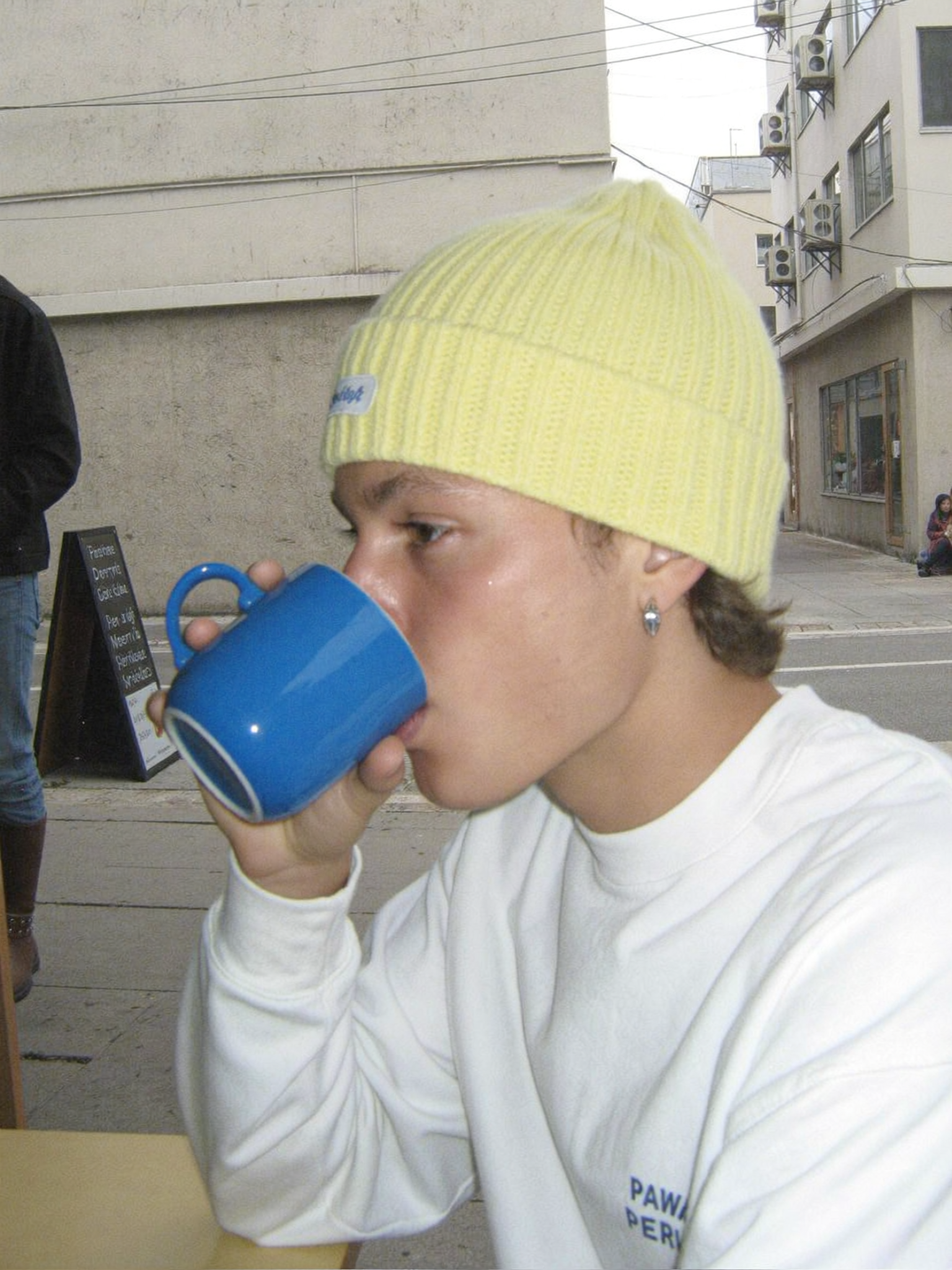
Reference images are often more powerful than any adjective. If a model accepts a character reference, supply a clean image with neutral lighting and a simple background. If it accepts a style reference, choose an image whose palette and contrast you actually want, because the model will absorb both. Multi-image inputs let you separate concerns: one image for the character, one for the environment, one for the palette. When references conflict, the model picks a dominant influence, so keep each reference focused on a single attribute.
Booster words and domain vocabulary
The right technical vocabulary does heavy lifting. Photography terms such as 85mm portrait lens, f/1.8, rim light, or bounced fill describe physical light behavior. Film terms such as anamorphic flare or 35mm grain describe texture. Art terms such as gouache, risograph, or chiaroscuro describe rendering language. Use them purposefully, not as decoration. A prompt stuffed with ten style keywords produces an average of ten styles, which is no style at all.
Building Continuity Across Multiple Shots
Single images are forgiving. Sequences are not. Once you need two shots that feel like the same world, consistency becomes the dominant constraint.
First frame and last frame control
When a video model accepts a starting image, that image becomes a contract. Generate the first frame as a still image first, refine it until it is exactly right, then let the video model animate it. If the model also accepts an ending frame, you can bookend a motion path: a hand reaching a doorknob at the start and a closed door at the end constrains the movement far better than any adverb.
Character, wardrobe, and lighting consistency
Write a short character sheet and reuse it verbatim in every prompt for that character: hair length and color, jacket material, the specific accessory, the scar, the watch. Keep lighting language consistent across a scene as well. Three shots lit by the same described source, such as a single window on the left, will cut together convincingly even if the backgrounds differ.
A useful technique is to lock two or three variables and vary only one per iteration. If you change wardrobe, camera angle, and time of day at once, you cannot tell which change caused the improvement or the regression.
A Repeatable Prompt Workflow
Structure beats inspiration. The following loop works for stills and video alike.
- Write the shot in plain language, one to three sentences.
- Identify subject, action and context, style, and technical constraints. Fill any blanks.
- Draft the prompt in that order, using commas for clarity groups rather than as a random list.
- Add the base negative set plus project-specific exclusions.
- Generate four variations. Never judge a prompt on one output.
- Diagnose failures against the pillars, not against vague dissatisfaction.
- Change one variable and regenerate.
- Save the winning prompt with the output as a reference pair for future projects.
The final step is the one most people skip and the one that compounds fastest. After a month of saving prompt and result pairs, you own a personal style library that shortens every future project.
Troubleshooting: Symptom to Fix
When output is wrong, match the symptom to a cause before rewriting everything.
Composition feels cluttered: you likely under-specified the subject and over-specified the environment. Reduce environmental nouns and add framing language such as medium shot, centered subject.
Faces look inconsistent between shots: add a reusable character description and prefer a reference image over adjectives. Also check that lighting language has not changed.
Motion looks unnatural in video: shorten the prompt, reduce competing actions, and specify one camera move plus one subject action.
Colors look oversaturated or plastic: strengthen the negative list and add tonal language such as muted palette, natural contrast, film grain.
Details are mushy: increase descriptive density on the subject only, and remove style keywords that conflict with the requested medium.
Text renders as nonsense: most generative models still handle typography poorly. Keep text out of the frame, or add it in post-production.
Prompt Templates You Can Adapt
A reusable skeleton keeps quality stable across a busy week.
Still image: [subject with physical detail], [action or pose], [environment and time of day], [lighting direction and quality], [shot size and angle], [medium and style], [lens and depth of field], [aspect ratio].
Video shot: [subject], [single action], [environment], [lighting], [shot size and camera movement], [pace], [duration intent], [style reference].
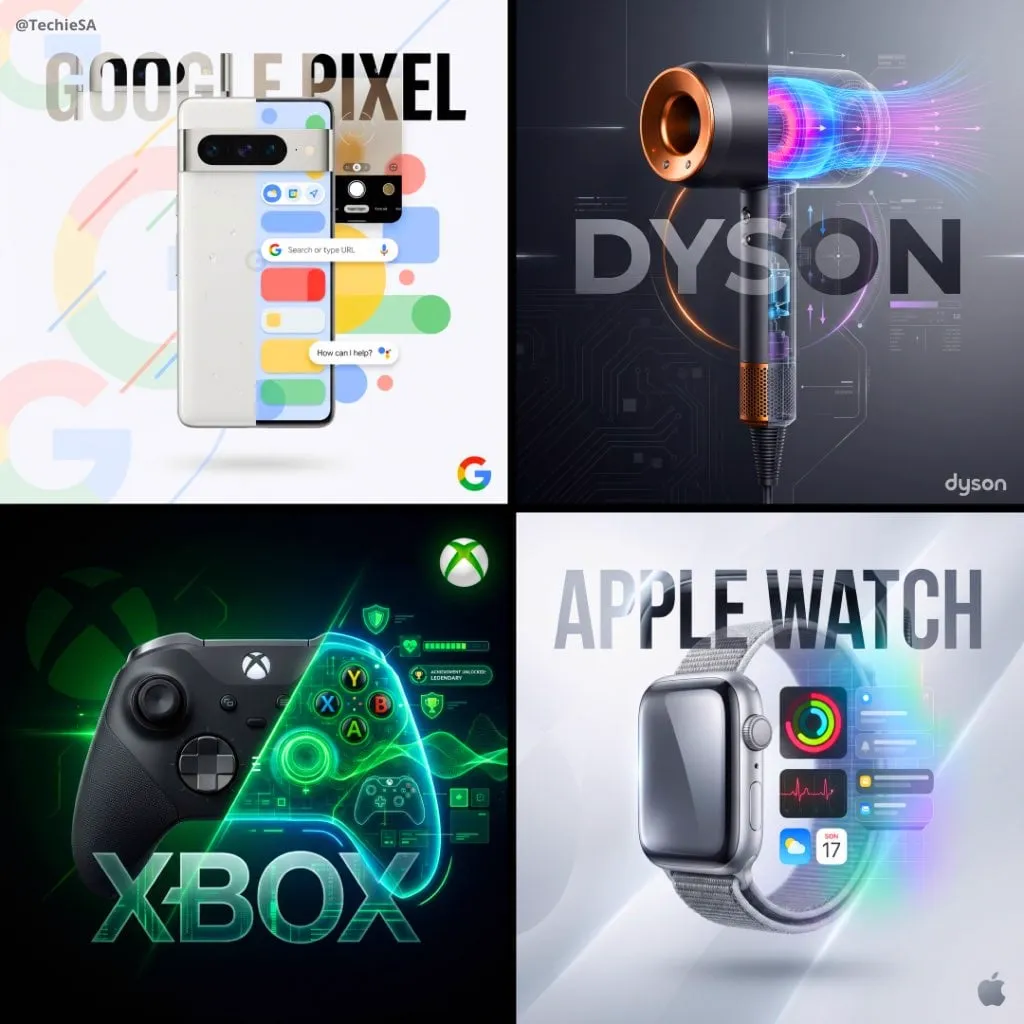
Product or commercial frame: [product with material and finish], [surface and background], [key light plus one accent light], [camera angle that shows the product's silhouette], [clean negative list to remove dust, text, and extra objects].
These templates are deliberately boring. Predictable structure is what frees the creative decisions to be ambitious.
Frequently Asked Questions
How long should a prompt be? Long enough to cover all four pillars, short enough that no two instructions conflict. For video, brevity usually wins. For still images, detail usually wins.
Do synonyms help? Rarely. Models respond to specific vocabulary far more than to variety. Repeating lens, lighting, and material terms consistently produces more reliable results than paraphrasing.
Should I prompt in my native language? Work in the language with the strongest technical vocabulary for you, and test whether the model handles it well. Mixing languages inside one prompt often degrades results.
How many generations should I compare? Four is a reasonable minimum for a still. For video, compare two or three seeds and judge motion quality separately from frame quality.
Can one prompt serve every model? No. Keep a per-model notes file and expect to translate, not copy.
What is the single biggest mistake? Writing adjectives about quality, such as beautiful or professional, instead of decisions about content, light, and framing.
What to Do Next
Pick one finished piece of work you were disappointed in and reverse-engineer it. Write the plain-language shot description you wish you had started with, convert it into the four-pillar structure, add a lean negative set, and regenerate. Then save the pairing. Improvement in AI generation rarely comes from a new tool. It comes from making better decisions before the first generation, and writing them down in a form the model can follow.
