
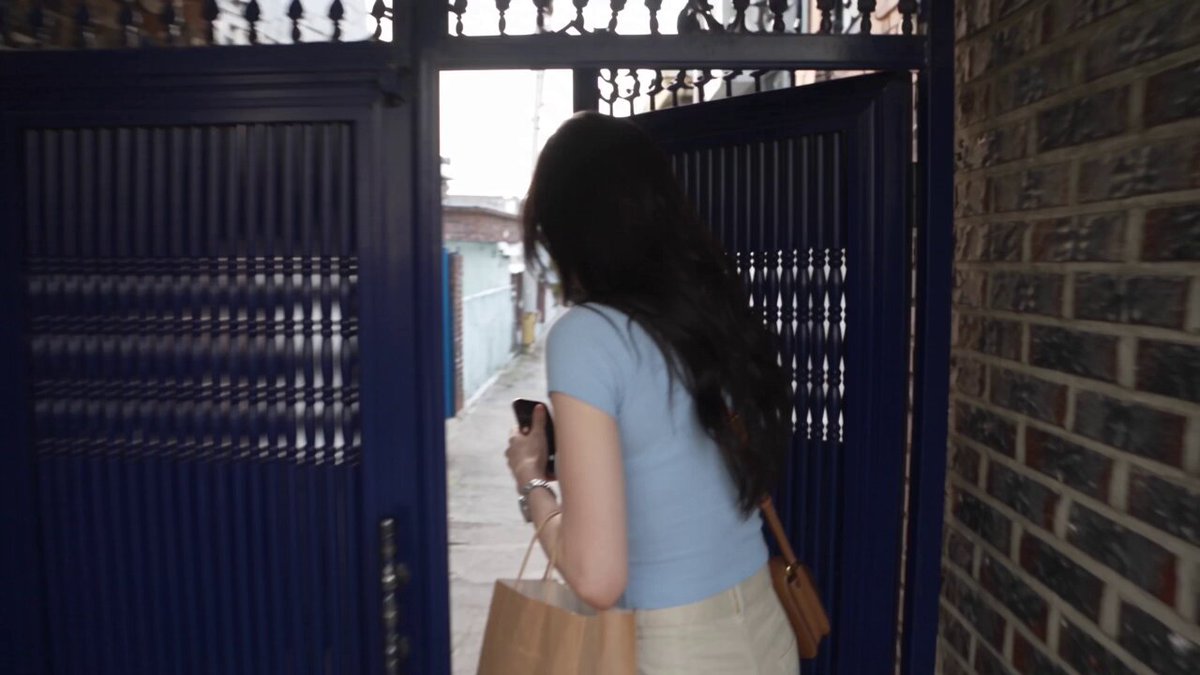

Why short documentaries are a natural fit for AI-assisted filmmaking
A short documentary — roughly three to twelve minutes — is one of the few formats where a small team can compete with a well-funded studio. Not because the story is simpler, but because the visual grammar of the format is forgiving. Narration, talking heads, archive material, slow observational shots, maps, and reconstructions can all carry meaning without a crew of thirty.
Generative video changed the economics of the middle part of that list. The shots that used to be impossible for a solo filmmaker — an aerial push over a frozen lake at dawn, a 1970s street scene, a macro drift across a circuit board, an abstract visualization of a supply chain — are now the cheapest shots in the project rather than the most expensive.
That shift creates a temptation worth naming early: treating generated footage as a replacement for reporting. It isn't. The strongest AI-assisted documentaries use generated material as connective tissue and illustration, and reserve real footage for the moments where a specific person, place, or piece of evidence has to be true. Decide this per shot, not per project.
A useful rule of thumb: generate when the subject is inaccessible, dangerous, historical, abstract, or needs to look identical across many cuts. Record when the shot depends on emotion, testimony, verifiable evidence, or a location viewers could check for themselves.
There is also a craft reason to be selective. Audiences have become fast at spotting synthetic footage, and they forgive it most readily when it is doing something a camera genuinely could not do — a reconstruction, a scale shift, a time jump — rather than imitating a shot you could have captured with a phone and patience.
Start with the script, not the software
The first hour of an AI documentary project should involve no AI at all. You need three documents before a single prompt is written: a one-page treatment, a narration script, and a beat sheet that maps every narration paragraph to visual intent.
The treatment is where the argument lives. Write around 300 words covering who the film is about, what changes between the first minute and the last, and why a viewer should care. If you cannot summarize the emotional arc in three sentences, better visuals will not rescue it.
The narration script is your timing device. Documentary narration runs at roughly 140 to 160 spoken words per minute, so a 900-word script is a six-minute film before pauses, reveals, and silence are added. Write for the ear: short sentences, concrete nouns, one idea per paragraph.
The beat sheet is the bridge to production. For each narration paragraph, list the visual beats it needs. A single sentence can easily require four shots.
Turning narration into visual beats
Take one line: "For forty years, the lake was the town's clock."
That is one sentence and at least four visual ideas:
- A wide dawn aerial drifting over the lake, mist sitting on the surface.
- Ice cracking in slow motion, close on the surface texture.
- An old ferry timetable or paper ticket, macro, on a wooden table.
- A fisherman's hands, real footage or stock, unhurried and quiet.
Only two of those four are obvious generation candidates. The paper ticket is a prop you can shoot in ten minutes on a kitchen table. The hands carry an emotional specificity synthetic video still struggles with. The aerial and the ice shot are exactly where generation pays off: no drone, no permit, no waiting for the right weather.
Write the beat sheet with a column for source type next to each beat — real, archive, stock, or generated. Filling that column honestly before you start generating saves days later.
The one-line visual contract
Before generation begins, write one line per shot that fully describes it:
Drone slowly pushing forward over a frozen lake at first light, low mist, muted teal and amber palette, documentary realism, slight grain, no people.
This line does three jobs. It seeds your prompt. It instructs a human camera operator if you end up shooting for real. And it acts as your consistency anchor: when shot twelve looks wrong next to shot eleven, you compare the two lines and find where the language drifted.
Keep the phrasing identical across shots in the same scene. Consistency usually comes from reusing language, not from stacking better adjectives.
Planning the shoot: the asset map and the look bible
Two planning artifacts separate projects that finish from projects that stall in a folder of orphaned clips.
The asset map
The asset map is a single spreadsheet or table listing every shot in the film with five columns: beat number, description, source type, status, and rights notes. The rights column matters more than beginners expect. Archive footage, newspaper scans, music, and even some public-domain collections carry conditions. Log the source, the license, the expiry, and the required attribution as you collect material, not three days before delivery.
For archive and newspaper material specifically: a scanned front page is a copyrighted photograph of a copyrighted layout. Government archives, municipal collections, and clearly marked public-domain repositories are safer starting points. When in doubt, ask for written permission or find an alternative.
The look bible
The look bible is a one-page visual constitution for the film. It should state:
- Palette: two dominant colors plus one accent. For example, desaturated blue-grey with a rust accent.
- Contrast and texture: flat and digital, or lifted blacks with visible grain?
- Lens language: 35mm handheld for observation, 85mm for interviews, macro for inserts.
- Camera vocabulary: slow push, lateral drift, locked tripod, gimbal walk. Pick three and stay inside them.
- Aspect ratio and frame rate: 16:9 at 24fps, or 2.39:1 for a more cinematic feel, or vertical if the film is destined for social feeds.
Every generated shot, every archive clip, and every real shot gets measured against this page. It is also the fastest way to brief a composer or a sound designer, because mood and pacing follow from palette and movement.
Deciding what should be real, archive, or generated
Use four criteria when a shot could go either way:
- Legal and ethical risk. Generating a recognizable real person doing something they did not do is a line you should not cross. Reconstructions of anonymous or composite figures are far safer.
- Cost of capture. A permit, a flight, and a drone operator can cost more than the entire rest of the edit.
- Time to capture. If the shot depends on weather, season, or access windows, generated material keeps the schedule intact.
- Evidentiary value. If the shot is being used as proof, it must be real or clearly labeled as a reconstruction.
Label reconstructions in captions or in the description. It costs one line of text and protects the film's integrity.
Generating the first pass of shots
Prompt anatomy that holds up
A documentary prompt has seven slots, in this order:
- Subject — who or what is on screen.
- Action — what changes during the shot.
- Environment — place, weather, time of day.
- Camera — position, movement, lens length.
- Lighting — source, direction, quality.
- Texture — grain, lens character, film stock feel.
- Mood — the emotional register in two words.
Anything beyond that tends to fight itself. Twelve adjectives about atmosphere produce muddier results than one precise lighting note. Write the style tail once per scene and paste it identically into every prompt in that scene.
One hero shot before any batch work
The single most common failure in AI documentary production is generating forty shots with an unproven prompt and then discovering the look is wrong. Instead, pick the shot that defines the film's visual identity — usually a wide establishing shot — and iterate on it until it matches the look bible. That may take fifteen attempts. It is worth all fifteen.
Once the hero shot works, treat its prompt as a template. Change only the subject, action, and environment slots for related shots, and keep camera, lighting, texture, and mood identical.
Motion that survives generation
Generated motion degrades with complexity. Movement that tends to hold up:
- Water, smoke, fog, dust, and drifting snow.
- Slow camera moves: push, pull, lateral drift, gentle crane.
- Walking figures seen from behind or at a distance.
- Crowds at a distance where individual anatomy is not scrutinized.
Movement that breaks more often:
- Hands performing precise tasks — threading, typing, cooking, repairing.
- Sports, dance, and any fast multi-limb action.
- Two people interacting closely, especially faces in conversation.
- Text on screen, logos, and signage.
When a shot needs one of the fragile actions, either shoot it for real or reframe so the action is implied rather than shown. A close-up of a tool resting on a workbench often reads better than a broken attempt at a hand picking it up.
Duration and trimming
Generate four to eight seconds per shot, then cut to three to five seconds in the edit. Longer clips are useful only when you need room to find the right moment in a slow move. Almost every generated clip has a slight ramp at the start and a drift at the end; trimming the first and last dozen frames improves pacing immediately.
Keeping visual consistency across a sequence
Consistency is the difference between a film and a showreel. It breaks in four places.
Characters and wardrobe
Lock a character sheet: age range, build, hair, clothing, and one distinguishing detail. Write it once and paste the same sentence into every prompt featuring that character. Do not paraphrase — paraphrasing is where drift enters. Where the tool supports reference images, use one. If a character must appear in several shots and consistency keeps failing, restructure the sequence so the character is seen at a distance, from behind, or in silhouette.
Environment continuity
Keep time of day, weather, and geography stable within a scene. If the sequence is set at dawn, sun direction should not reverse between shots. If a building faces a river in the establishing shot, it faces the river in the interior shot too. Track this in the asset map rather than in your head.
Color and grain matching
Even with identical prompts, generated shots vary in contrast and saturation. Fix this in the grade rather than in generation: build one grade node or layer, apply it across the whole sequence, unify black levels, and add a single grain layer over everything. A shared grade is what makes mixed sources feel like one film.
Mixing archive, real, and generated footage
Mixed formats can look deliberate or accidental. Decide in advance which it is:
- Deliberate: keep archive at its native 4:3 with visible scan texture, framed inside a neutral background. The format difference becomes a storytelling signal.
- Accidental: stretch, crop, and grade everything to one look so the seams disappear.
Both work. What does not work is doing one for the first half and the other for the second.
Narration, sound, and pacing
Recording the voice
Three options, with clear trade-offs. Recording yourself is free and authentic but demands a quiet room and forty minutes of retakes. A hired voice actor delivers consistency and interpretation, and costs a fixed fee. Synthetic narration is fast, infinitely editable, and excellent for explainer register — but thin for first-person emotion. Whichever route you take, check pronunciation of place names and proper nouns before the final render; mispronounced names undermine credibility faster than any visual flaw.
Record at 48kHz, keep the microphone 15 to 20 centimeters away and slightly off-axis, and record thirty seconds of room tone for every session. That room tone is what lets you patch edits later without audible jumps.
Music and ambience
Choose one music cue per emotional movement, not per scene. A six-minute film usually needs three cues: an opening, a middle turn, and a resolution. Underneath everything, run continuous ambience — wind, water, distant traffic, room hum. Silence is a tool, but accidental dead air is not.
For music, work from licensed libraries or compose your own. Keep the license documentation with the project file. If you use a synthetic music generator, read the terms carefully; some allow commercial use, some do not, and the difference matters at delivery.
Cutting to rhythm
Documentary pacing is usually driven by narration. Place your cut two to four frames before the narration beat lands so the image change and the word land together. Where there is no narration, pacing comes from shot duration: vary between three and seven seconds rather than holding a metronome rhythm.
Assembling the first cut
Paper edit before timeline
Before opening the editor, lay out the film on paper or in a document: narration paragraph, then the shots assigned to it, in order. This takes twenty minutes and prevents the aimless timeline wandering that eats entire evenings.
The assembly pass
Build the assembly in this order:
- Narration on the primary audio track.
- Music on a second track, ducked under narration.
- Ambience on a third track at low level.
- Visuals on the video track, best shot per beat.
- Straight cuts only. No transitions, no titles, no grade.
Set a timer. The assembly pass should take one session. Expect twenty to thirty percent of your generated shots to be unused — that is normal, and it is why you generated alternatives.
Runtime math
At 150 words per minute, an 800-word script runs about 5 minutes 20 seconds. Add fifteen to twenty percent for pauses and reveals, plus any archival sequences without narration. A useful target for a short documentary is four to eight minutes: long enough to develop an argument, short enough to hold attention on a phone.
The notes pass
Watch the assembly once, start to finish, without pausing. Write timecoded notes as you go. Then fix only the five biggest problems. Fixing everything at once flattens the film and burns the energy you need for the finishing pass.
Troubleshooting: the seven most common problems
The footage looks synthetic. The tell is usually smoothness, saturation, and centered composition. Add imperfection: handheld drift, off-center framing, natural window light, visible grain, shallow focus that is not perfectly on the eyes.
Characters change between shots. Return to the character sheet, reuse the exact same phrasing, use a reference image, or restage the scene so faces are less visible.
The sequence feels flat. Vary shot scale: wide, medium, close, macro, then back to wide. Uniform scale is the most common cause of visual monotony.
Narration and image say the same thing. Literal illustration is boring. If narration says "the factory closed," do not show a closing sign; show the empty parking lot at dusk, or a child's drawing on a fridge in a house that is about to be sold.
Pacing drags. Trim the start and end of every generated clip, shorten any shot longer than six seconds, and cut one shot from each scene.
The film feels ethically shaky. Remove generated depictions of identifiable real people doing things they did not do, label every reconstruction, and audit your archive rights log.
The edit stalls. Reduce scope. A tighter five-minute film that ships beats a ten-minute film that never does.
A practical five-day production schedule
Day one. Treatment, narration script, beat sheet, asset map. No generation.
Day two. Look bible, hero shot iteration, prompt template, character sheets.
Day three. Batch generation in two or three passes, with review between passes. Simultaneously shoot or source the real and archival material.
Day four. Record narration, gather music and ambience, build the assembly.
Day five. Notes pass, fixes, grade, captions, export.
That schedule assumes a six-minute film and a single editor. Stretch it to two weeks if the film includes interviews, because interview material changes the entire rhythm of the edit.
FAQ
How much generated footage do I actually need?
Plan for roughly three times the finished runtime in generated material. A six-minute film will consume eighteen minutes of generated footage at the assembly stage, of which most will be trimmed or discarded. Generate two or three variations of every important shot and one variation of disposable connective shots.
Can a documentary be made entirely with generated visuals?
Technically yes, and it works best for historical, scientific, or abstract subjects where no original footage exists. For any film about living people or current events, a mix is stronger. Viewers extend trust to a film that shows them at least some real material.
Do I have to disclose that footage is synthetic?
In many contexts, yes — ethically if not legally. A single caption line such as "reconstruction" or a note in the video description resolves it. Broadcasters and several platforms have their own rules, so check the requirements of wherever the film will live before you finish the grade.
What should I do about music licensing?
License from a library that provides written terms, or compose your own. Keep the license file inside the project folder with the delivery date and permitted territories visible. Ambience recorded yourself is always the safest bed under narration.
How do I keep a character consistent across many shots?
Write the character description once, paste it verbatim into every prompt, use reference images where available, and restrict the character to angles where consistency is easiest to maintain: distance, profile, back of head, hands. If drift persists, restructure the sequence rather than fighting the tool.
How long should the first cut be?
Aim for ten to fifteen percent longer than your target runtime, then trim. Cutting to length during the assembly pass destroys your sense of rhythm and forces compromises you will regret in the finishing pass.
What resolution and frame rate should I work in?
Match your delivery format: 3840x2160 at 24fps is a safe documentary standard, with a 1080p export for social. If the film is vertical, generate and edit vertical from the start rather than cropping later — reframing a wide shot into vertical always loses the composition you spent time getting right.
When should I stop generating and start editing?
When every beat in the asset map has at least one usable shot and the hero shot's look is reproducible. Chasing one perfect shot for another three hours rarely improves the film; the edit usually reveals that a simpler shot would have served the scene better anyway.
The broader lesson is that AI compresses production time but not judgement. The decisions that make a short documentary work — what to show, what to withhold, what is true, and when to let a shot sit in silence — remain entirely yours.
