
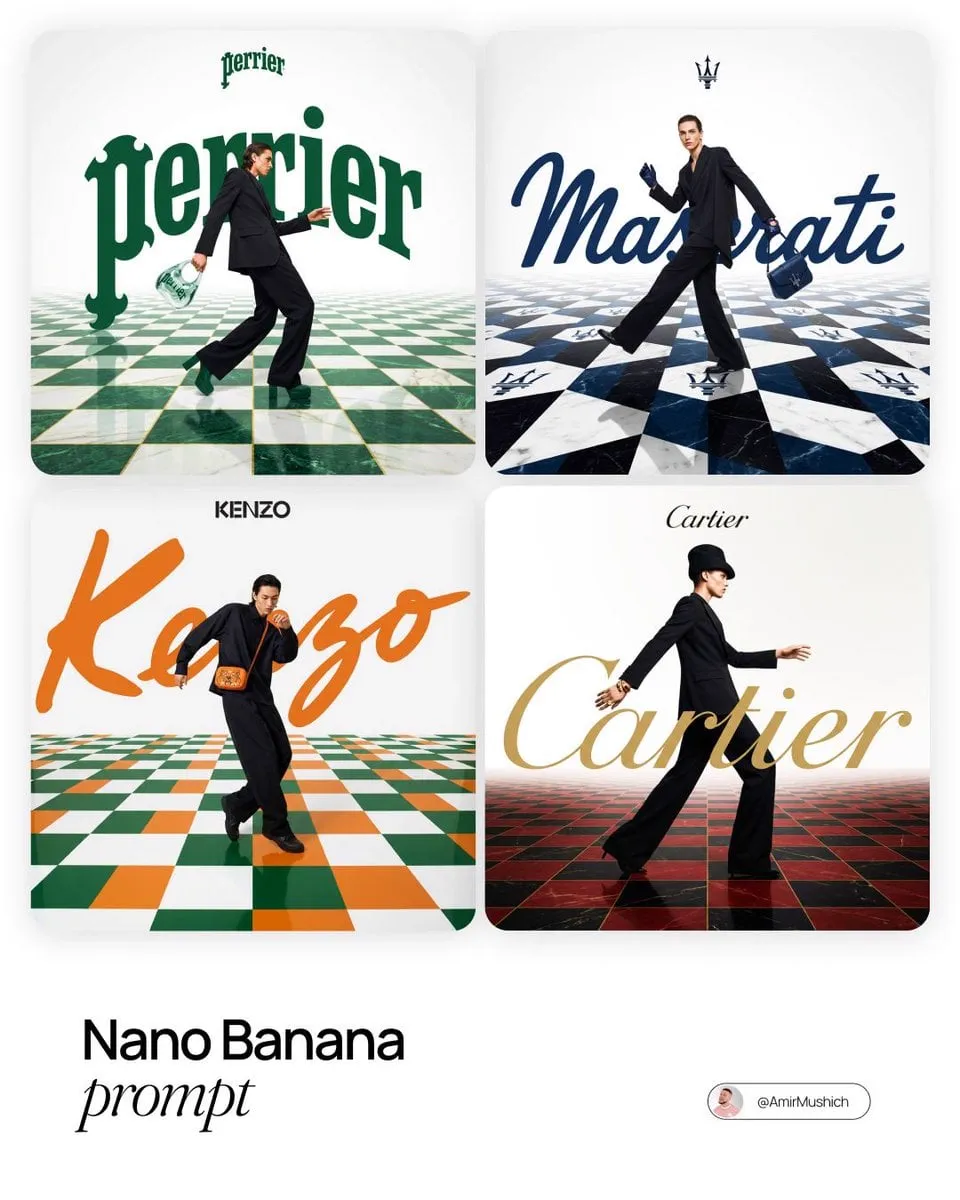

Video advertising has moved to short-form, and the pressure to produce more ads in less time has never been higher. Brands that once shot a single campaign can now be expected to deliver multiple video variations for different audiences, channels, and regions. Generative AI is reshaping how that production gets done, not by removing the creative team but by removing the slow, repetitive parts of the work. This guide explores how to use large language models, image generation, and video tools to produce short-form video ads that actually earn attention, while keeping the narrative and visual identity consistent.
Why short video ads demand a new production approach
The modern social feed is crowded, and a video ad has only a moment to stop the scroll. That reality changes what an effective ad needs to be: quick to hook, clear about the offer, and visually strong enough to stand out on a small screen. At the same time, brands must publish across multiple platforms and iterate constantly, which a slow, bespoke production process cannot support.
AI addresses the bottleneck by compressing the time between idea and draft. Instead of shooting every variation, a team can generate multiple script options, prototype visuals, and even assemble rough video edits in hours. The creative team then directs and refines, spending its energy on the decisions that actually move viewers rather than on mechanical production tasks.
The role of language models in ad narrative
Great short ads are driven by a tight narrative, not by footage. Large language models are excellent at drafting and iterating on scripts, hooks, and calls to action, which makes them the natural starting point for any ad.
Generating strong hooks
The first two seconds decide whether anyone keeps watching. Ask a language model to produce multiple hook options for your product: different angles, tones, and attention triggers. Compare them against your audience's likely state of mind and pick the angle that is both specific and emotionally resonant.
Rather than accepting the first result, iterate. Prompt for variations with a longer version, a shorter version, and a version that leads with the problem before the product. Test the hooks mentally against your best-performing past content, and let a draft go through a few rounds before you commit.
Structuring the arc
A short ad still benefits from a tiny arc: problem, solution, and a reason to act. Draft this as three short beats rather than writing it as a script from the start. Once the beats are solid, expand them into live-action narration, voice-over, or on-screen text, depending on the format and the platform.
Writing for different audiences
The same core message often needs to be reshaped for different segments. Language models can adapt your base copy into versions with different tone, formality, regional wording, or cultural framing. This is where efficiency compounds: one campaign becomes many localized variations without starting over each time.
Building visual consistency into AI-generated ads
The fastest way to make a video ads campaign feel cheap is to have visuals that do not match. If every ad uses different colors, fonts, or image styles, the brand identity gets diluted and audiences perceive less polish. Consistency is the quality gate that separates professional-looking output from obvious automation.
Define a visual system first
Before generating any asset, write down your brand's visual rules: primary palette, accent colors, typography, image mood, and the kind of lighting or texture you want. Include these signals in every prompt so the generative tools bias toward your look. A shared style reference goes a long way toward keeping dozens of generated assets coherent.
Use references and style anchors
Many generative tools accept a reference image or a style token. Feeding them a strong on-brand reference yields more predictable results than relying on text alone. Build a small library of approved reference images for your key product shots, backgrounds, and typography, and reuse them across campaigns.
Grade everything to a common look
Generated assets rarely share identical color science, so a unified grading pass is essential. Apply your brand's grading or a consistent filter to every asset, then make small per-asset corrections. This single habit fixes most visual inconsistencies before anyone notices them.
Creating a truly immersive experience with audio and effects
Short video is more than moving pictures; it is sound, motion, and atmosphere working together. AI can help here too, but the craft remains in how you layer those elements.
Use text-to-music or audio tools to generate a music bed that matches the ad's energy, then let the music guide your cut points. Add synchronized sound effects for transitions or key product moments to keep the viewer engaged. When you have voice-over, make sure it ranks above the music in the mix and reads naturally over the pacing of the edit.
Do not overdo effects. A short ad works best when it feels effortless; too many flashy transitions can fight with the message. Reserve effects for the moments that deserve emphasis and let the narrative breathe elsewhere.
Leading video generation models and what to expect
The landscape of video generation models changes quickly, but a few trends shape what you can rely on today. Some models excel at photorealistic, film-like output, making them good for hero product shots and lifestyle scenes. Others offer strong art direction and stylized looks that fit creative or branded campaigns. Still others give you detailed camera control, which matters when motion and flow are the point of the ad.
Rather than following hype, match the model to the shot and the audience. Test a few candidates against a small realistic brief, compare turnaround time, quality, and how easily the result matches your visual system, and keep a shortlist of the tools you trust. Choose the tool that gives you the best combination of speed and control for the specific ad you are producing.
A fast production workflow for a video ad
A repeatable pipelined process keeps AI ads high quality and quick to ship.
- Write the message and target audience.
- Use a language model to draft and iterate on hooks and a three-beat script.
- Adapt the copy into localized variations for each platform or region.
- Define the visual system and generate reference images and keyframes.
- Generate hero visuals and supporting footage with the chosen model.
- Assemble the cut, add captions, music, and effects.
- Grade everything to the brand look and render platform-native versions.
The loop front-loads thinking and generation, then funnels into a controlled editing and grading pass. Each step is fast because it feeds from the previous one.
Measuring what matters and iterating
An ad is only as good as its result, so iterate based on real signals. Watch early engagement, hook retention, and click-through or completion rates. In particular, note where viewers drop off; a drop in the first two seconds points to a weak hook, while a mid-video drop may flag pacing issues.
Keep campaigns in versions rather than betting on a single take. Produce a couple of hook variations or different openings, run them, and let the data pick the winner. This test-and-learn loop is exactly what a fast, AI-assisted pipeline makes affordable.
Localizing ads without starting over
One of the clearest wins from an AI-assisted pipeline is localization. The same campaign can be shaped for different regions and platforms without rebuilding the assets every time.
Start from the approved master version, then adapt instead of re-creating. Swap the language of the script and on-screen text, adjust the tone and humor to fit the local culture, and change localized details like currency, spelling, and trademark references. For visuals, reuse the same reference images and style block so the adapted ads still look like the same brand while speaking differently.
Speed matters here because you often have to respond to local reaction quickly. When text, hooks, and calls to action are generated and interchangeable, a team can turn around a regional variant in hours. Keep a simple approval step in place so a local reviewer can catch cultural misfires before the ad ships. This discipline is what lets a global brand stay fast without losing touch with each market it serves.
Building the right team and division of labor
AI does not remove the need for good people; it changes where their effort goes. The most effective teams reorganize around a clear split.
A strategist owns the message and the audience, deciding what to say and to whom. A prompt and generation specialist experiments with models and prompts, turning ideas into strong raw material. An editor and motion designer refines the cut, handles grading, captions, and sound. A reviewer or account lead checks brand fit and accuracy before anything ships. None of these roles needs to be full-time for every campaign, but the division prevents a single person from bottlenecking the whole pipeline.
The goal is that no one spends their day on mechanical work a model can do faster. When roles are clear, people do what they are best at and the pipeline as a whole stays quick without sacrificing the judgment that makes the final ad memorable. Even a solo marketer benefits from sketching these roles out, because naming the work boundaries keeps you from drifting into producing low-value variations instead of shipping finished campaigns.
Choosing ad angles that earn attention
A strong production process cannot save a weak angle. Spend deliberate time deciding what the ad is actually saying before you generate anything. In a cluttered feed, a specific angle almost always outperforms a generic announcement. Instead of "our product is great," choose a question the viewer is already asking, or a small problem the viewer recognizes in their daily routine.
Generate a handful of distinct angles with your language model and compare them against a blunt test: if someone saw the first two seconds, would they know exactly what problem the ad addresses and why it applies to them? Favor the angle that is concrete, emotionally resonant, and easy to demonstrate visually. Once the angle is locked, the visuals, script, and call to action all build on it, and the entire production moves with a clear sense of direction instead of drifting toward generic polish. A crisp angle also makes iteration easier: when you know precisely what the ad promises, every round of feedback and every regeneration focuses on a clear target rather than vague preference.
Frequently asked questions
Is AI-generated ad video convincing enough for real campaigns?
For many product and lifestyle formats, yes, especially when combined with strong editing and grading. For shots involving real people, precise product detail, or legal considerations, you still want controlled, well-planned media. Use AI where it is reliable and human direction elsewhere.
How do I avoid making ads look too automated?
Prioritize a shared visual system, unified grading, and human-directed pacing. Automation shows when the output is incoherent, so the fix is consistency and craft, not abandoning AI.
Can I personalize ads at scale with AI?
Yes, that is one of its biggest strengths. The same core message and assets can be adapted into audience-specific variations by reshuffling copy, localized elements, and hooks, all from one foundation.
Do I need to disclose that AI was used?
It depends on your local regulations and platform policies. When the content is clearly stylized or obviously generated, disclosure is usually unnecessary, but for realistic content that could be mistaken for reality, transparency is the safe and responsible choice.
Wrap-up
Generative AI gives marketing teams a way to produce short-form video ads quickly without giving up narrative or visual quality. Use language models to craft tight hooks and scripts, use image and video tools to prototype and generate visuals, and protect consistency through a shared visual system and a unified grading pass. Built into a repeatable pipeline, this approach lets a small team ship more, better-performing ad campaigns than traditional production alone would allow.
