
Why Story and Shot Design Decide Whether an AI Video Works
Generative video tools have made one thing very cheap: a beautiful moving image. Type a sentence, wait thirty seconds, and you get six seconds of cinematic-looking footage. What has not become cheap is the thing that makes anyone watch past the first clip — structure. A pile of gorgeous shots with no narrative logic reads like a demo reel, and viewers abandon those in about eight seconds.
The projects that work share a common trait: they treat generation as the last step, not the first. They lock a story, a beat sheet, a style bible, and a shot list before they ever open a model. That front-loaded work is what lets them survive the messy realities of generative video — character drift, inconsistent lighting, unpredictable motion — because they know exactly what each shot must accomplish. When a generation fails, they can reshoot intelligently instead of guessing.
This guide walks through that pipeline as a repeatable workflow. It is deliberately tool-agnostic: the principles hold whether you work with Runway, Kling, Veo, Luma, Pika, Sora, or an open-source stack built on ComfyUI, and whether your stills come from Midjourney, Flux, or Stable Diffusion. What changes between tools is capability and control surface. What stays constant is the thinking.
Start With Story: Beats Before Prompts
Write a logline you can defend
A logline does three jobs: it names a protagonist, states what they want, and names the obstacle. "A lighthouse keeper discovers the beam is answering her" is a logline. "A mysterious atmospheric video about the sea" is a mood board, and mood boards do not generate second acts.
Write three candidate loglines, then pick the one with the clearest visual consequence. If you cannot picture a specific image from the logline, the story is not ready to be shot.
Build a beat sheet sized to your runtime
For a 60 to 90 second piece, aim for 8 to 12 beats. For three to five minutes, aim for 20 to 30. A beat is not a shot — it is a turn, a moment where something changes. A useful test: describe the beat in one sentence containing a strong verb.
A workable beat sheet for a 75-second piece might look like this:
- An opening image that poses a question (0–6 seconds)
- The protagonist introduced mid-action (6–12 seconds)
- The anomaly appears (12–20 seconds)
- A first attempt to explain or control it (20–28 seconds)
- Escalation, the stakes widen (28–38 seconds)
- Failure, the lowest point (38–48 seconds)
- Reframe, the protagonist changes approach (48–58 seconds)
- A resolution image that rhymes with the opener (58–70 seconds)
- Optional tag or button (70–75 seconds)
Map the emotional arc
Next to each beat, write two notes: the emotion the viewer should feel, and the visual consequence of that emotion. Grief might mean colder color temperature and longer holds. Panic might mean closer framing and shorter cuts. This single column is the difference between a video that feels directed and one that feels randomly sampled.
Keep the cast and locations small
Two or three characters and two to four locations is the sweet spot for AI production. Every additional character multiplies continuity risk, and every new location adds a fresh set of lighting and palette decisions that must match everything else.
Build a Style Bible Before You Generate Anything
Describe the look in operational terms
"Beautiful" and "cinematic" are not specifications. Write something a collaborator could execute without asking questions: 2.39:1 anamorphic framing, visible 35mm grain, low-contrast shadows, cool teal highlights against warm sodium practicals, camera almost always locked or slowly pushing in, no handheld, no lens flares, no drone shots.
That level of specificity is not fussiness. It is what allows several people — or several models — to produce shots that cut together.
Character reference sheets
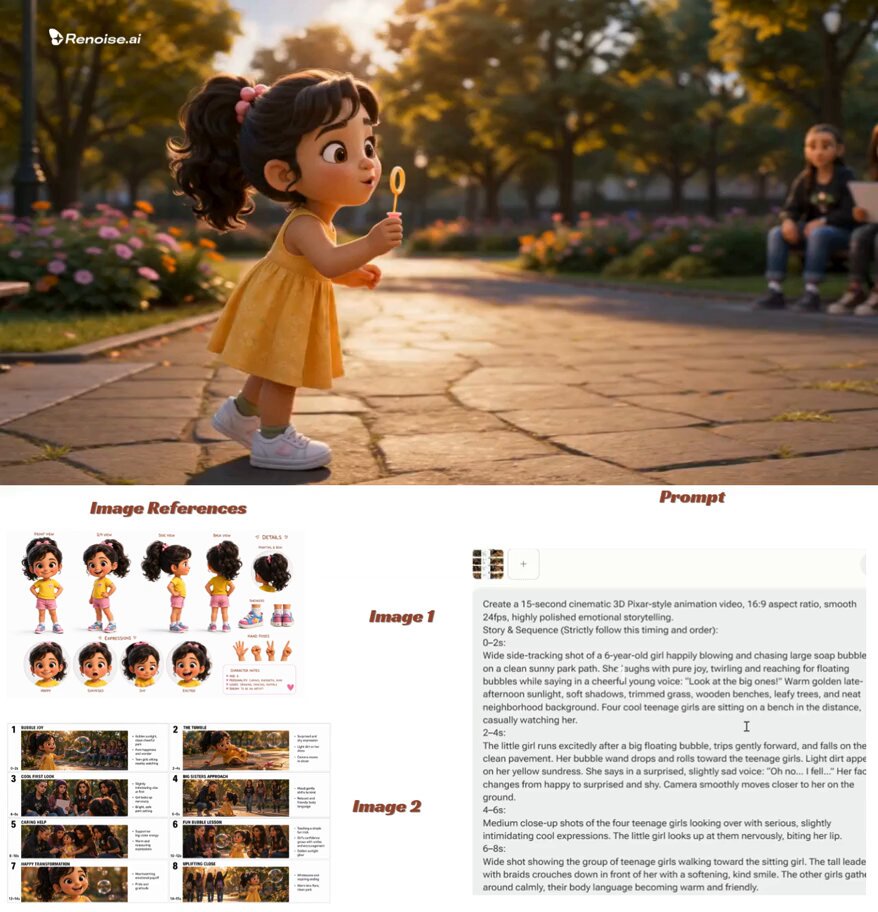
For each character, build a small reference kit: a front view, a three-quarter view, a profile, and a full-body shot in the hero wardrobe. Alongside the images, write a fixed descriptor block and never paraphrase it:
Woman, late 30s, South Asian, sharp cheekbones, shoulder-length dark hair tied back, navy wool coat over grey knit sweater, small scar above left eyebrow.
Copy that block verbatim into every prompt that features her. Paraphrasing is the single most common cause of character drift, because the model has no memory of your intent — only the text in front of it.
Location and prop anchors
Maintain one clean reference frame per location and per recurring prop. If a brass key matters to the plot, decide what it looks like in shot four and keep that exact description in every later prompt.
Version the bible
Keep it in a single document with a version note. When you change the wardrobe halfway through, that should be a deliberate decision, not an accident you discover during the edit.
The Shot List: The Document That Saves Your Project
Anatomy of a usable shot row
A shot list that an AI workflow can actually use has more columns than a traditional one, because the model needs descriptive inputs rather than instructions for a crew. Include: shot ID, target duration, subject, single action, framing, lens, camera move, lighting, palette note, audio note, and continuity notes.
The "single action" column is the important one. Generative models handle one clear action per clip far better than two or three chained together.
Think in clips, not scenes
A scene is a narrative unit. A clip is what the model produces — typically four to eight seconds of coherent motion. Design your scene so it can be assembled from clips, and accept that a 30-second scene may need five or six separate generations.
Budget three to five attempts per usable shot. That sounds wasteful until you compare it with the alternative: discovering in the edit that a key moment does not exist in any usable form.
Do the duration math early
A 70-second video with an average shot length of 4.5 seconds needs roughly 16 shots. At four attempts per shot, that is about 64 generations. Adding three pickups and two alternate endings brings you to roughly 75. Knowing that number before you start changes how you plan your week and prevents the slow disillusionment that kills unfinished projects.
A sample shot list excerpt
| ID | Dur | Subject | Action | Framing / Lens | Move | Light |
|---|---|---|---|---|---|---|
| 04 | 4s | Keeper | Lifts lantern to window | Medium, 40mm | Slow push in | Warm practical, cold ambient |
| 05 | 3s | Beam of light | Sweeps across water | Wide, 24mm | Locked | High contrast, teal night |
| 06 | 5s | Keeper's face | Reacts, steps back | Close, 85mm | Static | Single source, soft falloff |
| 07 | 4s | Water surface | Ripples inward, unnatural | Insert, macro | Slow tilt down | Moonlit, low saturation |
Notice that each row describes one action and one camera behavior. That discipline is what makes the shots generatable.
Camera Language and Composition for AI Shots
A working vocabulary of camera moves
Useful moves include locked off, slow push in, pull out, pan, tilt, tracking, dolly, handheld, orbit, crane, whip pan, and rack focus. In practice, current video models execute some of these reliably and others poorly.
Reliable: slow push in, gentle pan, slow orbit, locked-off frames, drifting handheld.
Unreliable: fast whip pans, long unbroken takes with multiple actions, complex object interactions with hands, and any move that requires the camera to change subject mid-clip.
Design your coverage around the reliable list. Save the ambitious moves for moments where the shot is short enough that the model cannot expose itself.
Framing fundamentals still apply
Nothing about generation changes the basics. Respect the rule of thirds, protect eyeline and headroom, keep lead room in the direction a character looks or walks, and layer your frame with foreground elements so the image reads as having depth rather than being a flat backdrop.
A scene that moves from wide to medium to close feels purposeful. A scene that stays in one size feels like a slideshow, no matter how good each individual image is.
Movement should mean something
Move in when a character commits. Move out when they retreat. Hold still when they are deciding. Audiences read camera behavior as emotional information, and random movement dilutes that signal.
Lighting and Color as Narrative Tools
Motivated light
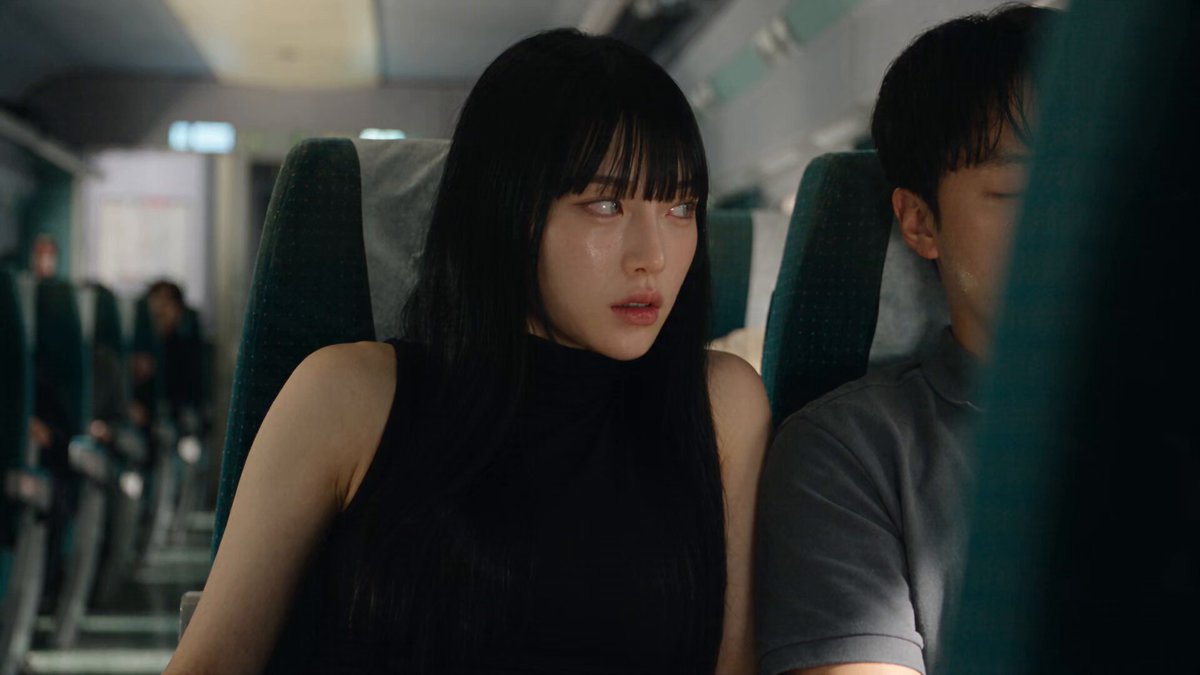
Every source in the frame should have a plausible origin: a window, a lamp, a screen, a fire, moonlight through glass. Motivated light gives you consistency across shots for free, because the source itself dictates direction, softness, and color. Unmotivated light is the reason so many AI clips feel like they were lit by a committee.
Color scripts by act
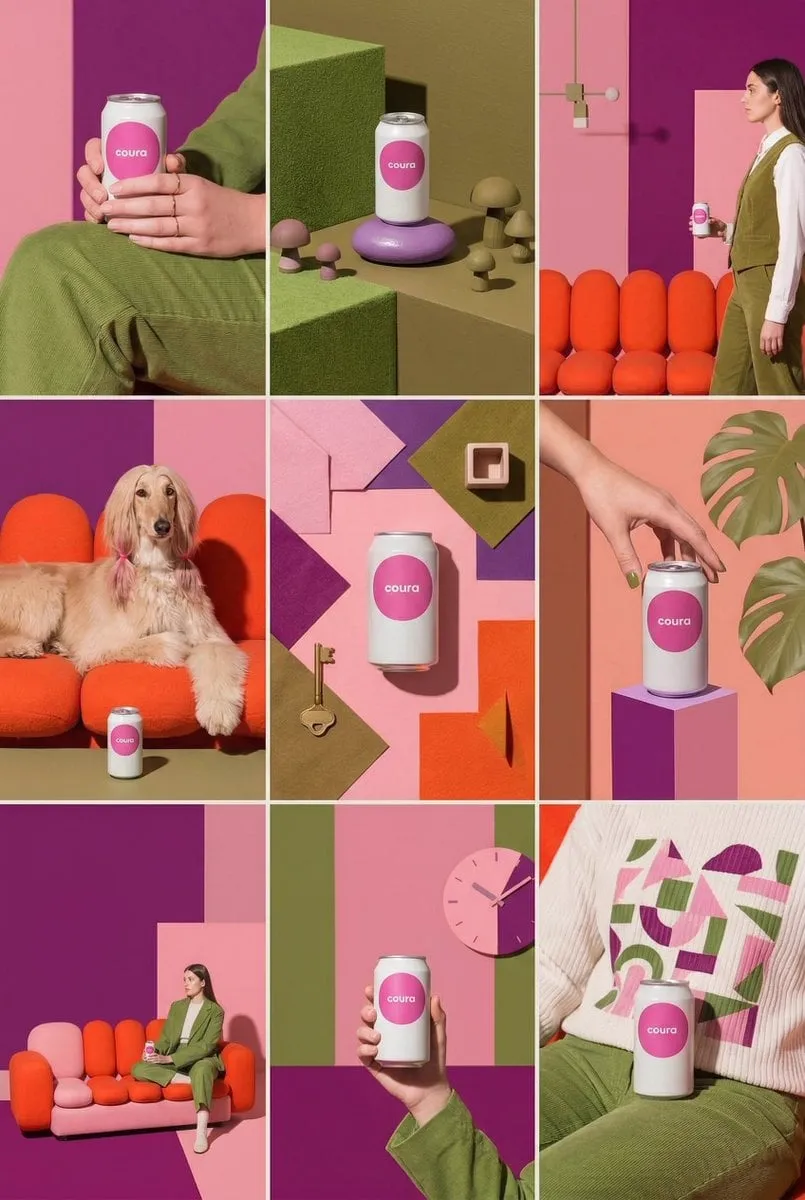
Decide a palette per act, not per shot. Act one might sit in desaturated blues with a single warm accent. Act two might push contrast and introduce sickly green. Act three might return to the opening palette with one noticeable shift. Write these as plain phrases you can paste into prompts, and keep them short enough that the model does not dilute them.
Match looks across models instead of chasing them in generation
Different models render color and contrast differently. Fighting that during generation wastes hours. Instead, generate within a broad range, then unify everything in post with a shared grade, a film grain layer, and a consistent black point. A single well-made look applied across 16 clips buys more coherence than a hundred prompt rewrites.
Choosing a Model Shot by Shot
Decision criteria that actually matter
- Motion complexity — is there a simple action or a complex physical interaction?
- Realism versus stylization — photoreal, illustration, or something in between?
- Duration — does the clip need to run longer than the model's comfortable window?
- Aspect ratio — can it produce your delivery format without cropping away the composition?
- Control features — image-to-video, first and last frame conditioning, camera controls, subject reference.
- Iteration speed — fast drafts matter more than perfect first takes.
- Commercial licensing — confirm terms before you build a client project around a tool.
A practical allocation
For photoreal dialogue-free drama with limited hand interaction, modern text-to-video and image-to-video models from the Runway, Kling, Veo, and Luma families all perform well. For stylized or illustrative material, Pika and similar tools with strong style transfer behavior tend to give you more control. For hero stills and keyframes, Midjourney and Flux remain the workhorses. For maximum control and reproducibility, an open diffusion stack assembled in ComfyUI lets you fix seeds, swap checkpoints, and build repeatable node graphs.
The right answer is usually plural. A hybrid pipeline — generate the still, animate the still, then fix the edges in post — beats trying to make one tool do everything.
Hybrid pipelines in practice
Generate a composition as a still. Approve it. Then animate that exact image with an image-to-video model, describing only the motion and camera behavior in the prompt. Because the composition and character are already fixed in pixels, the model has far less room to invent. This approach costs slightly more time per shot and dramatically reduces the number of failed attempts.
Prompt Craft: Writing Shots Models Understand
The anatomy of a shot prompt
A reliable shot prompt follows a predictable sequence:
[subject and wardrobe] + [one action] + [environment] + [lighting] + [lens and framing] + [camera move] + [style and mood]
Example: "Woman in a navy wool coat, late 30s, shoulder-length dark hair tied back; lifts a brass lantern toward a rain-streaked window; interior lighthouse room, bare stone walls; warm lantern practical against cold blue night ambient; medium shot, 40mm; slow push in; 2.39:1, 35mm grain, low contrast shadows, cinematic realism."
Note what is absent: adjectives like "stunning," "epic," and "masterpiece." Those words consume space and steer nothing.
Constraints and negatives
Keep a standing negative list and apply it to every shot: no text, no subtitles, no watermarks, no extra limbs, no duplicate subjects, no crowd, no warped faces, no split screen. Add project-specific negatives as problems appear, and remove them when a model update changes behavior.
Iterate one variable at a time
When a shot fails, change exactly one thing: the action phrasing, the camera move, or the light. Changing three variables at once means you learn nothing from the result. Keep a document with the prompt, the seed, the model, and a one-line note on what happened. After twenty shots, that log is more valuable than any tutorial, because it is calibrated to your specific material.
Lock blocks
Keep the character descriptor, the palette phrase, and the style suffix in reusable blocks. When you improve one, improve it everywhere. This is the manual version of the consistency that paid pipelines automate.
Assembly, Sound, and Finish
Edit for rhythm, not for prettiness
Cut on motion whenever possible. Match action across cuts so that a raised hand in one clip completes in the next. Keep the opening cut short — two to three seconds — because that is where attention is most fragile. If a shot is beautiful but slows the scene down, cut it. You can always use it in a trailer.
Sound design carries half the emotion
AI-generated visuals often feel hollow because they are silent. Lay in three layers: continuous ambience (rain, room tone, wind), spot foley (footsteps, cloth, a door latch), and music. For voiceover, use one consistent voice profile across the entire project and re-record rather than pitching a mismatched take.
Finishing steps
Upscale to delivery resolution, interpolate if you need smoother motion, stabilize clips with unwanted camera wobble, apply one unified grade, add grain, and export. Do the grade last. Grading too early locks in decisions you have not yet earned.
Common Mistakes and How to Avoid Them
- Writing the story in the edit. Fix: finish the beat sheet before generating.
- Chasing one perfect model. Fix: allocate tools per shot based on motion complexity.
- Paraphrasing character descriptions. Fix: one locked descriptor block, copied verbatim.
- Generating clips that are too long. Fix: cut the action until it fits in four to six seconds.
- Stacking multiple camera moves in one clip. Fix: one move per shot.
- Ignoring audio until the end. Fix: rough in ambience and music as soon as you have a first assembly.
- Uncontrolled asset naming. Fix: name files with shot ID, take number, and model from the start.
- Generating before locking the look. Fix: build the style bible first, then generate.
FAQ
How long should each AI-generated clip be?
Four to eight seconds is the practical range. Shorter clips are easier to make convincing and easier to cut around.
How do I keep a character consistent across shots?
Combine four things: a fixed written descriptor, reference images, image-to-video generation from an approved still, and consistent seeds where your tool supports them. Accept small drift and cut around it rather than regenerating endlessly.
Do I really need a shot list?
If your video is longer than 30 seconds, yes. The shot list is what turns a folder of clips into a sequence, and it is what tells you when a shot is missing instead of discovering it during the edit.
What if the model keeps adding text, extra fingers, or background people?
Add those to your standing negative list, simplify the frame, and reduce the number of subjects. Crowded compositions fail more often than clean ones.
How many shots do I need for a one-minute video?
Roughly 12 to 18 shots at an average length of four to five seconds, plus two or three alternate takes for flexibility.
Can I mix models in a single project?
Yes, and most experienced creators do. Unify the result with a shared grade, a consistent grain layer, and a consistent sound bed so the seams disappear.
