


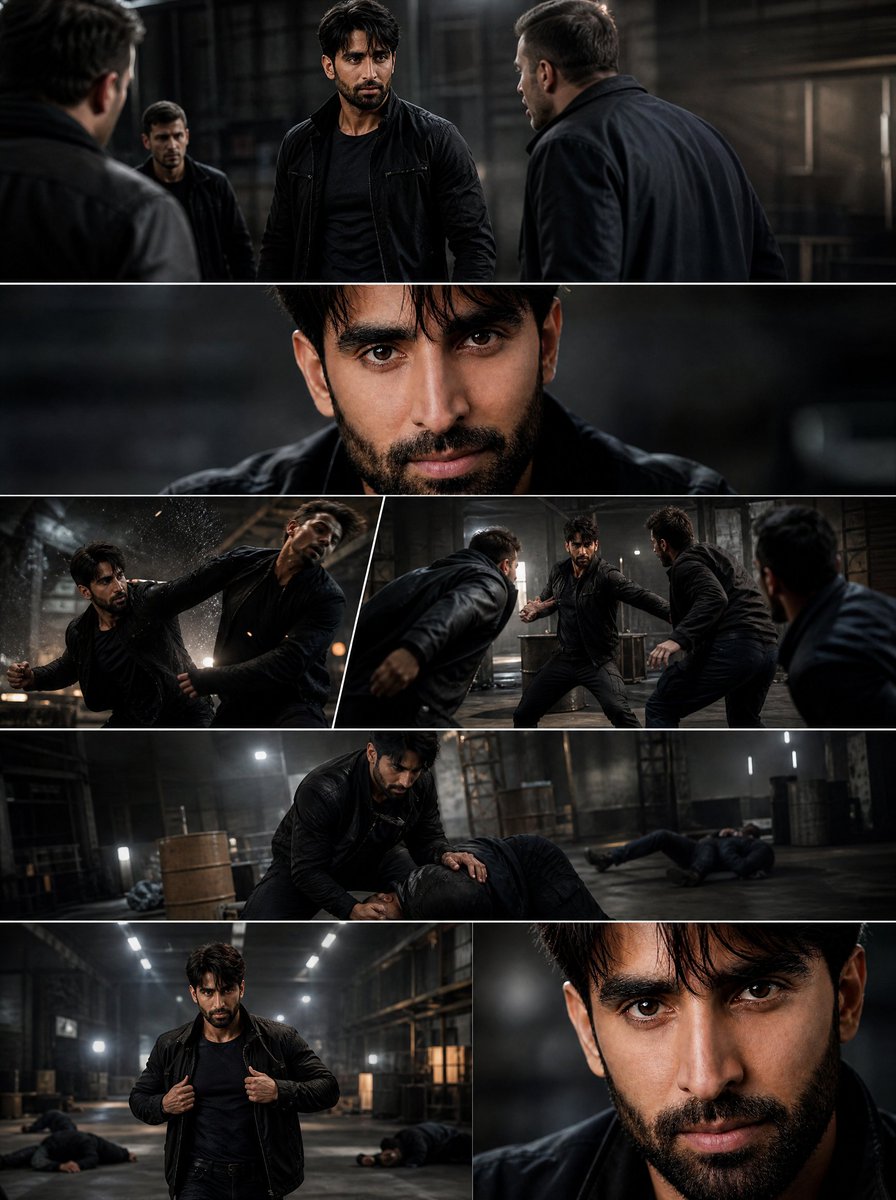
Text-to-video generation stopped being a novelty the moment teams realized they could ship a decent product explainer without booking a studio. The technology is impressive, but the real shift is organizational: writing a script on Monday and having a captioned, narrated, on-brand video in review by Tuesday is now an ordinary outcome rather than a small miracle.
That changes what businesses need to learn. Rendering power is no longer the constraint. Clarity of script, consistency of visuals, and discipline in review are the constraints. This guide walks through a complete, tool-agnostic workflow for turning written business content into finished video, including the parts most tutorials skip: shot-level scripting, brand consistency, sound design, quality control, review cycles, and the mistakes that quietly waste the most time.
Why text-to-video became a real production option
For years, generated video was judged by how convincing a single clip looked. That framing is outdated. What matters now is whether a sequence of clips can carry a message, match a brand, and survive a review process. A slightly imperfect shot inside a coherent, well-paced video outperforms a stunning shot stitched into chaos.
Three changes made this practical. First, motion quality improved at moderate shot lengths, which is exactly the length business video uses anyway. Second, image-to-video conditioning gave teams a way to keep products and faces stable from a reference frame. Third, editing tools absorbed AI clips without friction, so assembly no longer required special handling.
There is also an economic argument. The expensive parts of traditional production were never the camera. They were scheduling, reshooting, and the coordination cost of getting people in a room. Generated footage removes much of that overhead, which means iteration becomes cheap. Cheap iteration is the actual product. It lets you test three hooks instead of arguing about one.
What generation does not fix is thinking. A vague brief produces a vague video faster than before, which is not progress. The workflow below exists to keep speed pointed at a clear objective.
The three layers of a working text-to-video pipeline
Every reliable pipeline has the same structure, regardless of which engines or editors you use. Understanding the layers makes tool decisions much easier, because you can see which layer a tool actually improves.
The generation layer
The generation layer is the engine that turns a prompt or a reference image into footage. Different engines are better at different problems: realistic human motion, stylized animation, product turntables, wide environmental shots, or fast storyboard drafts. Model choice should follow the shot, not the other way around. A talking-head testimonial and a sweeping drone reveal are different technical problems and rarely reward the same engine.
A practical habit is to keep a short internal note listing which engine handled which type of shot well, including the settings that worked. Six weeks later, that note saves an afternoon of guessing.
The control layer
This is where business value is created. The control layer contains your prompt templates, style references, negative constraints, aspect ratio presets, camera vocabulary, and reusable character or product blocks. Teams that treat this layer as a shared asset move dramatically faster than teams that retype prompts from memory every session.
Document it like code: version the templates, note what changed, and keep the current approved version in one obvious place. Prompt drift is the quiet killer of visual consistency across campaigns.
The assembly layer
Generation produces shots, not stories. Assembly is where you cut to a beat, add narration, layer music and effects, burn in captions, apply brand color treatment, and export platform versions. Most complaints about AI video quality are assembly problems: pacing that drags, audio that fights narration, captions that split key phrases, or a grade that shifts between sections.
If your team has one strong editor, that editor is often more valuable than access to one more engine.
Scripting for models: the shot-list method
A script written for a human crew and a script written for a generation engine are different documents. Human crews infer missing detail and fill gaps sensibly. Models invent detail too, usually in the direction of the strange.
Write in shots, not paragraphs
Every shot line should specify five things: subject, action, environment, camera behavior, and duration. For example: “Ceramic mug on a wooden desk, steam rising, slow push-in from medium to close, soft morning window light, four seconds.” That single line gives the engine what it needs and gives your editor a clean segment boundary.
A ten-shot list at four to six seconds per shot produces roughly a forty-five-second video before narration trims. Do that math before generating, not after.
Separate what must be generated from what must be overlaid
Generated imagery is unreliable at carrying precise information. Numbers, legal qualifiers, product names, and technical specifications belong in narration or on-screen text, never inside the generated frame. A simple rule: if misreading it would create a compliance issue, overlay it instead of generating it.
This is also true for logos. Animate a real logo file as an overlay rather than asking an engine to reproduce it. Generated logos warp, swap letterforms, and change color in ways that quietly damage brand trust.
Build a motion vocabulary
Vague motion language produces warping artifacts. Specific, physically plausible motion produces believable footage. Prefer “fabric folds as the presenter turns slowly to the left” over “dynamic movement.” Prefer “hand lifts the bottle and places it down” over “product interaction.” Keep a running list of motion phrases that worked in your niche and treat it as institutional knowledge.
Record seeds and prompts together
When a shot works, store the prompt, settings, and seed in the same document as the shot list. Recreating an approved shot weeks later without those notes is the most common cause of visual drift between campaign waves. Consistency is a documentation problem before it is a technical one.
Matching format to business objective
Not every business need deserves the same production treatment. Match the format to the objective before generating a frame.
Paid social and performance marketing
Vertical short-form rewards motion, faces, and a strong first second. Generate three to five visual variants of one script and test the hook rather than entire concepts. Because generation is cheap relative to shooting, volume is the advantage, but only if variants differ in a meaningful variable: the opening frame, the hook line, or the offer framing. Five identical clips with different music teach you nothing.
Training, onboarding, and internal communications
Clarity beats cinematic polish. Use a consistent presenter avatar or an illustrated explainer style, keep visual language identical across modules, and invest heavily in captions and chapter markers. A training library built from one locked style guide ages far better than a collection of one-off experiments.
Product explainers and feature launches
Combine real screen recordings with generated b-roll. Generated sequences handle abstract moments — the “what if your workflow looked like this” beats — while screen recordings carry the factual weight. This hybrid is the most defensible approach for B2B audiences because it is verifiably accurate and still visually elevated.
Recruitment and employer branding
Authenticity matters more than resolution. If you generate people to represent your workforce, viewers notice. Consider generated environments paired with real employee audio, or animated abstract visuals paired with real interview footage, rather than fully synthetic humans standing in for your team.
Keeping characters, products, and branding consistent
Consistency is the hardest problem in AI video and it is solved with documentation, not luck.
Write a short style bible
Ten lines will do: lighting direction, color temperature, lens character, grain amount, camera movement style, wardrobe, typography, and a list of banned visual clichés such as endless drone flyovers or lens flares. Ten lines of style bible will do more for coherence than twenty extra generations.
Stabilize recurring characters
For recurring presenters, use reference-image conditioning or a detailed character block that describes age, wardrobe, build, and hair using identical wording every time. Keep the reference set small and consistent; mixing three different reference styles produces three different people.
Stabilize products with image-to-video
Start from a real photograph or a clean render and animate it rather than describing the product in text. Image-to-video keeps geometry honest, while text-only generation tends to reinterpret label text, proportions, and surface finish. This single habit prevents most product fidelity complaints.
Lock one motion language per brand
Decide once whether your brand feels wide and steady or close and handheld, and enforce it. Mixed motion languages read as amateur even when each individual shot looks good. If you must change tone between sections, signal it with an intentional transition rather than an accidental jump in camera energy.
Narration, sound design, and captions
Synthetic voice versus human voice
Synthetic narration is good enough for internal content, tutorials, and many ad formats. Brand films and emotionally loaded stories still benefit from a human read. A useful middle path is to record a human reference take, then use its pacing as the target even if a synthetic voice performs the final version. Pacing, not timbre, is what usually makes synthetic voice feel wrong.
Sound effects carry perceived realism
Footsteps, cloth movement, and room tone do more for believability than another dozen generations. Build a small licensed library organized by mood and tempo so assembly never stalls while someone searches for “upbeat corporate track number four.”
Captions are not optional
Most social platforms autoplay muted. Burn in stylized captions for social cuts, and ship separate subtitle files for web embeds and training platforms. Check line breaks manually; automated captions frequently split key phrases and hurt comprehension. Also verify that caption timing survives your final trim — captions exported before the last edit are a common source of embarrassment.
A repeatable production workflow, step by step
Step one: define the objective and the destination
Write one sentence describing who watches this, where they watch it, and what they should do next. Aspect ratio, duration, and tone all follow from that sentence. Without it, every later decision becomes a debate.
Step two: write the shot list, not a screenplay
Break the concept into eight to twenty shots in the five-part format. Attach durations and total the runtime before generating anything. If the total is sixty seconds and your target is thirty, you have learned something valuable for free.
Step three: generate low-fidelity drafts
Produce quick versions to validate pacing and framing. Do not chase photorealism at this stage; you are testing structure. Low-fidelity drafts also expose shots that sound good on paper and read as filler on screen.
Step four: select, then refine
Choose the strongest take for each shot, and only then push quality settings. Refining an unselected shot is wasted effort, and it is one of the most common ways teams burn a day.
Step five: assemble a silent cut
Edit to timing with no audio at all. If the story does not work silently, narration will not save it. This step also forces you to notice shots that linger too long.
Step six: add narration, then music, then effects
Layer in that order. Music added before narration tends to create a bed that narration has to fight, and you end up lowering a track you liked. Narration first gives you a real pacing target.
Step seven: caption, brand, and version
Apply captions, logo placement, end cards, and export every required aspect ratio from one master timeline. Versioning from separate timelines guarantees that your vertical cut drifts from your horizontal cut.
Step eight: review against a fixed scorecard
Use the same criteria for every video: hook strength, message clarity, brand consistency, audio balance, caption accuracy, and call to action. Comparable feedback across cycles is how teams improve instead of relitigating taste.
Quality control: a checklist and the usual mistakes
The most common failure modes are predictable, which means they are preventable.
- Warping hands and faces. Slow the motion, shorten the clip, or reframe so the artifact leaves the crop.
- Text inside generated imagery. Never rely on an engine to render readable words; overlay them in the editor.
- Lighting that shifts between shots. Verify a shared light direction before assembly, not after.
- Uncanny pacing. Real footage breathes. Cut on action and let a few shots run slightly longer than feels comfortable.
- Logo distortion. Animate approved logo files as overlays.
- Filler b-roll. If a generated sequence carries no information, cut it. Pretty footage without purpose reads as padding.
- Audio mismatch. Check narration levels on phone speakers, where most of your audience actually watches.
Run a final pass with sound off, then a second pass with picture off. Each pass surfaces different problems, and both take less than ten minutes.
Review cycles, documentation, and tool choices
Plan production in three blocks: scripting and shot listing, generation and iteration, and assembly. In most teams, generation is no longer the slowest block — approvals are. Build review checkpoints into the calendar instead of trying to compress generation.
Governance matters as much as speed. Decide in advance who approves claims, how synthetic presenters are disclosed, where source files live, and how long assets are retained. If your content touches regulated industries, route every script through the same approval path as written marketing copy. A simple asset log — prompt, engine, seed, date, approver — turns your video library into an auditable asset rather than a folder of mysteries.
When choosing tools, weight them against the layer they improve. For generation, ask how the engine handles human motion, how it accepts reference images, and whether it supports the shot lengths you need. For control, ask whether prompts and presets can be saved, shared, and versioned. For assembly, prioritize caption editing, multi-aspect exports, and audio mixing that does not require a second application. A tool that is slightly weaker but fits your existing editor usually beats a stronger tool that adds a handoff.
FAQ
How long should a business text-to-video clip be?
For paid social, fifteen to thirty seconds is a reliable baseline. Product explainers work best between sixty and ninety seconds. Training modules can run longer but should be split into chapters of two to four minutes. Duration should follow attention, not ambition.
Do I need a dedicated video editor?
Not necessarily, but you need someone with pacing instincts. Generation is learnable in a week; editorial judgment takes longer. Many teams get better results from a strong generator plus a part-time editor than from a large team with no editorial taste.
Can generated footage replace real footage entirely?
It replaces stock footage and abstract b-roll well. It is weaker at establishing trust, where faces, workplaces, and product close-ups still benefit from being real. Hybrid approaches consistently outperform either extreme.
How do I keep a character consistent across multiple videos?
Lock a written character block and a small reference image set, then reuse them in every session. Record seeds for approved shots and store them beside the script. Consistency is a documentation discipline first.
How should we disclose AI-generated visuals?
Follow the platform rules where you publish and the expectations of your audience. A short on-screen note or description line is usually sufficient for advertising, while internal policies may require more explicit labeling in training material.
What is the most common reason a generated video underperforms?
Weak scripting rather than weak visuals. Videos that fail usually lack a clear hook, a single message, or a defined next step. Fix the brief and the same tools produce far better results.
Where to start next week
Pick one recurring content need — a weekly product update, a sales follow-up clip, an onboarding module — and write a ten-shot list for it. Generate a silent draft. Do not aim for a flagship piece; aim for a repeatable one.
When the third version of that video takes half the time of the first, you have a workflow worth scaling. That repeatability, not any single impressive clip, is the real return on text-to-video for business content.
