


Why short-form video became an AI-first discipline
Short vertical video is no longer a side format that brands squeeze in after the main campaign. It is the main campaign. Feeds reward a fast hook, tight pacing, and constant novelty — which means the people making these videos need volume, speed, and consistency all at once. That combination is exactly where generative tooling shines, and it is why so many creators now treat AI as the production backbone rather than a novelty generator.
The shift is not only about saving money. A traditional shoot for a single 30-second vertical clip requires a camera operator, lighting, talent, a location, editing, sound design, and a color pass. Multiply that by the twenty variations a platform test demands and the math collapses. With AI-assisted production, the expensive parts — location, casting, wardrobe, reshoots — become variables you can change with text. The cheap parts — taste, sequencing, sound, pacing — become the real work.
That inversion matters. When generation is nearly free, the bottleneck moves to judgment. This guide walks through the full pipeline: how to plan, which tool categories to assemble, how to keep characters and styles consistent across shots, how to run a fast single-video sprint, and what to check before publishing.
The short-video pipeline, end to end
Before comparing tools, map the pipeline. Every AI video tool is only useful if you know which stage it improves. Most professional short-form production runs through six stages, and skipping any one of them shows up on screen.
Stage 1: concept and hook
The first two seconds decide whether the rest of the video is ever seen. Write the hook before you write anything else. A workable hook formula: a specific claim, a visible transformation, or an unresolved tension. "Three things I stopped doing in my edit" beats "Here are some editing tips" because it creates a gap the viewer wants closed.
Keep a hook library in a plain text file. Whenever a video performs well — yours or a competitor's — strip the hook down to its structure and save the pattern, not the topic. Patterns transfer; topics don't.
Stage 2: script and shot list
Short-form scripts are usually 90 to 160 words for a 45 to 60 second video. The shot list is more important than the script. Each line of voiceover should map to a visual beat, and each beat should be able to stand alone if a viewer joins mid-video.
A practical shot-list format in a spreadsheet or notes app:
- Beat number
- Voiceover line
- Visual description (subject, framing, motion)
- Duration estimate
- Generation source (text-to-video, image-to-video, stock, screen recording)
- On-screen text
That last column saves enormous time later. Deciding up front which shots are AI-generated and which are captured prevents the common failure of trying to generate something a simple screen recording would have handled in ten seconds.
Stage 3: asset generation
This is where tool choice multiplies. Generation splits into four asset families:
- Video from text for establishing shots, environments, abstract transitions, and anything without a specific recurring character.
- Video from image for shots that must match a reference — a product, a person, a location you already generated or photographed.
- Still images for storyboards, thumbnails, and frames that will be animated.
- Audio for voiceover, music beds, and sound effects.
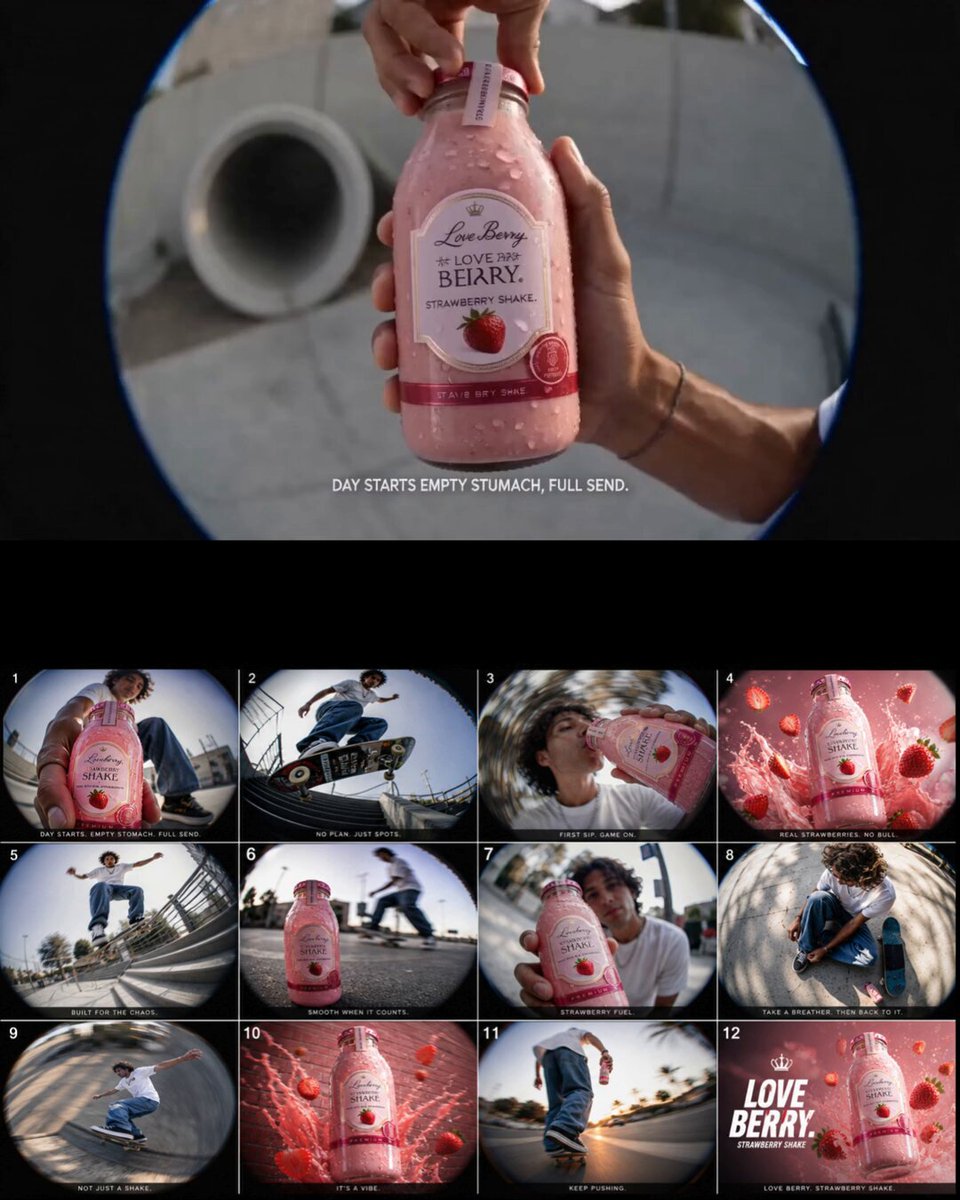
Mixing families is normal. A strong short might use one text-to-video establishing shot, six image-to-video character shots, a screen recording, and a synthetic voiceover, all assembled in a conventional editor.
Stage 4: assembly and sound
Generative clips arrive as isolated fragments. Assembly is where they become a video. Cut on motion, not on dialogue. Trim the first three frames of every generated clip, because diffusion models often produce a slight settling wobble at the start. Add a music bed at low volume, then a sound effect on every hard cut. The ear forgives visual imperfection far more readily than it forgives silence.
Stage 5: captions and accessibility
Burned-in captions are close to mandatory. Most viewers watch muted at least some of the time. Auto-caption tools have improved significantly, but always proofread proper nouns and numbers. Captions also double as a pacing device: if a line is too long to fit on screen in one card, the line is too long, full stop.
Stage 6: distribution and iteration
The final stage is measurement. Track hook retention, average watch time, and completion rate separately. A video with strong completion but weak hook retention needs a new opening, not a new body. A video with strong hook retention but weak completion usually has pacing problems after the first beat.
Choosing AI video tools: decision criteria that actually matter
Tool comparison articles tend to rank outputs on a single axis of visual beauty. In real production, five criteria decide whether a tool earns a permanent place in your stack.
Motion quality and physical plausibility
Watch generated clips for how objects behave when they move. Hands, liquids, fabric, and fast camera pans are the classic failure points. Generate three test clips with deliberate motion — a person turning, a hand picking something up, a camera pushing in — and judge those rather than a static hero shot.
Control over the initial frame
Image-to-video and first-frame conditioning are the difference between "a person" and "your person." If a tool cannot accept a reference frame or a character reference, it is a B-roll tool, not a storytelling tool.
Shot duration and extension
Short-form videos are built from 2 to 5 second shots, so a 5-second generation limit is rarely a blocker. What matters more is whether you can extend or chain a clip smoothly, and whether chained clips drift in color or subject.
Iteration cost and speed
A tool that produces gorgeous output in twelve minutes per attempt is worse for short-form than a tool that produces good output in ninety seconds. You will iterate. Speed compounds.
Rights and commercial clarity
The license terms for generated output, voice cloning, and uploaded reference images determine what you can publish and monetize. Read the terms for the specific features you use, especially anything involving a real person's likeness or a cloned voice. Keep a written record of which assets came from which tool for each project.
| Criterion | What to test | Red flag |
|---|---|---|
| Motion | Turn, grasp, camera push | Warping limbs, melting props |
| Control | Reference frame or character reference | Prompt-only, no anchoring |
| Duration | Extend or chain a 5s clip | Visible color drift per segment |
| Speed | Time to first usable take | Every take needs a reroll |
| Rights | Commercial use of output and voice | Ambiguous likeness rules |
Building consistency across shots
The single hardest problem in AI short-form is continuity. A character who looks slightly different in shot four breaks the illusion faster than any artifact. Four techniques solve most of it.
Lock a reference sheet first
Generate or photograph your character once in neutral lighting, front-facing, then produce three variants: three-quarter view, side profile, and a wider framing. Save these as your canonical reference set. Every later generation starts from one of them.
Keep the prompt skeleton static
Write a fixed block of descriptive text — age range, hair, wardrobe, palette, lens — and only change the action and framing between shots. Changing the description rewrites the character. Treat the fixed block as a template variable, not prose.
Control the palette deliberately
Consistency is mostly color. Pick three to five colors and specify them in every prompt and in your grade. If a generated clip arrives with an off-palette background, correct it with a hue and saturation adjustment rather than regenerating.
Separate environments from subjects
Generate or capture backgrounds as standalone plates, then composite or animate the subject against them. This is the same logic as virtual production, and it dramatically reduces drift because the background never re-rolls.
A 90-minute sprint: one short video, start to finish
This is a realistic schedule for a single 45-second vertical video once your stack is set up.
Minutes 0–10 — Hook and outline. Write five hook options, pick one, outline six beats. Do not open a generation tool yet.
Minutes 10–20 — Shot list and reference. Fill in the shot-list columns. Pull your character reference sheet if the video needs one.
Minutes 20–45 — Generation. Work in parallel: fire off video generations, then write the voiceover while they render. Generate the establishing shot and the two hardest character shots first, because those are the most likely to require rerolls.
Minutes 45–65 — Assembly. Import everything, cut to the beat, trim the settling frames, lay the music bed.
Minutes 65–80 — Sound and captions. Add sound effects on cuts, generate or record voiceover, run auto-captions, proofread.
Minutes 80–90 — Export and log. Export in the platform's native aspect ratio and bitrate, then log the hook, the tool mix, and your first impressions in a project journal. That journal is what turns a workflow into a system.
Common mistakes and how to fix them
Generating everything
A video made entirely of generated footage feels uncanny even when each clip is technically strong. Insert real elements: a screen recording, a hand-drawn arrow, a photographed product, a text card. Authenticity is a texture, and mixing sources creates it.
Over-long prompts
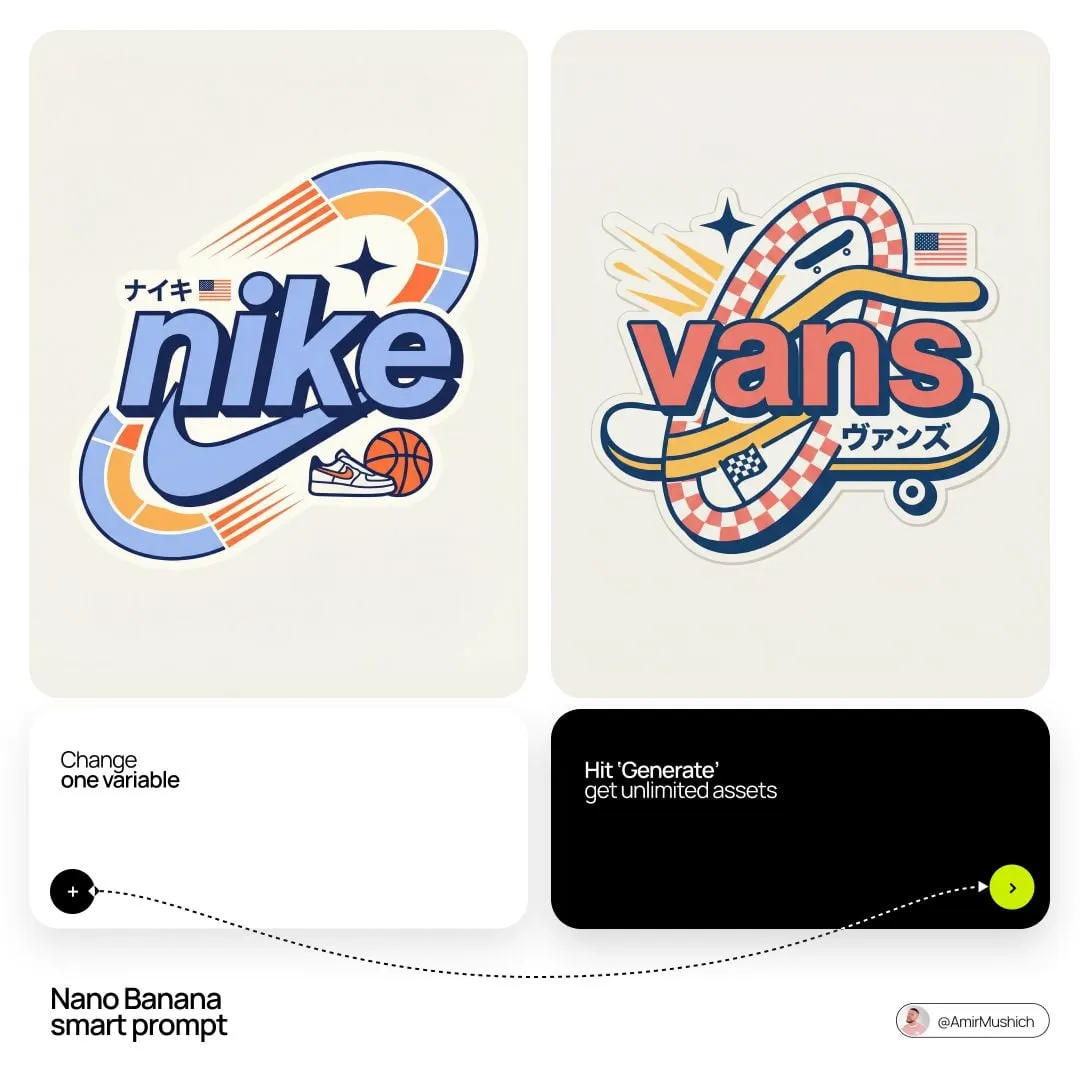
Long prompts usually dilute rather than refine. Two or three specific sentences about subject, action, and camera beat a paragraph of adjectives. If output is wrong, change one variable at a time so you learn what caused the change.
Ignoring audio until the end
The most common reason a technically fine video feels amateur is a flat audio bed. Decide on the voice tone and music energy in the planning stage, not in the final ten minutes.
Regenerating instead of editing
Many flawed clips are fixable with a trim, a speed ramp, a crop, or a color match. Regenerating costs time and introduces a new set of problems. Ask whether the clip works at 1.25x with a tighter crop before you discard it.
No version control
Name files with the project, beat number, and take number. Keep the prompt that produced each clip in the file name or a companion note. Two weeks later, you will not remember which prompt produced the shot you loved.
A pre-publish quality checklist
Run this list before every upload. It catches the majority of avoidable problems.
- Does the first frame work as a still image with no sound?
- Is the hook complete within two seconds?
- Any visible generation artifacts in the first three seconds?
- Is the audio levelled so music never masks voice?
- Are captions proofread, correctly timed, and inside safe margins?
- Does the palette stay consistent across every shot?
- Is the aspect ratio native to the destination platform?
- Does the last frame give a reason to rewatch or follow?
- Are likeness, voice, and music rights cleared for commercial use?
- Is the exported bitrate high enough to survive recompression?
Assembling a stack: which tool categories you need
Rather than chasing a single perfect tool, build a stack with one strong option in each category. Most professional short-form creators end up with:
- A text-to-video model for establishing shots and abstract motion.
- An image-to-video model for character and product shots anchored to references.
- An image generator for storyboards, thumbnails, and reference sheets.
- A voice tool for narration and localization, with a human pass for tone.
- A conventional editor for timing, sound, captions, and grade.
- A captioning and repurposing tool to adapt one video into several aspect ratios.
Editors matter more than people expect. Generative output is raw material; the timeline is where it becomes watchable. A capable free editor plus a strong model subscription will outperform an expensive all-in-one platform used without craft.
Scaling from one video to a series
Once a single video works, the goal is repeatability. Three practices make the jump.
Template the structure, vary the content. Keep the same beat count, the same caption style, and the same intro energy, then swap topic and visuals. Audiences follow formats, not individual videos.
Build an asset library. Save every generated background, transition, sound effect, and music bed in a labelled folder. Reuse is the fastest legitimate speed gain in short-form production.
Batch by stage, not by video. Write ten hooks in one sitting, generate all shots for three videos in one session, then edit them together. Context switching is the hidden cost in a multi-video week.
FAQ
Do I need a paid tool to make professional short videos?
No single subscription is required, but a paid tier on one generation model is usually worth it for commercial rights, faster queues, and higher resolution. Pair it with a free editor and free captioning tool and you can produce at a professional level.
How long should AI-generated shots be?
Two to four seconds each. Shorter cuts hide motion imperfections and keep energy high. Reserve longer shots for establishing moments where the viewer needs orientation.
Can viewers tell when video is AI-generated?
Often, yes — especially with faces and hands in motion. Viewers forgive this when the content is useful or entertaining. What they do not forgive is uncanny footage used to make a claim they cannot verify.
How do I keep a character consistent across many videos?
Maintain a reference sheet, keep a static descriptive prompt block, and reuse background plates. Treat the character as a production asset with fixed documentation, not a prompt you retype each time.
What about music and voice rights?
Use libraries with explicit commercial licensing and keep receipts. For cloned voices, get written permission from the person whose voice you are cloning, and avoid implying endorsement by a public figure.
Which format should I export first?
Export the primary vertical version first, then adapt to square and landscape from the same timeline. Captions and safe margins change between formats, so always check the adapted cuts rather than assuming they survived the resize.
Where to start
Pick one text-to-video model and one editor this week. Make three videos using the shot-list method and the 90-minute sprint. Log what broke: a character who drifted, a hook that underperformed, a render that took too long. Then add exactly one tool that solves your most frequent failure, and repeat. The creators producing consistently strong short-form video are not using exotic tools — they are running a tight, documented pipeline that turns an idea into a published clip before the idea goes stale.
