
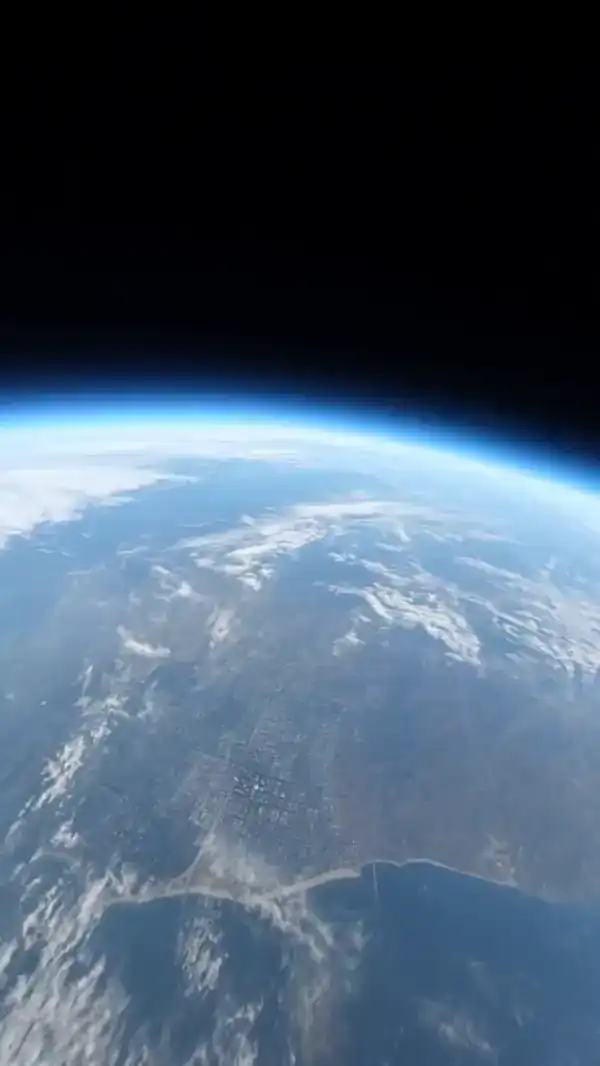
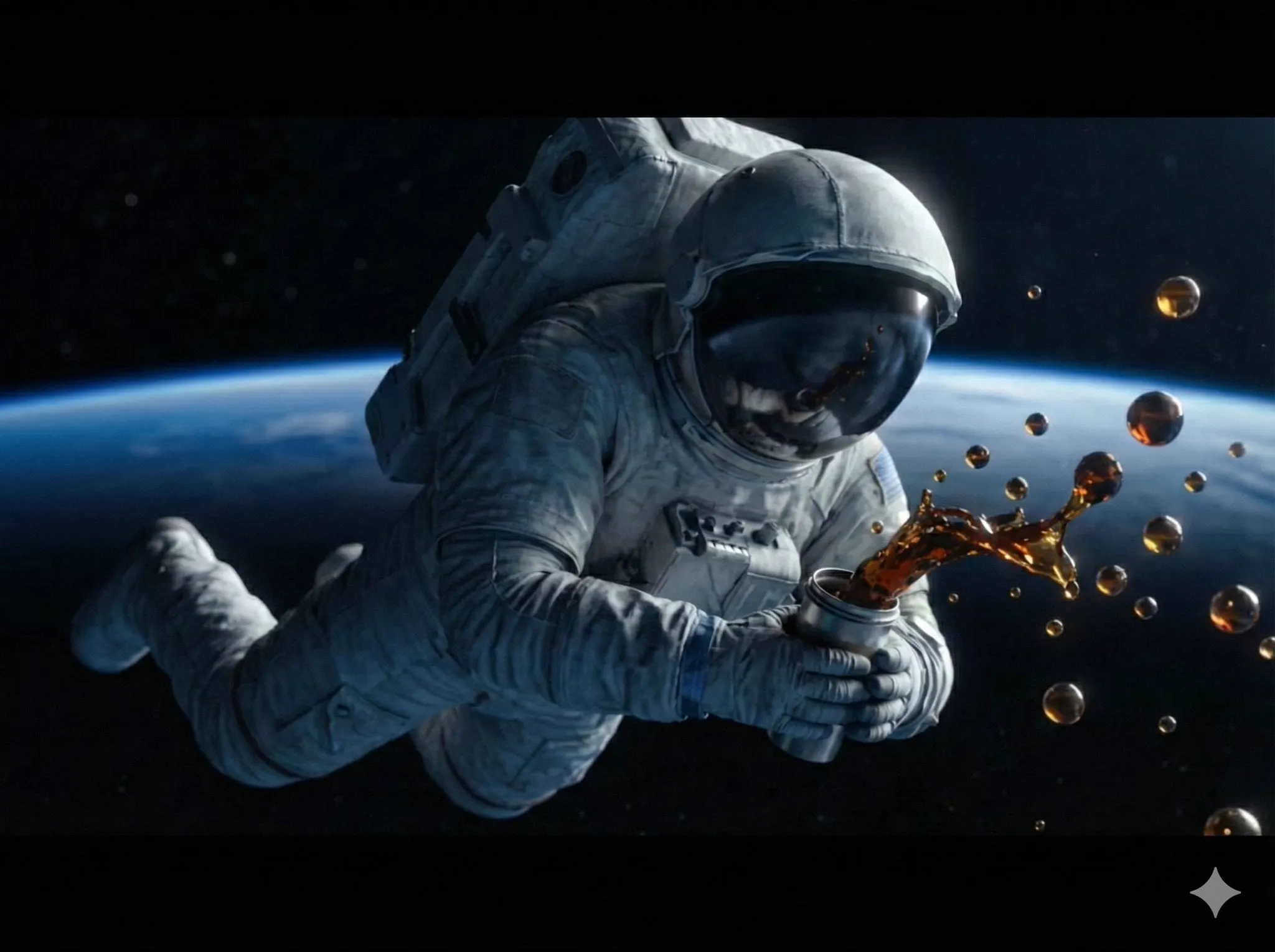
Short films have always been the place where filmmakers test ideas that bigger productions are too cautious to try. The problem is that ambition has outgrown the toolchain. A five-minute piece now competes for attention against streaming series, game cinematics, and brand films with full visual effects departments behind them. Audiences do not consciously compare, but they feel the difference when a shot looks thin.
Generative video tools have changed what a two-person crew can attempt. They have not made visual effects effortless. What they have done is move the bottleneck: instead of needing a rendering team, you now need a shot plan, a consistency system, and a realistic sense of which shots belong in which pipeline. This guide walks through that whole process, from deciding what to attempt to delivering a finished sequence.
Why Short Films Are the Toughest Format for Visual Effects
A feature film can justify building a pipeline. A short film usually cannot. You have a handful of shoot days, one editor, and a budget that evaporates the moment you hire a compositor for three weeks.
There is a second, less obvious pressure. Short films rely on density. Every shot carries story weight because there is no room for connective tissue. A weak effect is not just a weak effect; it breaks the emotional through-line of the entire piece. In a ninety-minute film, one rough shot is a minor blemish. In a six-minute film, it is a fifth of the ending.
On top of that, short-form distribution is unforgiving. Viewers watch on phones, in feeds, with their thumb hovering. Shots need to read in the first second. That pushes filmmakers toward spectacle — a creature, a landscape, a transformation — exactly the kind of imagery that historically required the most infrastructure.
The result is a familiar trap: the script is written around the effects the filmmaker hopes to afford, then reality trims the ambition, and the final cut feels like a compromise. Generative video is most valuable when it breaks that loop before the script is locked, not after.
What Generative Video Actually Changes for a Small Crew
It helps to be precise about the shift. Generative models do not replace compositing. They replace a specific class of expensive work: producing believable moving imagery that does not exist in front of the camera.
Consider a simple example. Your protagonist walks through a flooded city street. In a traditional pipeline, that is a plate extension, a matte painting, a water simulation, a reflection pass, and a matchmove. In a generative pipeline, you can generate the environment as a moving element and integrate it, then spend your remaining time on the human performance, the grade, and the sound.
The trade is that you inherit new problems: temporal flicker, identity drift, impossible physics, and unpredictable frame rates. Good practitioners treat these as production constraints the same way they treat weather or a broken dolly. You plan around them.
The most reliable mental model is this: generative video gives you a fast, cheap, slightly unreliable second unit. You would never let second unit decide the film. You also would not turn it down.
Preproduction: Designing Shots That AI Can Finish
Most failed AI-assisted short films fail in preproduction, not in the render. The shot list was written for an imaginary unlimited budget, and no tool can rescue that.
Tiering your shots
Sort every effects shot into three tiers before you shoot anything.
Tier one — camera can do it. Practical smoke, a lens flare, a reflection, a silhouette against a bright sky. These cost nothing and always look real. Do them on set.
Tier two — a single generative element. One sky replacement, one creature in the background, one extension of a hallway. These are the sweet spot: fast, controllable, and easy to fix in isolation.
Tier three — full synthetic sequences. A transformation, a chase through an impossible space, a dialogue scene with a digital double. These are achievable but need the most planning, the most iteration time, and the most willingness to redesign.
A healthy short film has roughly 80 percent tier one, 15 percent tier two, and 5 percent tier three. If your breakdown is inverted, the problem is the script, not the software.
Style bibles and reference discipline
Before generating anything, assemble a small visual bible: six to ten stills that define palette, contrast, lens character, and grain. Pull from photography, painting, and existing cinema, but stay specific. "Moody sci-fi" is not a reference. A single frame with a stated color temperature, lens focal length, and shadow direction is.
These references do three things. They keep your prompts short and consistent, they give you an objective way to reject a generation, and they let a collaborator pick up the work without a briefing.
Keeping Characters and Locations Consistent Across Shots
Consistency is the single biggest technical hurdle in AI-assisted short films. A viewer will forgive a slightly soft effect. They will not forgive a face that changes shape between two shots.
Identity anchors
Build one strong, clean reference image per character and treat it as canon. Lighting should be neutral, the face should be unobstructed, and the framing should be close enough to carry detail. From that image, generate a small set of variants: three-quarter view, profile, full body, and two or three expressions.
Then use image-to-video rather than text-to-video for any shot where that character appears. The reference image acts as an anchor, and the model's job becomes motion rather than invention. This single decision removes most identity drift.
Location continuity and lighting logic
Locations drift for a different reason: the model has no memory of the previous shot's geometry. Solve it by fixing a small number of constants across every generation of that location.
- Sun or key light direction, stated in words in every prompt
- Time of day, expressed as color temperature
- Dominant materials: wet asphalt, corrugated metal, dry grass
- One recurring landmark that appears in at least three shots
When a background must be replaced rather than generated whole, lock the camera move first. A locked-off or slow-push shot is dramatically easier to composite than a handheld whip pan, and it rarely costs you anything dramatically.
The Production Workflow, Shot by Shot
This is the working sequence that most small teams converge on. It assumes live-action plates for actors and generative work for environments and effects.
Locking the shot list
Freeze the edit as an animatic before generating anything. Use whatever you have: storyboard panels, photo references, or rough AI stills. You want durations, camera moves, and the exact frame where an effect begins and ends. Generating before this stage guarantees wasted work.
Generating plates
For each effects shot, generate four to eight variations rather than trying to perfect one. Keep the prompts structurally identical and change only one variable per run: camera angle, weather, or intensity. Save everything with a naming convention that includes scene, shot, and version.
Review on a large screen at full size, not on a phone. Flicker and warping are invisible in a thumbnail and glaring on a monitor.
Detail and upscale passes
The first generation is a draft. A second pass adds texture, sharpens edges, and stabilizes motion. Techniques worth knowing:
- Interpolate to a consistent frame rate before editing, so speed ramps behave predictably
- Upscale in two modest steps rather than one large jump to avoid plastic-looking detail
- Run a light grain or halation pass after upscaling so the footage matches your camera originals
Compositing and grade
The integration step is where most AI-assisted shorts are won or lost. Three things matter more than anything else: atmosphere, contact shadows, and matching noise.
Atmosphere means putting something between the effect and the lens — haze, smoke, dust, rain, a soft bloom. Clean edges read as pasted. Contact shadows ground an element in the scene: if a creature stands on pavement, its shadow must agree with every other shadow in the frame. Matching noise and grain across the composite hides seams that would otherwise be visible in motion.
Grade last, and grade everything together. A unified look hides small imperfections and instantly reads as intentional.
Choosing Tools Without Getting Locked In
No single tool wins every shot. Build a small stack and keep your project files portable.
Text-to-video and image-to-video models
Different models have different personalities. Some favor photoreal environments and slow camera moves; others are stronger with stylized motion, character animation, or longer continuous takes. Test each shot idea against two or three options before committing, and keep a notes file on which model handled which kind of shot well. That log becomes the most valuable document in your project.
Control and consistency tools
Depth maps, pose guides, and edge conditioning let you steer motion instead of hoping for it. If you are technically inclined, a node-based diffusion workspace gives you fine control over the pipeline. If not, most hosted tools now expose enough reference and camera controls for a short film.
Post-production tools
A standard editor, a compositor, and a color tool cover almost everything. Node compositing software handles the integration work; a dedicated color application handles the final look. Both have free or low-cost options that are perfectly adequate for short-form work.
Budget, Schedule, and Crew Planning
AI changes the shape of a budget more than its total. Money shifts away from rendering and artist weeks, and toward iteration time, storage, and the hours you spend reviewing generations.
A practical schedule for a six-minute short with thirty effects shots looks roughly like this: two to three weeks of preproduction and shot tiering, one to two weeks of principal photography, three to five weeks of generation and iteration, two weeks of compositing, and one week of grade and sound. Generation is the least predictable phase, so give it a buffer.
On crew, the highest-leverage addition is not another artist. It is one person whose job is continuity: maintaining the reference bible, checking identity consistency shot to shot, and keeping the project organized. On a small team that role can be half-time, and it prevents the most expensive kind of rework.
Common Mistakes and How to Avoid Them
Generating before the edit is locked. Every change to timing invalidates work. Lock the animatic first.
Using text-to-video for character shots. Without an image anchor, faces drift. Use image-to-video whenever identity matters.
Overloading a single prompt. Prompts describing five simultaneous actions produce mush. One shot, one idea.
Skipping the integration pass. An effect dropped on top of a plate with no atmosphere, no shadow, and mismatched grain will always look synthetic, no matter how good the generation was.
Aiming for a hero shot first. Start with the simplest effects shot and finish it end to end. You will learn your own pipeline on a shot where mistakes are cheap.
Ignoring sound. A third of perceived realism comes from audio. Room tone, a low rumble under a creature, and a subtle reverb tail on a large space do more for believability than another generation pass.
Chasing resolution instead of motion. Viewers notice unnatural movement long before they notice a slightly softer image.
FAQ
Can AI-generated effects really hold up in a festival submission?
Yes, when the effect serves the story and the integration is careful. Viewers accept stylization readily; they reject incoherence. A restrained effect that matches the film's visual language outperforms an ambitious one that does not.
How many generations does a typical shot need?
Plan on ten to thirty for a tier-two shot, and considerably more for a tier-three sequence. Most of those are reference runs used to decide direction rather than final candidates.
Do I still need a compositor?
If you have more than a couple of effects shots, yes — or you need to become one. Integration, cleanup, and grade are where the professional sheen comes from.
What about dialogue scenes with effects?
Keep the actor's performance in the plate and generate only the environment behind them. Rotoscoping a clean matte is tedious but predictable, and it protects the performance.
How do I avoid a uniform "AI look"?
Shoot real footage. Real lenses, real skin, real light, and real movement give the generated elements something to sit inside. Films that are entirely synthetic tend to share a recognizable softness.
Is it worth generating stills before shooting?
Absolutely. Previs stills cost almost nothing and reveal whether a shot concept actually reads. Many directors discover in previs that a complex effect is unnecessary once the camera position changes.
Where to Start This Week
Pick one shot from your current project — the simplest effects shot you have — and take it from generation to final grade. Keep a written log of every prompt, model, and setting. Then repeat with a character shot that needs identity consistency. Two shots finished properly teach more than twenty half-finished tests, and by the time you reach the ambitious sequence at the end of your film, you will already know exactly which pipeline it needs.
