
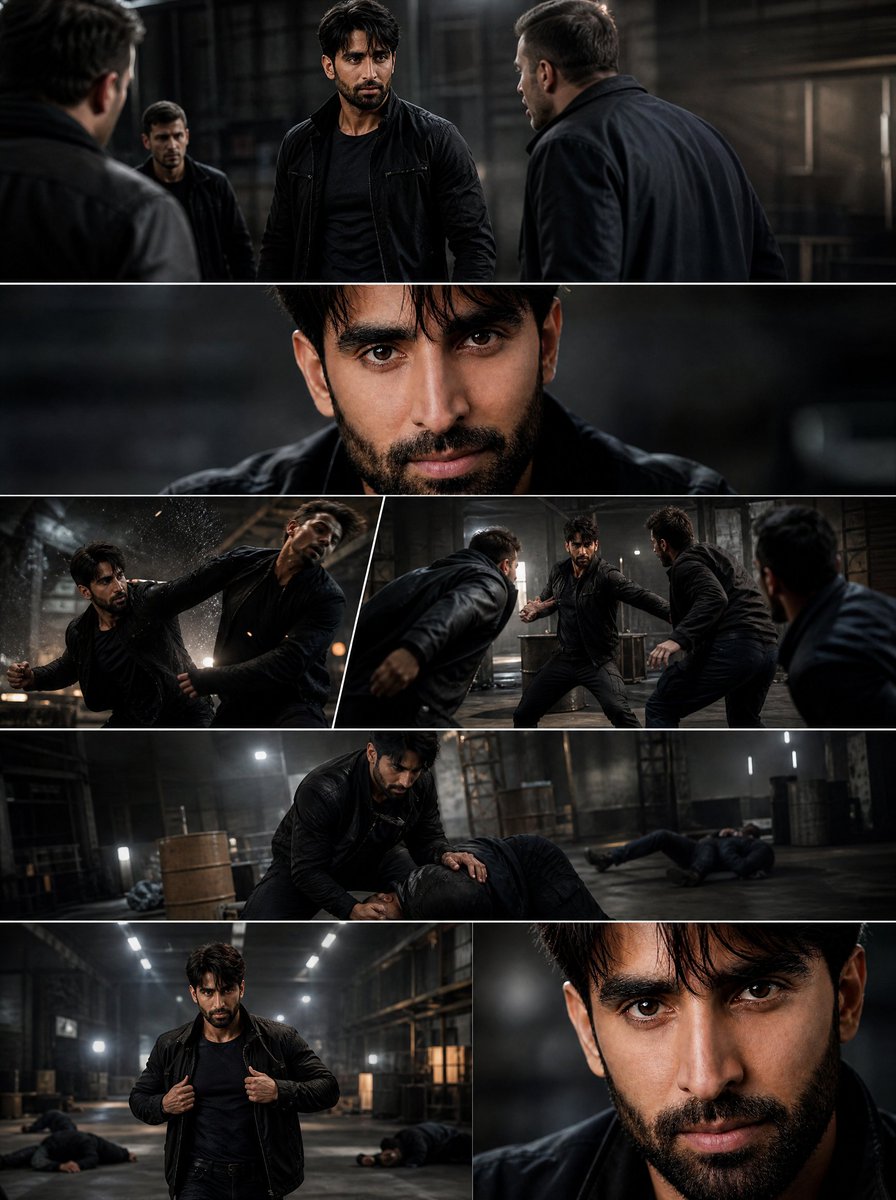
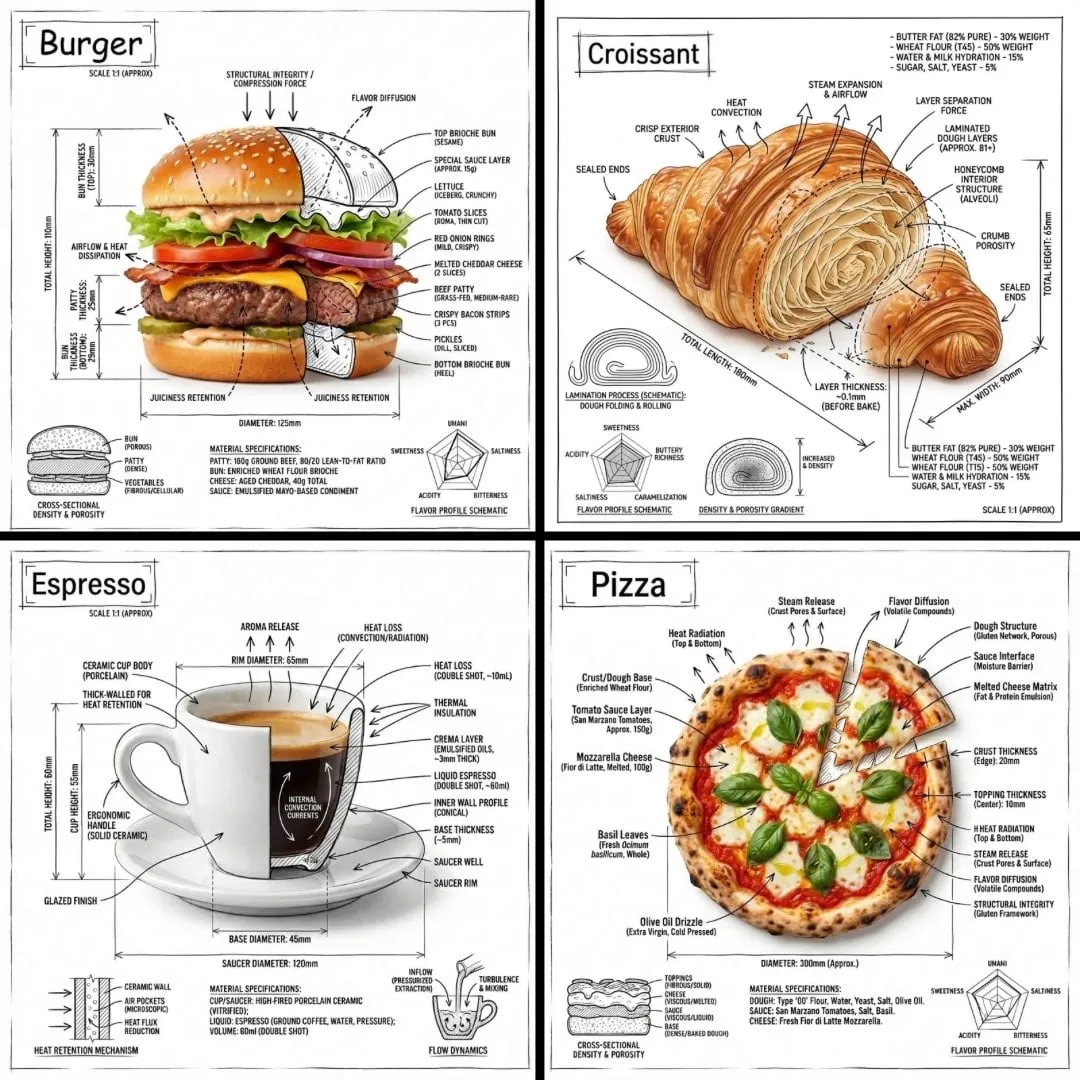
Small businesses no longer compete for attention against the shop down the street. They compete against every feed, every short video, and every brand that has ever bought an impression in front of their customer. Video is the format where that competition is won or lost, and generative AI has quietly removed most of the reasons a small team used to avoid it: no camera, no crew, no studio, no six-week timeline. What remains is the harder part — deciding what the ad should say, keeping the visuals consistent, and shipping versions fast enough to learn something.
This guide walks through a repeatable production workflow for AI-assisted ad videos, from the offer and hook all the way to performance review. It is written for owner-operators, solo marketers, and two-person teams who need output, not theory.
Why Video Advertising Stopped Being Optional for Small Businesses
Consumer expectations shifted faster than most marketing budgets did. People now default to watching rather than reading, and they decide within the first few seconds whether a brand is worth their time. A static image can still work, but it rarely carries a demo, a testimonial, or a personality. Video does all three at once.
The practical consequence is that the volume of creative you need has gone up, not down. One polished hero video used to feel like enough. Now the same budget has to cover a vertical cut, a square cut, a silent version with captions, a 15-second hook, and a variation with a different opening line — because the platform decides which one gets shown.
What changed on the demand side
Feed-based platforms reward novelty and punish repetition. Audiences skip anything that looks like a template they have already scrolled past. At the same time, purchase decisions happen with less research than before: a viewer watches a short clip, checks whether the product solves an obvious problem, and either taps through or moves on. Ads therefore need to be clear before they are clever.
The cost curve that made this possible
Generative video tools compressed three expensive line items — camera, location, and talent — into a monthly subscription. That does not mean production is free, and it does not mean taste is optional. It means the marginal cost of a second and third variation is now low enough that small teams can test creative the way larger brands do. The bottleneck moved from filming to deciding.
What AI Handles Well — and What Still Needs a Human
Treat AI as a production department with clear strengths and clear blind spots. Teams that get good results assign work accordingly instead of expecting a single tool to behave like a full agency.
Tasks AI does better than you expect
- Generating B-roll and atmospheric shots that would otherwise require a location shoot.
- Producing voiceover in a consistent tone across dozens of variations.
- Cutting long footage into short, caption-ready clips.
- Resizing one master edit into every aspect ratio a campaign needs.
- Writing twenty headline variants in the time it takes to write two.
- Creating background music and sound design that fits a specific mood.
Tasks that still belong to a person
The offer, the promise, and the claim must come from you — a model cannot know what your margins can survive or which guarantee you can actually honor. Brand judgment matters too: which shot feels cheap, which testimonial sounds staged, whether a joke lands or offends. Legal and factual review stays human. And the final pass, where you decide whether the ad is genuinely persuasive or merely pretty, is the one step worth protecting from automation.
Before You Generate a Frame: Offer, Audience, Hook
Most failed AI ads fail before generation starts. They are visually competent and strategically empty, because nobody answered three questions first.
The one-sentence offer test
Write the ad's core promise as a single sentence a stranger could repeat: What you get, for whom, and why it beats the obvious alternative. If that sentence contains two ideas, you have two ads, not one. Split them and test separately. Vague offers produce vague videos, and no amount of cinematic polish rescues a muddled promise.
Hook patterns that survive the first three seconds
- The problem callout — name the friction the viewer already feels, in their words.
- The unexpected visual — open on a shot that does not look like an ad, then reveal the product.
- The before state — show the messy reality, then the clean outcome.
- The direct claim — a specific, testable promise with a number in it.
- The question — only if the answer is not obvious; a rhetorical question wastes the hook.
Write five hooks, generate a rough cut of each, and let the platform tell you which one holds attention.
Script skeletons for 15, 30, and 60 seconds
- 15 seconds: hook (0–2s), one benefit shown visually (2–9s), proof or detail (9–12s), single call to action (12–15s).
- 30 seconds: hook, problem, product in use, one differentiator, light proof, call to action.
- 60 seconds: hook, problem, product walkthrough, two differentiators, testimonial or demonstration, offer, call to action.
Keep the script as a shot list rather than prose. Two columns — what we see and what we hear — will save you hours when prompting visuals and recording audio separately.
A Repeatable Production Workflow, Step by Step
The value of a workflow is that it makes the second ad cheaper than the first. Follow the same sequence every time and each step gets faster.
Step 1: Write a one-page creative brief
Include the offer, the audience, the platform, the target length, the tone, three competitor references you like, and the single action you want. One page maximum. This document is what you paste into a prompt when you are tired and tempted to improvise.
Step 2: Build the shot list
Convert the script into eight to twelve numbered shots. Each line should specify subject, action, camera movement, lighting mood, and duration. Vague entries like "product vibe shot" produce vague clips.
Step 3: Generate the visuals
Generate the hardest shot first. If the key product moment does not work, the rest of the ad is not worth producing. Keep a folder of approved stills that define your look, and reuse them as visual references so later shots match.
Step 4: Record or generate the voiceover
Natural-sounding synthetic narration works for most direct-response ads, especially when the script is short and the pacing is conversational. For founder-led brands, a real recording of your own voice often outperforms a synthetic one, even with imperfect audio. Whichever you choose, lock the audio before finalizing the edit — it drives the cut, not the other way around.
Step 5: Assemble the first cut
Cut to the beat, keep every shot on screen only as long as it earns its place, and put the strongest frame in the first second. Captions should be burned in or added in-platform for the majority of viewers watching with sound off.
Step 6: Export variations, not just formats
From one master edit, produce: two alternate openings, one shorter cut, one silent-caption version, and one version with a different call to action. Six assets from one afternoon of work is a realistic target once the workflow is familiar.
Prompting and Consistency: Getting Visuals That Look Like Your Brand
Visual drift is the most common quality problem. Shots look like they came from different projects because each generation was prompted in isolation.
Write shot prompts in a fixed order
Use the same grammatical structure every time: subject, action, environment, lighting, lens and camera movement, color treatment, mood, and negative instructions. Consistency in prompt structure produces consistency in output far more reliably than longer prompts.
Lock the look with references
Create a small style kit: two or three reference stills, a fixed color palette, and a written description of the lighting you want. Reuse it across every shot in the campaign. When a generated frame matches your kit, save it as an approved reference for future ads.
Handle product and packaging accuracy carefully
Generative models will happily redraw your label or warp your logo. For any shot where the product must be legible, generate the environment and composite a real photograph of the product into the scene during editing. This is faster and safer than trying to describe typography to a model.
One Shoot, Many Platforms: Formatting Without Rework
Design the master edit for the loosest aspect ratio and crop inward. Vertical-first is usually the safer starting point, since a vertical master can be adapted to square and landscape with less lost composition than the reverse.
Keep the essential action in the middle band
Platform interfaces cover the top and bottom of the frame with captions, buttons, and progress bars. Keep faces, products, and text in the central area so nothing important disappears behind an overlay.
Adjust the hook per platform, not just the crop
A hook that works on one feed may feel slow on another. Treat the first two seconds as a variable you change per platform, while keeping the body of the ad identical. This keeps production costs flat while matching audience behavior.
Quality Control: The Checklist Before Anything Goes Live
Run every ad through the same review list. It takes five minutes and prevents the most embarrassing errors.
- Does the first frame communicate something even with the sound off?
- Is the claim accurate, and can you substantiate it?
- Is the product visually correct — logo, packaging, color, price?
- Do hands, faces, and text look natural at full size?
- Are captions synchronized and free of autocorrect errors?
- Is there exactly one call to action?
- Does the audio level stay consistent from start to finish?
- Does the ad make sense to someone who has never heard of you?
Common artifacts and quick fixes
Flickering textures usually mean the motion prompt is too aggressive — reduce movement and shorten the clip. Melting or morphing objects often come from too many subjects in one shot; split it. Unnatural speech pacing is normally a script problem, not a voice problem: cut words rather than speeding up delivery.
Measure, Learn, Re-cut: Making the Second Ad Better Than the First
Track three numbers per ad: how many people stayed past the first three seconds, how many clicked, and how many converted. Each failure points to a different fix.
Diagnosing weak performance
- Low retention in the first seconds: the hook is generic or the opening frame is unclear. Rewrite and re-cut only the opening.
- Good retention, low click-through: the offer is unclear or the call to action is weak. Change the end card and the spoken close.
- Good click-through, low conversion: the landing page does not match the ad's promise. Fix the destination before producing more creative.
- Strong start, steep drop in the middle: the ad repeats itself. Cut the middle section by a third and add a new visual beat.
Test one variable at a time
Change the hook, or the offer, or the call to action — not all three. Otherwise you learn nothing and burn budget. Keep a simple log of what you changed and what happened; after ten tests you will have a reusable playbook specific to your audience rather than generic advice.
Budget, Tools, and When to Bring In a Human Editor
AI reduces cost most in the parts of production that used to require the most people. Plan your spending around three buckets: generation tools, editing software, and human time.
A realistic allocation
Most small teams do best with one general-purpose video generation tool, one dedicated voice tool, and one editor they know well. Adding more generators rarely improves output; it fragments the workflow and multiplies the learning curve. Spend on the editor instead — a clean cut and good pacing matter more than the model behind the pixels.
Signals that you should hire an editor
Bring in a professional when your conversion rate stalls despite clear offers, when your footage volume exceeds what you can review, or when editing consistently delays your publishing schedule. A good editor will also make your AI-generated clips look intentional rather than assembled.
FAQ
How long should a small business ad video be?
Start at 15 seconds for paid social and let performance decide. Length is not a virtue; retention is. If a 30-second ad holds attention as well as a 15-second one, keep the longer version because it can explain more and often converts better.
Do I need professional actors or a studio?
For most local and direct-response campaigns, no. Generated visuals plus a real product photograph cover the majority of needs. Invest in a real person on camera only when trust is the main purchase barrier — for example, personal services, healthcare, or high-ticket consulting.
Can AI-generated video ads look cheap?
They look cheap when the pacing is wrong, the captions are generic, or the shots change for no reason. Fix rhythm and restraint before you spend money on better tools. Two well-chosen shots cut to music will outperform twelve random ones.
How many variations should I publish?
Three to five per campaign is a productive range for a small team. Enough to learn which hook works, few enough that you can still read the results and understand what caused them.
Is it acceptable to use synthetic voiceover?
Yes for most ads, provided it matches your brand's pace and tone. Avoid it for sensitive topics, regulated claims, or anything where a human voice is part of the trust equation. Always listen at full volume through phone speakers before publishing.
What if my product is difficult to show visually?
Use the problem, not the product, as the visual subject. Show the messy spreadsheet, the crowded inbox, the slow queue. Then show the outcome. Service businesses rarely need a literal product shot to sell effectively.
How often should I refresh creative?
Review performance weekly and expect a strong ad to fade within a few weeks. Refreshing the opening two seconds is usually enough; you rarely need to rebuild the entire ad from scratch.
Putting It to Work This Week
Pick one offer, write five hooks, generate eight shots, and ship two versions by Friday. Treat the first round as calibration rather than a campaign: your goal is to learn which promise and which opening hold attention, not to produce a final asset. Keep the shots that worked, store them as references, and reuse the structure next month with a new offer. That loop — brief, shot list, generate, cut, measure, re-cut — is what turns AI from a novelty into a dependable production line for a business that never had one.
