
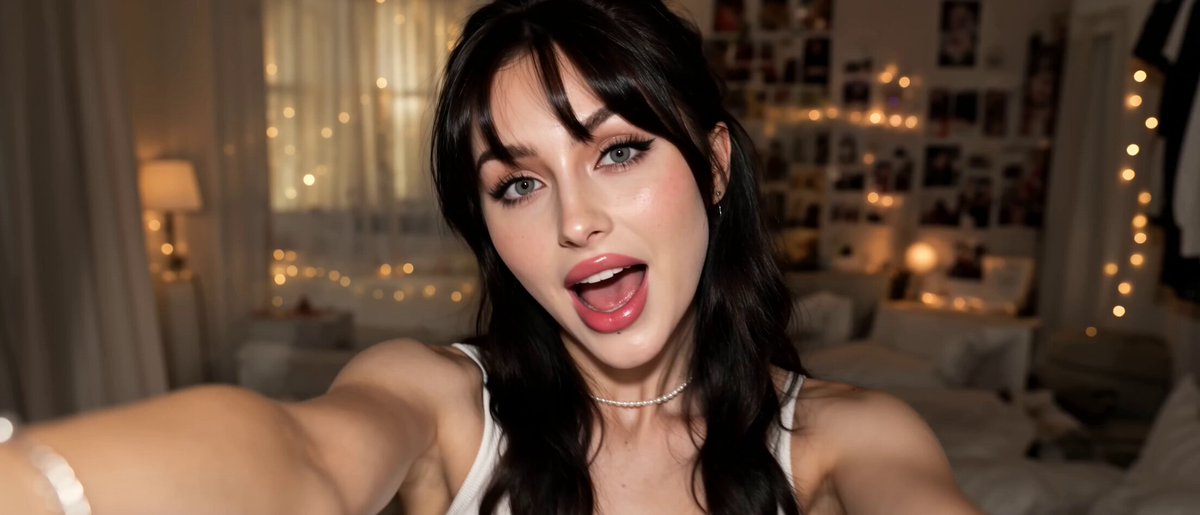
AI video generation has moved from novelty to production tool in a remarkably short span. Clips that once looked like melting dream footage now hold physics, lighting, and character detail well enough to sit inside a real edit. Independent creators storyboard with image models, animate shots with text-to-video engines, and finish entire films on a laptop — a pipeline that used to require a studio budget.
This guide covers the trends shaping AI video right now, a framework for choosing the right model, and a step-by-step workflow that takes you from a text idea to a finished, cinematic cut.
How AI Video Got This Good, This Fast
Three technical leaps explain the jump in quality. First, diffusion transformers replaced earlier architectures, giving models a far better grasp of how objects persist and interact across frames. When a cup slides off a table, modern systems render the spill, the fall, and the splash as one coherent physical event instead of random pixel noise.
Second, training data and output resolution scaled up dramatically. Flagship systems now generate at or near 1080p natively, with 4K upscaling that holds facial detail instead of smearing it. Longer clip durations — ten seconds and beyond in several tools — turned single shots into usable scene fragments rather than throwaway loops.
Third, control interfaces matured. The earliest tools accepted only a prompt and returned a lottery ticket. Today you can feed a reference image, draw a motion brush across the frame, set start and end keyframes, or describe camera movement in plain language. That shift from gambling to directing is what makes AI video viable for serious work.
The Trends That Matter Right Now
Physics-aware motion
The current generation of models simulates weight, momentum, and fluid behavior convincingly. Runway's Gen-4 and OpenAI's Sora drew attention for realistic water, cloth, and crowd behavior, while Asia-Pacific models such as Kling and MiniMax's Hailuo 02 push physical expressiveness even further. For practical purposes, this means you can script actions — a car braking on wet asphalt, a dog shaking off water — and expect usable takes instead of eight-legged surprises.
Character and scene consistency
Consistency was the weakest link for years: your hero's face changed every cut. Newer pipelines attack this with reference images, character sheets, and fine-tuned adapters that lock a subject's identity across shots. Some platforms also offer multi-image fusion, blending several references into one coherent look. Consistent characters are the difference between a demo reel and a story.
Director-level camera control
Prompt language now includes cinematography vocabulary: dolly in, crane up, handheld follow, rack focus. Tools like Luma's Dream Machine respond well to explicit camera instructions, and dedicated camera-path features let you steer the virtual lens rather than hoping the model guesses your intent.
Hybrid pipelines
Pure text-to-video is only one route. Image-to-video (animating a still), video-to-video (restyleing existing footage), and frame interpolation workflows often produce more controlled results than raw prompts. Most polished AI films you see online combine all of these.
Matching Models to Projects: A Practical Comparison
No single model wins every job. Use this quick map before committing:
| Model family | Standout strength | Best suited for |
|---|---|---|
| Runway Gen-4 | Control tools, consistency features | Ads, branded content, iterative client work |
| OpenAI Sora | Realistic simulation, world coherence | Narrative scenes, complex physical action |
| Kling (V2.x) | Prompt adherence, fine detail | Beauty shots, product close-ups, East Asian aesthetics |
| MiniMax Hailuo 02 | Physical realism, expressive motion | Character action, dynamic movement |
| Luma Dream Machine | Speed, smooth camera moves | Fast ideation, music videos, loops |
| Pika | Stylized effects, playful transforms | Social content, memes, motion graphics touches |
| Google Veo | Cinematic grade, native audio | High-end concept films, dialogue-adjacent scenes |
A few decision criteria cut across the table:
- Fidelity vs. speed. Flagship models cost more time and compute per take. Use them for hero shots; use faster models for exploration and background plates.
- Style fit. Photoreal projects favor Sora, Kling, and Veo; stylized animation often looks better through Pika or anime-tuned open models such as certain Wan and Hunyuan variants.
- Control needs. If the brief demands a specific composition, prioritize tools with keyframes and reference images over raw prompt quality.
- Ecosystem. Open-weight models run locally on consumer GPUs, which matters when you need unlimited retries, custom fine-tunes, or data privacy.
Many experienced creators keep two or three subscriptions, or a local setup plus one cloud service, matching the tool to the shot rather than forcing every shot through one engine.
Pre-Production: Turning an Idea Into a Prompt-Ready Plan
AI punishes vagueness. The creators getting cinematic results treat prompting as pre-production, not typing.
Build a shot list first
Break your concept into shots the way a director would: wide establishing, medium two-shot, close-up insert. Each shot becomes one generation task. Trying to get a model to render a whole scene in one clip almost always disappoints; ten-second fragments assembled in the edit look intentional.
Write a style bible
Decide on lens character (35mm, anamorphic), palette, lighting mood, and grain before generating. Paste a style block into every prompt so all shots share visual DNA. Example: 'shot on 35mm film, shallow depth of field, warm golden-hour backlight, muted teal shadows, subtle grain.'
Create character sheets
For recurring characters, generate a clean reference portrait per character in your image model of choice — Flux Pro and similar photoreal image engines excel here. Front, profile, and three-quarter views give video models the anchors they need to keep a face stable across cuts.
Draft prompt templates
Structure each prompt as: shot type + subject and action + environment + lighting and mood + camera move + style block. Keeping the structure consistent makes results comparable across takes and lets you swap one variable at a time when refining.
The Text-to-Video Workflow, Step by Step
Step 1: Generate a style frame
Rather than prompting the video model cold, create a still image of the shot first. This is cheap, fast, and gives you compositional control that text alone rarely achieves. Iterate on the frame until the framing, lighting, and character look right.
Step 2: Animate the frame
Feed the approved still into an image-to-video model with a motion-focused prompt: describe what moves and how the camera behaves, not what the scene looks like — the image already handles appearance. Keep motion prompts short; over-specifying causes the model to warp the composition.
Step 3: Review against the shot list
Judge every take against your plan: Did the action complete? Did the character hold their identity? Did the camera move match the edit's rhythm? Reject fast. Generation is cheap compared to edit-room denial.
Step 4: Iterate on one variable
If a take is close but not right, change one thing — the motion phrase, the seed, or the camera instruction — and regenerate. Changing everything at once destroys your ability to learn what actually worked.
Step 5: Upscale, extend, and interpolate
Use the platform's upscaler for delivery resolution, extend clips where the model supports it, and interpolate frames to hit your timeline's frame rate smoothly. Dedicated tools like Topaz Video AI can rescue borderline takes with denoising and detail recovery.
Solving the Consistency Problem
Consistency deserves its own section because it is the make-or-break issue for narrative work.
- Reference images beat words. A prompt saying 'the same woman' means nothing across generations; an uploaded portrait means everything. Attach references whenever the tool allows it.
- Lock seeds during exploration. When you find a take you like, note the seed and reuse it while adjusting other parameters, keeping the underlying composition stable.
- Fine-tune for series work. If you are producing many episodes or ads with the same character, training a lightweight adapter (a LoRA) on fifteen to thirty images of that character pays for itself quickly. Open-weight ecosystems make this accessible without deep machine-learning knowledge.
- Hide the seams in the edit. Build coverage angles, insert reaction shots, and cut on motion. Classic editing tricks mask the small drift that still occurs between generations.
Sound, Voice, and Music
Silent AI footage reads as unfinished. Modern audiences expect full sound design even from social clips, and AI tools now cover the whole audio stack.
Voice. ElevenLabs and similar platforms produce narration and character voices that hold up in final cuts. Match vocal tone to your visual style — a cinematic look with a flat synthetic read breaks the spell instantly.
Music. Generative tools such as Suno and Udio create licensable tracks from a style description, while libraries like Artlist and Epidemic Sound remain reliable for predictable moods. Select or generate music before final editing; cutting picture to a real tempo tightens pacing dramatically.
Foley and effects. Stock libraries or AI sound generators fill in footsteps, ambience, and impacts. Layer at least three elements per scene: an ambience bed, spot effects, and music.
Always verify commercial-use terms for generated audio, especially on client work where the rights conversation happens after delivery, not before.
Post-Production: Cutting AI Footage Like an Editor
The assembly stage is where AI projects separate amateur from professional.
Color first. AI shots often vary subtly in tone between generations. Apply a unifying grade in DaVinci Resolve, Premiere Pro, or CapCut — even a simple shared LUT glues mismatched takes together.
Cut on action. Standard editing grammar applies fully to generated footage. Cutting while a subject moves hides transitions between separately generated clips better than any effect.
Respect pacing. AI clips run roughly ten seconds; stringing them at full length produces a sluggish cut. Trim each clip to its essential action — usually three to six seconds — and your video gains energy immediately.
Add finishing layers. Burn in subtitles for social delivery, apply light film grain to homogenize sources, and run a mix pass targeting around -14 LUFS for online platforms.
Common Mistakes, and How to Avoid Them
- Prompting paragraphs. Long, novelistic prompts confuse video models. One clear action per clip beats three fused ideas every time.
- Skipping the style bible. Without a fixed style block, every generation drifts to a new look and the edit becomes a slideshow of strangers.
- Chasing one perfect take. Budget for alternatives. Professionals generate four to eight takes per shot and choose, rather than hoping the first one lands.
- Ignoring resolution planning. Generating at 720p and punching up to 4K at delivery rarely works. Plan your pipeline's resolution ceiling before you start generating.
- Leaving audio last. Silent-first workflows force generic music choices. Bring sound in during the edit, not after it.
- Overusing obvious camera moves. Nonstop drone swoops and speed ramps mark footage as AI instantly. Restrained, motivated camera work reads as craft.
Frequently Asked Questions
Can I use AI-generated video commercially?
In most major tools, yes — paid tiers typically grant commercial rights to outputs. Read each platform's terms, avoid generating recognizable real people or trademarked characters, and keep records of your prompts and generations for client assurance.
How long can AI video clips be?
Most models produce five to ten second clips natively. Longer scenes come from extending clips, generating multiple shots, and editing them together — which, conveniently, is how live-action filmmaking works too.
Do I need an expensive GPU?
No. Cloud platforms handle generation on their own infrastructure, and even open-weight models run acceptably on mid-range consumer cards. Start with cloud services; invest in local hardware only when retry volume or privacy demands it.
How do I keep a character consistent across shots?
Combine reference images, locked seeds, and — for long-running characters — a fine-tuned adapter. Attach the character sheet to every generation and reject takes where facial structure drifts.
Is text-to-video going to replace filmmakers?
It replaces tasks, not taste. Generation collapses shooting costs, which raises the value of story, direction, and editing judgment. The creators thriving with these tools are the ones who already understood filmmaking fundamentals.
What is the fastest way to start today?
Pick one flagship tool, make a thirty-second piece with five shots using the workflow above, and finish it with sound and grade. One complete micro-project teaches more than a month of idle generation.
The gap between a text prompt and a finished film has never been smaller, but the creators who cross it well share one habit: they direct. They plan shots, anchor style, iterate deliberately, and edit with intent. Treat the AI model as your camera department, and the tools currently redefining video production will feel less like slot machines and more like what they have become — a genuinely new way to make cinema.
