
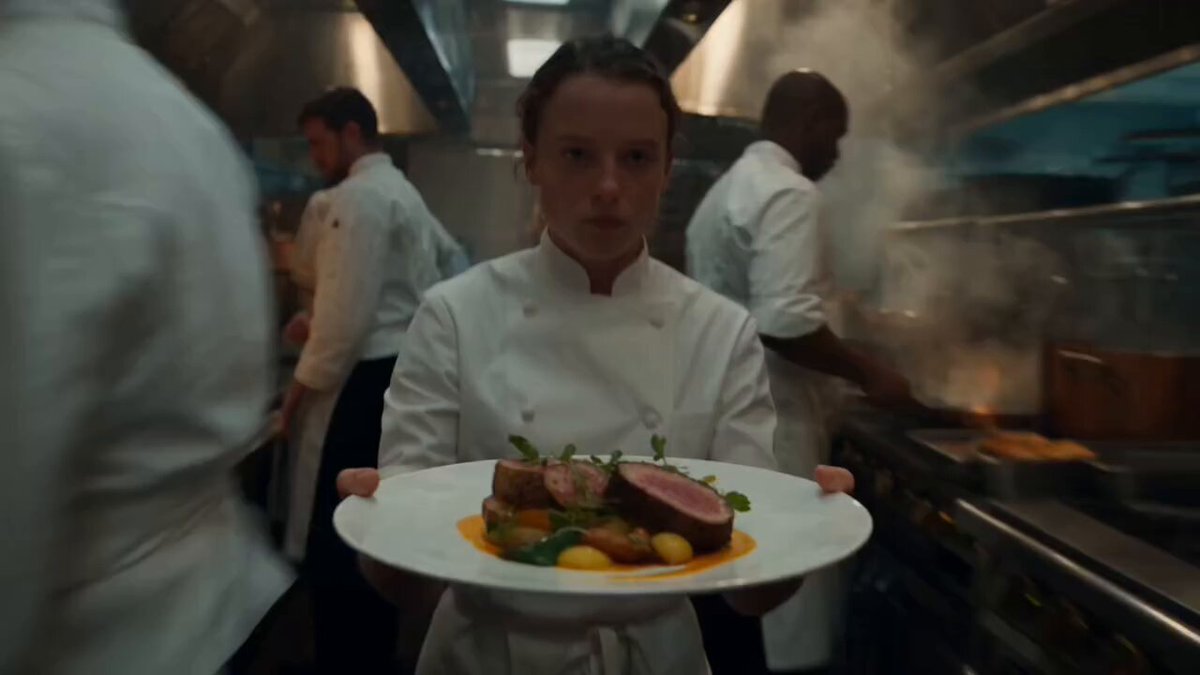
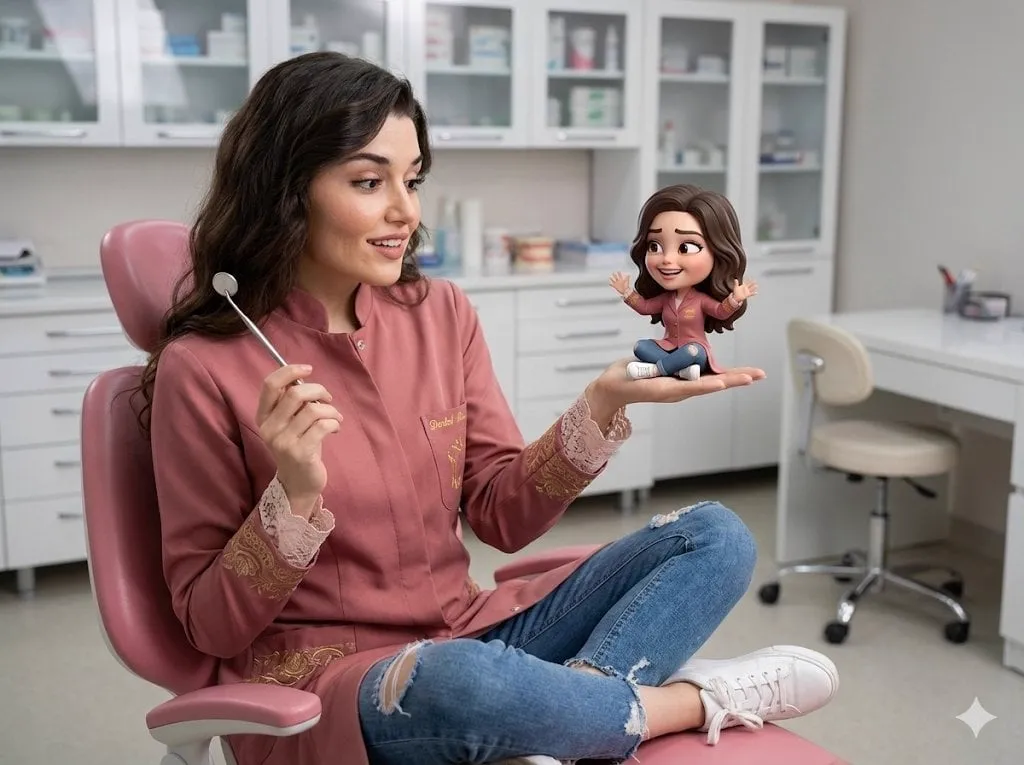
AI video editing has quietly stopped being a timeline problem. The hard part is no longer cutting clips together — it is generating footage that behaves consistently enough to cut. Tools like PixVerse and Runway sit at the centre of that shift, and comparing them usefully means comparing workflows rather than counting feature bullets.
This guide treats both platforms as production instruments. You will find where each one earns its place, how to combine them without wrecking continuity, and a repeatable process you can hand to an editor who has never touched generative video before.
Why the editing timeline keeps merging with generation
Traditional post-production assumes footage already exists. You shoot, ingest, log, then cut. Generative video inverts the order: you describe a shot, get several candidate takes, and only then decide what the sequence is about. The edit becomes a selection problem instead of an assembly problem.
That inversion changes three habits.
First, pre-production gets heavier. A shot list now needs to describe camera movement, lens feel, lighting direction, and character wardrobe in text, because those details are what the model interprets. Vague shot lists produce vague footage.
Second, iteration gets cheaper but noisier. Rendering ten variations of a four-second clip takes minutes, which means creative decisions get made by comparison rather than by conviction. Editors who are good at fast triage outperform editors who are good at precise trimming.
Third, continuity becomes the scarce resource. Any single clip can look beautiful. Making twelve clips feel like one film is the actual craft, and it is the axis on which PixVerse and Runway diverge most sharply.
If you are coming from a conventional NLE background, the mental adjustment is to stop thinking about clips as assets and start thinking about them as drafts produced by a system you are tuning. The tuning is the job.
The three layers worth comparing before you choose a tool
Feature matrices blur together because they mix three different questions. Separate them and the choice usually becomes obvious.
Layer one: generation quality and controllability
This is what a model produces from a prompt or a reference image, and how much of the frame you can steer. Key signals are motion realism, subject stability across a clip, tolerance for complex prompts, and how gracefully the model handles hands, crowds, water, and text. A model that nails cinematic landscapes but melts faces is not universally better — it is better for a specific shot type.
Layer two: editing and continuity tools
This is where a platform stops being a generator and starts being an editor. Look for character or style referencing, camera-motion presets, inpainting and outpainting, extend-clip behaviour, and whether you can lock a look across multiple shots. Continuity tooling is the difference between a demo reel and a narrative sequence.
Layer three: delivery, resolution, and export
Delivery covers output resolution, aspect-ratio options, frame-rate consistency, watermark policy on paid tiers, and how cleanly files move into an editor. A platform that generates gorgeous 720p clips with awkward frame pacing will cost you more time in post than a plainer tool that exports clean, well-paced footage.
Score your project against all three layers rather than asking which platform "wins." Most real projects need one layer more than the others, and that need should drive the decision.
PixVerse in practice: where it shines
PixVerse tends to feel like a creativity-forward tool. Its strengths cluster around stylistic transformation, motion effects, and the kind of visually playful shots that would be expensive or impossible to film.
What works well:
- Style-driven shots. Turning a static image into a moving scene with a distinct visual identity is fast and forgiving.
- Effect-heavy inserts. Transitions, transformations, and stylised motion effects that function as punctuation between live-action or generated scenes.
- Rapid ideation. When you need twenty visual directions for a pitch, the low ceremony of generating variations is an advantage.
- Short-form vertical content. Social-first aspect ratios and punchy motion suit the way the tool generates.
Where it needs supervision:
- Long continuous action. Extended movement in a single shot can drift, so plan to generate shorter beats and cut between them.
- Character identity across shots. Without careful referencing, a protagonist's face can shift between clips. Lock the design early with a strong reference image and a written character description you paste into every prompt.
- Precise camera choreography. If a client wants an exact dolly move, expect several attempts.
The practical takeaway is that PixVerse rewards editors who storyboard in beats and treat each beat as a self-contained visual idea. It punishes anyone trying to generate a ninety-second continuous take.
Runway in practice: where it shines
Runway positions itself closer to a filmmaking instrument. Its reputation rests on cinematic motion, shot-to-shot consistency, and a toolset that speaks the language of directors and VFX artists.
What works well:
- Cinematic realism. Lighting, depth of field, and camera movement tend to read as intentional rather than generated.
- Consistency across a sequence. Character and style referencing make it realistic to build a scene with multiple angles of the same subject.
- Iterative control. Fine-grained adjustments to motion strength and camera behaviour make it easier to close the gap between the shot in your head and the shot on screen.
- Integration with post tools. Exporting clean plates for compositing, rotoscoping, or cleanup sits naturally in a professional pipeline.
Where it needs supervision:
- Cost of exploration. Because output quality is higher, it is tempting to over-generate. Discipline matters more here than on lightweight tools.
- Prompt sensitivity. Runway responds well to specific, technical language and poorly to vague mood requests. "Slow push in, 35mm, shallow focus, overcast light" beats "make it dramatic."
- Effect novelty. Its transformation effects are strong but recognisable. Lean on them for structure, not as the whole visual identity.
The practical takeaway is that Runway rewards preparation. Shot lists with camera language, lighting notes, and reference frames convert directly into usable footage.
A decision framework for real projects
Use the table below as a starting point, then adjust for the specifics of your brief.
| Project need | Better first choice | Why |
|---|---|---|
| Stylised social ad, 15 seconds | PixVerse | Fast variation, strong visual punch, vertical-native |
| Narrative short with recurring character | Runway | Consistency tooling and cinematic motion |
| Music video with effect-driven beats | Both | PixVerse for inserts, Runway for hero shots |
| Product explainer with brand control | Runway | Predictable framing and clean compositing exports |
| Concept pitch, many directions needed | PixVerse | Cheap exploration, low ceremony |
| Documentary-style reconstruction | Runway | Realistic lighting and restrained motion |
| Animated transition pack | PixVerse | Effects are the product, not the garnish |
A useful rule: if the project's value lives in how it looks, start with the tool that gives you the most visual leverage. If the value lives in whether it holds together, start with the tool that gives you the most continuity control.
A shot-type playbook for mixing both tools
Most teams end up using both. The skill is assigning the right shot to the right model so that mismatched outputs do not fight each other in the edit.
Establishing shots. Use the cinematic-leaning tool. Wide landscapes, city skylines, and slow aerial moves benefit from realistic lighting and gentle camera physics. These shots carry the film's visual tone, so they deserve the better-looking output.
Character close-ups. Use whichever tool has stronger reference-image fidelity for your subject, and generate more takes than you think you need. Faces are where audiences notice inconsistency instantly.
Insert and texture shots. Hands on a keyboard, steam over a cup, rain on glass. These are low-risk places to use the faster, more stylised tool, because the audience reads them as texture rather than as character.
Transitions and effects. Assign these to the effects-forward tool. Keep them short — under two seconds — so any artifacting reads as style.
B-roll montage. Mix outputs deliberately, alternating between the two visual languages. Varying texture in quick succession can hide small inconsistencies that would be obvious in a long uninterrupted take.
Write the shot-type assignment into your shot list before generating anything. Deciding after the fact means you are choosing based on sunk effort rather than on what the sequence needs.
Prompting and control techniques that transfer between platforms
Whatever you use, most quality gains come from prompt discipline rather than platform features. These habits travel well.
Separate subject, action, and camera. A reliable prompt template reads: subject and wardrobe, then action, then camera behaviour, then lighting and atmosphere, then style references. Models parse this structure more reliably than a flowing paragraph.
Name the camera explicitly. "Slow dolly in," "static locked-off shot," "handheld with slight drift," "crane up revealing the street." Default camera behaviour is the single biggest cause of footage that feels generic.
Anchor identity with a reference. Text descriptions of a face are unstable. Use a reference image plus a short written description, and reuse both verbatim in every shot featuring that character.
Keep clips short. Four to six seconds per generation is the sweet spot for stability. Long clips drift in faces, hands, and background architecture.
Generate in sets of three to five. Never accept the first output. Compare variants side by side before committing, and keep the rejected takes — a shot that fails in one context often works as a reaction or insert elsewhere.
Change one variable at a time. When a shot is wrong, adjust either motion, or framing, or lighting — not all three. Single-variable iteration is how you learn the model's behaviour.
Write negative constraints. Explicitly exclude unwanted elements such as extra limbs, text overlays, lens flares, or slow motion, since many models treat slow motion as a default for "cinematic."
An end-to-end workflow you can repeat
Here is a production process that works whether you are a solo creator or a small studio team.
- Lock the concept in one sentence. If you cannot describe the video in a sentence, the shot list will sprawl.
- Build a shot list with columns for subject, action, camera, lighting, and assigned tool. This single artefact prevents most continuity problems.
- Create reference boards. Collect five to ten stills that define colour, contrast, and framing. Use them as image references and as your own calibration.
- Generate hero shots first. If the establishing shot and the character close-up do not work, the rest of the sequence will not save the project.
- Batch-generate inserts and transitions. Do these in bulk once the hero look is locked, so stylistic decisions are already made.
- Assemble a rough cut immediately. Do not polish individual clips in isolation. Pacing tells you which shots are actually weak.
- Repair continuity in post. Colour grade to unify outputs, stabilise shaky generations, and use short dissolves where a hard cut exposes a mismatch.
- Add sound early. Sound design hides more generative artifacting than any visual fix. A room tone bed plus a clean music bed makes imperfect motion read as intentional.
- Export at a consistent frame rate and resolution, and keep a versioned archive of prompts and references alongside the project files.
Step nine is the one teams skip and later regret. Six months on, the only way to reproduce a look is to have the prompts written down.
Mistakes that quietly ruin AI video projects
Treating generation as a substitute for a shot list. Models do not fix unclear thinking. They amplify it.
Chasing single-clip perfection. A clip that looks stunning alone can feel wrong in a sequence. Judge in context.
Ignoring frame pacing. Mixed frame rates create judder that viewers feel without being able to name. Normalise on export.
Letting style drift across shots. Each shot generated in isolation drifts toward its own aesthetic. Fix this with shared references, shared prompt scaffolding, and a unified grade.
Skipping sound. Generative video without sound design reads as a technical demo, not as a film.
Over-relying on effects. Transformation effects date quickly. Use them as punctuation, not as architecture.
No version control. Without archived prompts and references, you cannot iterate on a look you already achieved.
Ignoring rights and disclosure. Check the licensing terms of anything you upload as a reference, and be transparent with clients about how footage was produced. Commercial work increasingly requires this.
FAQ
Can I use PixVerse and Runway in the same project?
Yes, and many teams do. The trick is assigning shot types deliberately and then unifying the results with a shared colour grade, consistent sound design, and matched frame rates.
Which tool is better for beginners?
The creativity-forward option is usually friendlier for a first project because iteration is cheap and effects are forgiving. Move to the more cinematic tool once you need continuity across a sequence.
How long should each generated clip be?
Four to six seconds. Longer clips tend to drift in faces, hands, and background detail, and they are harder to recut.
Why does my character's face change between shots?
Because each generation is independent. Fix it with a strong reference image, a written character description reused verbatim, and short clip durations.
Do I still need a traditional editor?
Yes. Generative tools create raw material; pacing, rhythm, sound, and grade still determine whether the result feels professional.
How do I stop outputs looking generic?
Specify camera behaviour, lighting, and lens language explicitly, exclude unwanted defaults like slow motion, and grade everything to a single reference board.
What is the biggest workflow upgrade?
A shot list with an assigned tool column. It forces creative decisions before generation, which saves more time than any model upgrade.
How should I handle client approvals?
Show a rough cut with temporary sound, not isolated clips. Clients react to sequences, and sequence feedback is more actionable.
Where to go from here
The PixVerse versus Runway question has no permanent answer, because both tools are moving targets and your project requirements change with every brief. What stays stable is the underlying method: lock a concept, build a shot list with tool assignments, anchor identity with references, generate in small batches, cut early, and grade and mix to unify.
Start with a single thirty-second sequence. Assign one establishing shot, two character shots, three inserts, and one transition. Generate each deliberately, assemble, and add sound before you judge the result. The gaps you notice in that first pass will tell you exactly which platform, and which habits, your next project needs.
