
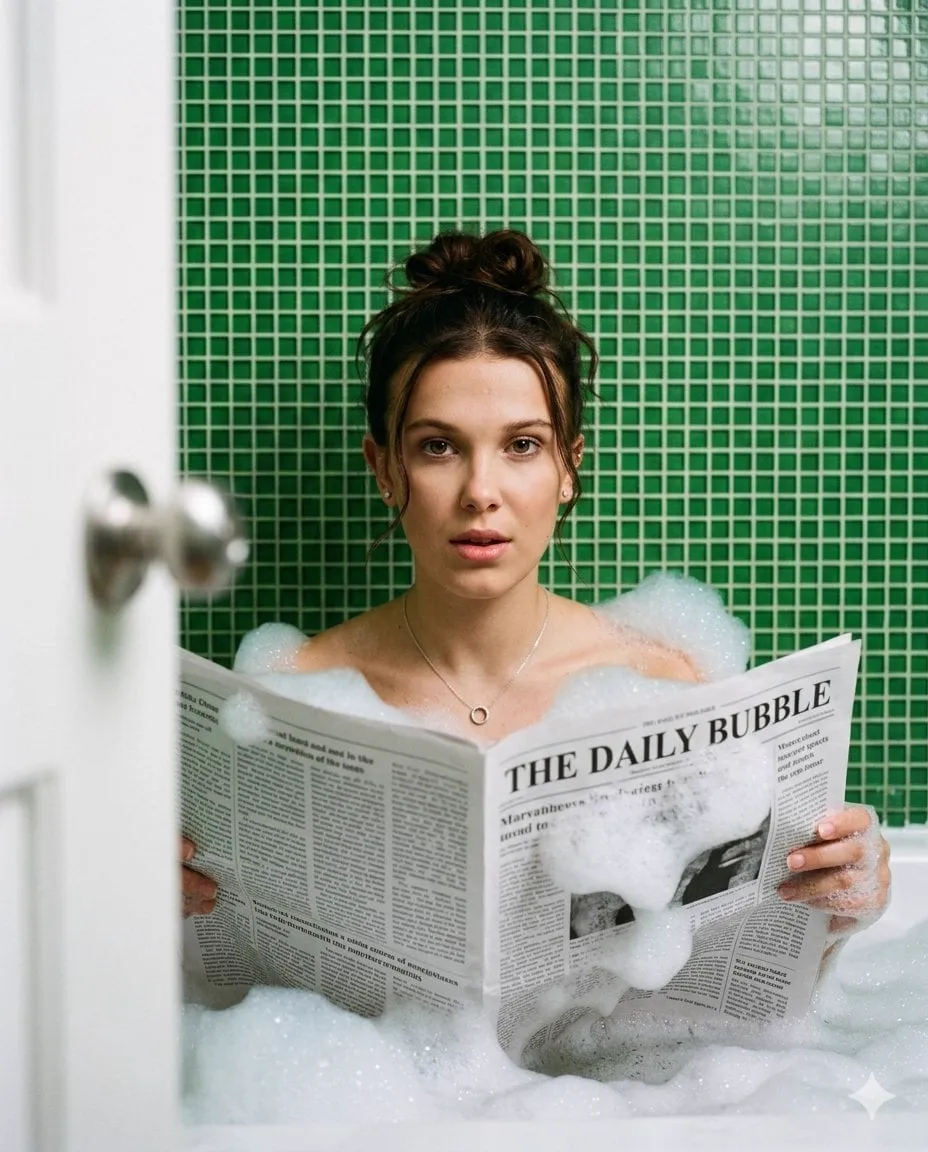
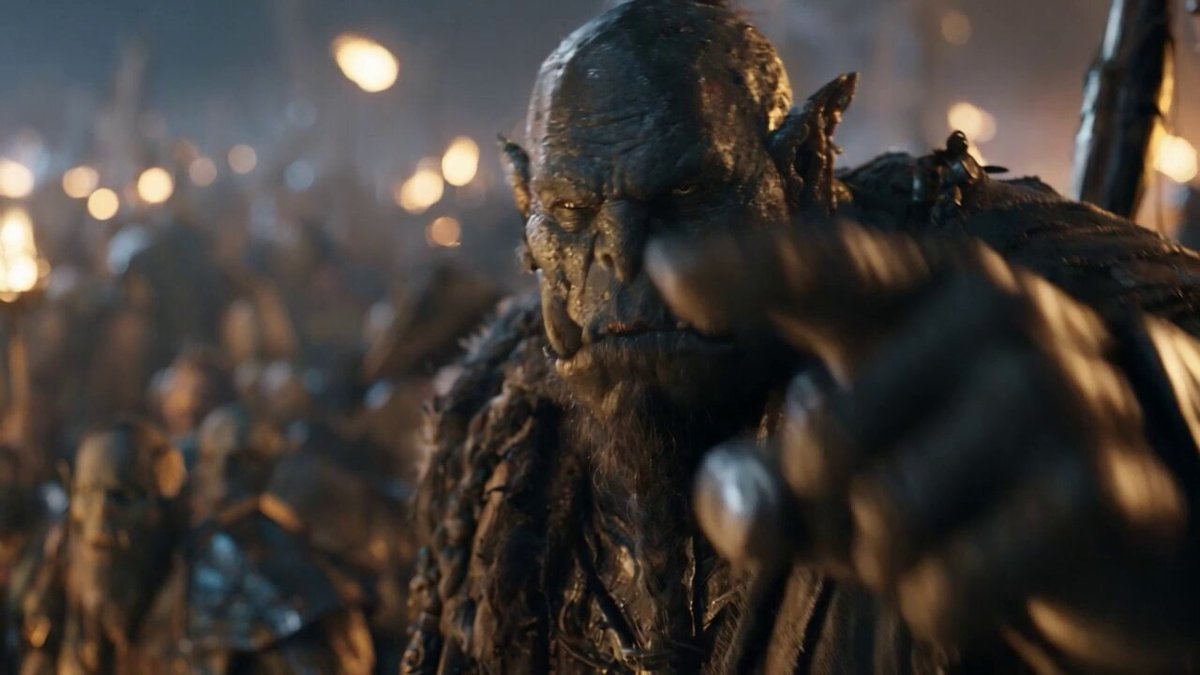
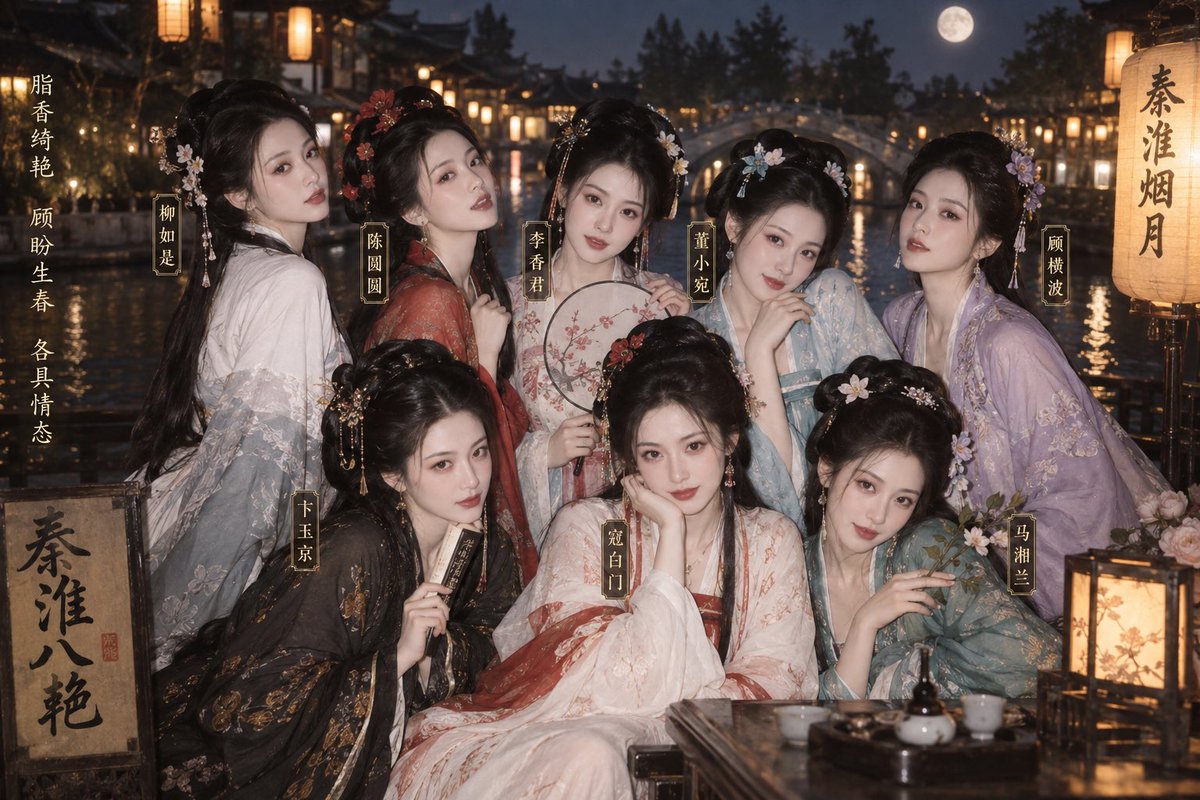
Short-form video has become the language of modern attention. Scrolling through any feed, it is the quick, punchy clips that stop thumbs and win seconds of concentration. But producing those clips well is harder than it looks. Traditional editing demands time, skill, and careful timing. And when you rely on free or template-driven tools, you often inherit something you do not want: a watermark plastered across your content, or an amateur look that undercuts your message.
AI has changed the game for short-form creators by making high-quality generation and editing far more accessible. The catch is that not all outputs are equal, and clean, professional results require a deliberate approach to model choice, direction, and cleanup. This guide walks through a practical method for creating professional, watermark-free short videos with AI, from selecting the right models to finishing a polished export you actually want to publish.
Why clean, professional shorts matter
In a crowded feed, production value signals trust. People mentally separate polished, seemingly professional content from casual, unpolished material. If a video carries a visible watermark or feels hastily assembled, audiences often discount its message or scroll past entirely.
For creators, brands, and small teams, the ability to produce clean shorts reliably is a genuine advantage. It lets you maintain a consistent presence without waiting on expensive production cycles. The goal is not necessarily a big-budget look; it is a clean, confident, finished result that does not advertise the tool you used. A watermark-free, well-paced short reads as intentional, and that intentionality is what earns attention.
Understanding what makes a short work
Before touching a tool, it helps to name what a good short actually is. The mechanics matter more than you might think.
A sharp hook in the first second
The first moment decides everything. You have a fraction of the viewer's attention, and the opening frame or first line must earn the rest. Plan the hook deliberately, before anything else.
A single clear idea
Short-form does not reward complexity. One idea, communicated clearly and memorably, outperforms a compressed pile of points. Decide what the viewer should take away and protect that idea.
Rhythm and pacing
Shorts live or die on rhythm. Cuts should follow a natural pulse, the audio should land on the beats, and the overall length should feel shorter than it is. A well-timed short reads as effortless even when a lot of work went into it.
Choosing the right model for watermark-free output
The models you choose determine both the quality of the footage and how much cleanup you need. Not every model produces clean, usable output on its own.
High-fidelity models for clean, professional footage
For shorts that will carry a brand or stand on their own, prefer high-fidelity models with strong output quality and good adherence to your instructions. These reduce the defects and artifacts that would otherwise require you to rework or mask things in post. Quality saved at generation is quality you do not have to fight afterward.
Balancing cost and quality for frequent production
Producing a steady stream of shorts means watching the budget. Mid-cost models can deliver a very respectable balance of efficiency and quality for routine content, while you reserve the higher-fidelity models for hero pieces. Understanding where to spend from a toolkit of models keeps your workflow economical without sacrificing the look of your best work.
Experimenting with specialized and niche models
Some projects call for a distinctive look that no general model provides. Specialized and experimental models can produce unusual styles that help your shorts stand out. The risk is lower reliability, so use them deliberately and always review the output carefully before treating it as final.
Professional direction with AI agents
One of the steepest parts of video is the aesthetic judgment: where the camera should be, how the scene should be composed, how the cuts should flow. AI direction agents turn some of that into assistance.
Automated cinematography and scene composition
Direction tools can propose framing, camera movement, and scene structure based on your script or intent. For creators without a cinematography background, this is a reliable way to start with professional-looking composition instead of guessing. Use the suggestions as a scaffold and refine them against your own taste.
Keeping narrative and style consistent
A short still needs coherence. The same character should look the same from shot to shot, and the overall style should hold together. Direction aids that enforce style and narrative consistency help you avoid the fragmented, disconnected feel that plagues rushed AI content. Consistency is what makes a short feel intentional rather than assembled.
The technical foundations of clean production
A clean result is built on clean inputs and orderly systems. Two elements deserve particular attention.
Managing generation as a queue, not a scattergun
Rendering video is compute-intensive. If you fire off many jobs at once, you lose control of review and waste effort on shots you will throw away. Run generation through a queue, generating a few at a time and reviewing each before approving the next. This keeps quality high and rework low.
Stable architecture and reproducible jobs
When you have a process that works, you want it to keep working. Record the settings, prompts, and model choices behind a successful short so you can reproduce it and improve it next time. Reproducibility turns one lucky result into a dependable skill. This is where the real leverage in frequent production lies.
Building a look that holds across your feed
Consistency is not only a problem within a single short; it matters across everything you publish. When viewers scroll through your entire output, they are subconsciously forming an impression of who you are and whether you are worth following. A scattered feed, where every clip has a different tone, color palette, and level of polish, fails that test.
The fix is to define a visual identity before you start producing and to protect it throughout. Choose a color direction, a lighting treatment, and a general sense of texture that suit your brand or your voice. Keep those choices close to hand as reference notes for every new prompt. When a new short looks like it grew out of the same world as the last one, your feed reads as intentional and your audience starts to recognize your output at a glance.
This identity work pays off in more than aesthetics. It also simplifies your workflow. Once your palette and treatment are locked, many creative decisions answer themselves, freeing your attention for the hook and the pacing. A defined look is both a branding asset and a productivity tool. Invest in it early and revisit it only when you deliberately decide to evolve your style, not every time you sit down to create.
The role of audio in perceived quality
A short can look clean and still feel unfinished if the audio is weak. Sound is where much of the perceived production value lives. A flat, mismatched soundtrack or a voiceover that does not sit in the mix pulls the audience out of the clip as surely as a visible watermark.
Approach audio as part of the design rather than an afterthought. Choose music whose energy matches the pacing you want, and let it build toward the key payoff instead of running flat behind the whole clip. If you use a voiceover, make sure the words and the visuals land on the same beats. Even the simplest choices, like letting a beat hit exactly on a cut, make the short feel composed.
Because audio tools have also benefited from AI, generating a voiceover or a music bed is fast and easy to iterate on. That means you have no excuse for a weak soundtrack. Round out the sound, sync it to the rhythm, and the perceived quality of your short will rise well beyond what the visuals alone would suggest.
A practical workflow for publishing-ready shorts
Putting it together, here is a repeatable sequence for producing clean, watermark-free shorts you can actually publish.
1. Lock the concept and the hook
Write one sentence for the idea and one for the hook. Both must be clear before you generate anything. This is non-negotiable; everything downstream depends on it.
2. Select your models
Pick a base model appropriate for your content and budget. Reserve a higher-fidelity option for your hero clip. Decide whether the project benefits from a specialized look.
3. Draft the shot list and prompts
Break the short into individual shots. Write a focused prompt for each that names the subject, the motion, the mood, and the framing. Consistency notes go here too.
4. Direct and iterate in the queue
Generate the shots through the queue. Review each, refine prompts, and regenerate where needed. Do not move to high-fidelity renders until the sequence and pacing work at a cheaper level.
5. Assemble, time, and finalize
Bring the approved shots together, time the cuts and the audio to one rhythm, and export a clean, watermark-free master. Review the final cut as a whole before publishing.
Verifying your final output
Before you consider a short finished, run a quick checklist. Confirm there is no unintended watermark or branding baked into the footage. Check that every shot is consistent with the next. Confirm the audio lands on the right beats and that the hook still lands in the first second. Finally, playback the whole thing once with fresh eyes and ask whether it feels like a finished piece of content, not a proof-of-concept. If any answer is shaky, fix it now rather than publishing something you would have to redo.
Common mistakes to avoid
Several errors recur with AI-generated shorts. The first is skipping the hook to jump straight into generation, which produces content nobody watches. The second is ignoring consistency, publishing content where the subject visibly changes between cuts. The third is firing off all renders at once and losing the ability to review, burning budget on unusable shots. The fourth is treating generation as a one-click end state instead of an iterative process. And the fifth is neglecting pacing, exporting a video where the cuts and audio never lock into a rhythm. All are avoidable with a little discipline and a queue-based, review-first workflow.
Frequently asked questions
Can I really produce watermark-free shorts without paid tools?
Yes. Many platforms offer clean exports by default, and watermark-free output is often the standard on the models you pay for. The key is choosing models and plans that do not bake a watermark in, and always verifying the final export before publishing.
How do I keep the same character consistent across a multi-shot short?
Use multi-image references for the character taken from several angles, and keep the style and lighting consistent across all shots. Review each shot against the previous one before approving.
Is AI editing good enough for professional use?
For short-form content, yes. The limiting factor is rarely the tools; it is whether you plan the hook, watch the consistency, and time the pacing. A disciplined workflow produces professional results.
How can I make AI shorts faster?
Set up a reproducible process: lock your templates, prompts, and settings, and reuse them across pieces. Generate through a queue so you are always reviewing one shot while the next renders. Speed comes from repetition and system, not from cutting corners on the hook or the final check.
What is the single most important skill to learn?
Pacing. It is the thing that separates a short that feels like one clean idea from one that feels like a collection of clips. Learn to time your cuts and audio to a single rhythm and almost everything else becomes easier.
Final thoughts
AI has made professional short-form video available to anyone willing to work with a system. The technology takes care of generation and much of the editing; you supply the concept, the consistency, and the timing. A watermark-free, well-paced short is not a lucky accident. It is the product of choosing clean models, directing carefully, iterating through a queue, and finishing with an honest final check.
Start with the basics: one clear idea, a sharp hook, a repeatable workflow. Generate through a queue, review as you go, and keep a record of what works. As your process tightens, your shorts will get faster to make and better to watch. The tools will keep evolving, but the discipline of clean output and confident pacing is what makes a creator stand out in a feed of noise.
