
The great divide in AI video generation
The year 2025 marks a critical inflection point for AI-generated video. What was once experimental technology is now a fundamental pillar of digital marketing, cinematic pre-visualization, and content creation workflows globally. The market is saturated with tools, creating a significant dichotomy between entry-level, often free video generation solutions, and sophisticated professional platforms.
Research indicates that while many digital creators experimented with free AI video tools in 2024, only a small fraction reported using them for revenue-generating content due to quality constraints. The professional segment addresses the core challenge of AI video generation: achieving narrative coherence across multiple scenes and styles.
The technical divide: model access and output quality
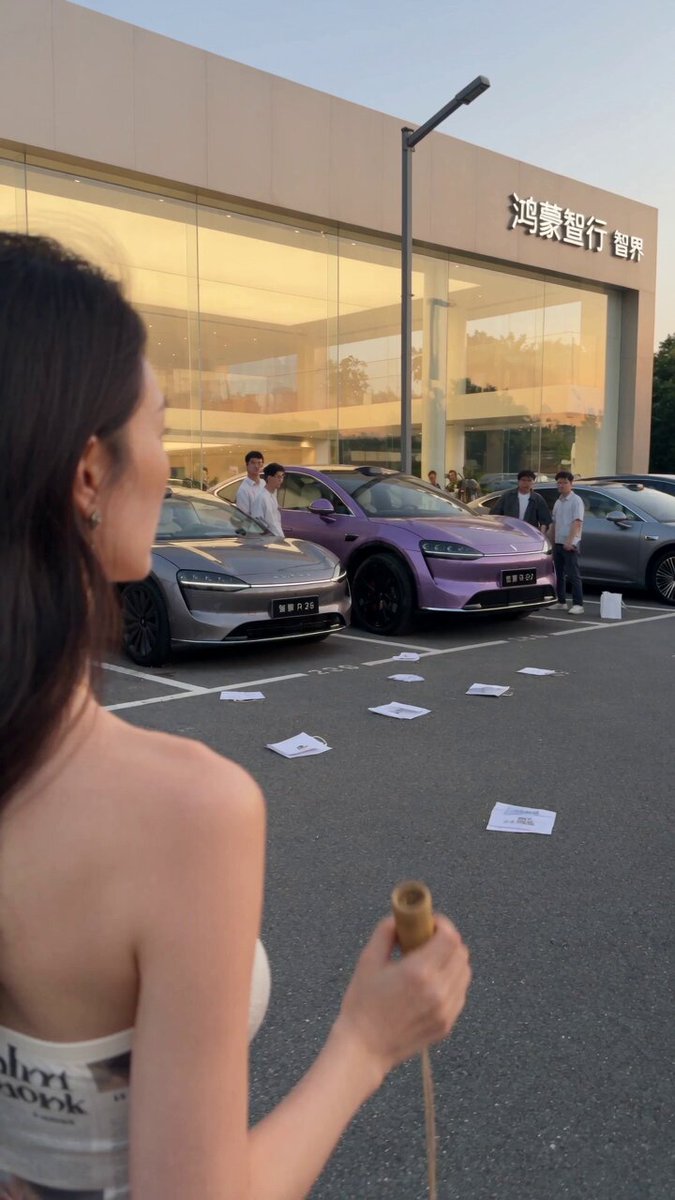
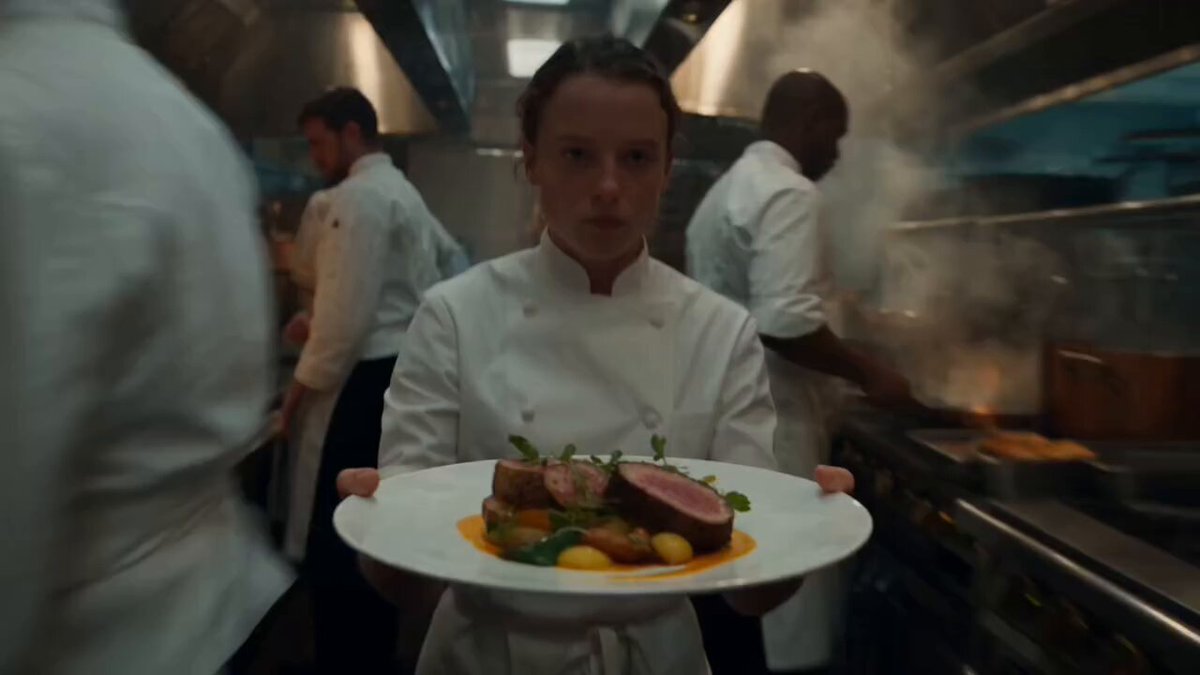
The most significant differentiator lies in the depth and breadth of AI model access and the resulting output quality. Free services are typically restricted to a single, often older or distilled model, optimized for speed over nuance. Professional platforms offer a library of many AI models, encompassing leading technologies from around the globe, each optimized for different aesthetics and technical requirements.
Model versatility changes the creative ceiling
Free tools rarely provide access beyond a basic text-to-video generator. Professional platforms integrate premier models known for revolutionary image generation and unparalleled quality, alongside models with industry-leading cinematic quality and narrative understanding.
This diversity allows users to select the exact tool for the job — whether needing photorealistic results or dynamic anime capabilities. The modular approach, integrated into a structured task queue, ensures complex rendering requests are managed efficiently — something impossible for simpler, single-model free interfaces. The ability to choose between models specialized for different aesthetics provides a level of creative flexibility that free tools cannot match, empowering serious creators to maintain a unique visual signature.
Character and scene consistency: the multi-image fusion imperative
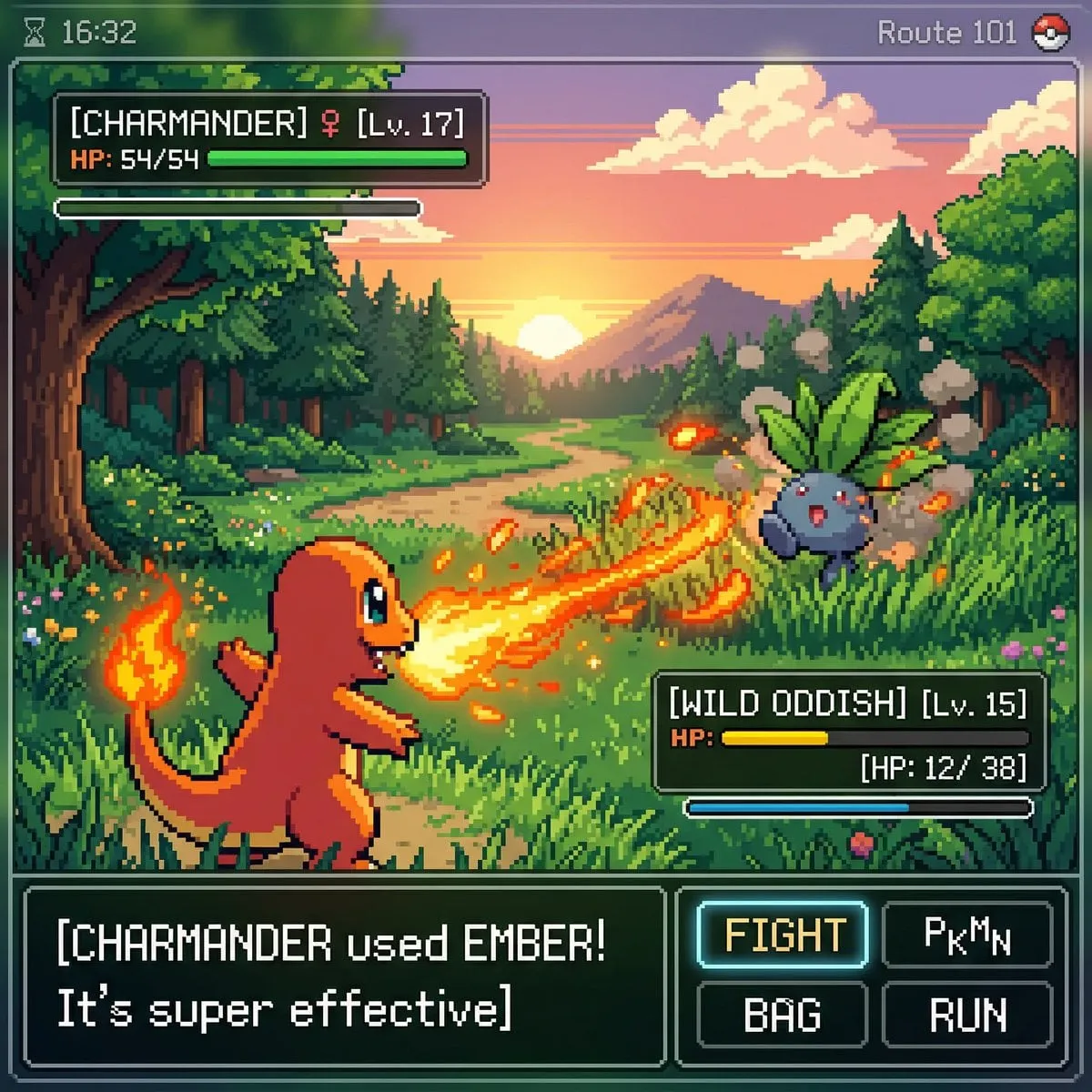
A primary hurdle for all AI video generation is temporal consistency, especially when dealing with characters or specific environmental setups across multiple shots. Free tools generally treat each prompt input as an isolated event, resulting in character drift where a subject's appearance subtly changes from scene to scene — a death knell for narrative filmmaking.
Professional platforms integrate multi-image fusion technology designed specifically to solve this. Features like explicit keyframe control allow users to feed several reference images into models to lock down specific visual parameters. This capability ensures style consistency and character recurrence, which is critical for feature-length projects or serialized content.
The problem with manual correction
The lack of robust keyframe control in free tools forces users into arduous manual editing processes post-generation, often requiring frame-by-frame correction in traditional software — negating the speed benefits of AI. This manual intervention dramatically increases the time-to-completion for any meaningful project.
If you want to keep characters consistent across shots, start with reference images and use an image-to-video tool to animate them while preserving their identity.
The hidden costs of 'free'
While the sticker price of a free AI video tool is zero, the hidden costs manifest in severe resource constraints and usage limitations. These platforms typically restrict output resolution, limit generation time per clip, impose restrictive watermarking, and throttle access based on peak demand.
Watermarks disqualify commercial use
Watermarks, prevalent in free video generation tools, immediately disqualify content for most commercial uses, forcing professional users to incur hidden costs in attempts to remove or edit around them in third-party software.
Unpredictable performance
Free users might wait hours for a low-resolution clip that is visually inferior. Professional platforms guarantee processing priority and high-quality output hardware, with dedicated resource allocation that ensures performance metrics essential for professional timelines and deadlines.
When should you choose free tools?
Free tools are excellent for:
- Exploring concepts: testing whether AI video fits your workflow
- Learning fundamentals: understanding prompting and basic generation
- Quick drafts: mood boards and rough visual references
- Hobby projects: where watermarks and limits are acceptable
When should you invest in professional tools?
Professional platforms make sense when:
- Brand alignment matters: inconsistent, low-quality outputs risk brand misalignment
- Commercial use is planned: no watermarks, clear usage rights
- Scale is required: batch generation and predictable performance
- Consistency is critical: characters and styles must persist across scenes
- IP concerns are real: clearer licensing and provenance
For high-quality image work that anchors your video, GPT Image offers excellent detail and style control. For scenes with natural, fluid motion, Seedance is a strong choice.
AI as a creative partner, not just a rendering engine
The rise of specialized AI agent directors signals a shift toward AI as a creative partner. These systems guide cinematography and scene composition, suggesting camera angles, shot types, and pacing based on established filmmaking principles. They transform the process from manual prompt chains to directive workflows, reducing the cognitive load on the creator while maintaining professional quality.
Making the right investment decision
For businesses, the risk associated with inconsistent, low-quality free outputs — including brand misalignment and potential IP concerns — often far outweighs the subscription cost of a professional service. The question is not just what you can generate, but what you can generate reliably, at scale, with consistent quality.
A practical framework
- Start free to validate the idea: confirm AI video is right for your content
- Measure the friction: how much time do you spend fixing outputs or removing watermarks?
- Calculate the cost of inconsistency: what does a broken brand moment cost you?
- Invest when the economics make sense: move to professional tools when quality, consistency, and rights matter
Conclusion
The distinction between free tools and professional platforms is not merely incremental; it represents a qualitative leap. Free tools provide an essential low-barrier entry point for hobbyists, but serious creators and businesses need platforms that deliver enterprise-grade quality and creative control.
Understanding this distinction ensures that content creators invest time and resources in tools that can scale with their ambition. Start by building your visual foundation with an AI image generator, then bring it to life with an AI video generator. Choose the tier that matches your goals — and upgrade when your ambition demands it.
