
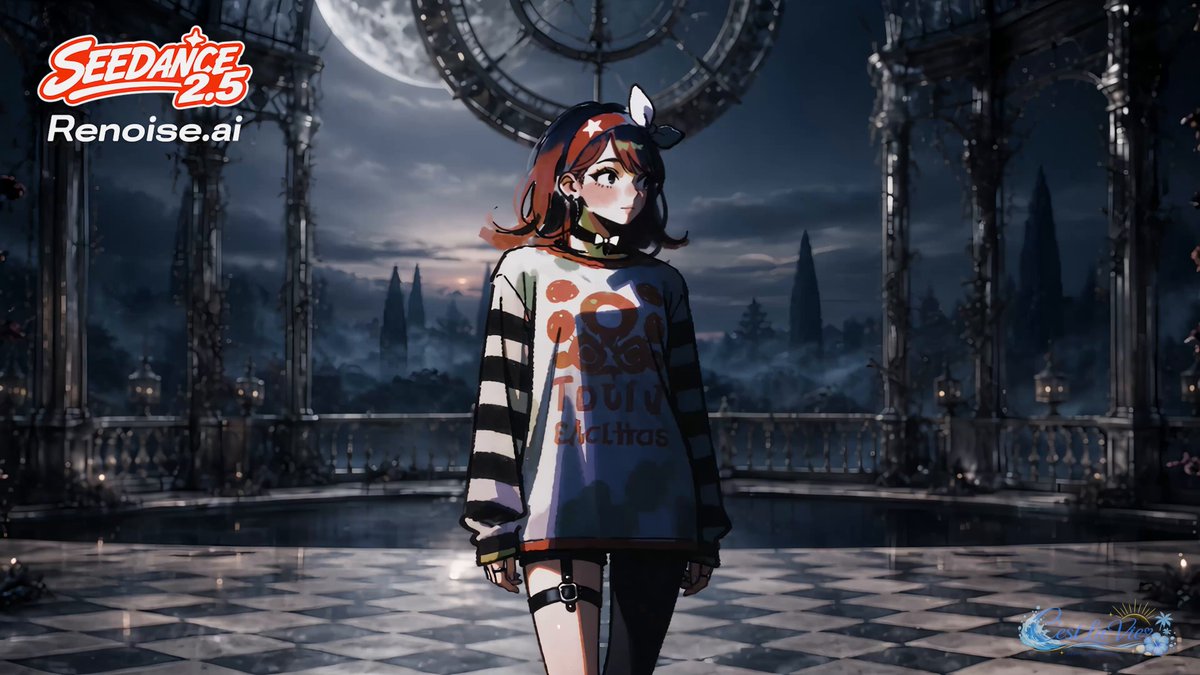
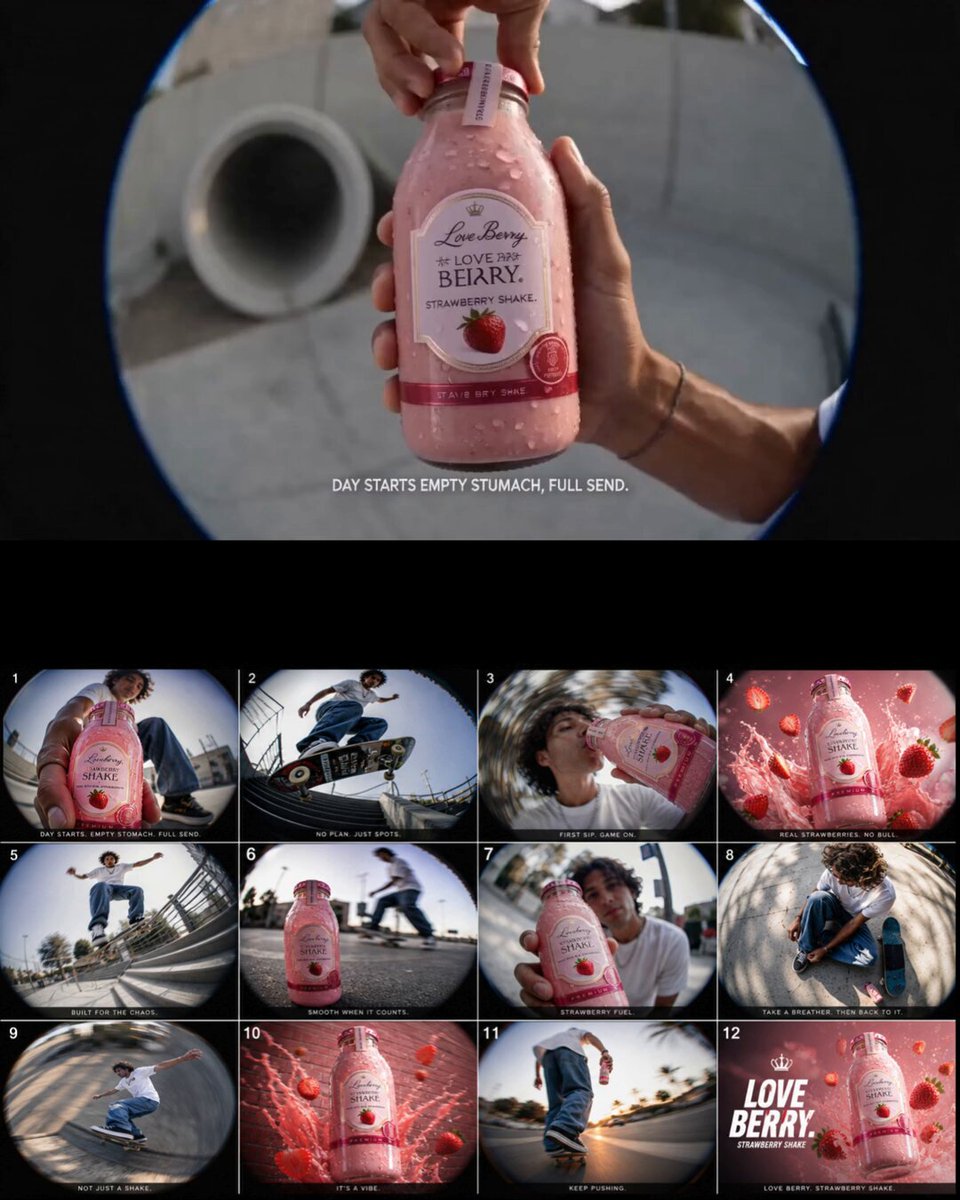
Why AI Video Generation Became a Production Discipline
A few years ago, generating a video clip with a text prompt felt like a magic trick. You typed a sentence, waited, and received four seconds of surreal, slightly melting motion. It was impressive, but it was not usable. Today the conversation has shifted. Teams are no longer asking whether AI can generate video; they are asking which model to use for which shot, how to keep a character recognizable across twenty cuts, and how to fit synthetic footage into a delivery pipeline that already has deadlines.
That shift matters because it changes the skills involved. Prompt writing is still part of the job, but it now sits alongside storyboarding, reference preparation, shot matching, color continuity, and audio design. The strongest results come from people who treat generative video as one stage in a pipeline rather than as a slot machine.
This guide walks through the current state of AI video generation, how the leading model families differ in practical terms, and how to build a repeatable workflow that produces consistent, deliverable footage. It is written for directors, editors, motion designers, and marketing teams who need output they can actually publish.
The Model Landscape, Without the Hype
Every few weeks a new model arrives with a demo reel of impossible camera moves. The demos are real, but they are also curated. What matters for production is narrower: how a model handles motion physics, how much directorial control it offers, how consistent it stays across shots, and how predictable it is when you push it.
Motion-first versus aesthetic-first models
Broadly, models fall into two camps. Motion-first systems prioritize believable physical movement: running, falling, splashing, crowd activity, fast camera pans. They tend to excel at action and sports content where the eye forgives texture flaws but never forgives broken physics. Aesthetic-first systems prioritize lighting, lens feel, skin rendering, and composition. They shine in product beauty shots, portraits, and mood-driven brand films where a slightly slower or simpler movement is acceptable.
PixVerse-style engines have leaned toward expressive motion with fast stylistic cuts, which makes them popular for social edits and stylized animation. Cinematic-focused models lean the other way, offering shallower depth-of-field looks, deliberate lens selection, and steadier camera language. Sora, Kling, Hailuo, Luma Ray, and Vidu each sit somewhere different on this spectrum, and each has a shot type where it quietly outperforms the others. The practical takeaway is that no single engine is universally better; the question is which failure mode you can tolerate on a given shot.
Directorial control and camera language
The most useful differentiator in day-to-day work is not raw fidelity but control. Ask three questions:
- Can I specify camera movement (dolly, crane, handheld, orbit) and get a predictable result?
- Can I lock a subject's appearance and wardrobe between shots?
- Can I extend or continue a shot without a visible seam?
Models that answer yes to all three reduce the number of unusable takes dramatically. Models that only answer the first are better suited to single-shot social content than to narrative sequences. When you are testing a new engine, run these three questions before you evaluate image quality, because a beautiful shot you cannot repeat is a liability on a real schedule.
Regional ecosystems and what they change
Another structural change is the breadth of the field. A handful of large labs set the visual benchmark, while a wider group of studios and regional teams ship models tuned for specific aesthetics: anime-styled motion, dance choreography, short-form vertical editing, and stylized 2D-to-3D transitions.
For creators, this is good news. Instead of waiting for one model to become good at everything, you can route each shot to the engine that handles it best. The trade-off is complexity: more models means more interfaces, more prompt dialects, and more consistency risk when you cut them together. Plan for that complexity early by standardizing naming, reference sets, and output formats across every engine you adopt.
A Decision Framework for Choosing a Model
Rather than chasing a ranking, evaluate candidates against your actual shot list. A practical framework has four layers.
1. Shot type. List your shots as action, dialogue, product, environment, or transition. Action and transitions reward motion-first models. Dialogue, product, and environment reward aesthetic-first models.
2. Control needs. If the same character appears in multiple shots, character consistency tooling is non-negotiable. If the camera must follow a specific path, look for explicit camera controls. If the sequence must extend beyond a few seconds, look for continuation or extension features.
3. Iteration speed. Fast generation with lower fidelity often beats slow generation with higher fidelity, because you will iterate a dozen times before a shot works. Test time-to-first-usable-take, not time-to-best-take.
4. Finish compatibility. Check output resolution and frame rate against your editing timeline, and confirm whether the model's native results survive upscaling and frame interpolation cleanly. Some models produce beautiful stills that fall apart when interpolated to a higher frame rate.
A five-shot test that saves weeks
Before committing to any engine, run a standard test with five shots: a slow push-in on a face, a fast lateral tracking shot, a hand interacting with an object, an outdoor scene with environmental motion, and a two-second transition. Generate each three times with the same prompt. Score each attempt for motion realism, temporal stability, prompt adherence, and finishing headroom.
Keep the contact sheet. Teams that build this habit stop arguing about model quality in the abstract and start making decisions from evidence.
Reference-driven generation and image-to-video
Most professional work does not start from text alone. It starts from a keyframe, a mood board, or a plate. Image-to-video and reference-driven workflows let you control composition far more tightly than text prompts, because the first frame already fixes framing, lighting direction, and subject placement.
Video-to-video adds another layer: you supply existing motion and ask the model to restyle it. This is the fastest route to consistent movement for dance, sports, and product rotation, where the camera path is easier to capture than to describe.
Consistency: The Hardest Problem in AI Video
Anyone can generate one good shot. The difficulty begins at shot two, when the same character must appear again with the same face, jacket, hairstyle, and lighting.
Character locking and multi-image fusion
Modern consistency features work by letting you supply several images of the same subject - different angles, expressions, and lighting conditions - and having the model build a stable internal representation. The practical rules are straightforward:
- Supply four to eight references covering at least three angles, including one three-quarter view.
- Keep wardrobe constant across references unless you want drift.
- Avoid references with heavy filters or dramatically different lighting; they teach the model the wrong thing.
- Reuse the same reference set for every shot in a sequence, even when the prompt changes.
Multi-image fusion also helps with objects and environments. If a product must look identical across a campaign, feed the model several studio angles rather than describing it in words.
The role of an assistant director layer
The newest productivity jump comes from assistant-style layers that sit above individual models. Instead of manually writing each prompt, you describe the scene and the assistant proposes a shot breakdown, drafts prompts, assigns a model per shot, and flags continuity risks. You remain the director; the assistant removes the mechanical work.
This pattern is especially useful for series content, where a house style must survive across dozens of episodes. Encoding style rules once - color palette, lens preference, pacing, transition vocabulary - reduces the variance that normally creeps in when different people write prompts on different days.
When to break consistency on purpose
Consistency is a tool, not a rule. Deliberate visual shifts at act breaks, time jumps, or point-of-view changes can be more effective than seamless continuity. The skill is knowing which differences are intentional and documenting that decision in the shot list so no one 'fixes' it later.
A Repeatable End-to-End Workflow
The following pipeline works for anything from a thirty-second ad to a ten-minute narrative short. It assumes a small team and a compressed schedule.
Step 1: Script to shot list
Write the script, then break it into shots with a table: shot number, description, duration, camera movement, characters present, and intended model. Keep durations realistic - generative models handle three to eight second beats far better than thirty-second ones, so plan in short units and assemble in the edit.
Step 2: Reference and keyframe production
Produce stills for every shot before generating motion. Use image generators, existing photography, or 3D renders. Approve the look here, because fixing a bad frame is cheap and fixing a bad clip is expensive. Export keyframes at the highest resolution available and name them consistently.
Step 3: Shot generation in batches
Group shots by model and by character reference, then generate in batches. Batching reduces context switching and makes it easier to judge a set of takes side by side. Save every attempt with a clear naming convention - shot number, version, and a one-word note such as 'good motion, wrong jacket.'
Step 4: Selection and assembly
Assemble a rough cut with placeholder timings before polishing anything. This exposes pacing problems early, before you have sunk hours into shots that will be cut. Once the rough cut locks, replace the weakest shots in order of on-screen importance.
Step 5: Upscaling, interpolation, and stabilization
Upscale to your delivery resolution, then interpolate to a higher frame rate if the project calls for smoother motion. Apply stabilization only where it is needed; over-stabilizing removes the deliberate handheld energy that makes synthetic footage feel human.
Step 6: Sound, color, and finishing
Add sound design before color grading. Footsteps, cloth movement, and ambience do more for perceived realism than another generation pass. Then apply a unified grade - a single look across all shots is the fastest way to make mixed-model footage feel like one film.
Prompting Techniques That Earn Their Keep
Prompt craft has matured from keyword poetry to structured description. A reliable structure covers six elements: subject, action, environment, lighting, camera, and style. Write them in that order and keep each element specific but short.
Useful habits:
- Describe motion in verbs, not adjectives. 'She turns and walks toward the window' beats 'cinematic movement.'
- Specify one camera behavior per shot. Two competing movements confuse the model.
- State the lighting direction and quality: 'soft window light from camera left.'
- Keep style references broad - '35mm documentary' rather than a named artist.
- Write negative guidance sparingly; too many exclusions flatten the result.
Keep a prompt library organized by shot type. When a prompt produces a strong take, save it with the output. Over a few projects, this library becomes your team's real competitive advantage, and it makes onboarding a new editor far faster.
Planning Time, Effort, and Review Cycles
Generative video schedules fail because teams plan for the best take rather than the average take. A realistic plan assumes a ratio between generated attempts and usable shots; track your own ratio and use it for estimates.
Budget time for three review gates: keyframe approval, rough-cut approval, and final grade approval. Each gate should have one decision-maker. Projects stall when feedback arrives from five directions at the final stage, when changes are most expensive.
Also budget for rights and provenance. Confirm that your chosen engines' terms suit commercial use, keep records of source references, and be prepared to disclose synthetic content where platform or client policies require it.
Common Mistakes and How to Avoid Them
Chasing maximum fidelity on every shot. High-fidelity passes are slow. Use them for hero shots and reserve faster settings for coverage.
Skipping keyframes. Text-only generation for complex narrative sequences multiplies iterations.
Mixing too many models without a grade. Different engines have different color science. A unified grade and consistent grain hide most differences.
Ignoring audio. Silent clips feel synthetic regardless of image quality. Even minimal sound design changes perception.
Overwriting prompts. Long prompts with dozens of clauses dilute the important instructions. Trim to what matters.
No naming convention. Without versioning, teams lose their best take and regenerate it by accident.
Quality Control Checklist
Run this before delivery:
- Character identity is stable across every shot they appear in.
- Wardrobe and props match the approved references.
- Camera movement matches the shot list intent.
- No visible seams at shot extensions.
- Frame rate and resolution match delivery specs.
- Color and grain are consistent across all sources.
- Audio sync is checked on a phone speaker, not just studio monitors.
- Captions and on-screen text are legible at the smallest target size.
FAQ
How long should an AI-generated shot be?
Plan for three to eight seconds per generation. Longer shots are usually stitched from shorter beats, and the seams are easier to hide than to fix.
Can one model handle an entire project?
Sometimes, but routing shots by type usually produces better results. Standardize on one primary model for consistency and bring in specialists for action or stylized sequences.
How many references are needed for a consistent character?
Four to eight images covering multiple angles and expressions is a practical baseline. More references help only if they are clean and consistent.
Is image-to-video better than text-to-video?
For controlled work, yes. Image-to-video fixes composition and lighting, leaving the model to handle motion, which is a much smaller problem.
What is the fastest way to improve perceived realism?
Add sound design and unify the color grade. Both take hours rather than days and change how audiences read the footage.
What to Watch Next
The next wave of gains will come from controllability rather than raw resolution: better camera pathing, longer coherent sequences, and tighter integration between storyboarding tools and generation engines. Expect assistant layers to become standard, prompt dialects to consolidate, and finishing steps - upscaling, interpolation, sound - to be absorbed into the generation tools themselves.
For now, the practical advantage belongs to teams with a documented pipeline. Models will keep changing; a workflow that separates story, keyframes, generation, and finishing survives every model swap.
