
The New Baseline for AI Video Production
A few years ago, a thirty-second clip with studio-grade lighting, believable motion, and clean sound meant a crew, a location, a lighting kit, and a post-production pipeline measured in weeks. Today a two-person team with a laptop can produce something that holds up on a phone screen, a laptop, and increasingly on a large display. That shift is not a small efficiency gain. It changes who gets to make video, how fast ideas are tested, and what "finished" even means.
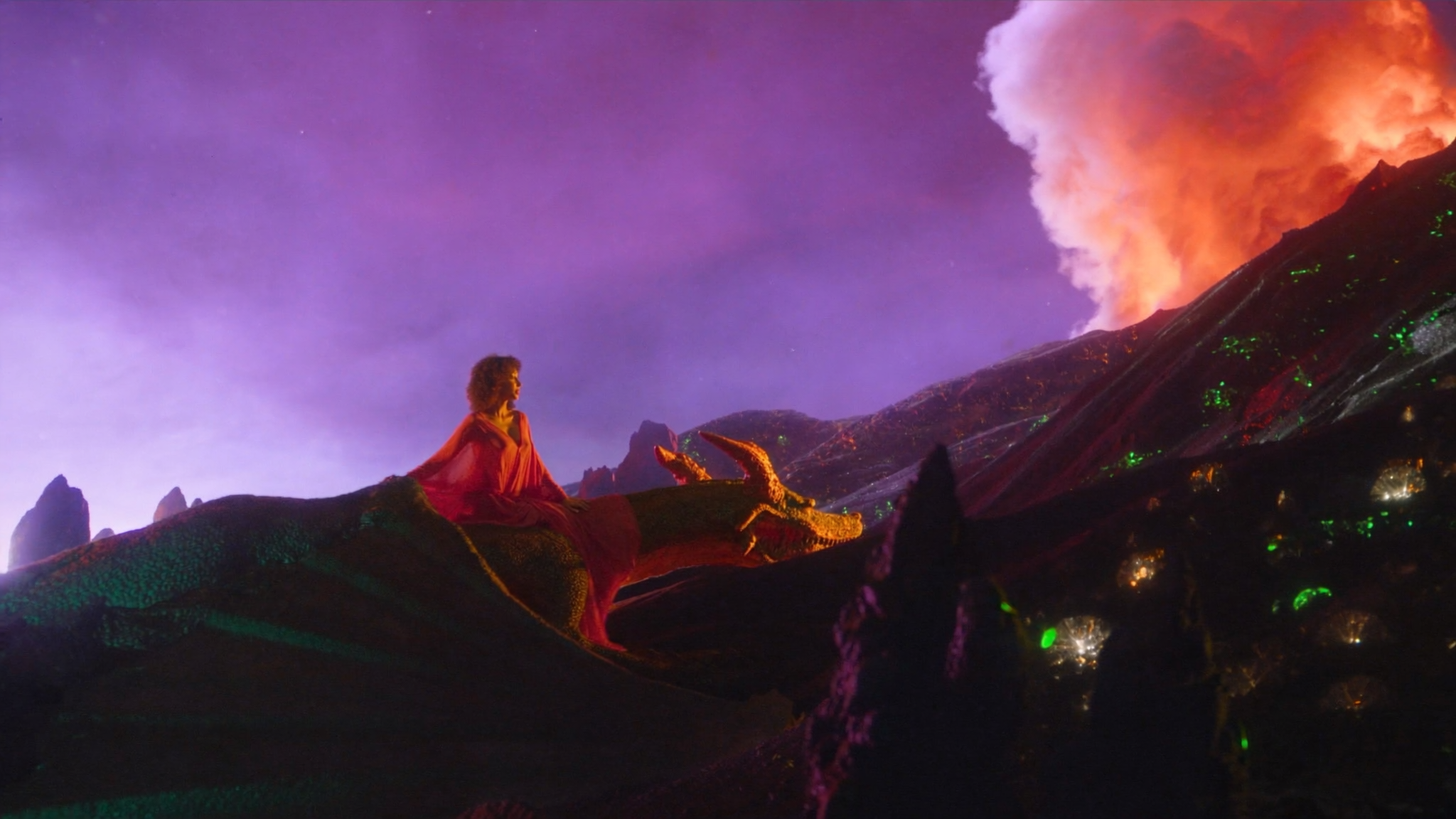
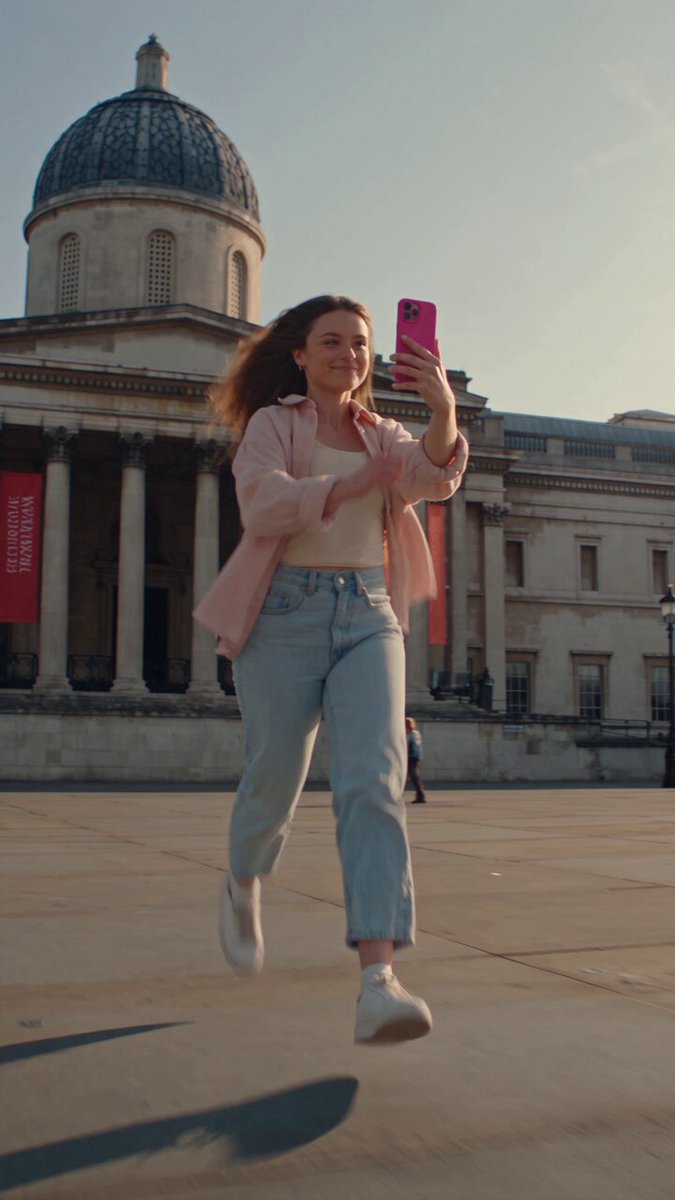
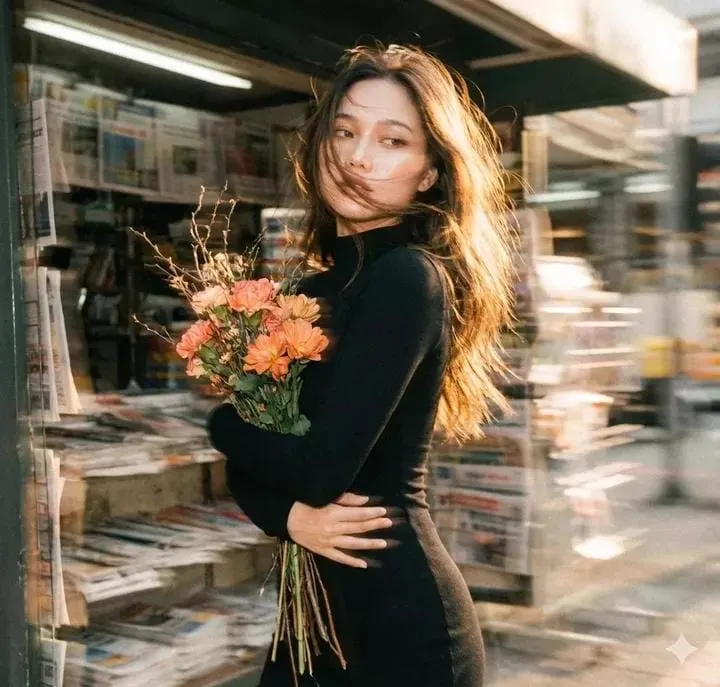
What makes the current generation of generative video models different is not that they can produce a moving image. Early tools could do that. The difference is that modern models hold a scene together. They understand that a character walking behind a pillar should reappear on the other side with the same jacket, that a camera pushing forward should not warp the room, and that a candle flame should flicker in a way that matches the shadows on the wall.
This guide is written for people who actually have to ship something: freelance editors, small studios, marketers, educators, and indie filmmakers. It covers how the newer models behave, how to choose between them per shot rather than per project, how to build a workflow that survives a real deadline, and where the common traps are. If you have ever generated one beautiful clip and then despaired at making a second one that matches it, this is for you.
Why Modern Models Look Different
The jump in perceived quality comes from three improvements that arrived at roughly the same time. Understanding them helps you predict which shots will work and which will fail.
Physics, light, and temporal coherence
Older models treated each frame as an independent image that happened to be near its neighbors. That is why objects melted, limbs multiplied, and backgrounds boiled. Newer architectures track motion across time and reason about the scene as a physical space. Shadows stay attached to their objects. Reflections move correctly when the camera moves. Water flows downhill. Fabric responds to wind direction rather than random noise.
For you, this means some shots that used to be impossible are now routine: a slow dolly through a cluttered room, a hand picking up a glass, a car turning a corner. It also means you should stop writing prompts that fight physics. If you ask for a person to walk through a closed door, you will get a morphing mess regardless of model quality.
Native audio and dialogue
Audio used to be a separate problem. You generated silent video and then tried to bolt on sound. Current models increasingly generate ambient sound, footsteps, and lip-synced dialogue together with the picture. This matters more than it sounds, because lip sync drives viewer trust. A character who speaks with misaligned mouth shapes reads as uncanny even if the lighting is flawless.
The practical rule: generate dialogue shots early in the project. They are the most expensive to redo, and they constrain your casting of the voice. Once a voice tempo is locked, reshoot coverage to match it rather than the other way around.
Longer takes and higher resolution
Generation length keeps creeping upward, and resolution options now include genuine high-definition output rather than upscaled mush. Longer native takes reduce the number of seams you have to hide. That said, longer is not automatically better. A ten-second take with a drift in the middle is harder to fix than two five-second takes joined at a cut the audience does not notice.
Treat duration as a creative decision. Dialogue exchanges often work better as alternating singles. Establishing shots benefit from length. Action often benefits from short, punchy fragments cut together.
Choosing the Right Model for Each Shot
No single model wins every category. Professionals treat models like lenses: you pick the one that suits the shot, not the one with the biggest reputation.
Dialogue and character-driven scenes
Look for strong face stability, accurate lip sync, and reliable voice matching. Some models excel at close-up emotional performance and struggle with crowds. If your scene is two people at a table, prioritize facial fidelity over everything else and keep the camera relatively static. Small, slow moves read better than sweeping arcs when a face is the subject.
Establishing shots and environments
This is where landscape and architecture models shine. Look for consistent horizon lines, believable depth haze, and stable textures on large surfaces. Wide shots hide small artifacts and give you room to cut dialogue over them later. Generate several establishing options in a single batch and choose in the edit rather than trying to perfect one prompt.
Action, camera moves, and effects
Fast motion is still the hardest problem. Choose models that handle camera language explicitly, and specify the move rather than hoping for it. A prompt that names the lens, the height, and the speed will beat a poetic description every time. For explosions, fire, and water, render shorter clips and cut them quickly. Fast cutting also masks the small inconsistencies that appear in any single long take.
A useful habit is to keep a personal scoreboard. After each project, note which model handled which shot type best for your style. Within a few months you will have a private decision table more valuable than any generic ranking.
A Practical End-to-End Production Workflow
Here is a workflow that holds up under deadline pressure.
Step 1: Lock the script and build a shot list
Do not start generating until the script is stable. Every prompt you write is downstream of a beat, and rewriting prompts because the story changed is the single biggest waste of time in AI video production. Convert the script into a shot list with columns for shot number, description, duration, camera move, and model candidate.
Step 2: Create a style bible and reference frames
Generate or select three to five reference frames that define your look: palette, contrast, lens character, wardrobe, and environment. Keep them in one folder. When prompts drift, compare the output to these frames. Most "the model got worse" complaints are actually style drift caused by inconsistent prompt language.
Step 3: Write prompts from a template, not from scratch
A reliable template has five parts: subject, action, environment, camera, and lighting or mood. Fill it in consistently across a scene. Consistency in prompt structure produces consistency in output far more reliably than any single magic phrase.
Step 4: Generate in batches and select ruthlessly
Generate four to eight variations per shot, then pick one and move on. Do not iterate on a shot you have already generated ten times unless it is a hero shot. Selection speed is the difference between finishing a project and abandoning it.
Step 5: Assemble, upscale, and finish audio
Cut on motion. Join clips where the frame is moving fast enough that the eye does not register the seam. Upscale only what survives the edit. Then do sound design as a separate pass: room tone, footsteps, cloth, and a music bed will do more for perceived quality than another round of generation.
Keeping Characters and Scenes Consistent Across Shots
Consistency is the defining craft problem of AI video. Viewers forgive soft focus and odd lighting, but they do not forgive a character whose face changes between cuts.
The first tool is reference conditioning. Where a model supports uploading a character image or a style frame, use it on every shot in that scene, not just the first. The second is descriptive discipline. Decide on five to seven fixed attributes for each character, such as hair color and length, jacket style, build, and a distinguishing accessory, and paste those exact words into every prompt. Never paraphrase them for variety.
The third is coverage strategy. Reduce the number of shots where a face is clearly visible. Over-the-shoulder angles, hands, back-of-head, and wide shots all keep the story moving while lowering the risk of a visible mismatch. Save your highest-fidelity close-ups for the two or three moments that carry the emotional weight.
Environments follow the same logic. Define time of day, weather, and light direction once, then repeat those terms verbatim. If your scene takes place at golden hour with light from camera left, say so in every single prompt for that scene.
Prompt Patterns That Actually Work
Good prompts read like a shot description from a real production, not like a poem.
Camera and lens language
Name the shot size and the lens: wide, medium, close-up, 35mm, 85mm, macro. Name the movement: slow push in, handheld follow, static tripod, crane up, orbit. Name the height: eye level, low angle, overhead. Models trained on real footage respond to real film vocabulary.
Motion, timing, and pacing
Describe speed and duration in plain terms. "Slow, deliberate turn of the head over two seconds" gives the model a target. "Dramatic" gives it nothing. If the model supports a motion strength or transition control, use it rather than stacking adjectives.
Negative guidance and cleanup
When a model accepts exclusions, list the specific artifacts you are seeing: extra fingers, warped text, jittery background, duplicated limbs. Keep the list short and targeted. Long negative lists confuse the model and flatten the image.
Budget and Time Trade-offs
AI video is cheaper than a film crew, but it is not free. Generation takes compute, and compute costs money or waiting time. The practical approach is to decide in advance which shots deserve the expensive treatment.
Classify shots into three tiers. Hero shots get high resolution, long generation, and repeated attempts. Standard shots get a workable resolution and two or three attempts. Utility shots, such as inserts, cutaways, and background plates, get the fastest setting available and are often replaced by stock footage or stills with a subtle move.
Time is usually the scarcer resource. A shot that costs a few extra generations is worth it. A shot that costs an extra day of iteration is not, especially when the audience will see it for two seconds. Write the tier next to every shot in your shot list before you start generating.
Common Mistakes and How to Fix Them
Writing prompts as paragraphs. Models reward structure. Break your prompt into labeled parts and you will get more predictable results.
Changing everything at once. If a shot fails, change one variable: the camera move, or the lighting, or the framing. Changing all three means you learn nothing from the retry.
Ignoring the cut. Many artifacts disappear at a cut. Instead of regenerating, trim the clip earlier so the glitch lands on the wrong side of the edit point.
Generating before designing sound. A clip that feels flat often just lacks room tone. Add audio before you decide the shot is bad.
Neglecting continuity paperwork. Keep a simple continuity sheet: wardrobe, props, time of day, and light direction. It takes five minutes and saves hours.
Chasing realism when style would work better. Animation, stylization, and illustration-style rendering dodge many realism problems and often read as more intentional. If your story suits a stylized look, take it.
What to Prepare For Next
Models will keep improving at physics, lip sync, and length. The parts that will still matter are the ones that always mattered: a clear story, a shot list, a consistent look, and disciplined editing.
The teams that benefit most from each new release are the ones with a repeatable pipeline. They can drop a better model into an existing step without rebuilding their process. Build your workflow around interchangeable parts, keep your prompt templates and style bibles in a shared folder, and archive your best generations so you can reuse an establishing shot or a background plate later.
It also helps to stay current without chasing every launch. Pick two or three models you know deeply, add a fourth only when it solves a specific recurring problem, and spend the rest of your time on craft.
FAQ
Do I still need a shot list if the model can improvise?
Yes. Improvisation produces interesting clips, not coherent films. The shot list is what turns clips into a sequence.
How many generations should I expect per usable shot?
For simple shots, one in three. For dialogue and action, one in six to ten. Plan your schedule around those ratios rather than optimistic ones.
Is it better to generate long clips or short ones?
Short clips joined on motion are usually safer. Use long takes only when the continuity inside the shot is genuinely impressive.
Can I mix footage from different models in one project?
Absolutely, and most professionals do. Match the grade, grain, and lens character in post and viewers will never notice the source.
How do I keep a character's face consistent?
Use reference images where supported, freeze a written description of five to seven attributes, reuse it verbatim, and reduce the number of clear close-ups.
What is the fastest way to improve output quality?
Fix your audio and your editing rhythm first. Sound design and pacing raise perceived quality faster than another round of generation.
