
Why AI Video Generation Rewired the Production Pipeline
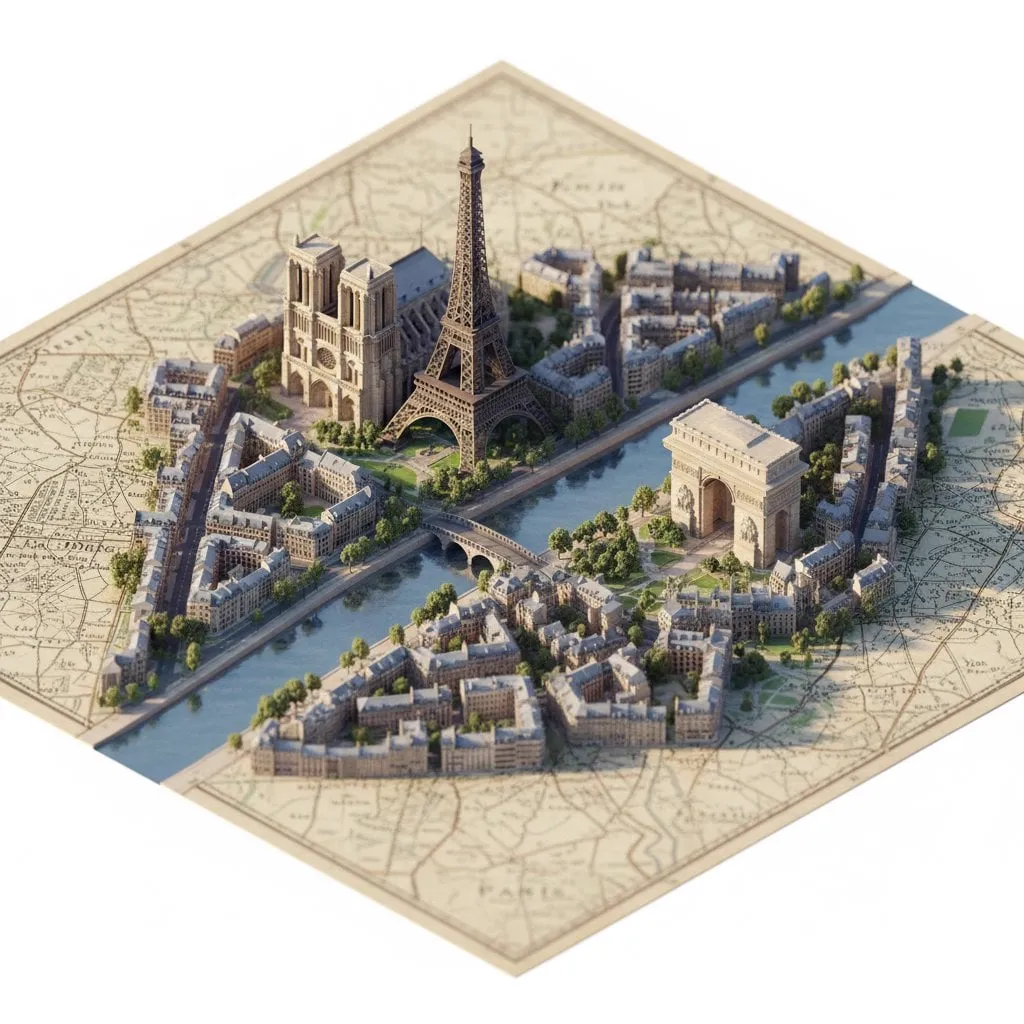
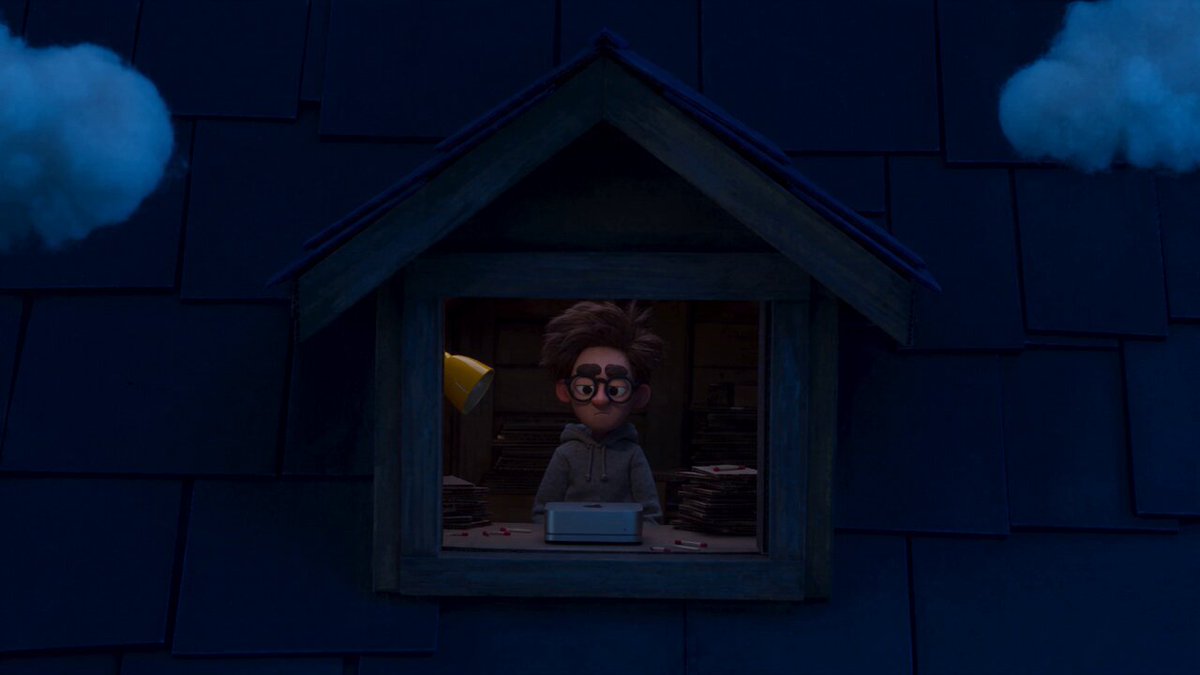
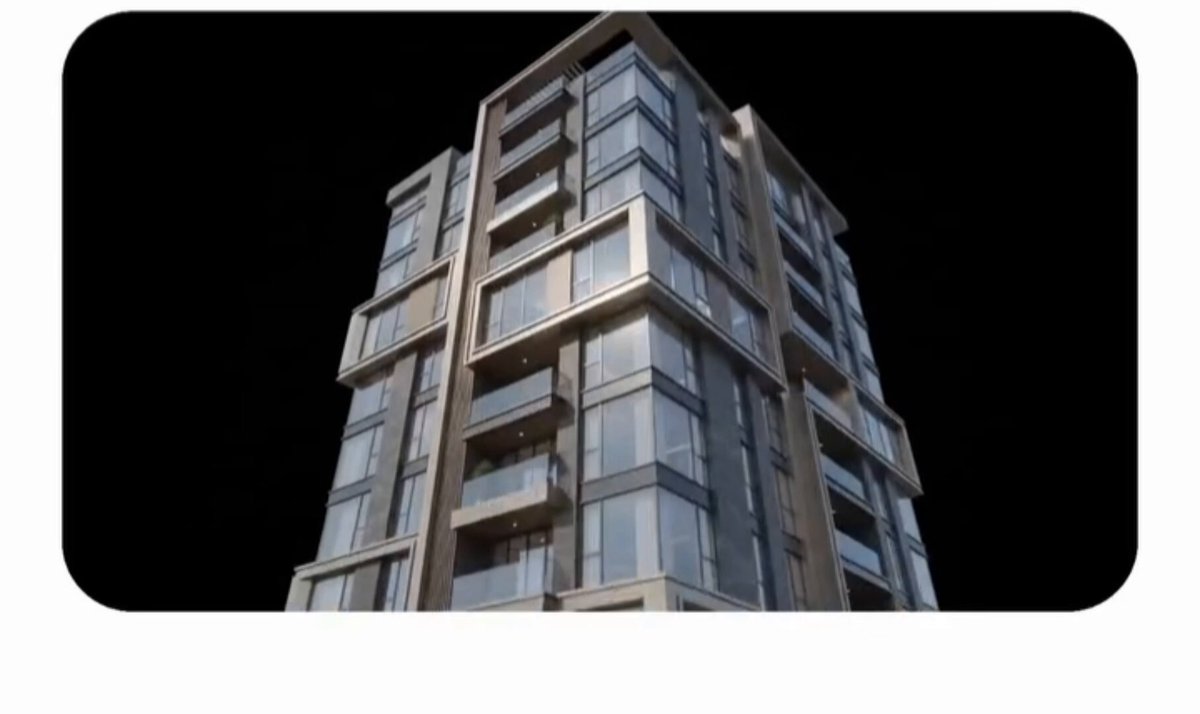
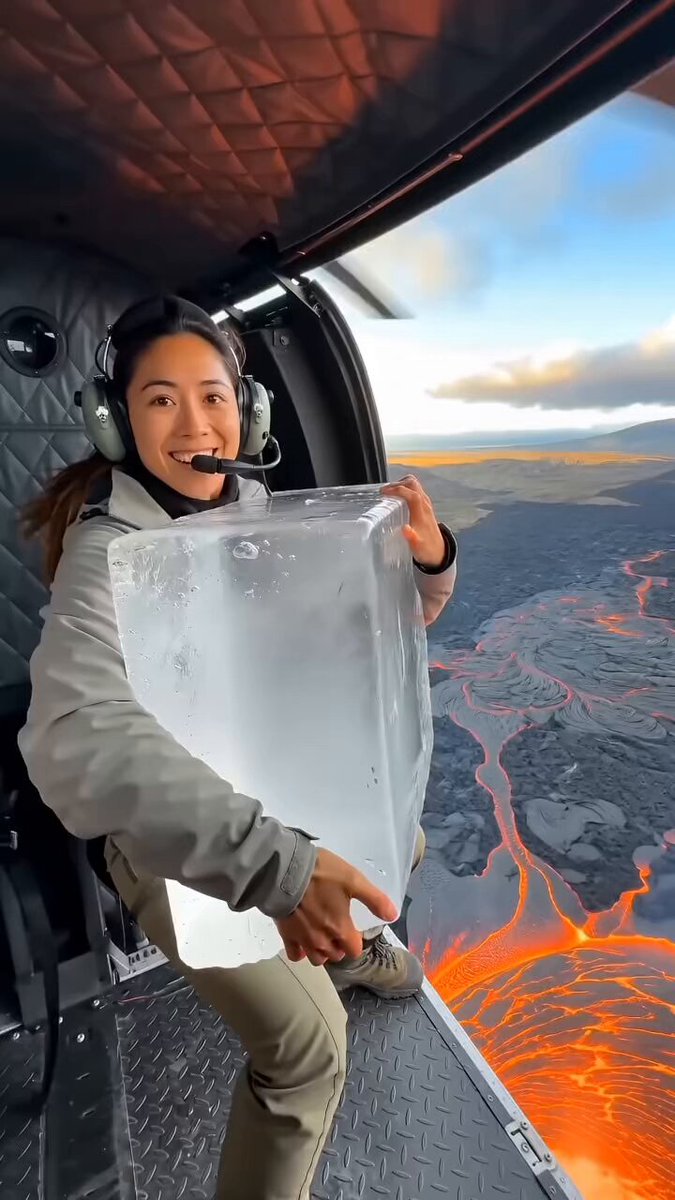
A few years ago, AI video was a demo genre. You typed a sentence, waited, and received eight seconds of melting faces and drifting architecture. The novelty was the point.
Today the same technology sits inside real production schedules. Marketing teams ship product films without a camera crew. Agencies prototype three campaign directions before lunch. Educators turn dense lessons into narrated explainers. Filmmakers previsualize complex sequences they could never afford to shoot as camera tests.
The shift is not that clips got prettier. It is that clips became directable. Modern models respond to camera language, hold a subject's identity across cuts, respect aspect ratios and frame rates, and accept reference images, depth maps, and motion hints. That changes the job from "generate something" to "generate the right thing, in the right order, at the right quality."
That is a workflow problem, not a button problem. This guide lays out a repeatable pipeline: how to choose a model, plan a sequence, write prompts that survive iteration, keep characters and products consistent, handle audio, finish the edit, and avoid the mistakes that quietly consume the most time.
The version of this workflow that actually works is boring in the best way. It is a shot list, a naming convention, and a handful of review gates. The teams producing consistently good AI video are rarely the ones with the most exotic prompts — they are the ones with the tightest process.
Choosing a Model: Decision Criteria That Actually Matter
Every few weeks a new model claims the top spot on a leaderboard. Leaderboards are useful for awareness, but they are terrible for decisions. What matters is which model fits the specific shot you need to produce today.
Motion fidelity and temporal coherence
Ask a simple question: does the model understand that objects persist? Look for warping limbs, morphing faces, and background elements that rearrange themselves between frames. Some models excel at short, stylized bursts of motion; others hold a slow camera push for ten seconds without artifacts. Match the model to the motion complexity, not to the hype.
Prompt adherence and instruction following
A model that produces beautiful footage but ignores half your prompt is expensive to work with, because you will burn renders chasing the shot you described. Test each candidate with the same three prompts: one simple, one with two subjects interacting, and one with explicit camera direction. Compare how closely each output matches the written brief.
Native resolution, aspect ratios, and frame rate
Vertical social formats, square placements, and widescreen deliveries all demand different framing. Generating at the correct native aspect ratio beats cropping later, because cropping destroys composition decisions the model already made. Check what the model outputs natively and how gracefully it handles a reframe.
Latency, iteration speed, and cost per usable second
The only cost metric that matters is cost per usable second. A cheap model that needs twelve attempts to get one good clip is more expensive than a premium model that lands it in three. Track how many generations a shot consumes before it clears review.
Commercial licensing and data handling
For client work, confirm how outputs may be used, whether inputs train future models, and what retention policies apply. This is a procurement question, not a creative one, and it belongs in the decision matrix from day one.
Ecosystem fit
Exports matter. A model that delivers clean ProRes or high-bitrate files and plays nicely with your editing suite saves hours downstream. Integration with reference-image conditioning, mask-based editing, and API access often outweighs a marginal quality difference.
A practical shortlist usually includes a generalist flagship for hero shots, a fast model for animatics and exploration, an image-to-video specialist for product and character work, and a local or self-hosted option when confidentiality or volume demands it. Tools like Runway, Kling, Luma Dream Machine, Pika, Veo, Sora, Hailuo, Wan, and Hunyuan Video each occupy slightly different niches, and ComfyUI-style node graphs remain the most flexible way to chain them.
Pre-Production: Planning Before You Render
The most expensive habit in AI video is prompting before planning. Every unplanned render is a guess, and guesses compound.
Build a shot list that maps to clips
Write the sequence as numbered shots with duration, subject, action, camera movement, and mood. Then, and only then, decide which shots are generative and which are practical, stock, or graphic. A ninety-second film might be twelve shots — eight generated, two stock plates, two typographic cards.
Write a style bible
A style bible is one page: palette, lighting direction, lens character, film grain level, motion energy, and a list of banned looks. It keeps a sequence coherent and gives reviewers something objective to react to. Without it, every stakeholder argues about taste instead of craft.
Inventory your assets
Collect reference stills, brand assets, product photography, wardrobe references, and any footage plates. The quality of image conditioning depends entirely on the quality of the references you feed in. A blurry product photo produces a blurry product shot, every time.
Set naming conventions early
Use a scheme like project_shot03_v04_approved. It sounds trivial until you have four hundred files and a client asking which version they saw last week.
Prompt Architecture for Reliable Text-to-Video
Prompting is not poetry. It is specification writing.
The five-part structure
A reliable prompt contains: subject, action, environment, camera, and style. "A ceramicist shapes a bowl, hands coated in slip, in a sunlit studio with dust in the air, medium close-up slowly pushing in, warm 35mm film look with shallow depth of field." Every element is a decision, and every decision reduces randomness.
Camera and lens language
Models respond well to conventional camera vocabulary: dolly in, tracking shot, crane up, handheld, static tripod, macro, wide establishing. Adding a lens reference — 24mm, 50mm, 85mm — influences both perspective and depth of field. Be specific but not contradictory; "slow dolly in while orbiting" confuses more than it directs.
Direct motion, not just subject
Describe what changes over time. "Steam rises and dissipates" is stronger direction than "a cup of coffee." Verbs of change give the model a trajectory to fill.
Iterate without losing the good take
Change one variable at a time. If a clip is 80 percent right, adjust the camera line or the lighting line, not the whole prompt. Keep a prompt log with one-line notes on what changed and what improved. This log becomes your team's real asset.
Negative direction and constraints
Many tools accept negative prompts: no text overlays, no extra fingers, no lens flare, no pedestrians. Constraint lists catch recurring failures faster than rewriting the positive prompt.
Consistency Across Shots: Characters, Products, Environments
Continuity is where amateur AI video becomes obvious. A character's jacket changes color, a product logo warps, a room reorganizes itself.
Reference images and image conditioning
Feed the model a locked reference for each recurring element: a character sheet, a product on white, a location plate. Image-to-video and multi-image conditioning dramatically improve identity retention compared to text alone.
Seeds, starting frames, and latent reuse
When a tool exposes a seed, reuse it for shots in the same scene. When it supports a starting frame, generate a still first, approve the still, then animate it. Approving a still is faster and cheaper than approving motion.
Product and wardrobe locking
For commercial work, treat the product as a locked asset. Generate the environment around it, or composite the real product in during post. Generative warping on a logo is a legal and brand problem, not just a visual one.
Know when to cut around inconsistency
Some continuity problems are cheaper to solve in the edit than in the model. Change the angle, insert a cutaway, or hide the transition under a whip pan or a sound hit. Editors have solved continuity for a century; use their tricks.
Image-to-Video and Hybrid Workflows
Pure text-to-video is only one lane. Hybrid pipelines are where professional output lives.
Storyboard to motion
Sketch or generate keyframes, approve the composition, then animate each frame with subtle motion. This gives you exact control over staging and eliminates the framing lottery.
Animating stills and archival images
Photographs can be brought into motion with careful depth-aware prompts. Keep movement restrained — a slight parallax or a gentle push reads as documentary; large motion on a flat image reads as a glitch.
Live-action plates plus generative elements
Shoot what is cheap to shoot and generate what is expensive. A real desk, a real hand, a generated background, a generated crowd. Roto and masking tools let you blend the two without a full VFX pipeline.
Practical compositing order
Generate at the highest sensible resolution, stabilize, then composite. Never upscale a clip you have not stabilized — you will bake the jitter in permanently.
Audio, Voice, and Lip Sync
Audio is half the perceived quality of a video and usually a tenth of the planning.
Voice generation and performance direction
Generate narration in short paragraphs, not one long take. Direct the performance the way you would direct an actor: pace, warmth, emphasis, pauses. Tools like ElevenLabs, Descript, and similar voice platforms handle delivery variation well when you give them punctuation and context.
Lip sync and dialogue matching
For on-camera dialogue, generate the video first where possible, then match the performance. If you must start from audio, keep lines short and faces large — lip sync accuracy drops sharply on wide shots and quick head turns.
Music and sound design
Generative music works best as a bed: ambient, rhythmic, or transitional. Layer in real foley — footsteps, cloth, clicks, room tone — because tactile sound is what makes generated imagery feel physical. A generated clip with no room tone sounds like a screensaver.
Build the audio timeline early
Rough audio first changes editing decisions. A cut that feels slow over silence can feel perfect over a music hit.
Editing, Upscaling, and Finishing
Assembly strategy
Cut for story first with placeholder clips, then replace. This prevents the common trap of falling in love with a beautiful shot that does not serve the sequence.
Upscaling and frame interpolation
Use dedicated upscalers such as Topaz Video AI or equivalent models in Resolve and similar suites. Interpolate frame rate only when needed — synthetic frames on fast motion create smearing.
Color consistency
Generated clips rarely match each other out of the box. Apply a shared look via LUTs or a color-managed grade so the sequence reads as one piece. Slight grain applied across the whole timeline hides residual differences.
Delivery specs
Export separate masters for widescreen, vertical, and square. Burn in captions for social, supply sidecar subtitle files for platforms that want them.
Quality Control and Common Mistakes
Run the same checklist on every project. It takes four minutes and saves reshoots.
- Faces: identity stable, eyes consistent, no melting at frame edges.
- Hands: finger count, joints, contact with objects.
- Text: any generated lettering removed or replaced with real typography.
- Physics: weight, momentum, liquid behavior, cloth.
- Continuity: wardrobe, props, time of day, background layout.
- Motion: no unnatural speed ramps or stutter.
- Audio: sync within a frame or two, no clipping, room tone present.
- Brand: logo geometry, color accuracy, legal disclaimers.
The most common mistakes are predictable. Prompting too long and contradictory. Chasing a flawless ten-second take instead of cutting two good four-second takes together. Skipping the still approval step. Ignoring audio until the end. Rendering a full sequence before locking the style bible. Treating every model as interchangeable instead of matching the tool to the shot.
One more: failing to archive prompts and settings alongside the exports. Six months later, reproducing a look is nearly impossible without them.
Frequently Asked Questions
How long should an AI-generated clip be?
Shorter than you think. Two to five seconds per generated moment gives the editor room to build rhythm, and it hides the point where most models begin to drift.
Do I need a powerful local machine?
Only if confidentiality, volume, or cost modeling demands it. Cloud tools handle most production needs; local setups like ComfyUI pay off when you are running hundreds of iterations or handling sensitive material.
Can AI video replace a camera crew?
For product inserts, abstract sequences, explainers, and animation, often yes. For performance-driven storytelling, human footage still leads. The strongest results usually blend both.
How do I keep a character consistent across many shots?
Lock a reference sheet, approve stills before animating, reuse seeds within a scene, and shoot coverage — multiple angles of the same moment — so the edit can hide the seams.
What is the biggest time sink?
Iteration without notes. If you cannot say what changed between two renders, you are guessing. Log every variation.
How much should I budget per finished minute?
Estimate by usable seconds rather than raw generations, and multiply by your realistic attempt rate. Then add post time — editing, sound, and grading still dominate the schedule.
Is AI video safe for commercial use?
It depends on the model license, your subscription tier, and your client's risk tolerance. Confirm usage rights, training-data policies, and disclosure requirements before delivery.
Where should a beginner start?
Pick one tool, produce a thirty-second sequence with six shots, and take it all the way through audio and grading. Finishing one small project teaches more than testing twenty models.
The Workflow Is the Advantage
AI video tools will keep changing. Interfaces will move, models will be superseded, and today's best-in-class clip generator will be tomorrow's baseline. What survives all of that is a disciplined pipeline: plan the sequence, choose the model for the shot, specify the prompt as a brief, lock references, approve stills, direct the audio, cut for story, and run the checklist.
Build that pipeline once and it becomes portable. A new model simply slots in as another tool at the right stage. That is the difference between chasing trends and producing work that consistently ships.
