

Introduction
Choosing an AI video generator is getting harder precisely because the tools are getting much better. A year ago the question was whether any model could produce plausible moving footage from text. Today the question is which model to use for the look, the motion and the budget you have. Kling and PixVerse lead the consumer-facing pack, while a new generation of fast, multimodal models from major labs keeps moving the bar.
This is a practical comparison, not a spec-sheet shootout. I will explain how the main families behave, what each one is genuinely good at, and how to pick across a mixed workflow instead of betting your whole project on one engine.
How AI video generators differ under the hood
All of these models take prompts, images or a mix and produce video, but the way they decide each frame changes the result. Three differences matter most when you use them.
Prompt understanding and adherence
Some models excel at turning a description into exactly the scene you asked for, respecting details like materials, counts and spatial relations. Strong prompt adherence saves you time because you get closer in fewer attempts. Weak adherence means more redos and more prompt tweaking.
Motion and physics
How a model handles camera movement, object interaction and the behavior of materials separates an impressive clip from a convincing one. The best models keep the physics believable, with consistent lighting and weight, while weaker ones produce wobbly or unnatural motion, especially in fast action.
Multimodal input and consistency
The new generation increasingly accepts image and video input, not just text. This lets you guide a scene with a reference image of your character or product, or transform an existing clip. Better multimodal input directly enables character consistency, which is the hardest problem in AI video.
Kling: precision and control
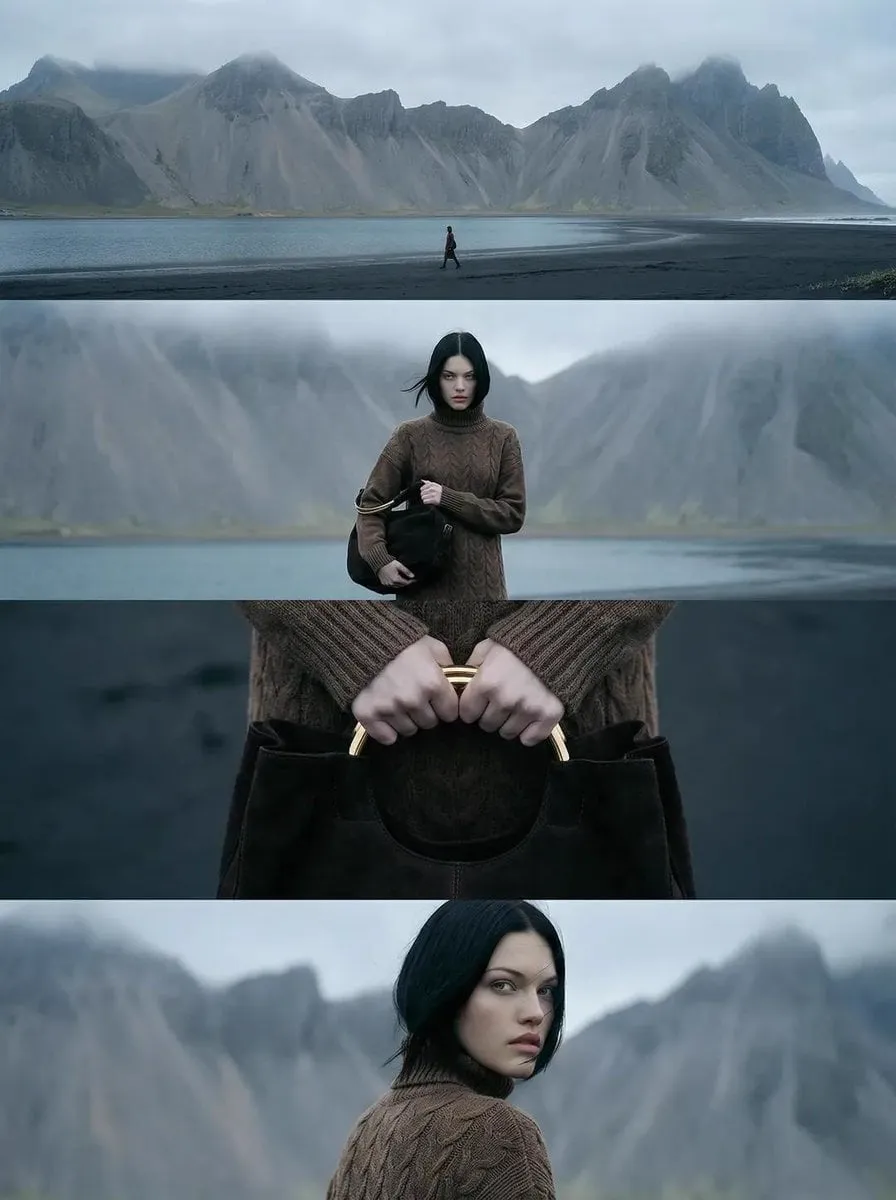
Kling, from Kuaishou, built its reputation on strong prompt fidelity and a serious, cinematic feel. It gives you reliable control over what the scene looks like and how the camera behaves, which makes it a favorite for polished, narrative-driven content.
What Kling does best
Kling shines at faithful translation of a prompt into footage, detailed scenes, and stable, controlled camera moves. If you have a precise vision and want the model to respect it, Kling is a strong first choice. Its professional mode adds finer control over parameters, which suits creators who treat generation like direction rather than luck.
Where Kling can slow you down
Its strength is discipline, not chaos. Highly experimental or art-directed looks may be easier to get from more expressive models. And because it is built for control, Kling usually rewards careful prompting more than a freeform tool. Budget for iteration: you will spend time getting the prompt right.
PixVerse: creativity and cinematic freedom
PixVerse approaches generation from the other side. It is built to give you room to experiment, with a strong emphasis on creative freedom, effects and the ability to shape the look of the shot. Filmmakers who want a distinctive style or who are making stylized, eye-catching content tend to reach for it.
What PixVerse does best
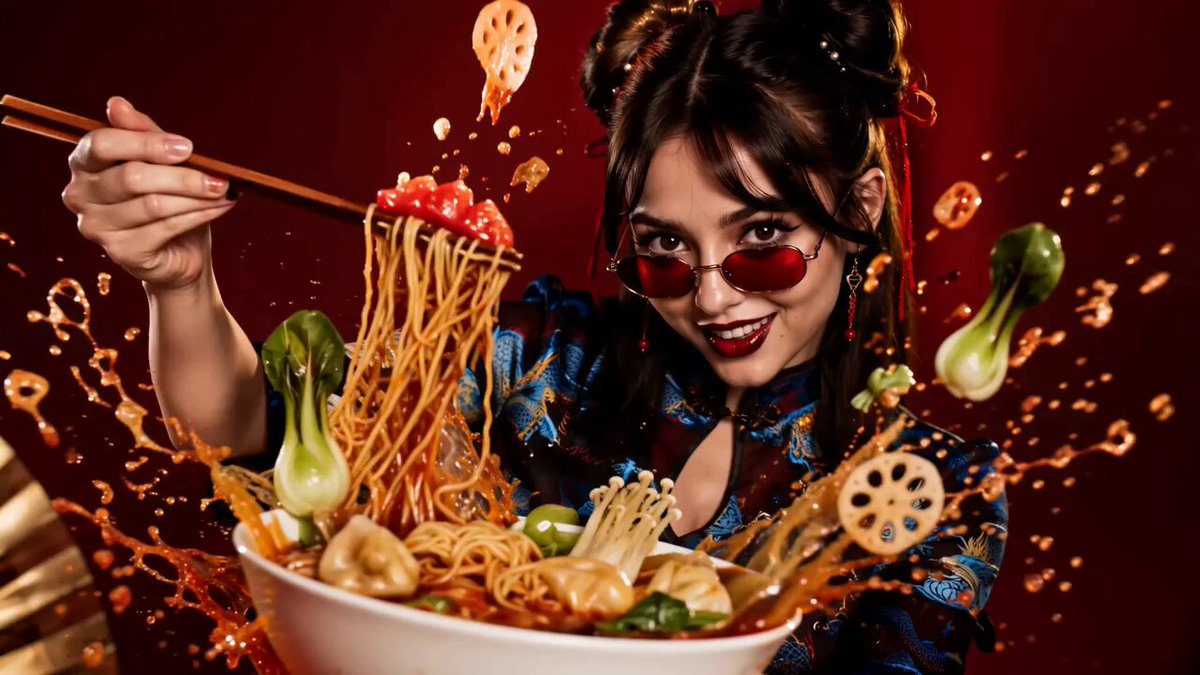
PixVerse is famous for its extensive lens and camera controls, and for translating ambitious, artistic prompts into vivid scenes. It handles dramatic lighting and stylized aesthetics well, and its fast tier keeps iteration cheap. If you want a clip that pops and moves creatively, PixVerse delivers that energy.
Where PixVerse can slip
Creative freedom cuts both ways. When you need absolute consistency, strict adherence to a specific reference, or very literal matching of a technical prompt, PixVerse may take more nudging than Kling. It rewards lively input and tolerates artistic experimentation better than tight, literal briefs.
The new generation: fast, multimodal and integrated
Beside the specialist brands, a new class of models is emerging from major labs, including fast multimodal systems that accept images and video as first-class input. These are often cheaper per generation, extremely quick, and increasingly capable of keeping a character or object consistent across scenes.
The practical payoff is workflow. Because they accept rich input, you can describe a scene, attach a reference image of your protagonist, and get footage that fits your existing pipeline. Their speed makes them ideal for the cheap, high-volume iterations you need while locking in a look before spending on a premium render.
The trade-off is that the biggest, most dramatic single shots still tend to land with the purpose-built engines. The winning strategy for many creators is to use a fast new-generation model for exploration and transitions, then switch to a specialist model for the hero shots that define the piece.
Building a mixed workflow
Do not force one tool to do everything. A realistic production uses each model where it earns its place.
Start with a fast, multimodal model to test hooks, pacing and rough looks for the whole piece. This is your sketchbook, and it should be cheap and quick. Once you have locked the direction, produce the opening and climactic shots with a specialist model that offers the control and fidelity they demand. Use a middle tier for transitions, backgrounds and supporting shots where raw speed matters most. Finally, keep the character references shared across every model so the protagonist looks the same throughout.
Document what worked in each generation, including the exact prompt and settings. That log becomes a reusable playbook and prevents you from rediscovering settings every project.
What nobody tells you about cost and time
Great prompts are a bankable skill. A carefully written prompt often saves several generations, which means less time and lower spend. Learning how to describe framing, lighting and motion precisely is the highest-leverage thing you can do, more than chasing the newest model.
Factor iteration into your plan. Expect to reject a meaningful share of early generations and budget for that. And watch the software ecosystem around the models: scheduling renders, batching and storage all affect your real throughput. An integrated platform that handles queueing and versioning usually pays for itself in sanity.
Choosing the right generator for your project
Decide by the nature of your content. For narrative shorts and brand work where consistency matters, build your pipeline around Kling-style precision. For stylized, energetic social content and creative experimentation, PixVerse-style freedom fits better. For maximum volume and multimodal workflow, adopt a fast new-generation model as your workhorse.
Match the model to the shot, not the whole project to one model. A single creative project often benefits from all three, used at the moments they are best at.
Frequently asked questions
Is Kling or PixVerse better?
Neither is universally better. Kling is stronger for prompt fidelity and controlled, cinematic output; PixVerse is stronger for creative freedom, effects and stylized energy. Choose by the look and control your project needs.
Do I need the newest model to get good results?
No. The newest models are faster and more multimodal, but the specialist engines still win at fidelity and dramatic hero shots. The newest tools are best used for volume and exploration.
Can I keep the same character across different generators?
Yes, if you share consistent reference images and let the later model read them. Reference-consistent prompting is the practical way to keep a protagonist stable across a mixed workflow.
How many attempts does a good clip take?
It varies, but a meaningful rejection rate is normal. The best fix is a stronger prompt and a shared reference, which raises the hit rate faster than rendering more.
Final thoughts
The era of a single best AI video generator is over. Kling gives you control, PixVerse gives you freedom, and the new multimodal generation gives you speed and workflow. Use each where it excels, keep your characters consistent with shared references, and treat a clean prompt as your most valuable asset. Build that habit and your videos will keep improving even as the models keep changing.
A practical decision matrix
Putting it all together, here is a shorthand for choosing. If you need literal prompt adherence and controlled, cinematic output, reach for the Kling family. If you want stylized energy, effects and creative freedom for social content, favor the PixVerse family. If you need speed, volume and multimodal input in a reusable workflow, work with a fast new-generation model. If you are making a long, consistent narrative, build around whatever keeps your character stable, and use speed models only for exploration.
For every shot, ask three questions: how literal must this be, how expressive should it feel, and how fast do I need it? The answers point you to the right engine almost every time.
A worked example: a 30-second product story
Consider a thirty-second social ad for a product. You need a hero shot that stops the scroll, a few support clips that explain the product, and a consistent look across all of them. Practically, you would write one clean brief describing the product, the mood and the call to action. You would generate a fast rough of the full sequence with a speed model to test pacing and hooks. You would produce the opening hero shot and the close-up money moment with a control-focused model for fidelity, then reuse the shared product reference for the supporting clips. Finally you would cut, grade lightly to unify the color and match the track to the scenes.
The same brief, reworked for each layer, gives you a complete piece that only used each model where it earned its place. That is the whole point of a mixed workflow.
How to keep a project consistent across models
Consistency is the risk of mixing generators, and it is solved with discipline rather than magic. Establish a shared reference set at the start: the same images or footage of your character and product for every model. Write a consistent style block at the top of every prompt describing framing, lighting and palette, and reuse it verbatim. Grade all output through the same final color correction so tonal differences between engines disappear.
Then audit. Compare your hero shots to your support clips before you publish and fix mismatches in the grade. When the models change, expect to revisit the style block. A small consistency protocol beats hoping the engines agree on their own.
How the models are evolving
Understanding the direction the tools are heading helps you invest where it counts. The clearest trend is multimodal input becoming the default, where images and video are first-class citizens, not additions. That favors character consistency and lets creators guide output more directly. Speed is improving without sacrificing quality, which pushes the cheap tier upward and makes iteration cheaper. Integration is also consolidating, so choosing an ecosystem with queuing, storage and versions matters as much as raw generation.
Rather than chasing every release, evaluate new tools against the three axes: fidelity, freedom and speed. Pick upgrades that improve the axis your work actually needs.
The skills that still decide your results
No matter how much the models improve, some skills stay decisive. Prompt writing that is precise about framing, light, motion and material is the difference between a lucky clip and a reproducible one. The ability to build reliable references keeps characters and products consistent across scenes and engines. And a disciplined workflow that records, documents and reuses what works makes every model you use more productive.
The creator is still the director. These tools are faster brushes, not replacement artists. The better you are at direction, the more the tools amplify you.
Frequently asked questions
Should I buy one tool or several?
Start with one generator and learn it. Add a second, complementary engine only when you hit a ceiling on fidelity or speed. A mixed workflow is powerful, but only once you can run each tool confidently.
Can I reuse a prompt across generators?
Partly. The style block and subject can carry over, but motion and fidelity behave differently per engine, so expect to adapt. Keep a shared reference set and a reusable prompt template.
Is it worth learning the cheapest model first?
Yes. A fast, cheap model teaches you prompting and workflow with little cost. Apply that skill when you move to premium engines for the shots that need them.
How do I know a model is really better for me?
Test on your actual content, not hype. Run the same brief through the old and new tool, compare fidelity, speed and cost, and decide with your own numbers.
