
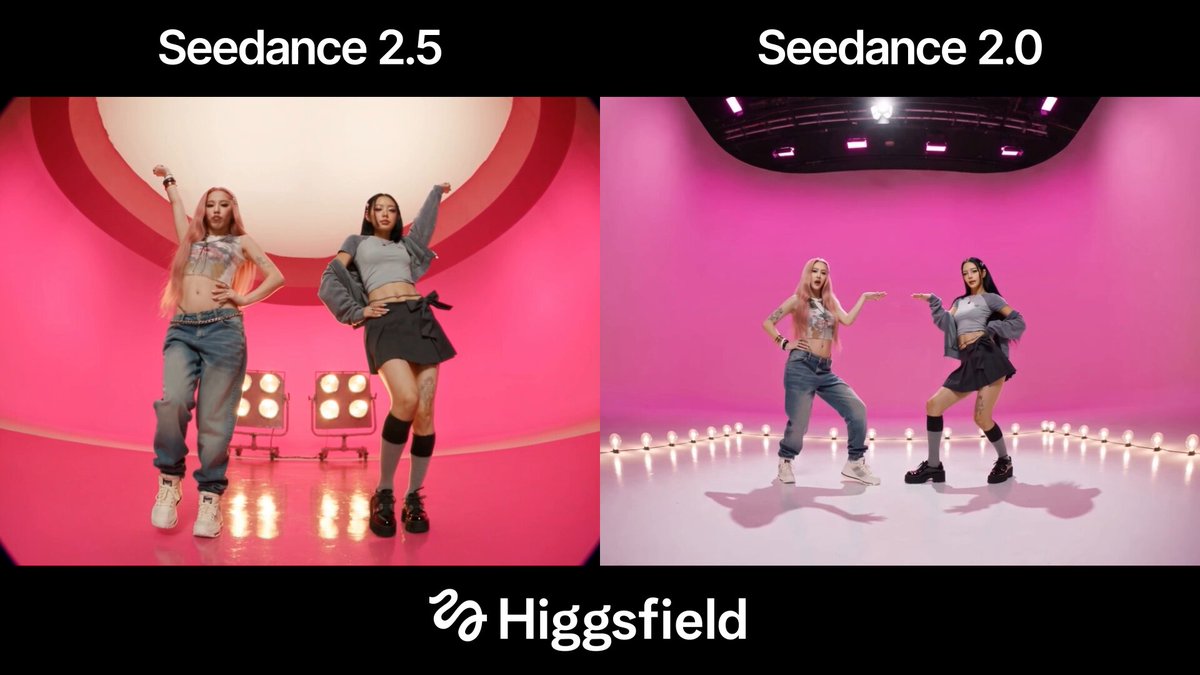
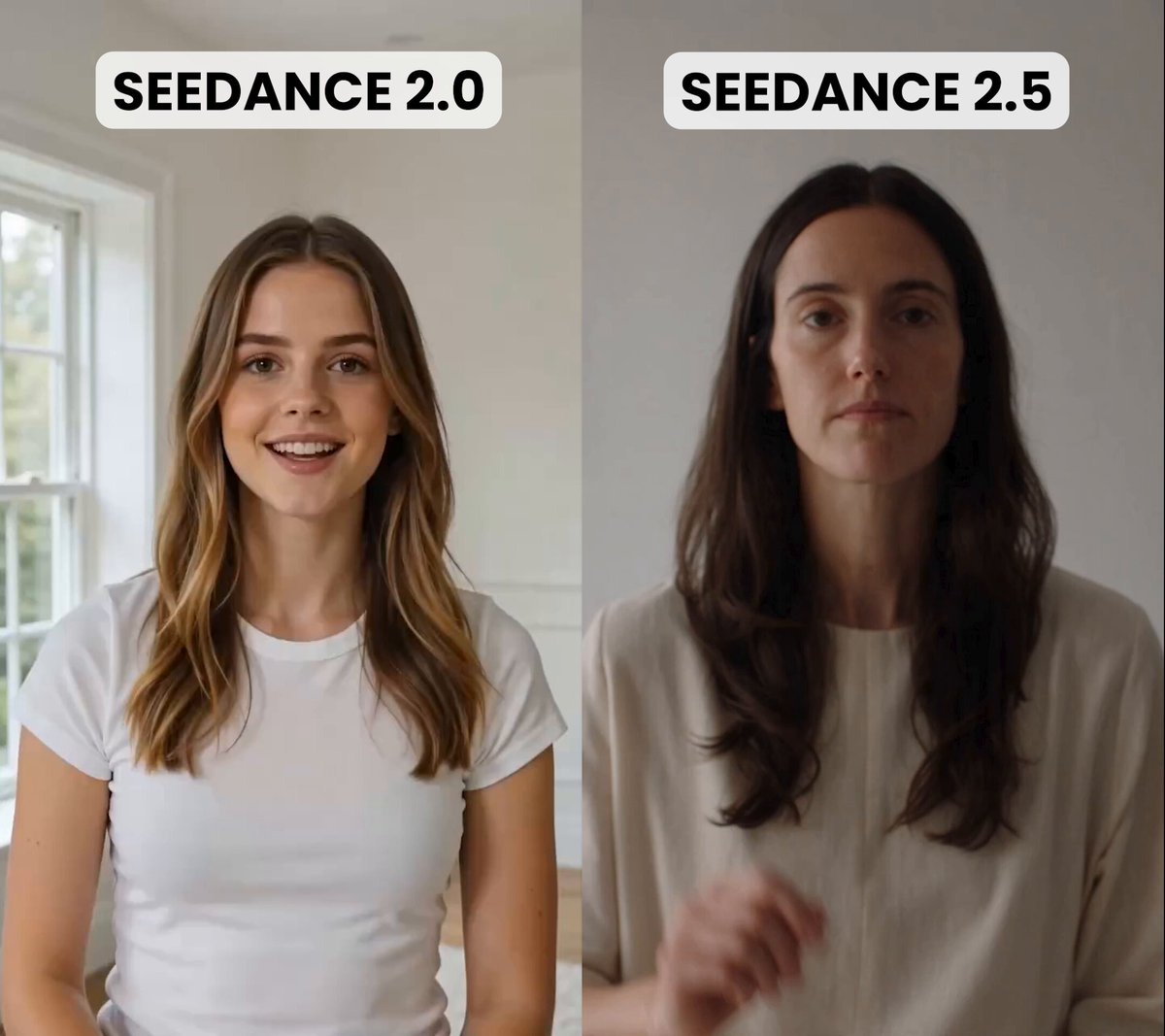
Video generation stopped being a single race. The early competition was about resolution and clip length; today it is about personality. Some systems chase the look of a photographed frame — believable lens behavior, skin texture, lighting that falls off the way a good gaffer would plan it. Others chase motion energy: dance, impact, transformation, the visual grammar of a music video. A third group exists mainly to be fast, so you can test an idea before committing serious render time to it.
That specialization is good news if you are producing real work, because no single system is best at every shot in a sequence. It is frustrating if you want one definitive recommendation. The practical answer is a small stack: one fast model for exploration, one high-fidelity model for hero shots, and a written protocol for deciding which shot goes where.
Why the Landscape Split Into Specialists
Three technical shifts pushed the category apart.
Longer coherent clips. Generations now routinely hold five to fifteen seconds without dissolving into morphing shapes. That is long enough to build a scene from two or three shots instead of a dozen micro-clips, which changes how you write a shot list.
Multimodal conditioning. Modern systems accept more than text: a reference still, a previous clip, a depth pass, a pose skeleton, or an audio track. Conditioning is what turned generation from gambling into directing.
Explicit control surfaces. Start-frame and end-frame pinning, motion brushes, camera directives, and character reference images give you levers that map onto how filmmakers already think about a scene.
The market then split along aesthetic and workflow lines rather than raw capability. Photoreal cinematic systems such as Runway, Veo-class models, and Luma are built for advertising, brand films, and narrative scenes where the image has to feel captured. Motion-first and stylized systems such as PixVerse, Pika, Kling, and Hailuo-class models are built for expressive movement, anime aesthetics, transitions, and social-native content. Draft and open-weight options such as Wan and LTX-Video, plus lighter hosted variants, exist to be cheap and fast.
Model Rankings Age Quickly
Any ranking is a snapshot of a moving target. Feature gaps close within weeks, and the weakness that defined a system last quarter may be patched before your current project ships. What stays stable is the evaluation method: a small test set built from your own requirements, re-run whenever a new version appears. That habit outlives every recommendation, including the ones below.
How to Run a Fair Model Comparison
Most comparisons fail because they test the wrong thing. A demo prompt with one subject in soft light flatters every system. Your project will not look like that.
Build a Test Set From Your Own Requirements
Write fifteen to twenty prompts that mirror the shots you actually need. Cover the hard cases deliberately:
- a close-up of a face turning toward camera
- two people in frame, one speaking
- hands manipulating a small object
- a wide landscape with one moving element
- a product rotating on a surface
- fast lateral motion ending in a hard stop
- a stylized transition or transformation
- a shot with text or a logo visible in frame
Keep the prompts frozen for the whole test. Only the model changes. If you rewrite prompts between systems, you are measuring your own writing rather than the tool.
Score on a Fixed Rubric
Rate every output from one to five on each of these and keep the sheet:
- physical plausibility
- detail retention after motion
- obedience to camera direction
- identity stability across shots
- audio and lip sync quality, where relevant
- time to a usable take
That last metric is the one people skip and the one that matters commercially. A system that produces a beautiful frame on the twelfth attempt can be slower in practice than an apparently weaker system that lands an acceptable frame on the third.
Keep the Comparison Honest
Fix aspect ratio, resolution, and frame rate across candidates. Reuse the same seed when a system exposes one. Review blind where possible: label outputs A, B, and C, score them, then check which model produced which. Re-run the set after major updates and keep dated notes, so you are arguing from evidence instead of memory.
Evaluating Output Quality: Realism, Motion, and Consistency
Physics and Detail Retention
Watch for the classic tells: hands that melt, reflections that ignore their subject, cloth that flows like water, liquids that defy gravity, faces that rearrange themselves mid-turn. Then run a separate detail test. Does a fabric pattern survive movement? Does a logo stay legible? Does a face keep its features when the subject walks out of the key light? Judge the final frame at full size, not the thumbnail.
Camera Language and Motion Range
Test static framing first, then tracking, orbit, crane, and handheld. Some systems understand camera vocabulary unusually well — slow dolly in, 35mm lens, shallow depth of field genuinely produces a different frame from wide shot — while others return the same generic push no matter what you ask. Find the amplitude ceiling where motion breaks. Most models handle a walk convincingly and a sprint poorly.
Identity and Scene Stability
Generate the same character in three shots under three lighting conditions, then compare. Two techniques dominate. Reference-image conditioning lets you supply a portrait or character sheet. Last-frame chaining lets the final frame of one generation become the opening frame of the next. If your story depends on a recurring face, consistency capability should outweigh every other line on your score sheet.
Audio, Lip Sync, and Multimodal Inputs
Native audio moved from post-production into the generation step for several model families, and the quality gap between them is wide.
Test lip sync where it usually fails: in profile, in motion, and on an emotional beat rather than a neutral read. Frontal static dialogue is the easy case and almost always looks fine. Check whether you can supply your own audio track, and whether the system generates ambience or leaves sound design entirely to the edit.
Multimodal input matters more than many creators expect. Driving a generation with a still, a motion reference, and a depth pass gives you three independent dials instead of one. If you work inside a pipeline with 3D or compositing, that interoperability is often worth more than a slightly better default look.
Scene Control: Start Frames, End Frames, and Motion Brushes
Pinning both ends of a shot is the most useful control in modern generators. You generate or select an opening still, generate or select a closing still, and the model interpolates between them. Luck becomes intent.
Use it for transformations, match cuts, product reveals, and any shot where the final composition carries narrative weight — a door closing, a hand reaching a handle, a logo settling into frame.
Two rules make it work. Keep the visual distance between the two stills modest, because interpolation is smooth when lighting direction, framing, and subject scale stay related. And treat the end frame as a real art decision rather than an afterthought. If you cannot describe a plausible final frame, you have not designed the shot yet.
Motion brushes and region-based direction solve a different problem: they let you say this part moves, that part stays still. They are the cleanest fix for shots where the background should be locked while the subject moves, or where you want atmosphere drifting through a static frame.
When Image-to-Video Beats Text-to-Video
If identity, product design, or layout accuracy matters, generate a still first and animate it. Text-to-video is best for atmosphere, backgrounds, abstract texture, weather, and shots where the subject is generic. Deciding this per shot rather than per project is one of the clearest markers of an experienced operator.
A Repeatable Prompt Structure
The Five-Slot Skeleton
Fill these slots in order for every shot: subject, action, setting, camera, light and style. Add audio notes only if the system supports them.
Example: a ceramicist shapes a bowl on a wheel, hands wet with clay, in a sunlit studio, medium shot pushing in slowly, warm afternoon light, 35mm.
The order matters less than the discipline of filling every slot. Missing slots are where randomness enters.
Motion Verbs and Timing Cues
Verbs carry most of the motion information. Turns, steps, reaches, settles, glances, lifts behave far more predictably than dances, fights, explodes, transforms. Timing cues — slowly, pauses, then speaks, in one continuous motion — help the model distribute action across the clip instead of finishing it in the first second and idling for the rest.
Negative Constraints, Used Sparingly
Negative prompts help with specific artifacts: no text overlay, no extra limbs, no flicker. Support varies by system, so verify rather than assume. Avoid vague quality words such as epic, cinematic, masterpiece, or high quality. They describe nothing a model can act on and often push output toward a generic look.
Prompt Recipes for Common Shot Types
Dialogue close-up. Medium close-up of a woman in a grey coat, she pauses, then speaks, standing in a doorway, static camera, overcast daylight, 50mm. Keep the camera still and let the performance carry the shot.
Product hero. Generate the still first, then animate a slow rotation. A matte ceramic bottle on a stone surface, slow thirty-degree rotation, static camera, soft studio key with a long shadow, 85mm.
Establishing landscape. Aerial shot drifting forward over a pine valley at dawn, mist between the trees, slow forward push, cool blue light with a warm horizon, 24mm. Text-to-video handles this well because nothing needs to stay identical.
Transformation or transition. Use start and end frames. Match cut from a boiling kettle to a steam-filled city street, or a pencil sketch that resolves into a finished photograph.
Crowd and energy. A night market, people walking in all directions, handheld camera drifting left, warm practical lights. Accept that individual faces will blur; direct attention with motion and light instead.
Recording what worked. When a shot succeeds, save the prompt, seed, resolution, motion strength, and references in a shared document. A prompt that worked once and cannot be reproduced is worth very little when someone asks for a variation.
An End-to-End Production Workflow
Plan the Shot List First
Write what each shot must communicate, not what it should look like. Mark which shots need a recognizable face, which need precise product geometry, and which are pure atmosphere. That annotation alone decides where expensive renders go and where you can be loose.
Approve Stills Before Animating
Generate or photograph key frames and lock composition and lighting while changes are cheap. A still costs a fraction of a video generation and is far easier to review with a client. Most disagreements about the look are settled faster before motion is involved.
Draft Motion Cheaply
Use a fast model for timing and blocking. Export five or six variants per shot, choose the strongest, and note the settings. You are answering questions about pacing, screen direction, and whether the idea reads at all. Polish is irrelevant at this stage.
Lock and Re-render
Re-run approved shots on the higher-fidelity model using the same prompt and seed where supported. Expect composition to shift slightly, and budget one or two adjustment passes per hero shot.
Assemble and Unify
Normalize everything on the timeline: one aspect ratio, one frame rate, one color grade. A consistent edit hides more tonal difference between generations than any prompt can. Add sound design, then grade as a single pass across the whole sequence so the result does not look like a patchwork.
Build a Shot Bible
Before generating anything, write a one-page document: character sheet, wardrobe, color palette, lens choices, aspect ratio, frame rate, and time of day. Reuse approved background stills as conditioning images so locations do not drift. Reuse the same character reference for every appearance of that character, even in shots where the face is small.
A Realistic Two-Day Rhythm
Day one is planning, stills, and drafts: lock the look, block every shot with a fast model, and collect approvals. Day two is finals, assembly, sound, and grade. If day two turns into rendering experiments, the shot list was not specific enough.
Common Mistakes, Troubleshooting, and Quick Fixes
Overloading a Single Prompt
Two subjects, three camera moves, and a costume change in one generation will fail. Split the idea into more shots. Most complaints that a model cannot do something are really cases of asking for too much at once.
Chasing Consistency With Words Alone
Describing a character in text never holds identity across shots. Use reference images and frame chaining. Text is for mood; images are for identity.
Ignoring Delivery Specifications
Generating a square, silent, 24fps clip for a vertical platform with sound means rework. Decide format, duration, and audio requirements before the first generation. It takes two minutes and saves days.
Quick Fixes
- Flicker and texture crawl: shorten the clip, reduce motion amplitude, add a lighting-stability phrase.
- Identity drift: add a character reference, keep framing wider, avoid extreme close-ups across cuts.
- Frozen or rubbery motion: raise motion strength, simplify the action, remove competing camera verbs.
- Color shift between shots: fix it in the grade, not the prompt. Prompts change composition too, and you may lose the take you liked.
- Muddy wide shots: generate a still first, then animate it. Wide text-to-video is where detail collapses fastest.
- Hands in frame: keep them small, keep them still, or reframe. This remains the most reliable fix.
Not Archiving Settings
If you cannot reproduce a shot, you do not really own the workflow. Store prompts, seeds, and references with the project file, and name files so a colleague can find the take you approved.
Decision Criteria: Access, Rights, Budget, and Project Fit
How You Get Access
Systems meter usage differently: flat subscription tiers, usage-based allowances that scale with duration and resolution, per-render pricing, or self-hosted options for open-weight models. Map your expected volume against each option before committing. A team producing two hundred short clips a month has a very different cost curve from a studio producing ten hero shots.
| Access model | Works best for | Watch out for |
|---|---|---|
| Flat subscription | Steady, predictable output | Caps that reset unexpectedly |
| Usage-based allowance | Bursty project work | Longer clips consuming faster |
| Per-render pricing | Occasional hero shots | Experimentation getting expensive |
| Self-hosted open-weight | High volume, privacy needs | Setup, maintenance, hardware |
Commercial Rights and Content Rules
Licensing terms vary between providers and change more often than people assume. Check current terms for commercial use, client work, and any category restrictions relevant to your industry before publishing anything client-facing. In regulated sectors, read the policy yourself rather than trusting a summary.
Speed Versus Fidelity
The most useful planning question is not which model is best but how many attempts a usable shot takes. Multiply attempts by generation time and you get the real cost of a shot. Often the winning setup is a cheap model for exploration plus a premium model for finals, rather than one expensive model used for everything.
Matching Project Type to Model Personality
- Social loops, effects, transitions: motion-first, stylized systems
- Product and brand films: photoreal systems with strong lens behavior
- Narrative shorts: both, plus frame chaining for continuity
- Anime and music videos: stylized models with expressive motion
- Previz and storyboards: draft or open-weight models, no polish needed
- Interview-style content: systems with native audio and reliable lip sync
Run a one-day bake-off before a large project: same test set, three candidates, one afternoon, one score sheet. Your own results will beat any general recommendation.
FAQ
Do I need more than one tool?
For professional work, usually yes. One fast model for iteration and one high-fidelity model for final renders covers most projects.
How long should a single generation be?
Five to ten seconds is the reliable range. Longer clips tend to degrade in the second half unless the system natively supports extensions.
Why does the same prompt give different results each time?
Generation is stochastic. Locking a seed reduces variation, but small wording changes still shift framing and timing noticeably.
Is image-to-video always better than text-to-video?
For identity and design accuracy, yes. For abstract or atmospheric shots, text-to-video is faster and often equally good.
How many attempts should I budget per usable shot?
Five to ten generations is a realistic starting assumption. Reference images and frame pinning reduce that considerably, especially for character work.
Can I mix models within one scene?
Yes, and it is common. Match the grade and frame rate in the edit, and keep camera direction consistent across the cut so the scene reads as one continuous space.
What is the fastest way to improve output quality?
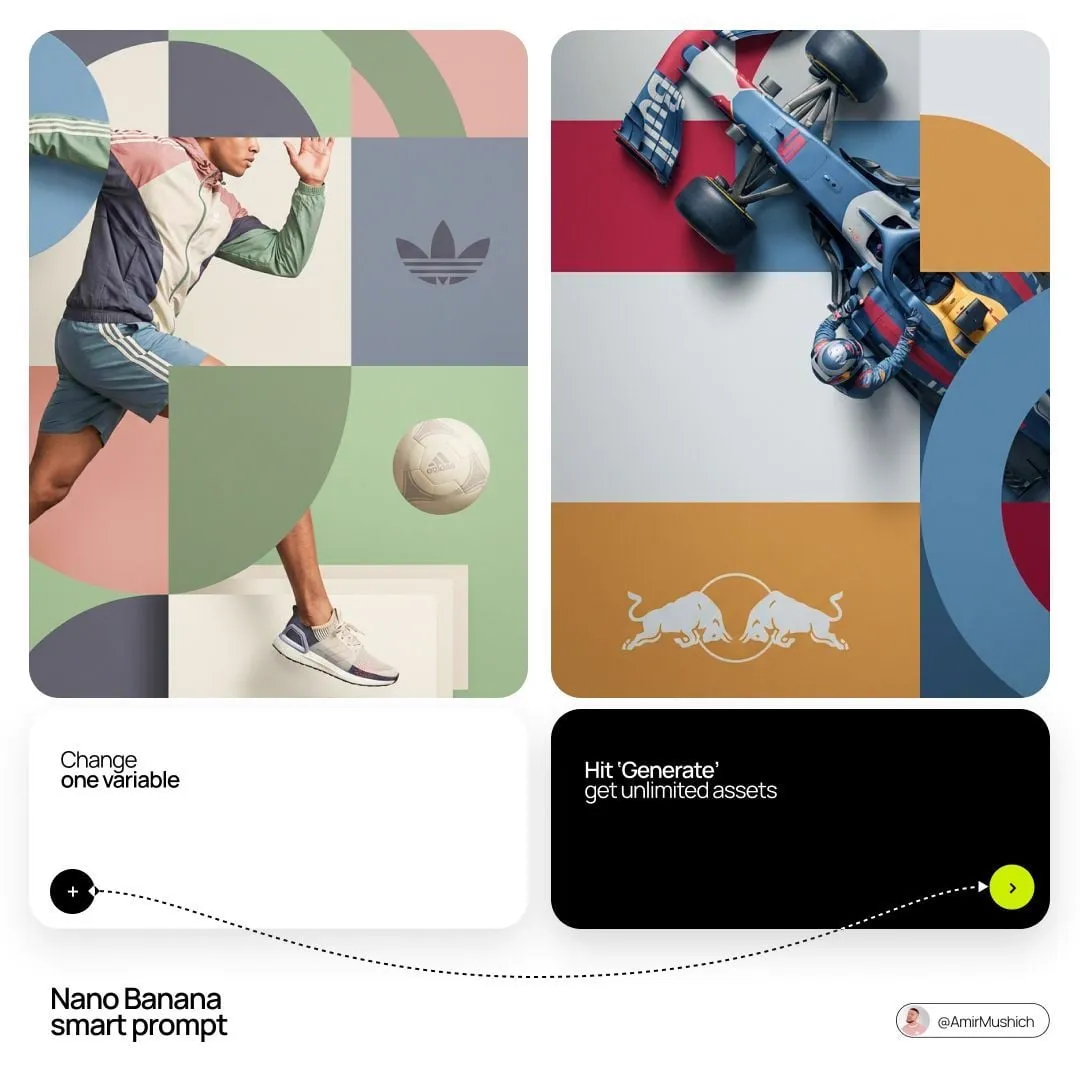
Stop writing longer prompts. Approve stills first, change one variable at a time, and keep a record of what worked.
Should I fine-tune a model on my own footage?
Only if you have a recurring style or character that justifies the setup effort. For most projects, reference-image conditioning delivers most of the benefit at a fraction of the work.
