

Video generation has reached the point where the limitation is rarely the tool and almost always the decision about which tool fits the job. One project calls for photorealistic footage that could pass for a film set; another asks for a bright cartoon that reads instantly as animation. In the past you would have switched entirely separate software for each style. Today, a single production platform can route you to many different video models, each tuned for a different aesthetic. This guide maps the range of AI video generators, explains how to match the model to the style, and shows how to keep consistency across a project that spans multiple looks.
Style freedom is the biggest advantage of a model library
The most liberating consequence of working with many models is that you stop compromising on style. You can run a photorealistic sequence for the hero product shots and switch to a stylized animated cut for the explainer, all within one project, without re-exporting files or rebuilding pipelines. This style freedom lets the visual language serve the story rather than the other way around.
The trade-off is that you must learn when each model performs best. A model that excels at realism may struggle with a consistent cartoon identity, and a stylized model may not capture a realistic face. Knowing the strengths of your library is what turns a toolbox into a production advantage.
Matching model to aesthetic intent
Before generating, decide the target look explicitly. Write a one-line style statement: "photorealistic documentary", "pixar-like animated", "anime concept art", "low-poly game asset". Then choose the model whose output matches that statement most naturally. This habit prevents the common failure of fighting a model against its strengths.
For a mixed piece, plan the style boundaries in advance. Decide which sections are photoreal, which are stylized, and how the edit will bridge them. A deliberate style contrast, handled at the cut, looks intentional and artful.
The leading edge of photorealistic generation
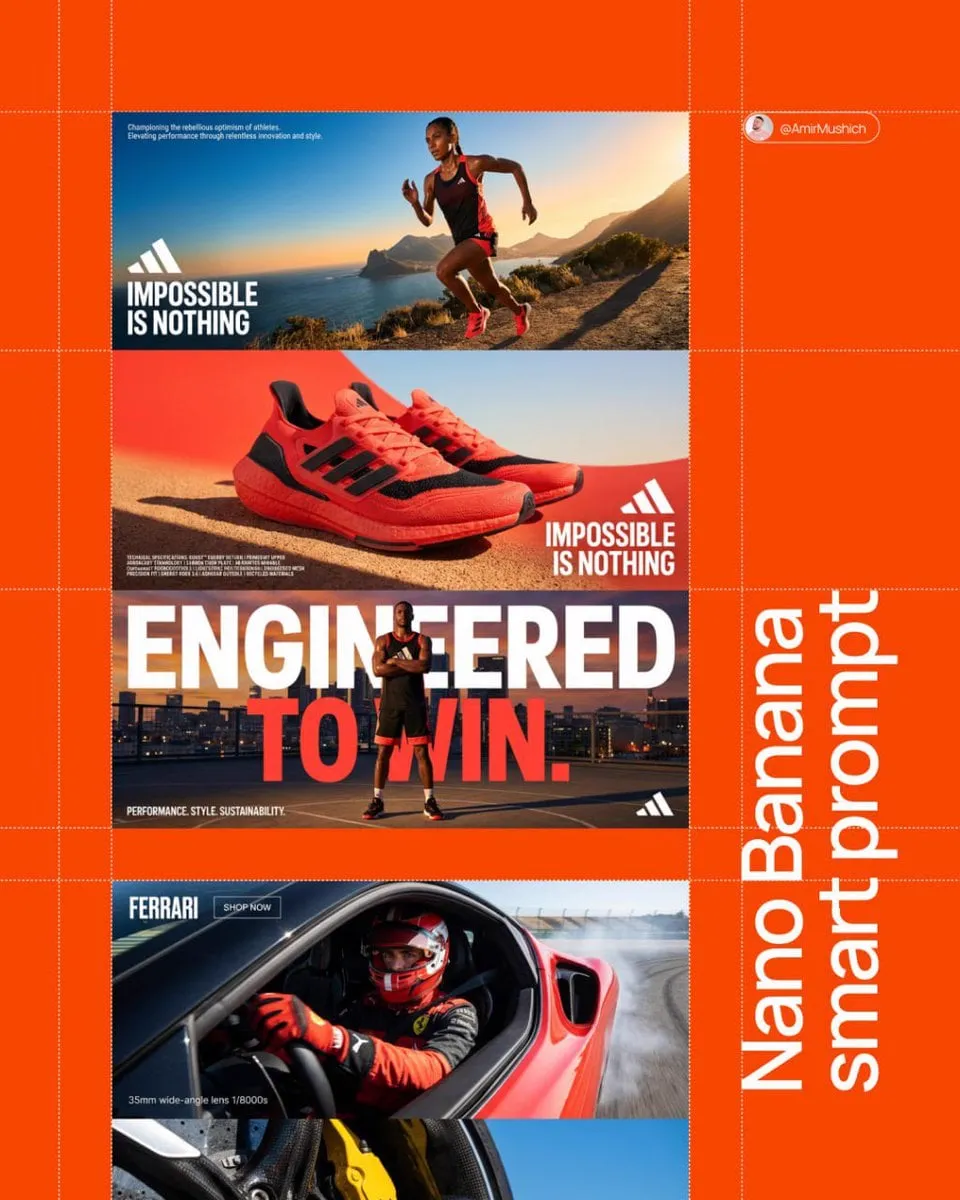
Photorealistic video is the most demanding category because small errors are immediately visible. The leading models in this space push realism in physics, lighting, material quality, and camera behavior. They are the right choice for product films, cinematic b-roll, and any content where the goal is to persuade through believability.
Getting great photorealistic output requires disciplined prompting. Specify lighting conditions, camera lens, motion, and environment with precision. Reference real footage when you can, because grounding the model in reality keeps the result closer to believable. Then generate batches and select carefully; even the best models produce the occasional artifact.
When photorealism works best
- Product demonstrations and commercials.
- Cinematic narrative sequences.
- Realistic environments and cityscapes.
- Anything where the audience must believe the image.
Avoid photorealism for subjects that say "this is clearly animated," such as exaggerated stylized characters or fantastical UI; you will fight the model for no benefit.
Consistency-first and industry-leading models
Some of the most valuable models are those built specifically to maintain continuity. These excel at character stability, coherent object motion, and smoother physics across a sequence. When your project has a recurring cast or a defined world, consistency-focused models reduce the hair-pulling of characters whose faces drift between clips.
Their strength is reproducibility: you can feed a reference and get a follow-up shot that actually resembles the first. Use them anywhere continuity is the top priority, from episodic content to brand campaigns that reuse the same spokesperson.
Keyframe and video fusion for cohesion
Two techniques multiply the value of any model: video fusion and keyframe control. Video fusion blends multiple inputs into one coherent output, so a character's face from one clip can be carried into a new scene. Keyframe control anchors the start and end of a shot, and the model fills the middle, keeping the motion on-plan.
Together they let you direct a series of shots that feel like one continuous take. Define the key points, lock the references, and let the model fill the gaps consistently.
Stylized and anime-oriented models for expressive looks
Not every project wants realism. Animated series, music-visual aesthetics, gamers, and character-driven content all lean on stylized models. These generators are strongest at expressive, vivid looks: bold outlines, saturated palettes, and characters with personality. Some are especially popular in anime-influenced markets for their ability to deliver highly stylized, polished results.
The benefit is that stylized content forgives more and reads instantly as deliberate. The challenge is keeping a recognizable cast. Apply the same reference-image and block-consistency discipline to stylized models, and your animated characters will stay coherent across episodes.
When stylized video fits best
- Brand mascots and explainer characters.
- Music videos and visual art projects.
- Games and animated shorts.
- Any piece where a hand-drawn or animated identity is the point.
A one-stop workflow for mixed-style projects
Assembling different models into one project is where the real production value appears. Here is a repeatable workflow:
- Storyboard by style. Mark each scene with its target aesthetic.
- Lock identity. Define characters and references that will appear in multiple styles.
- Generate per style. Use the appropriate model for each section, feeding the same identity references.
- Assemble and grade. Cut the sections together and apply a unified color feel.
- Check continuity. Review that characters and world hold across style transitions.
The single biggest risk in mixed-style work is identity drift. If the same character appears as photoreal and as cartoon, they must still read as the same person. Shared reference images and consistent key traits carry you through.
Choosing the right engine for Asian regional preferences
Regional markets often have distinct visual expectations. In some markets, audiences strongly favor stylized, anime-adjacent looks, and local models tuned for that aesthetic can outperform general-purpose alternatives. Elsewhere, realism and certain productivity features are prized. The lesson is to be aware of regional taste and to select models accordingly, rather than assuming one look fits everywhere.
Prompt adherence also varies by model. Some Chinese-developed engines are known for strong prompt following and practical features suited to commercial workflows. If you need precise control over a specific output, test a few high-fidelity models and pick the one that obeys your instructions most reliably.
Managing model diversity and production costs
A broad model library is powerful, but it can also become a cost liability if you are not deliberate. Each generation consumes time and compute, and generating at maximum quality on every model for every shot inflates your spend. Budget-aware creators optimize the trade-off between quality and cost.
Cost management tactics:
- Reserve the most expensive, highest-fidelity models for hero shots.
- Use lighter or faster models for draft and approval rounds.
- Batch your exploration so you are not paying full price for trial and error.
- Cache the locked prompts and seeds so you do not regenerate approved work.
Think in tiers: cheap drafts early, expensive final renders only when the shot is approved. This keeps quality high where it matters and cost low where it does not.
Building a personal style playbook
As you work across models, you will learn which pairings create the results you want. Document them. A style playbook records, for each target look, which model, which prompt pattern, and which settings produced the best result. Over time, this becomes your personal shortcut cheat sheet.
Your playbook might include:
- Prompts for photoreal product shots that consistently work.
- The reference set that keeps your mascot recognizable.
- Beat-sync settings for stylized music edits.
- Tagged seeds for looks you want to recreate.
Every successful generation is data. Collect it, and your future projects get faster and more predictable.
Frequently asked questions
Do I need multiple paid tools to cover all styles? Not necessarily. A single platform that aggregates many models can cover photorealistic, stylized, and animated looks from one subscription and one interface.
Does a cartoon-style model replace photorealistic video? No. They complement each other. Choose based on the aesthetic the scene requires, and switch when the story demands it.
Will a mixed-style piece look disjointed? It can, if handled carelessly. With a deliberate plan, consistent characters, and a unified grade, the style contrast becomes a creative strength.
Final thoughts
The modern video-generation landscape is a spectrum, from photorealistic credibility to cartoon creativity, and the best creators navigate that spectrum on purpose. Match the model to the aesthetic, keep characters and world consistent with references and keyframes, and manage cost by spending your highest-fidelity renders on the shots that deserve them.
The tools give you range; your judgment gives you direction. With a clear style plan and a reliable workflow, you can move smoothly from photorealistic to cartoon in a single project, and every look will feel like a choice, not a compromise.
Building a shot-by-shot style plan
Before generating anything, create a shot list that assigns a style to every shot. This prevents the mid-project confusion that happens when you improvise the aesthetic shot by shot. For each scene, note the intended style, the core elements that must stay consistent, and the model you plan to use. A clear plan keeps you moving fast when production begins.
Leave room for a deliberate contrast. If most of the piece is photorealistic, a sudden stylized sequence can act as a powerful accent or a transition to a different emotional register. The style shift becomes a storytelling device rather than an accident.
What makes photorealistic footage convincing
Photorealism persuades through detail, physics, and restraint. The most convincing shots have believable lighting that matches the environment, consistent reflections, natural motion that respects weight and momentum, and a level of film grain or lens character that feels organic.
To increase conviction, keep the camera language honest: avoid impossible moves and let the composition follow plausible composition rules. Reference real footage and match its subtle imperfections. When the audience cannot find a reason to disbelieve the image, the image wins.
Where stylized and animated looks win
Very few pieces need photorealism above every other goal. Stylized and animated looks win whenever you want to control the emotional palette completely, protect a character's identity from the uncanny, or signal that the world is invented. Animation is a permission slip for exaggeration, impossible motion, and magic that would look wrong in realism.
If your story involves animals that talk, abstract concepts, or exaggerated facial expressions, stylization is almost always the more natural choice. It also tends to age well and carries a distinctive brand signature.
Governing character identity across styles
The moment your project mixes styles, identity governance becomes the central discipline. Define what makes your character recognizable regardless of rendering: the silhouette, hair, eye shape, signature outfit, and color. Lock those traits as shared blocks and apply them in every style, so the photoreal version and the cartoon version clearly share a person.
Set up a reference sheet early, showing the same character rendered in the main styles you will use. Teams can then align on how the character should look in each style instead of each person improvising. Identity governance is what stops a mixed-style project from feeling like several unrelated projects.
Using reference frames to shape a scene
Reference frames are among the most reliable controls you have. Lock a keyframe for the beginning, a keyframe for the end, and let the model generate the motion between them. This concentrates your creative energy on the decisions that matter and trusts the model to fill the gaps in a way that matches your anchors.
For character-heavy shots, include the identity reference so the model has evidence of what the character should be. For camera moves, describe the beginning and end composition explicitly. The more accurate your anchors, the more grounded the intermediate motion becomes.
Drafting cheap, approving wise: the cost pyramid
A practical cost discipline is to run every shot through a cheap draft pipeline before committing to expensive high-fidelity renders. Draft rounds are for checking framing, composition, and the broad feel. Only after a draft is approved do you spend the heavy budget on the final, high-fidelity render.
This pyramid keeps your spend aligned with approval. You pay full price only for the shots that actually ship in high quality, and you avoid burning budget exploring ideas that get cut. Over a batch, the savings are substantial without any visible drop in final quality.
Reviewing as a team without bottlenecking
When several people review generated material, set a clear review loop. Produce a selection cut, present the strongest options, and give reviewers a simple way to mark approval or requested changes. Keep rounds bounded so a project does not stall on endless revision.
Most importantly, define what "good enough" means before review begins. Clear acceptance criteria keep everyone aligned and stop style perfectionism from ballooning the timeline. A good review is a filter, not a treadmill.
Frequently asked questions
How do I choose between realism and a stylized look? Ask what the scene must communicate and whether photorealism helps or harms that message. When in doubt, test the same shot in both directions.
Can one project honestly switch between many models? Yes, and mixed-style projects are increasingly common. The key is managing consistency of the shared elements across every style change.
Does the last mile of quality matter if I am posting to social? It matters to retain trust. Even casual viewers notice obvious artifacts, so budget enough quality for polished hero shots.
Final thoughts
The video-generation landscape is now a spectrum you can move across with purpose. Match each scene to the model that serves its style, govern character identity across every switch, and spend your highest-fidelity renders where the audience will look hardest. The tools give you range; your plan gives you direction.
The seamlessness of moving from photorealistic to cartoon is a modern creative superpower. Use it deliberately, keep your identity blocks consistent, and let each style earn its place in the story. Done right, your projects will feel like they were designed that way from the start, with every look intentional and every switch meaningful.
