


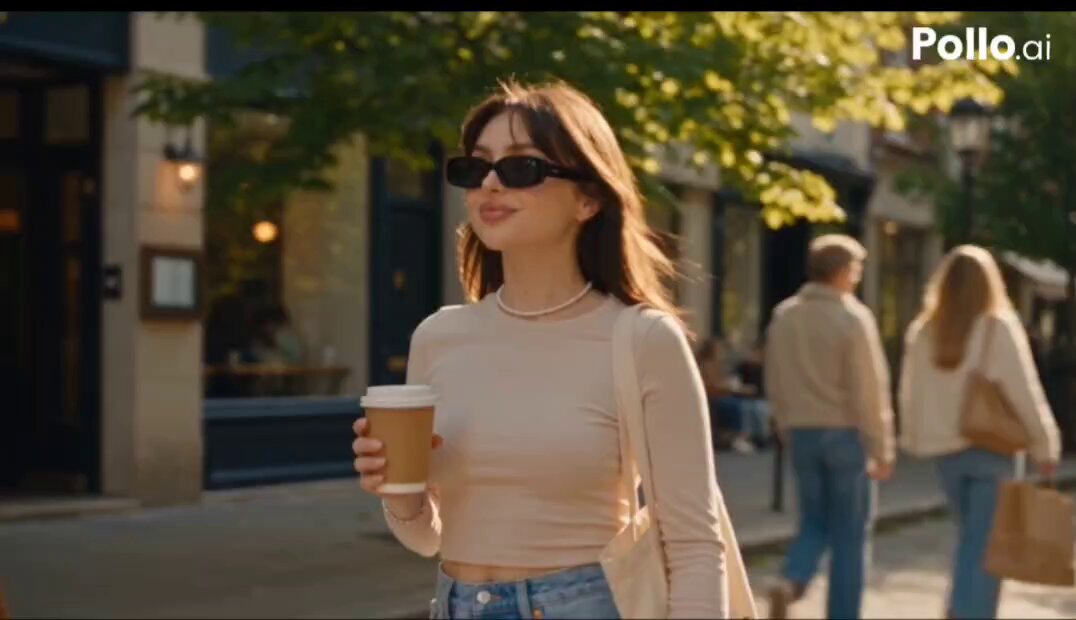
Why Video Marketing Teams Are Rebuilding the Production Pipeline
A few years ago, producing a dozen localized video ads meant booking a studio, hiring talent, and waiting weeks for edits. Today a small team can draft a storyboard, animate hero shots, synthesize a voiceover, and cut platform-specific versions in a single afternoon. The shift is not only about speed. It is about volume: social platforms reward constant output, and performance marketers need many variants to discover the one hook that actually converts.
That change moves the bottleneck. When footage was expensive, the hard part was capture. Now capture is cheap, and the hard part is direction, consistency, and quality control. Teams that treat generative tools as a magic button produce glossy but incoherent clips. Teams that treat them as a production department — with shot lists, asset libraries, review gates, and a delivery spec — produce work that looks intentional.
This guide lays out a neutral, tool-agnostic workflow for AI-assisted video marketing. You can run it with any combination of models and editors. The goal is a repeatable pipeline: brief, shot list, generation, sound, assembly, quality control, distribution.
Start With the Deliverable, Not the Model
Before opening any generation tool, write down what you actually need to ship. The output format decides almost every technical choice downstream: aspect ratio, clip length, resolution, audio treatment, and how much text must be legible on a phone screen. A 9:16 vertical cut with burned-in captions and a three-second hook is a different production problem from a 16:9 website hero loop that plays muted.
A useful habit is the "one master, many cuts" approach. Generate the most demanding version first — usually the vertical, sound-off, small-screen cut — because it exposes weaknesses immediately. If a shot reads clearly at 360 pixels wide with no audio, it will read even better in a large format. If it only works as a wide cinematic frame, it will fail where most of your audience lives.
| Deliverable | What it constrains |
|---|---|
| Vertical social ad | Fast hook, subject centered, captions, 6–15 seconds |
| Horizontal brand film | Slower pacing, wider compositions, graded color |
| Product demo | Screen or object legibility, tight shot list, precise text |
| Localized variants | Lip-sync or voice replacement, on-screen text swaps |
| Website hero loop | Silent playback, seamless loop point, no hard cuts |
Write the delivery spec once, keep it in the project folder, and check every generated asset against it. Most wasted render time comes from discovering a format mismatch after the shots are finished.
Choosing Generation Models for Each Shot Type
Model choice is a per-shot decision, not a per-project one. A single 30-second spot might use four different engines: a high-fidelity model for the hero product reveal, a fast model for background b-roll, an image model for keyframes and thumbnails, and a specialized tool for lip-sync. Locking yourself to one tool is the fastest way to compromise quality somewhere in the cut.
Flagship cinematic models
Top-tier image and video models — the Flux family for stills, and cinematic video engines such as Sora-class, Runway Gen-4-class, or Veo-class systems — deliver the best motion coherence, lighting realism, and prompt adherence. They are also the slowest and the most expensive per second of output. Use them for the shots a viewer will remember: the opening frame, the product turn, the emotional close-up.
Fast, economical alternatives
For volume and iteration, lighter engines such as Kling, MiniMax Hailuo, Pika, and Luma-class models produce usable clips in seconds and respond well to straightforward prompts. They are ideal for b-roll, abstract backgrounds, transitions, and concept tests. A practical pattern: explore with a fast model until the composition works, then re-render the approved frame on a flagship model.
Specialized tools that fill the gaps
No single model does everything. Keep a small toolkit for lip-sync, upscaling, background removal, object removal and inpainting, motion transfer from a reference clip, and text rendering. On-screen text is still the weakest point of most video generators, so plan to composite typography in an editor rather than asking a model to spell your tagline.
Criteria that matter more than model hype: prompt adherence, motion stability, maximum clip length, supported aspect ratios, native audio, style range, latency, licensing terms for commercial use, and how well the model handles human hands and faces. Score your candidate models against your own repeatable test prompt and keep the results in a spreadsheet.
Writing Prompts That Survive the Edit
A prompt that produces a striking standalone clip is not automatically a prompt that produces an editable shot. Editable shots need stable framing, predictable motion, and a clear subject the editor can cut around.
The six-part prompt
Use a consistent structure: subject, action, camera, lighting, style, continuity. For example: "A ceramic coffee cup centered on a concrete counter, steam rising slowly, slow push-in at eye level, soft window light from the left, muted editorial palette, same counter and cup as the previous shot." Every element has a job: the camera note controls motion, the lighting note controls mood, and the continuity note fights drift.
Keep prompts short enough to debug
Long prompts feel more precise but are harder to troubleshoot. If a shot is wrong, you want to know which clause caused it. Start with four or five elements, render three variations, then add one detail at a time. Change one variable per test.
Generate variations, not lottery tickets
Random re-rolls feel productive and rarely are. Instead, vary deliberately along axes: lens and distance, time of day, camera height, wardrobe color. Save every usable generation into a named folder by shot number, not by date. Editors waste more time hunting for the right take than directors waste generating it.
Consistency Across Shots: Characters, Products, and Style
The single biggest complaint about AI video is inconsistency: faces change, jackets change color, logos warp between cuts. Consistency is a system, not a prompt trick.
Reference images and multi-image conditioning
Most modern engines accept one or more reference images alongside the text prompt. Build a small character or product sheet — front, three-quarter, and profile views plus one close-up — and feed the relevant images into every shot. Multi-image conditioning works best when the references share consistent lighting and background.
Seeds, style locks, and asset libraries
When a model exposes a seed, reuse it across a shot sequence. Keep a shared style block, a short paragraph describing palette, lens, grain, and grade, and paste it into every prompt in the sequence. Store approved keyframes, voice samples, music beds, and lower-third templates in one library so a new campaign starts from proven assets.
Fix drift in post instead of regenerating forever
Perfectionism is expensive. If a shot is 90 percent right, a color match, a slight crop, or a two-frame dissolve will often hide the difference. Reserve full regeneration for shots where the subject is unrecognizable or the motion breaks.
Storyboards, Shot Lists, and Directing the Cut
Generative tools reward planning more than they reward improvisation. The storyboard is where a marketing message becomes a sequence of visual beats.
Build a beat sheet before frames
Write the message in six to ten beats: hook, problem, product introduction, proof, benefit, objection handling, call to action. Assign each beat a duration budget. A 30-second spot usually gives five to seven seconds per beat; a vertical ad compresses some beats and drops others entirely.
Coverage: generate more than the edit needs
Professional sets shoot coverage, and AI should too. For each beat, produce a wide, a medium, and a close-up, plus one alternative angle. Three times the footage gives the editor choices and hides weak generations.
Edit rhythm
Cut on motion. If a shot contains a push-in or a subject entering frame, place the cut at the moment of highest energy. Keep the first three seconds dense: text, motion, and a face or product beat. End on a held frame long enough for a viewer to register the brand, then loop cleanly if the platform rewards replays.
Treat Sound as a First-Class Layer
Muted autoplay means sound must earn attention rather than carry meaning alone. Still, audio drives retention, so give it the same planning as picture.
Voice is the anchor. Synthetic voices have matured enormously; choose one voice per brand and keep it consistent across campaigns. Match speaking pace to the edit — around 150 words per minute for explanatory content, faster for social hooks. If you need multiple languages, generate each voice track natively instead of translating a single performance, then re-time the cut to the new rhythm.
Music sets pace and should be chosen before the final edit, not after. Buy licensed tracks with clear commercial terms and store proof of license with the project files. Sound design — a whoosh on a transition, a subtle riser before the product reveal — adds more perceived production value than any single visual upgrade.
Finally, mix to platform loudness targets, usually around -14 LUFS for social delivery, and always supply a captioned version. Captions increase completion rates and make the video usable in silent feeds.
Scaling Output Without Diluting Quality
Volume is the point of an AI pipeline, but volume without structure produces a flood of unusable files.
Templates with variables
Build reusable project templates: fixed aspect ratio, fixed caption style, fixed intro and outro, fixed music slot. Variables are the hook line, the product shot, and the call to action. A template turns a ten-variant test into an hour of structured work instead of a day of improvisation.
Review gates
Insert three approvals: script and beat sheet, generated selects, and final mix. Nothing moves to the next stage without sign-off. This prevents the classic failure mode of polishing a cut built on a concept nobody approved.
Budgeting render time and generation allowance
Track how many generations each finished second of video requires. A realistic early ratio is 8–15 generated clips per usable second; experienced teams get closer to 3–5. Once you know your ratio, you can forecast usage tiers accurately instead of guessing, and you can decide which shots deserve flagship rendering.
Quality Control and Brand Safety Checklist
Run the same checklist before every publish, and record who approved each item.
- Continuity: faces, wardrobe, product details, and location match across cuts.
- Legibility: on-screen text readable on a small phone at normal brightness.
- Audio: dialogue intelligible, music not masking voice, loudness on target.
- Captions: accurate, no overlap, safe from platform interface elements.
- Aspect and safe areas: nothing important clipped by UI overlays.
- Rights: licensed music, permitted likenesses, cleared locations and props.
- Claims: no exaggerated performance statements, statistics sourced.
- Disclosure: synthetic or altered media labeled where required by platform policy or local law.
- Accessibility: contrast, caption quality, and no strobing sequences.
Keep a short written note explaining which parts are generated and which are filmed. Disclosing synthetic media is increasingly a platform requirement, and it protects the brand if a viewer questions authenticity. Also confirm that any real person's likeness used as a reference has explicit permission.
Common Mistakes and How to Avoid Them
- Choosing a model before writing the brief. Start with the deliverable, then pick tools per shot.
- Generating before the storyboard exists. Improvisation produces beautiful clips that cannot be assembled into a story.
- Rewriting prompts from scratch every time. Version your prompts and reuse the style block.
- Ignoring motion in prompts. Without camera direction, models default to slow drift that edits badly.
- Asking the model to render typography. Composite text later for control and accuracy.
- Over-reliance on one engine. Keep two or three models in rotation for different shot types.
- Skipping the sound plan. Audio chosen after the edit rarely fits the pacing.
- Declaring victory after one approval. Add a final check on a phone, in a feed, at real size.
FAQ
How many generated clips should I expect per finished second? Early projects often need 8–15 attempts per usable second, including variants and rejects. With a stable prompt library and templates, that drops to roughly 3–5. Budget by ratio, not by hope.
Which model should I use for a hero product shot? Use a flagship cinematic engine for the final render. Explore composition and lighting on a fast model first, then rebuild the approved frame at maximum quality, because hero frames are where viewers notice detail.
How do I keep a character consistent across ten shots? Build a reference sheet with front, three-quarter, and profile views, reuse a seed where available, keep lighting identical, and paste the same style block into every prompt. Accept small differences and correct them with color matching in the edit.
Can I use AI voiceover for ads? Yes, provided your chosen voice is licensed for commercial use and you follow platform disclosure rules. Pick one brand voice and keep the pace consistent across the whole campaign.
Do I still need a human editor? Almost always. Generation produces material; editing produces meaning. Cut selection, rhythm, captions, sound mix, and final polish remain the difference between a demo and an advertisement.
What is the cheapest way to test a new concept? Storyboard with still images, cut them into a rough animatic with a scratch voiceover, and only then spend on video generation. The animatic tells you whether the idea works before you commit render time.
