
Why the Default Duo Stops Being Enough
Runway and Sora earned their reputation by making text-to-video feel cinematic. Both keep improving, and both are reasonable defaults when you are exploring an idea. The problem is not quality — it is fit. A model that renders sweeping landscapes beautifully can be the wrong instrument for a fast-cut product spot. A model with excellent character fidelity may be too slow for a background plate that will end up blurred anyway. Once your work moves from experiments to deliverables, that mismatch starts costing real time.
You usually spot the symptoms before you spot the cause. Every scene begins carrying the same motion signature, as if one camera operator shot the entire film. Characters drift between shots even when the prompt has not changed. You spend more time re-rolling than directing. Queue times quietly dictate your edit schedule, and prompts that worked last week need rewriting after a silent model update.
The instinct is to replace one platform with a better platform. A more durable answer is to build a small portfolio of tools and assign each one the shots it handles best. That is a workflow decision rather than a brand decision, and it is much easier to reverse when a model changes underneath you.
Evaluation Criteria That Actually Predict Production Fit
Before adding or dropping a tool, score candidates against the work you actually ship instead of the work you see in launch videos. A model that wins a beauty contest can still lose a bake-off once deadlines, revisions, and client notes enter the room. Treat evaluation as a small, repeatable test rather than a one-time decision.
Motion realism and camera language
Judge models on specific moves: slow dolly-in, handheld walk-and-talk, rack focus, crane reveal, orbit around a subject. Some models excel at smooth, stabilized camera work and struggle with intentional handheld energy. Others produce lovely motion but ignore requested camera moves entirely. Build a one-page test reel of five camera moves and run every candidate through it. The results will tell you more than any feature list.
Prompt adherence and text rendering
Adherence is about how much of your sentence survives intact: subject, action, wardrobe, environment, lighting, lens, and camera move. Test with a deliberately dense prompt and note which details get dropped. Text rendering matters more than people expect, because signage, packaging, phone screens, and lower-third graphics all appear in commercial work. Models that invent gibberish lettering force a compositing pass, which is fine if you planned for it and painful if you did not.
Shot length, resolution, and latency
Note the maximum coherent clip length before quality decays, the native resolution, and the typical render time for a five-second shot. Latency compounds: a model that takes twice as long per shot can double a project calendar even when its output is better. If your deadline is tight, a slightly weaker model with a predictable queue often wins outright.
Consistency controls
Look for reference-image conditioning, style referencing, seed control, and any way to lock a character or a look across shots. Consistency controls reduce the number of unusable generations, which matters more to your schedule than peak quality on a lucky take.
Audio, lip sync, and post-friendliness
Native audio and lip sync can save an entire department of work on dialogue-driven pieces. If a model outputs silent video, plan a voice pipeline and confirm that mouth movements are believable enough to survive a dub. Also check the formats and codecs you get back — an awkward export adds friction to every single shot in the timeline.
Access, rights, and automation
Confirm commercial usage terms, watermark behavior on your plan, and whether an API exists for batch generation. If you need two hundred variations overnight, a browser-only tool becomes a manual bottleneck. Automation stops being a luxury once a project crosses roughly fifty shots.
Building a Model Portfolio: Match the Model to the Shot
A practical portfolio keeps three to five tools active and assigns each a primary job. The mapping below is a starting frame, not a rule — test it against your own footage.
| Shot type | What matters most | Model traits to look for |
|---|---|---|
| Establishing landscape | Motion realism, scale | Strong environment physics, slow camera support |
| Dialogue close-up | Character consistency, lip sync | Reference conditioning, native audio |
| Product macro | Detail, text rendering | Sharp micro-texture, stable lighting |
| Stylized sequence | Style adherence | Style references, illustration-friendly output |
| Inserts and B-roll | Speed, cost | Fast renders, forgiving prompts |
Establishing shots and landscapes
These shots set geography and tone, and they usually stay on screen for only a few seconds. Prioritize atmosphere and believable physics over fine character detail. Wide shots are also the safest place to experiment with a model you are still evaluating, because mistakes are easier to hide and cheaper to replace.
Dialogue and character performance
Performance shots demand the tightest consistency controls and the most iteration. Budget more generations here and treat every take as a data point about how the model reads your prompt style. Keep a running note of which phrasing produced which result, because this is where small wording changes have the largest visible effect.
Product macro and tabletop
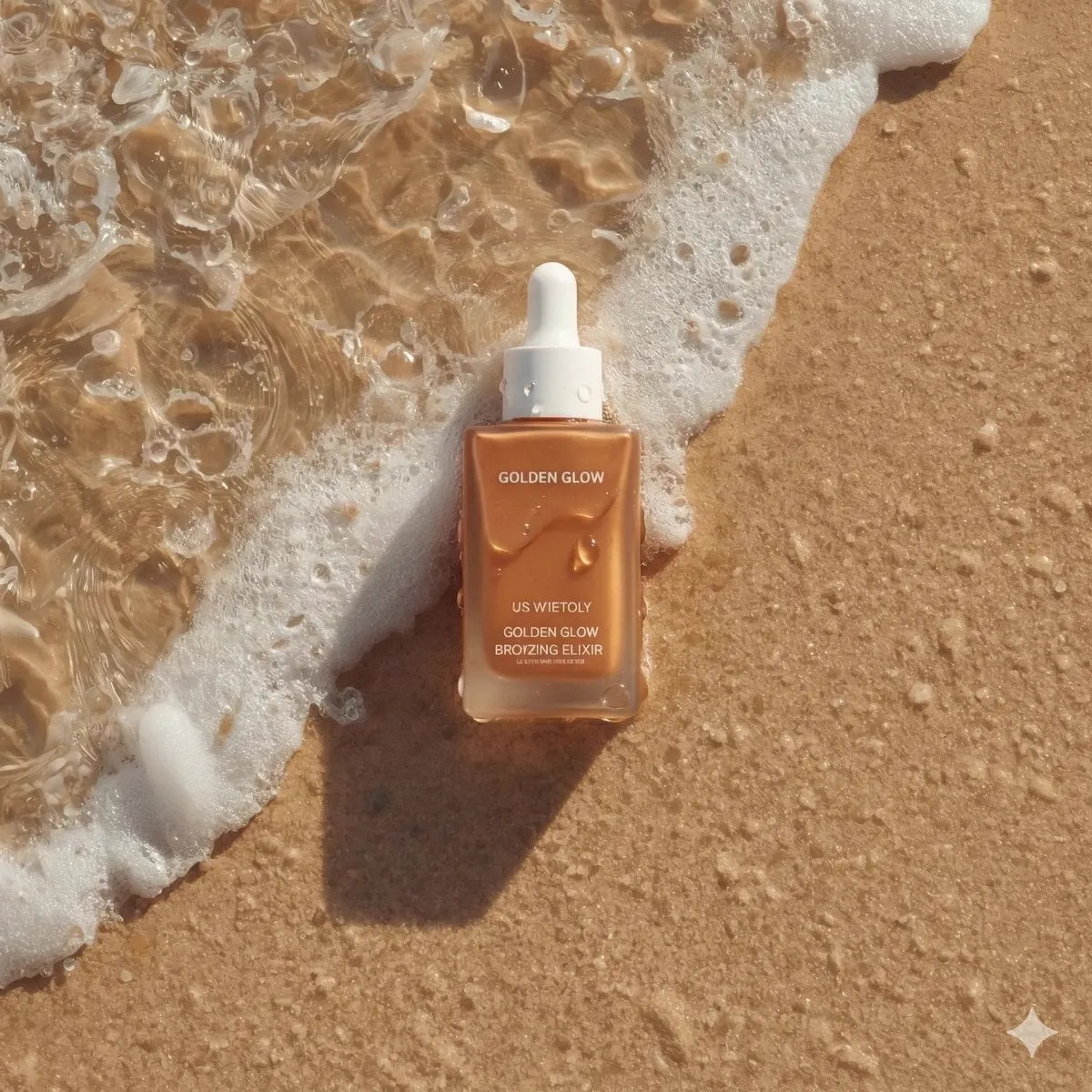
Macro work rewards models with clean micro-texture and predictable highlights. Glass, metal, and liquid are the classic failure cases, so test them before promising a client a hero shot. If a model struggles, generate the background plate and composite the product in post rather than fighting the model for hours.
Stylized and animated sequences
Anime, painterly, and graphic styles often come from models that specialize in stylization rather than photorealism. Mixing a stylized model with a photoreal one in the same film requires a deliberate transition, or the result will feel like two different projects stitched together. Plan the handoff shot and use color, motion, or a match cut to motivate it.
Transitions, inserts, and B-roll fill
Fast, cheap generations keep your edit flexible. Use the least expensive capable model for anything on screen for under a second or buried under a voiceover. Saving your strongest model for hero moments protects both your budget and your visual hierarchy.
Character Consistency: The Hardest Problem in AI Video
Nothing breaks audience trust faster than a face that changes shape between shots. Consistency is a system, not a single setting, and it rewards planning far more than it rewards expensive tools.
Reference sheets and multi-image conditioning
Build a character sheet with three to five clean angles in consistent lighting: front, three-quarter, profile, plus a full-body frame. Feed the same references into every generation and describe the character identically in every prompt. If the model supports multi-image fusion, use it — multiple references anchor identity far better than a single portrait.
Wardrobe, hair, and prop locks
Write a fixed description block for each character and paste it verbatim into every prompt. Change one variable at a time. If a scene requires a wardrobe change, treat it as a new character variant and generate a fresh reference sheet rather than describing the change inline and hoping the model extrapolates correctly.
Seed discipline and shot ordering
Keep seeds for anything that must match, and generate related shots in the same session when possible. Model updates and server-side changes can alter output between sessions, so locking a look early and finishing all shots of a character in one batch saves an enormous amount of cleanup.
When to fix it in post instead
Sometimes the cheapest path is compositing. If a character appears for half a second in the background, a replacement element beats ten failed generations. Consistency effort should be proportional to screen time and narrative importance, not distributed evenly across every frame.
Directing the Model: Shot Lists, Prompts, and Iteration Loops
Write the shot list before you write the prompt
A shot list turns a vague scene into discrete, generatable units: wide, slow push-in, empty street at dawn, wet asphalt, no people. Each unit becomes one prompt with one camera instruction and one primary action. This discipline also makes it obvious which shots can share a model and which need a specialist.
Prompt structure that survives model changes
Use a consistent order: subject, action, environment, lighting, lens and camera move, style, and technical notes. When you switch models, you only tune one section rather than rewriting from scratch. Keep a personal prompt library with the shots that produced reliable results, and note which model produced them.
The three-take rule and iteration budget
Decide in advance how many generations a shot gets before you change the approach rather than the wording. Three takes is a good default: if take three fails, the problem is usually shot design, not phrasing. Changing one variable at a time — lighting first, then camera, then wardrobe — keeps the loop diagnosable and keeps you from burning an afternoon on a shot that needs to be rethought.
Style Control: Look Development Before Generation
Mood boards and reference frames
Collect reference frames for color, contrast, grain, and lens character. A tight mood board of six images communicates more to a model than a paragraph of adjectives, and it gives your team a shared target when reviewing takes.
Color, grain, and lens simulation
Many models respond well to explicit lens language: 35mm, shallow depth of field, slight barrel distortion, film grain, halation on highlights. Building a consistent look block in your prompts keeps a series visually coherent across different models and different shooting days.
Negative prompting and artifact control
Common artifacts include warped hands, melting backgrounds, flickering light, and jittery edges. Negative prompts help, but so does shot design: avoid complex hand interactions, keep backgrounds simple, and give the model fewer things to get wrong. Fixing artifacts in post is often faster than re-rolling twenty times, so decide early which imperfections are acceptable.
A Practical End-to-End Pipeline
Pre-production
Lock the script, break it into a shot list, and tag each shot with the model trait it requires. Choose a primary model per sequence and note fallbacks. Prepare character sheets and a look block before generating anything, because retrofitting consistency after fifty shots is close to starting over.
Generation batches
Generate in batches by character and by location, not by story order. Grouping similar shots reduces drift and lets you reuse seeds and references efficiently. Keep a simple log of prompts, seeds, and results so a good take can be reproduced instead of stumbled upon a second time.
Assembly and finishing
Edit for rhythm before you polish. Temporary cuts reveal which shots actually matter, and pruning early saves generation time later. Then handle audio, color, speed ramps, and stabilization in your editor, where small imperfections disappear under motion and sound. Most AI video problems become invisible at normal playback speed, which is exactly why you should review at speed rather than frame by frame.
Throughput, Cost Planning, and Team Logistics
Plan around shots per hour rather than abstract benchmarks. Measure how long a five-second clip takes end to end, including prompt writing, re-rolls, downloads, and review. Multiply by the shot count and add a failure buffer of thirty to fifty percent. If the math does not fit your schedule, reduce shot count or simplify shots before you reduce quality across the board.
Track spend at the project level so you know which sequences are expensive, and reserve the strongest models for hero shots. Keep a shared prompt and asset library so nobody regenerates something that already exists. Assign one person to own model selection for a project; consensus-driven tool switching mid-production is one of the fastest ways to lose visual coherence.
Also plan storage. Generated clips accumulate quickly, and a naming convention that includes project, sequence, shot, model, and take number will save you hours during assembly. When a client asks for a revision six weeks later, a searchable archive is worth more than any extra generation budget.
Mistakes That Wreck AI Video Projects
- Chasing a single best model instead of matching tools to shots.
- Writing prompts as prose rather than structured shot descriptions.
- Changing several variables at once and losing track of what worked.
- Ignoring native resolution and aspect ratio until the edit.
- Assuming consistency controls replace reference sheets and seed discipline.
- Generating in story order and discovering character drift halfway through.
- Leaving audio, lip sync, and rights checks to the final week.
- Skipping a test reel every time a model version updates.
- Over-iterating on a shot that should have been redesigned or composited instead.
FAQ
How many AI video tools should a small team keep active?
Three is a comfortable baseline: one generalist for flexibility, one specialist for characters or dialogue, and one fast option for B-roll and inserts. Add a fourth only when you can name the recurring shot type it solves.
Do I need an API to work professionally?
Not for every project, but batch generation changes what is possible. If your workflows regularly exceed fifty shots, browser-only generation will become the limiting factor in your schedule.
How do I keep a character consistent across dozens of shots?
Lock a reference sheet, freeze the character description, keep seeds for matching shots, and generate all shots of that character in one batch. Consistency is mostly process discipline rather than a hidden setting.
Is it better to fix artifacts in post or re-generate?
Re-generate once or twice, then switch to post. Editing has a predictable cost, while re-rolling is a gamble that can quietly consume an entire afternoon.
What is the fastest way to test a new model?
Build a five-shot test reel — one landscape, one character close-up, one product macro, one stylized frame, and one fast insert — and run it before committing a project to that model.
Can I mix photoreal and stylized models in the same film?
Yes, if the transition is motivated. Use color grading, a match cut, or a deliberate stylistic break so the shift reads as a creative choice rather than an accident.
What should I do first when a project starts going wrong?
Stop generating and re-read the shot list. Most failures trace back to a shot that was never well defined, not to a model that was the wrong choice.
