
Why One Generator Is Rarely Enough
AI video generation has moved past the demo phase. The interesting question is no longer whether a model can produce a convincing five-second clip, because most of the major engines can. The question is whether a specific model can produce the specific shot your script needs, at the quality bar your audience expects, within the number of attempts you can realistically afford.
That is why working creators and small studios have stopped treating AI video as a single subscription decision. They route shots. A dialogue close-up goes to whichever engine handles facial performance and lip sync most reliably. A wide establishing shot with fast camera movement goes somewhere else. A stylized product loop might come from a fast, inexpensive model that nails aesthetics but struggles with physical plausibility. The final timeline blends outputs from three or four engines, unified by consistent color, sound design, and edit rhythm.
This guide is a practical framework for making those routing decisions. It covers what to evaluate before you commit to a tool, how the major model families differ in behavior, and how to assemble a repeatable workflow that survives deadlines. No single platform wins every category, and pretending otherwise is how projects stall.
The Nine Criteria That Actually Predict Results
Marketing pages emphasize visual spectacle. Production teams care about repeatability. Before you add any engine to your stack, score it against the following criteria using your own footage and prompts, not someone else's highlight reel.
Shot-type fit
Some models excel at human motion, others at landscapes, still lifes, product rotations, or abstract transitions. Build a small test reel of six shots that represent your typical content, then run the same prompts through each candidate. You will learn more in one afternoon than from a week of comparison articles.
Character and identity stability
If your content features recurring people, consistency matters more than peak fidelity. Test whether the tool can hold the same face, wardrobe, and hairstyle across multiple generations, especially when the camera angle changes. Identity drift between shots is the single most common reason a polished clip feels amateur.
Resolution, duration, and aspect flexibility
Check native output resolution, maximum clip length per generation, and whether vertical, square, and ultrawide formats are supported natively or only through cropping. Cropping a horizontal render to vertical destroys composition, so native aspect support is worth real money.
Control surfaces
Look for image-to-video, keyframe interpolation, camera motion controls, regional motion brushes, depth or pose conditioning, and seed locking. The richer the control set, the less you rely on luck. A model with slightly lower fidelity but strong controls often produces better finished work than a beautiful but unpredictable one.
Iteration speed
Generation time shapes creative behavior. If a clip takes fifteen minutes, you will accept the first mediocre result. If it takes forty seconds, you will explore. Fast models are not just convenient; they change how ambitious your ideas become.
Native audio
Some engines generate synchronized dialogue, ambient sound, and effects alongside video. Others return silent clips that need separate voice and sound design. Neither approach is wrong, but native audio dramatically reduces post-production for talking-head and narrative formats.
Cost per usable second
The headline price is meaningless. What matters is how many attempts it takes to get a keeper. A premium model that lands a shot in two tries can be cheaper than a budget model that needs twelve. Track your own hit rate per engine per shot type, and you will discover that different tools win different categories.
Commercial and licensing terms
Review what you are permitted to do with outputs, whether generated media can be used in paid advertising, and how the provider handles training data and indemnification. For client work, this is often the deciding factor regardless of quality.
Pipeline integration
Consider API access, batch generation, watermark policies, supported file formats, and whether outputs arrive with usable metadata. Tools that fit into an automated pipeline save hours that quality differences rarely justify.
What Each Major Model Family Is Good At
Model behavior differs enough that a short profile list helps you route shots intelligently. Treat these as tendencies rather than absolutes, since every engine ships updates that shift the balance.
Runway
Runway remains a strong generalist with an unusually deep set of editing and control features: motion brushes, camera controls, inpainting, and a mature interface built around iterative work. It is a sensible default for teams who want one tool that handles many shot types and who value fine-grained direction over raw spectacle.
Sora
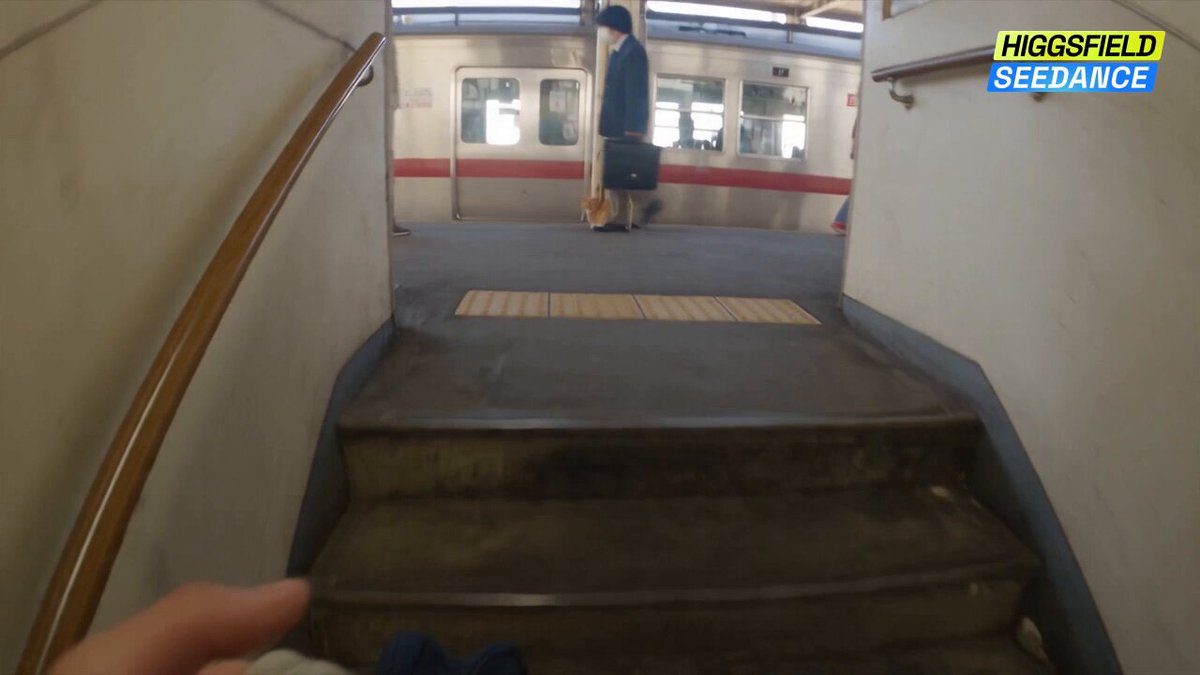
Sora is known for long-take coherence and physically plausible motion across complex scenes. It handles extended camera moves and multi-subject staging well, which makes it useful for establishing sequences and continuous action. Prompt adherence can be looser than with tighter, more literal models, so detailed direction helps.
Kling
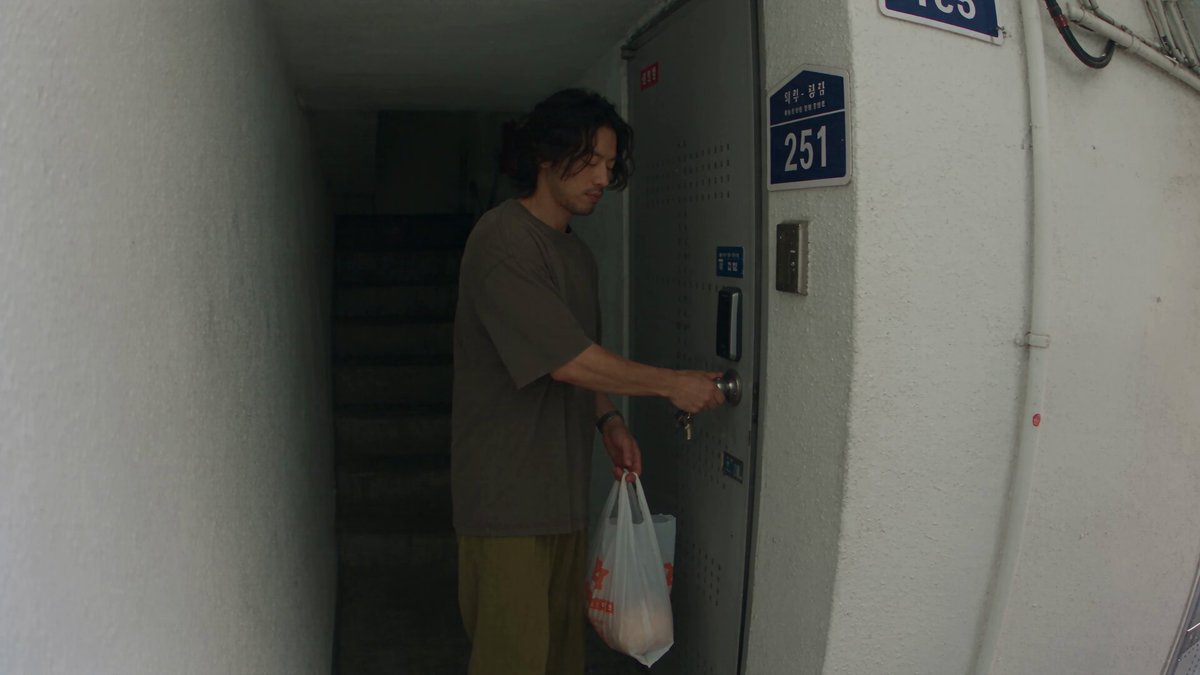
Kling performs particularly well with human motion, athletic action, and dynamic camera work. Body mechanics read naturally, which matters for dance, sport, and fight choreography where other models produce rubbery limbs. Image-to-video conditioning is a frequent starting point.
Luma and Pika
These engines prioritize speed and stylization. They are excellent for mood boards, social loops, quick concept tests, and shots where a slightly dreamlike aesthetic is a feature rather than a bug. When you need forty variations to find a composition, start here and finish elsewhere.
MiniMax and similar character-focused models
Some engines specialize in expressive faces, subtle emotional beats, and stylized character performance. They are strong choices for dialogue-adjacent shots, reaction beats, and animated or illustrative content where acting nuance matters more than photorealism.
Image models as your style anchor
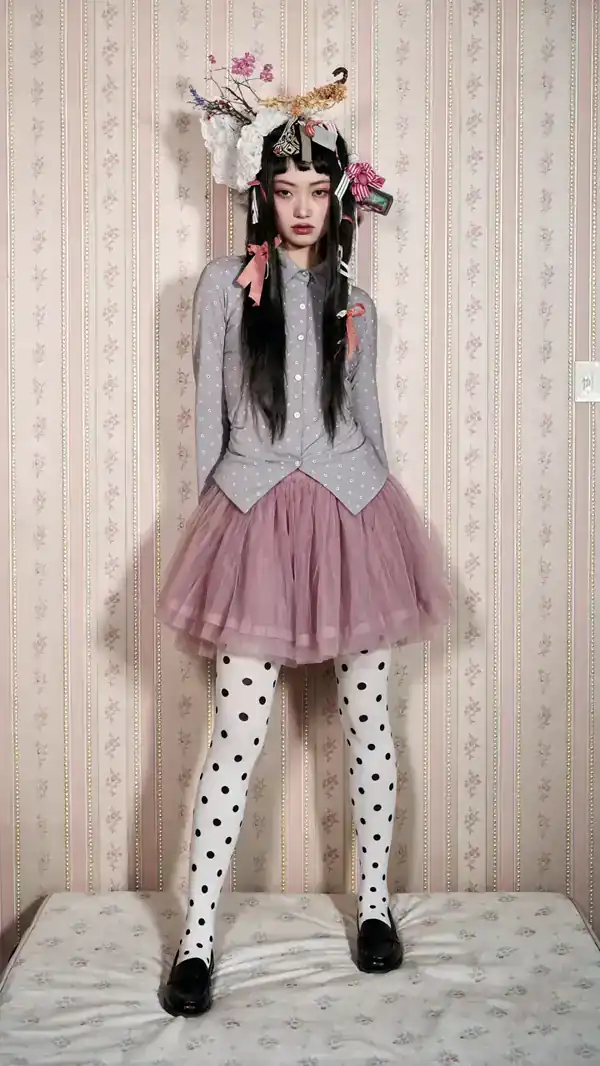
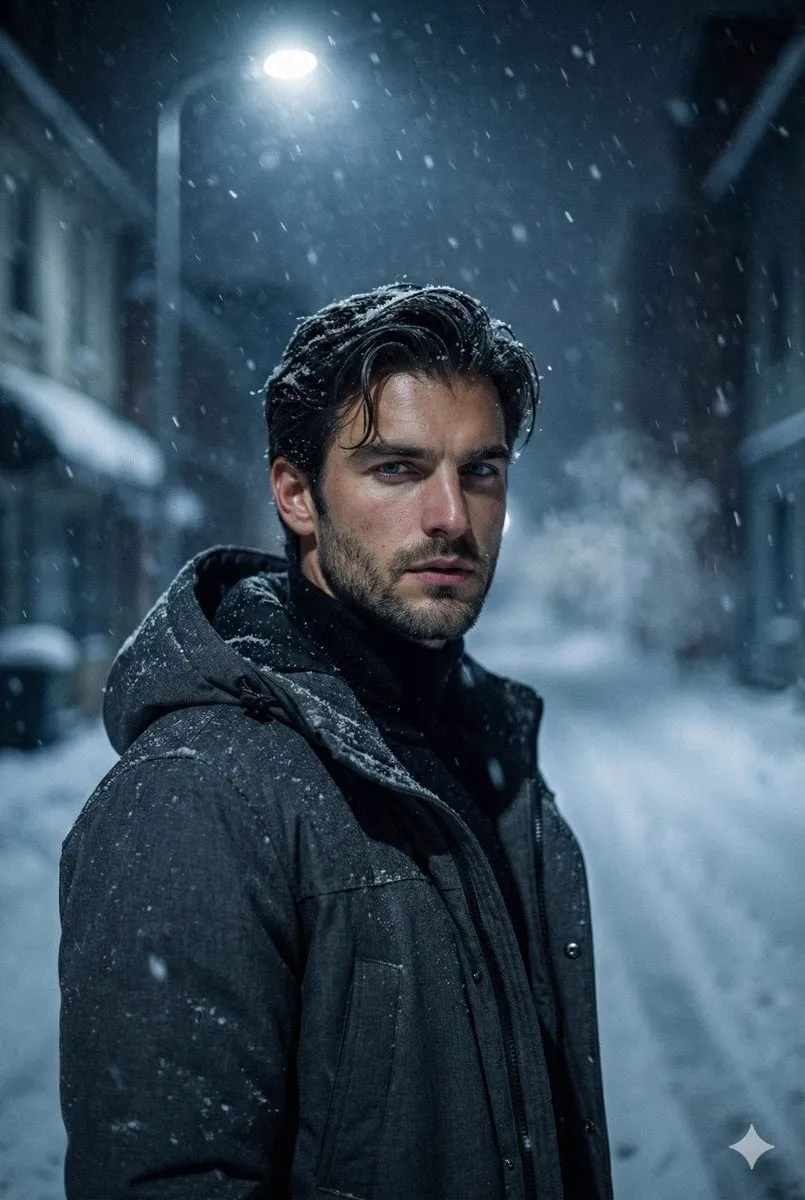
High-quality still image generators, including Flux-class models, are the quiet workhorses of AI video. Generate a locked keyframe with the exact composition, lighting, and character you want, then feed it into an image-to-video engine. This single habit improves consistency more than any prompt trick.
Building a Multi-Model Workflow, Step by Step
A repeatable workflow matters more than any individual tool. Here is a sequence that scales from solo creators to small teams.
-
Lock the script and beat sheet first. Write the shot list before generating anything. Each line should specify subject, action, camera, lighting, and duration. Vague scripts produce vague clips, no matter how good the engine is.
-
Generate keyframes before motion. Use a still image model to produce the first and last frame of each shot. Approve them as stills. If a frame is not compelling as a photograph, animating it will not fix it.
-
Route shots by type. Dialogue and reactions go to face-capable engines. Fast action goes to motion-strong engines. Atmospheric inserts and textures go to fast, cheap engines. Document the routing in a simple table.
-
Standardize your prompt structure. Adopt one format across all engines: subject, action, environment, lighting, camera, lens, mood, and technical notes. Consistency in prompt construction makes cross-tool comparison meaningful.
-
Generate more takes than you think you need. Produce three to five variations per shot at lower settings, then upscale only the winners. Judging motion at full quality wastes time on clips you will discard.
-
Assemble a rough cut early. Drop approved clips into your editor before every shot is finished. Pacing problems become obvious at the timeline stage and often change which shots you still need.
-
Finish deliberately. Upscale, stabilize, color match, and add sound. Most perceived quality differences between platforms shrink considerably after competent post-production.
Prompting Patterns That Transfer Across Models
Every engine has quirks, but several prompting patterns travel well.
Describe one action per clip. Models struggle when you ask for a subject to walk, turn, and pick something up in a single five-second shot. Split complex actions into separate clips and cut them together.
Specify camera behavior explicitly. Words like slow push in, static tripod, handheld follow, crane up, or orbit left change output dramatically. If you do not specify, the model will choose, and it usually chooses a drifting, unmotivated move.
Anchor lighting and time of day. Late afternoon side light, overcast diffusion, or practical neon at night all produce more coherent results than generic requests for cinematic lighting.
Name the lens and framing. Wide 24mm establishing shot, 85mm close-up with shallow depth of field, or macro detail shot gives the model useful spatial information.
Use negative constraints sparingly. Long lists of exclusions can confuse some engines. Prefer positive description of what you want over enumerating what you do not.
Keep a prompt library. Save every prompt that produced a keeper. Reusable phrasing is the fastest form of skill accumulation in this field.
Character Consistency Without a Studio Budget
Recurring characters are the hardest problem in AI video. Three techniques reduce drift substantially.
Start with a character sheet: generate eight to twelve approved stills of your character from different angles and in different lighting. Use those as references whenever an engine supports image conditioning. Then lock wardrobe and hair in writing, and repeat those descriptions verbatim across every prompt. Small wording variations produce visible identity changes.
For dialogue-heavy sequences, generate the same shot framing repeatedly rather than changing angles constantly. Audiences tolerate visual repetition more than they tolerate a face that mutates between cuts. Reserve angle changes for moments where you have generated a fully consistent reference frame first.
If your project requires a stylized or animated look, consider working entirely in that register. Photoreal human consistency is unforgiving; illustration styles are far more forgiving of small variations, and they often deliver a more distinctive result anyway.
Audio, Voice, and Lip Sync
Sound is where many AI video projects quietly fail. Silent clips with generic music feel unfinished no matter how good the imagery is.
Plan audio in three layers. First, the voice or narration track, recorded or synthesized separately and edited to final timing before you generate dialogue shots. Second, ambience and effects, which sell the physical reality of a scene: room tone, footsteps, fabric, wind, distant traffic. Third, music, which carries emotion and hides transitions.
When an engine supports native synchronized audio, use it for shots where lip movement is visible, then replace the audio in post with your cleaner mix. When it does not, generate the visual with the mouth area relatively still or obscured through framing, and let narration carry the scene. This is a legitimate technique used constantly in professional documentary and explainer work.
Finally, check sync frame by frame on the shots that matter. A few frames of drift is more distracting than a completely silent clip.
Finishing: Upscaling, Stabilizing, and Editing
Raw model output rarely goes straight to publish. A short finishing pass separates amateur results from professional ones.
Upscale the clips you keep, but avoid pushing too far; aggressive upscaling amplifies artifacts along edges and in fine textures. Stabilize handheld-style generations in your editor rather than regenerating them. Apply a light color pass to unify shots from different engines, since each model has a characteristic palette and contrast curve. Add film grain or subtle texture at the end to bind mismatched sources together.
Keep your edit tight. Most AI clips contain one strong two-to-three-second moment surrounded by drift. Cutting to the strongest beats, rather than using full generations, instantly raises perceived quality.
Mistakes That Cost the Most Time
Chasing perfection on a single shot before checking pacing. Fix the story structure first. A brilliant shot that does not fit the rhythm is wasted effort.
Using a premium engine for previsualization. Sketch with fast, inexpensive models and reserve high-fidelity engines for final shots.
Ignoring aspect ratio until the end. Generate in the format you will publish. Reframing at the finish destroys the compositions you approved.
Mixing too many visual styles. Three engines can coexist in one video, but only if color, grain, and lens language are unified in post.
Skipping the keyframe step. Text-to-video alone gives you the least control and the highest retry rate. Image conditioning is almost always faster overall.
Not keeping a generation log. Without records of prompts, seeds, and settings, you cannot reproduce a good result or learn from a bad one.
FAQ
Do I need more than one AI video platform?
Not always. If your content is a single format with a consistent look, one strong generalist can cover everything. Multiple engines become valuable when your shot list spans dialogue, action, stylized inserts, and product detail work, because different models handle those categories with very different success rates.
Which model produces the most realistic motion?
For human action and dynamic camera work, motion-specialized engines tend to lead. For long continuous takes with complex staging, engines built around long-form coherence perform better. Test with your own footage, because realism in one context often breaks down in another.
How long should an AI-generated clip be?
Generate the shortest clip that contains the beat you need, typically three to eight seconds, then cut in the editor. Longer generations accumulate drift, and you will rarely use the full length anyway.
Can I mix engines in a single project?
Yes, and most polished AI video work does. The key is a unified finishing pass: matched color, consistent grain, coherent sound design, and disciplined editing.
What is the biggest quality lever?
Approved keyframes. Locking composition, character, and lighting as stills before animating improves consistency more than any prompt engineering technique.
How do I decide between speed and fidelity?
Use both in sequence. Explore with fast models to find the composition and motion you want, then reproduce the winner in a high-fidelity engine using an approved keyframe as the starting point. This combines the iteration speed of one tool with the finish quality of another.
Putting It Together
The shift in AI video is not toward one dominant platform but toward routing: matching each shot to the engine that handles it best, then unifying everything in post. Learn your own hit rates, keep a prompt library, lock keyframes before motion, and treat audio as a first-class part of the process. Tools will keep changing, but this workflow will keep working.
